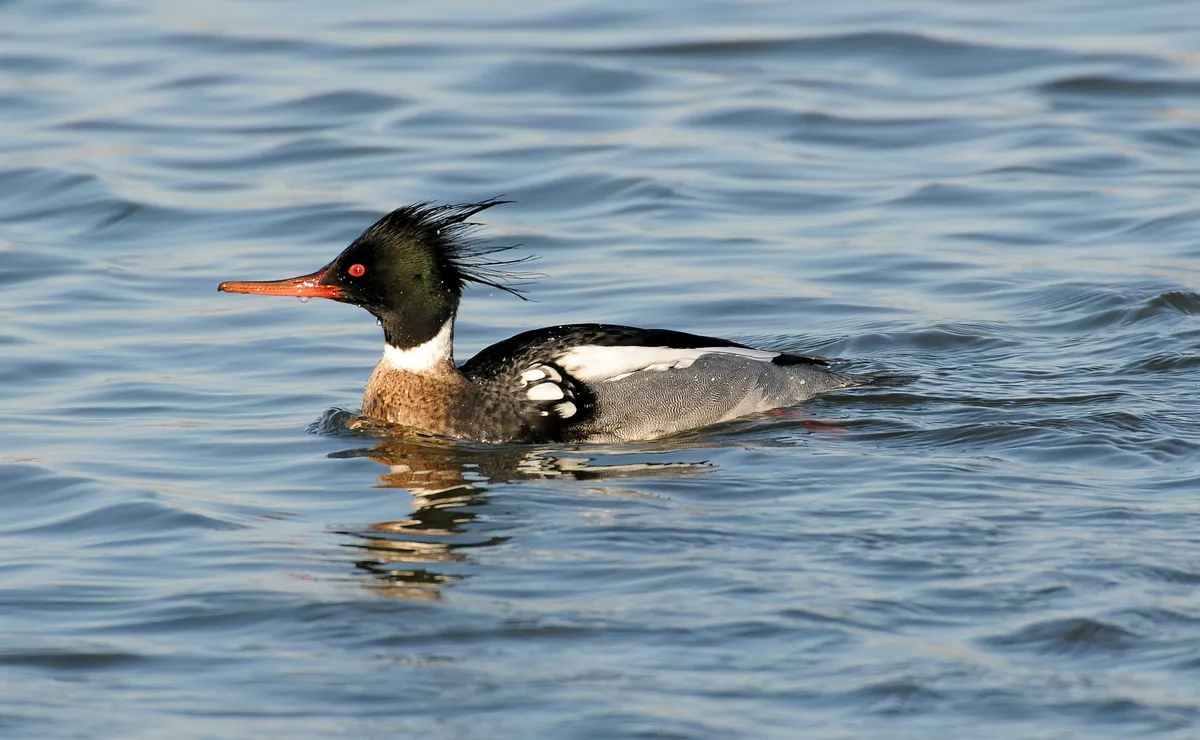
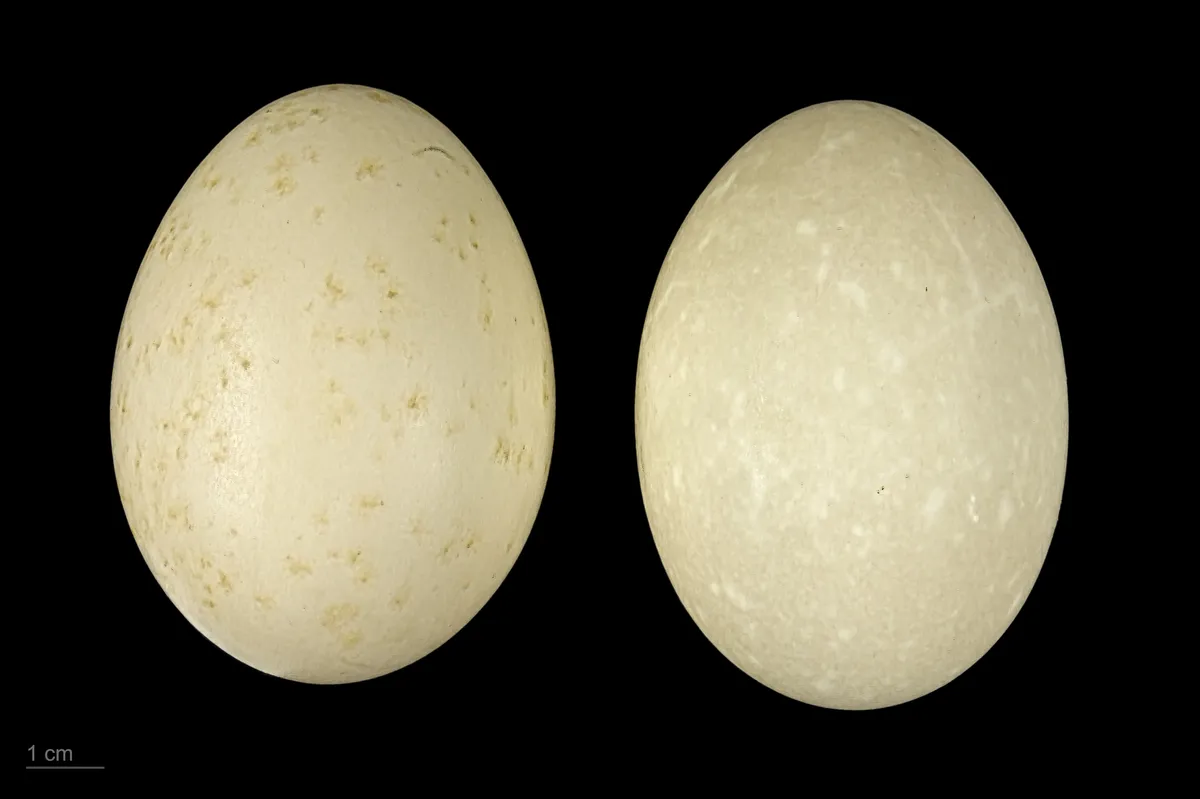
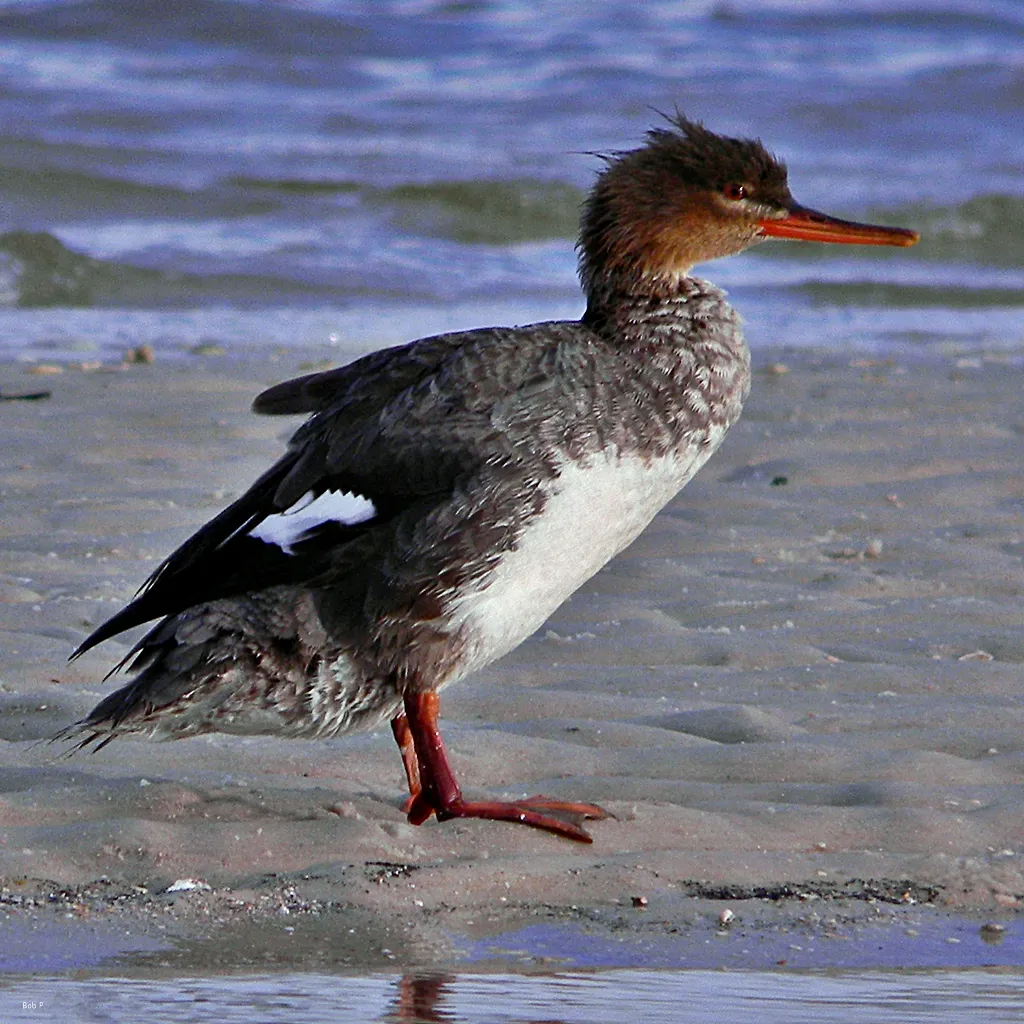
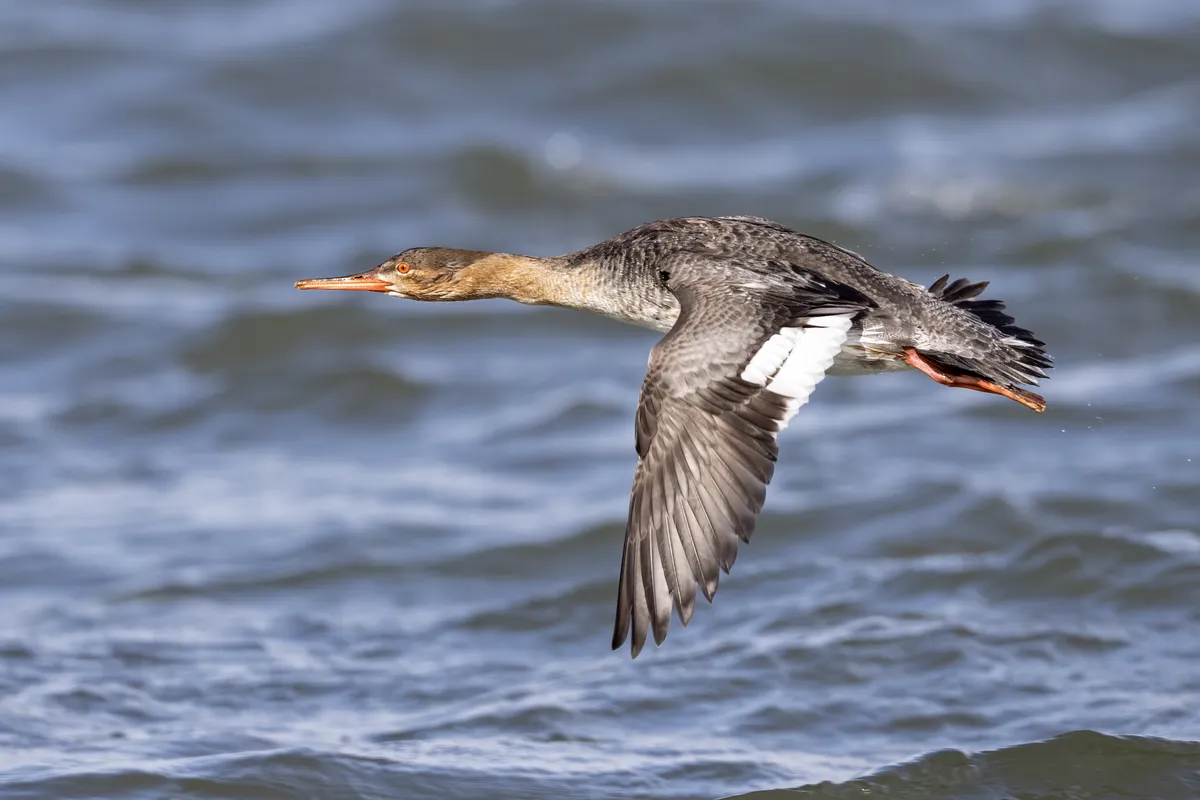
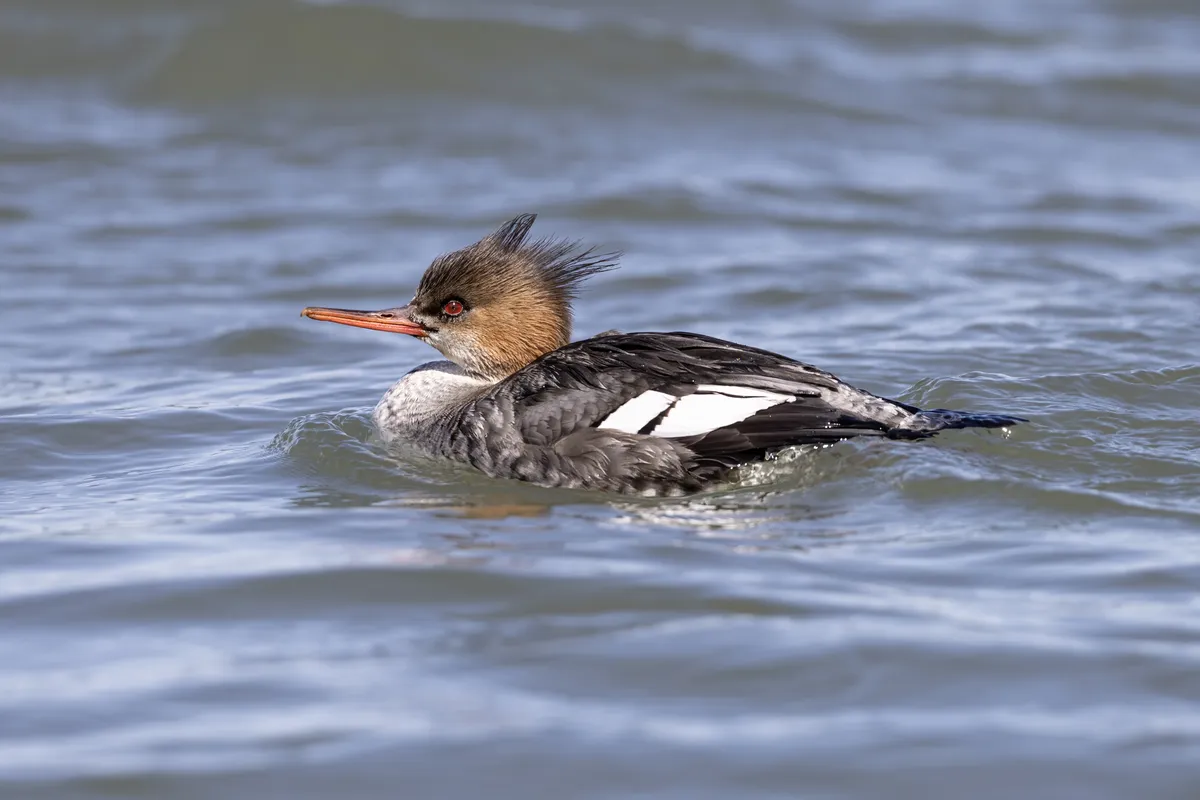
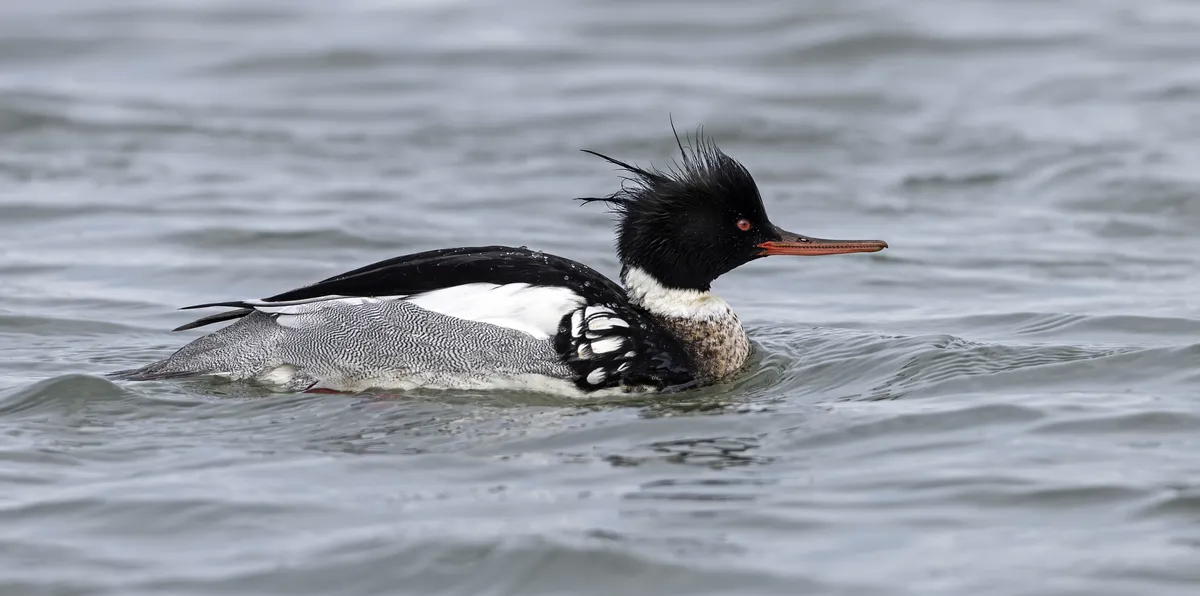
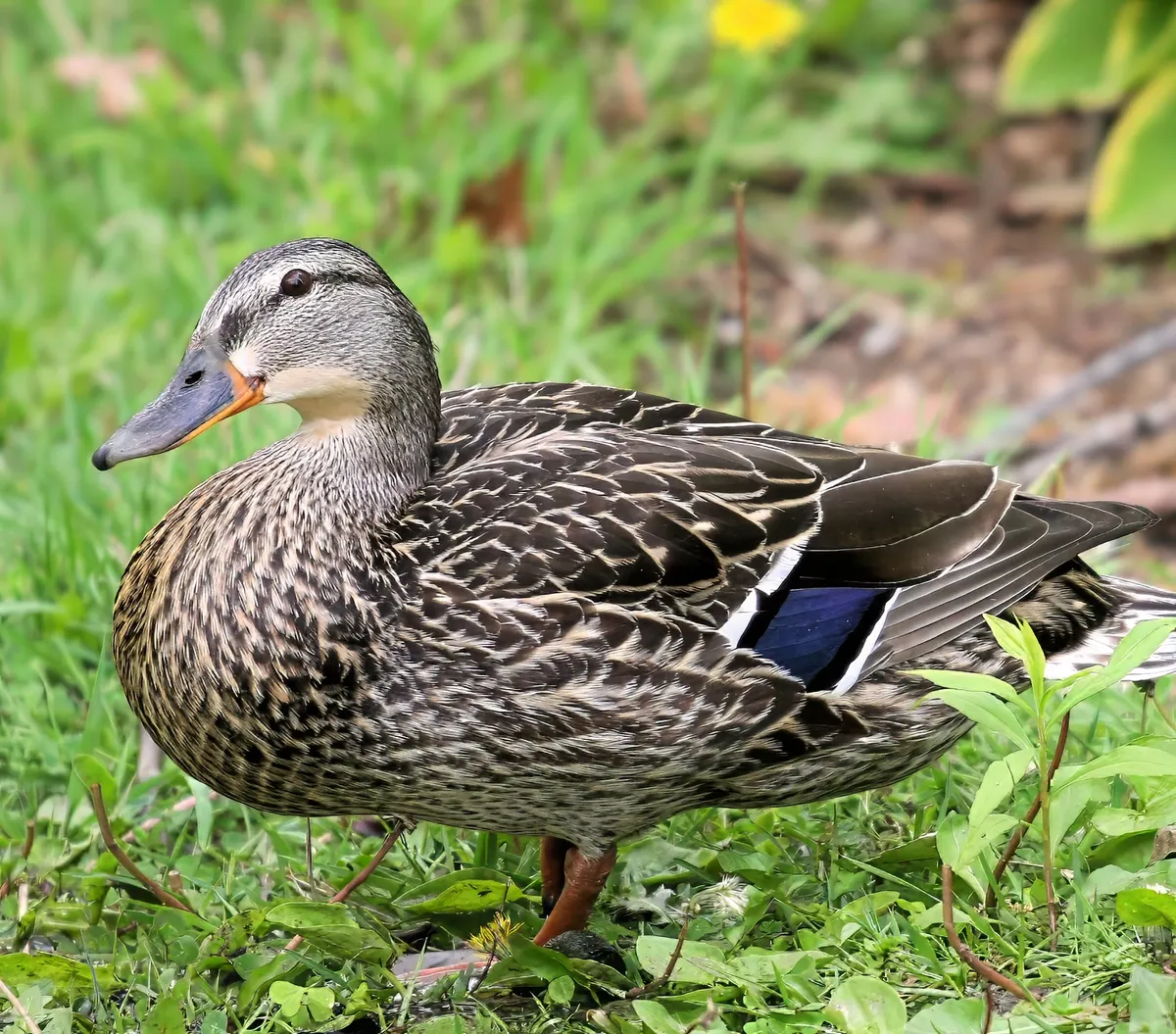
A medium-sized diving duck species of the sawbill family, characterized by its distinctive serrated bill and streamlined aquatic adaptation.
Image Gallery
ADSENSE SLOT
Ecology & Habitat
Habitat
Coastal marine environments, freshwater lakes, rivers, and boreal forest regions of North America, Europe, and Northern Asia, with preference for areas with abundant fish populations.
Ecological Role
Key predator in aquatic ecosystems, controlling fish populations and serving as prey for larger predators. Indicator species for marine and freshwater ecosystem health.
Morphology
SKIN COATDense, water-resistant plumage with sexual dimorphism in coloration
LIMBS WINGSWebbed feet positioned posteriorly for efficient underwater propulsion, wingspan of approximately 0.84-0.94 m
HEAD SENSORYElongated, pointed bill with serrated edges for gripping slippery fish, keen binocular vision for underwater hunting
BODY STRUCTURESleek, elongated body adapted for diving, measuring 52-66 cm in length, with average body mass of 0.8-1.4 kg
Data Source: TaxonHub Database
Image Credit: Peter Massas