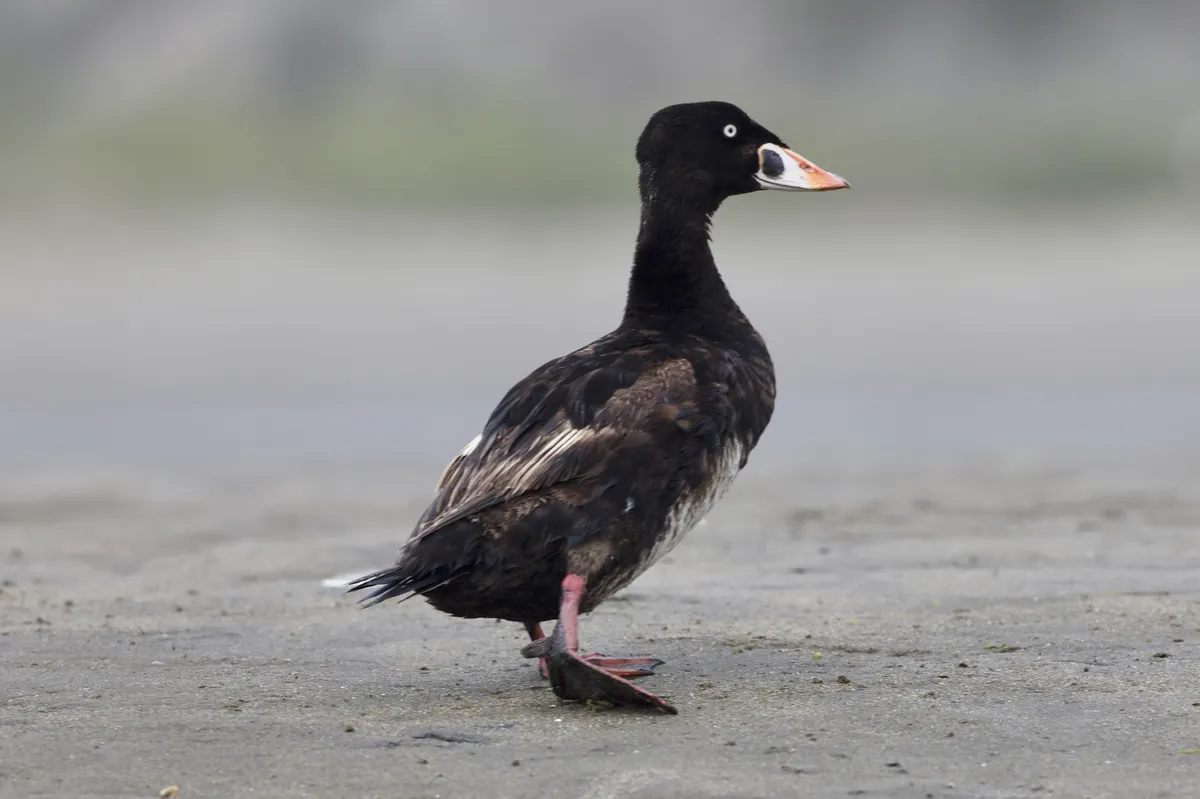
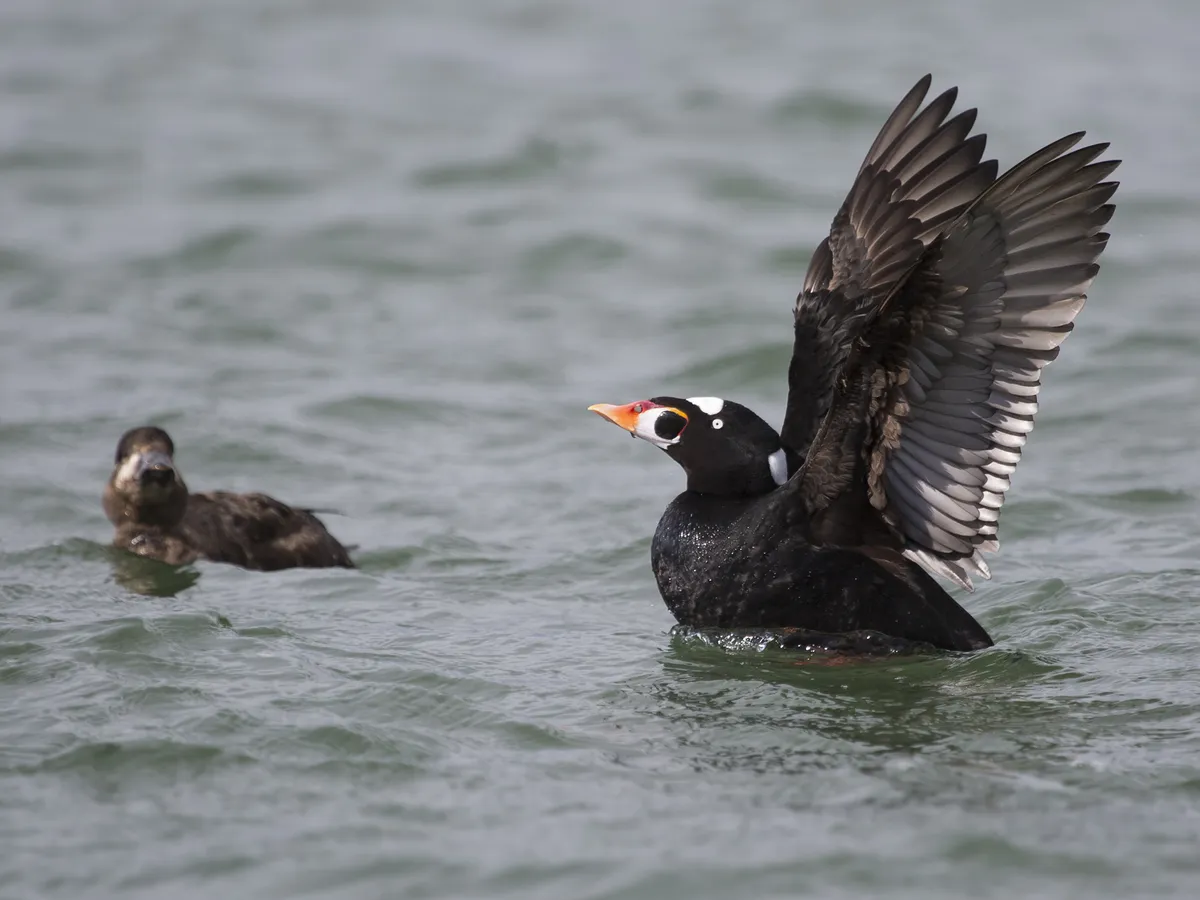
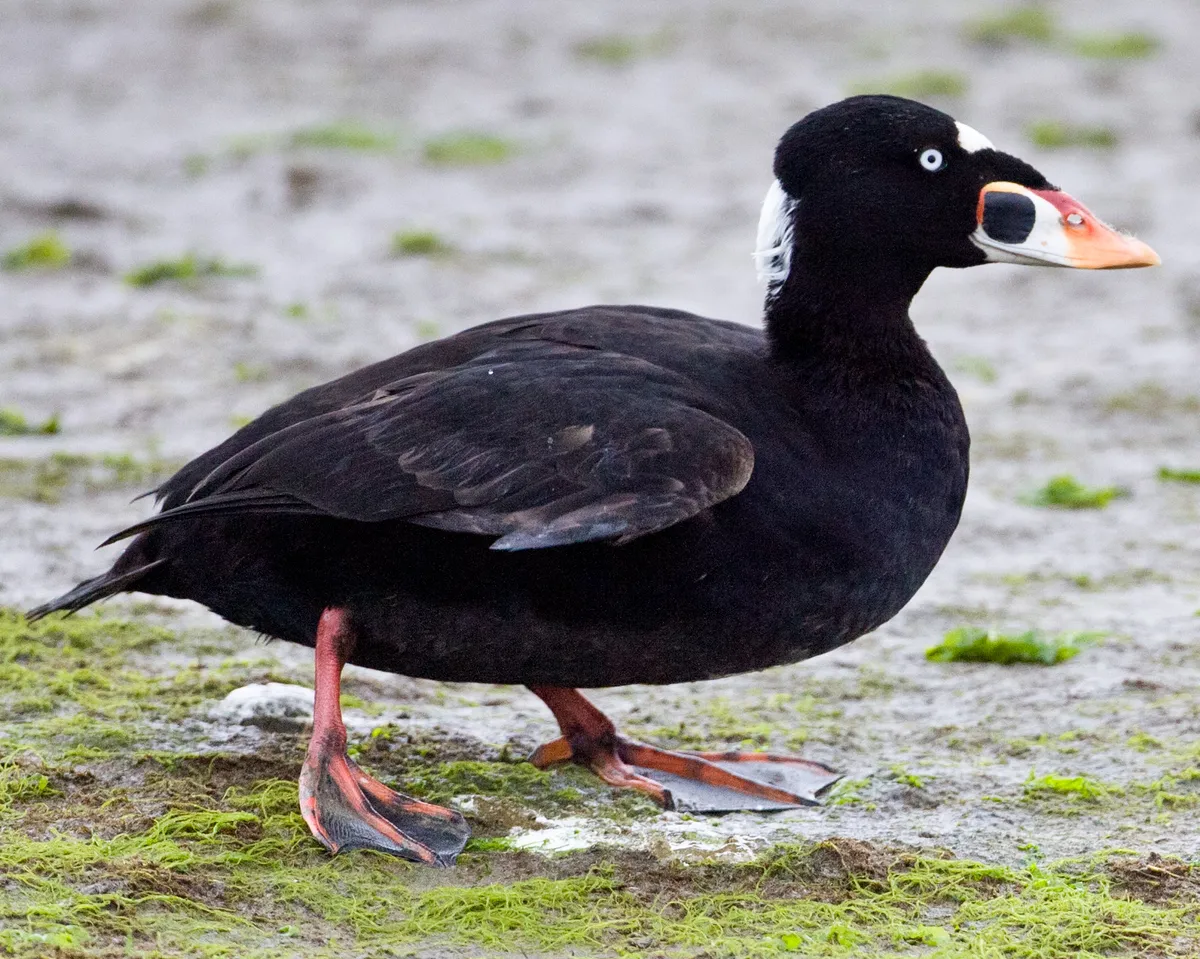
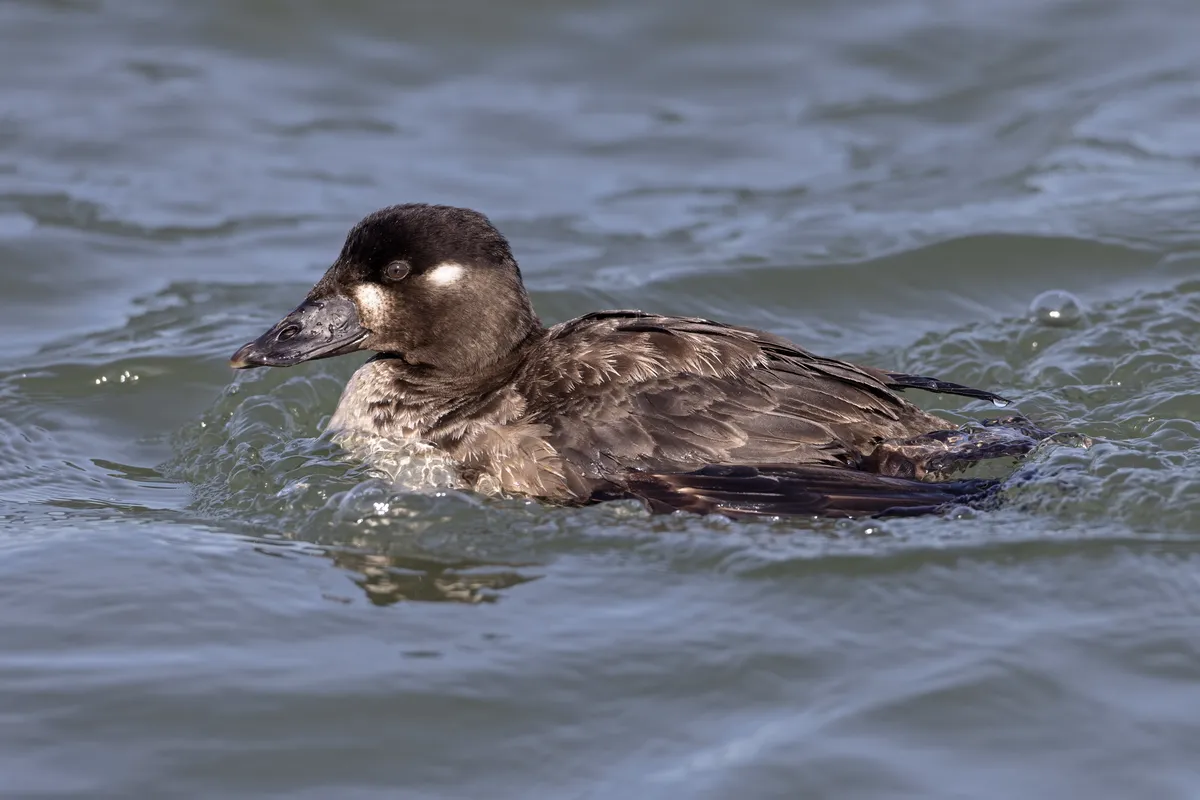
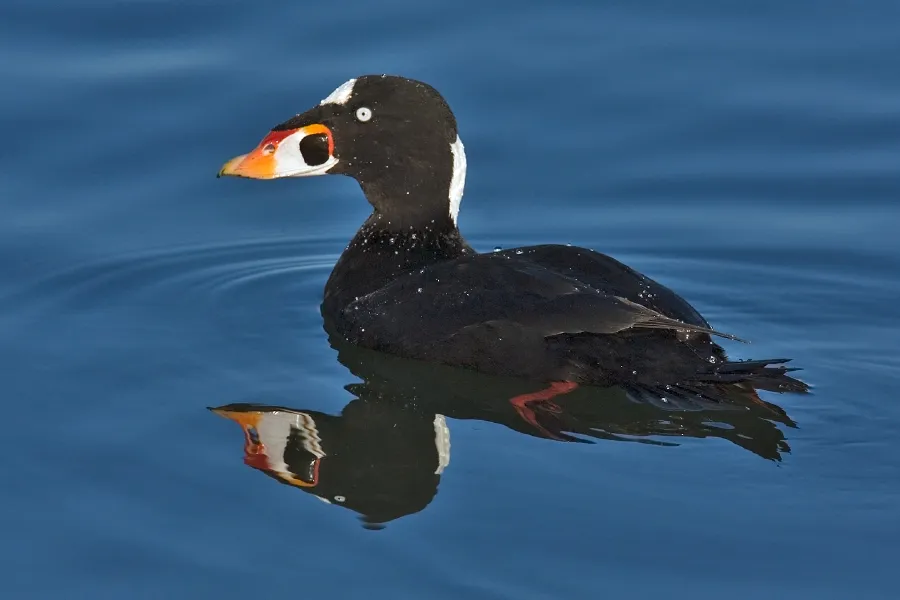
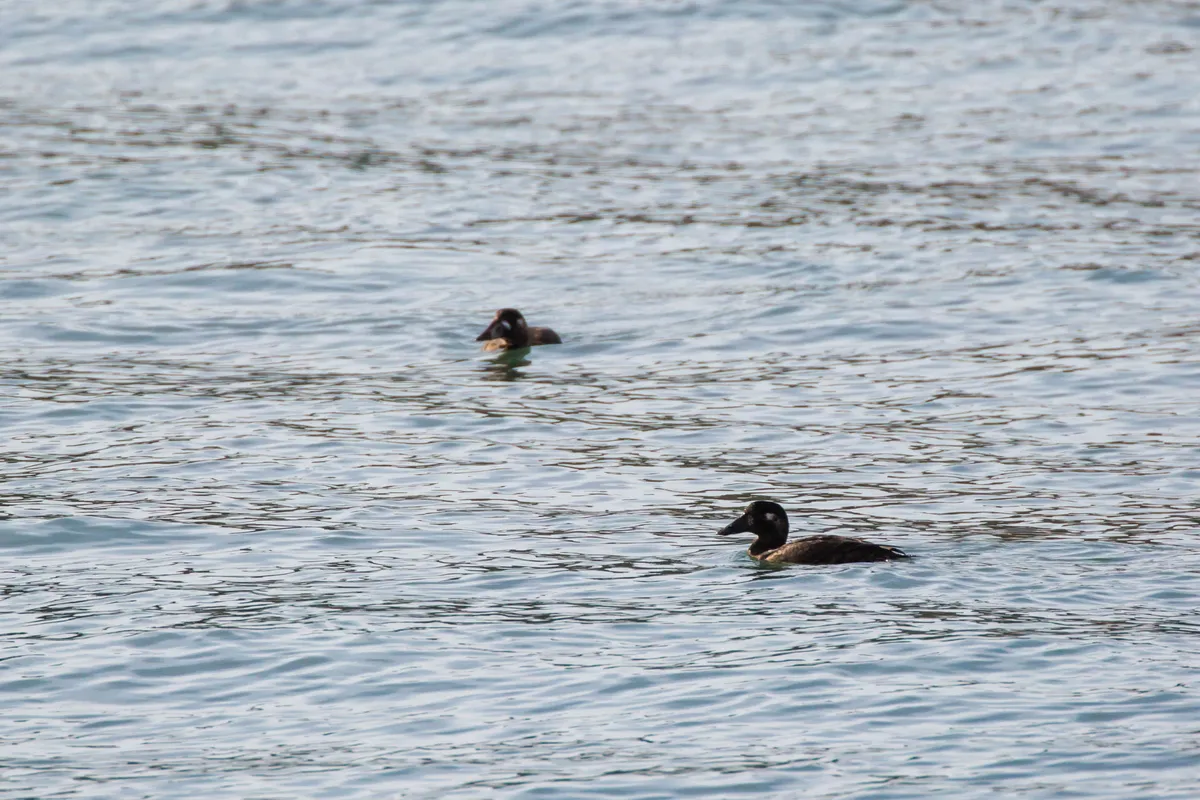
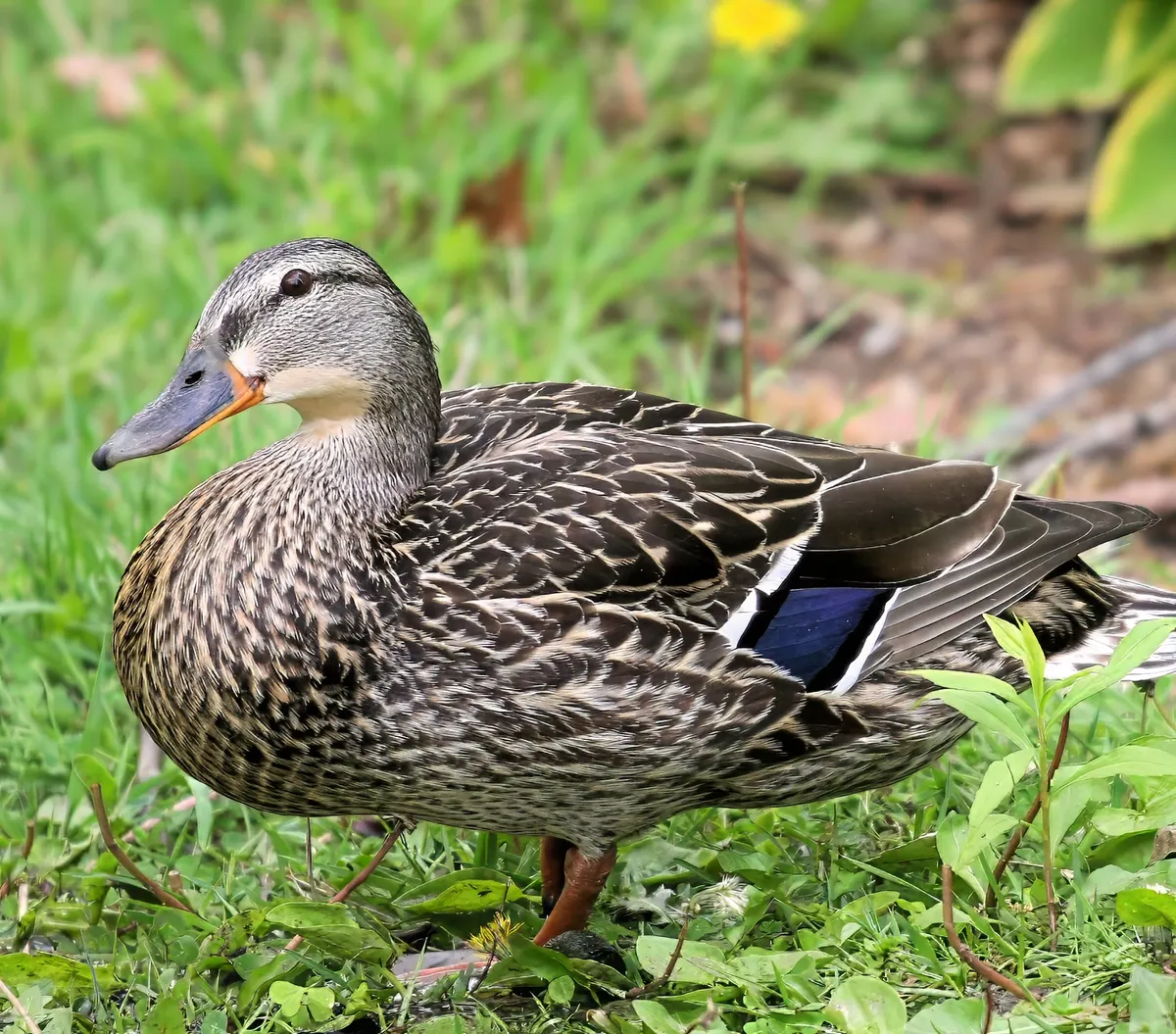
A large sea duck species native to North America, characterized by a distinctive black plumage and unique bill coloration. It is a marine diving duck known for its remarkable adaptation to cold coastal environments.
Image Gallery
ADSENSE SLOT
Ecology & Habitat
Habitat
Coastal marine ecosystems along the Pacific and Atlantic coasts of North America, breeding in boreal forest and tundra regions of Canada and Alaska. Winters in marine coastal waters, estuaries, and large inland lakes.
Ecological Role
Plays a critical role in marine food webs, consuming benthic invertebrates and controlling populations of marine prey species. Serves as an important indicator of marine ecosystem health and climate change impacts.
Morphology
SKIN COATPredominantly black plumage with minimal sexual dimorphism. Dense, waterproof feather layer providing thermal insulation in cold marine environments.
LIMBS WINGSPowerful webbed feet positioned posteriorly for efficient underwater propulsion. Wingspan approximately 86-99 cm.
HEAD SENSORYLarge, bulbous head with distinctive multicolored bill featuring white and orange patches. Keen visual and tactile sensory adaptations for underwater foraging.
BODY STRUCTURERobust, large sea duck with body length 48-56 cm and mass 0.9-1.4 kg. Streamlined body adapted for diving and marine locomotion.
Data Source: TaxonHub Database
Image Credit: Chris Spain