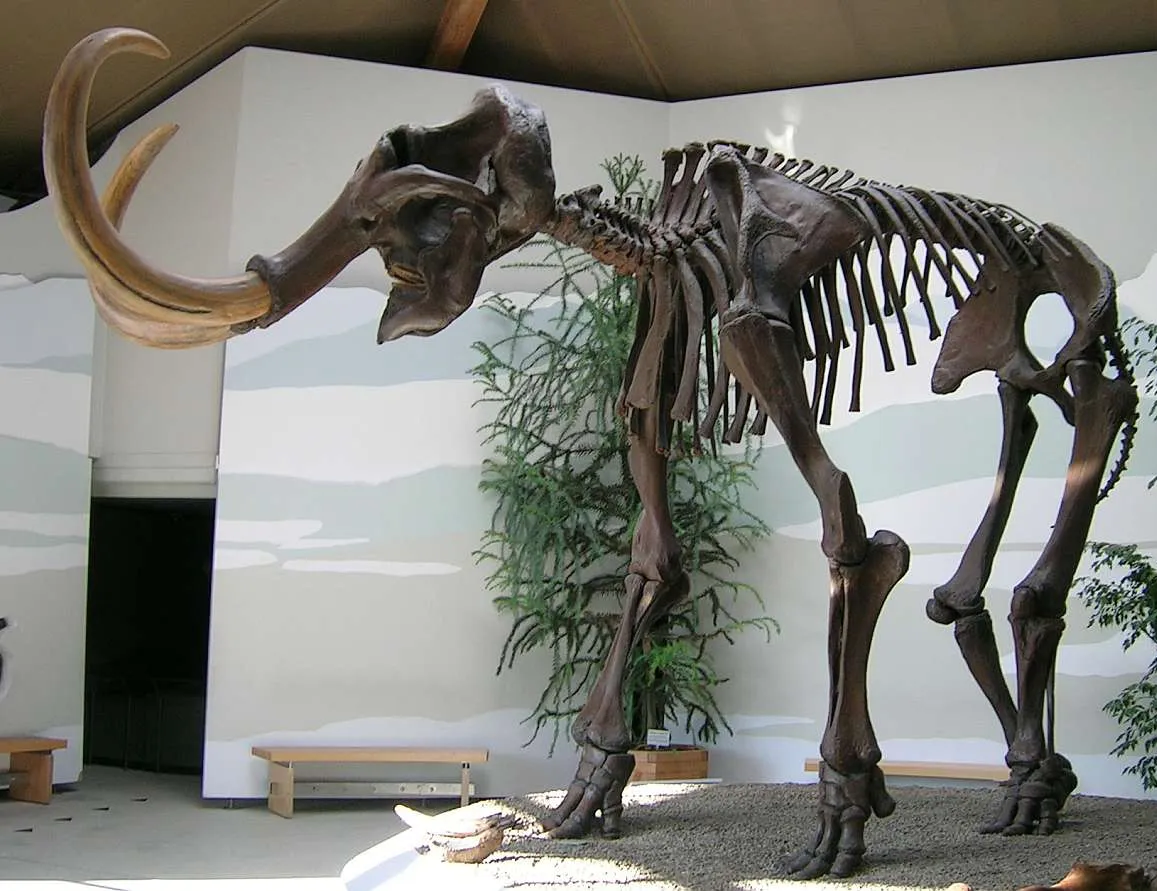
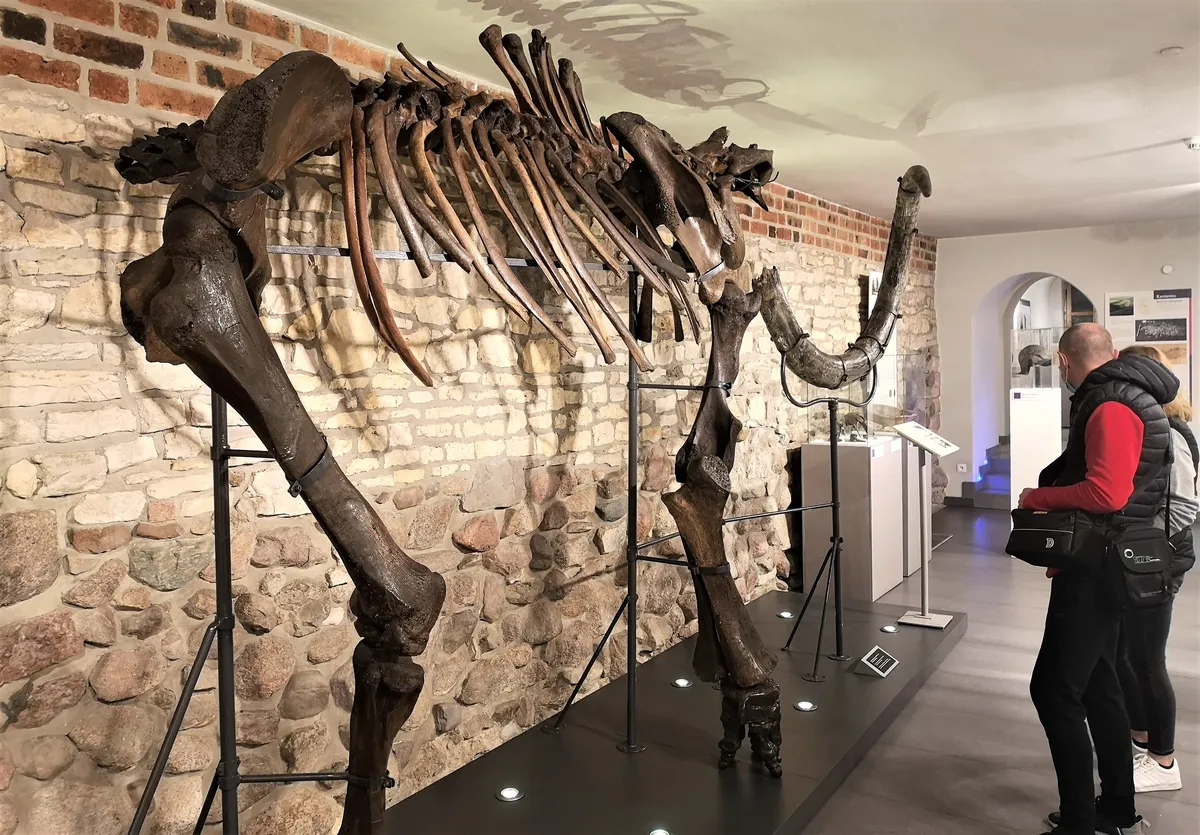
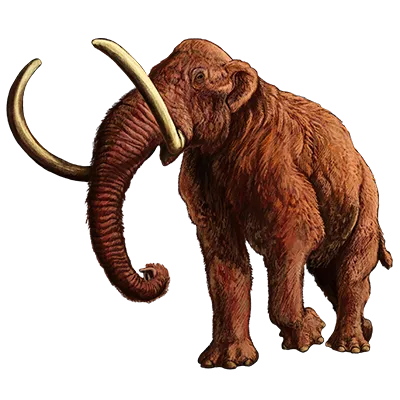
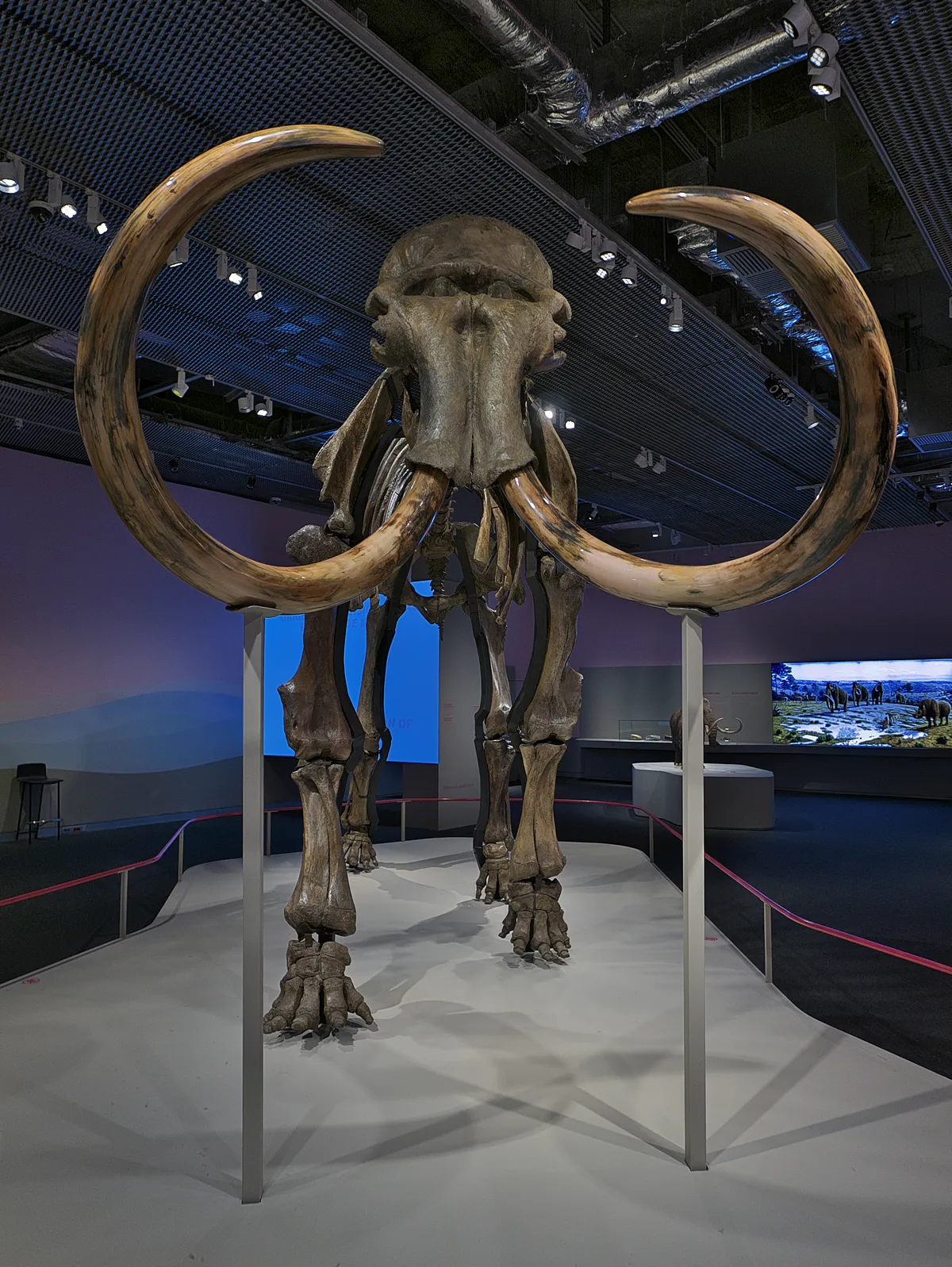
An extinct species of elephant that lived during the Pleistocene epoch, characterized by thick fur and massive size, adapted to cold Paleolithic environments across Eurasia and North America
Image Gallery
ADSENSE SLOT
Ecology & Habitat
Habitat
Mammoth steppe ecosystem, predominantly in cold tundra and grassland regions of northern latitudes during the Quaternary period, ranging from 4,000 to 40,000 years ago
Ecological Role
Key herbivore in Pleistocene megafauna, critical for ecosystem engineering, grazing patterns, and nutrient cycling in Arctic and sub-Arctic landscapes
Morphology
SKIN COATDense, thick fur layer up to 50 cm long, consisting of coarse outer hair and fine underfur, providing exceptional thermal insulation
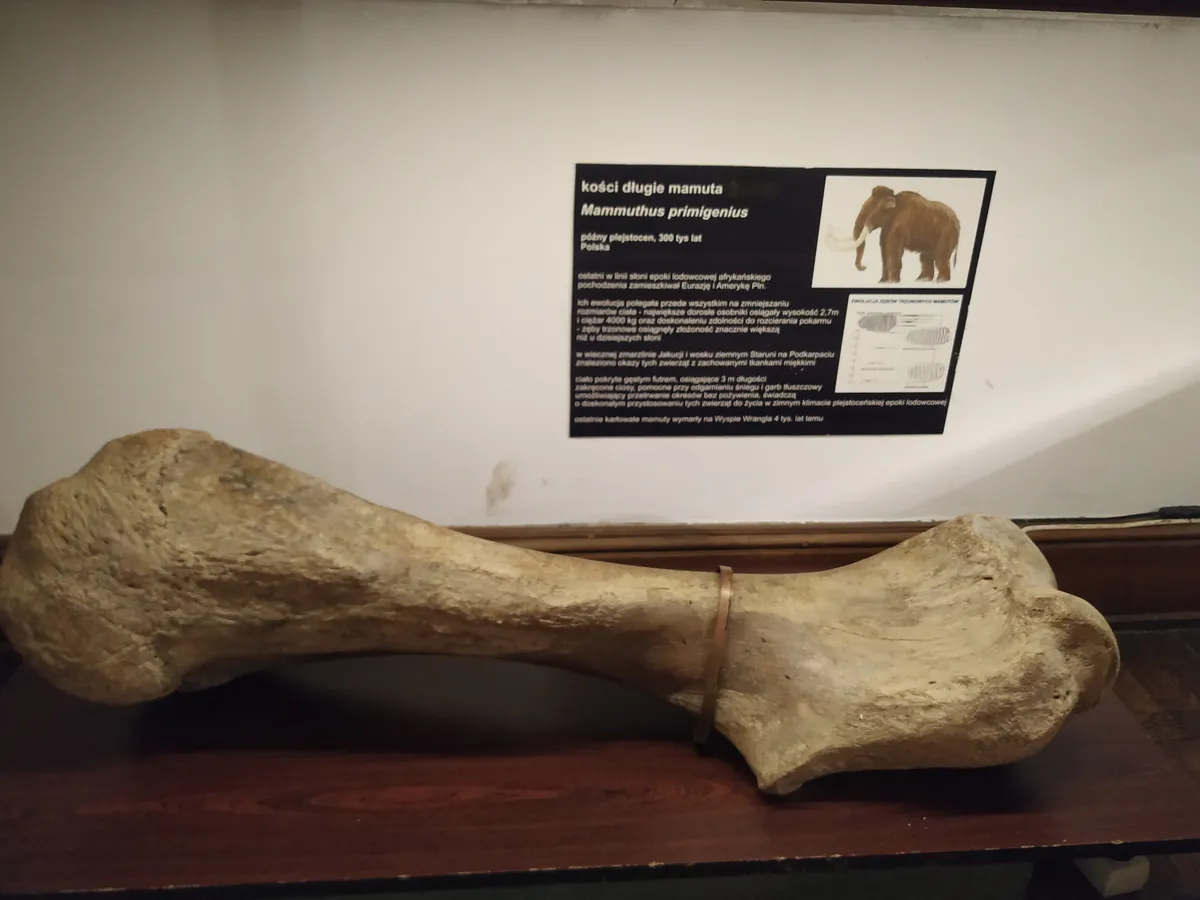
LIMBS WINGSThick, columnar legs with broad feet for walking on frozen ground, adapted for efficient locomotion in snow and ice-covered terrain
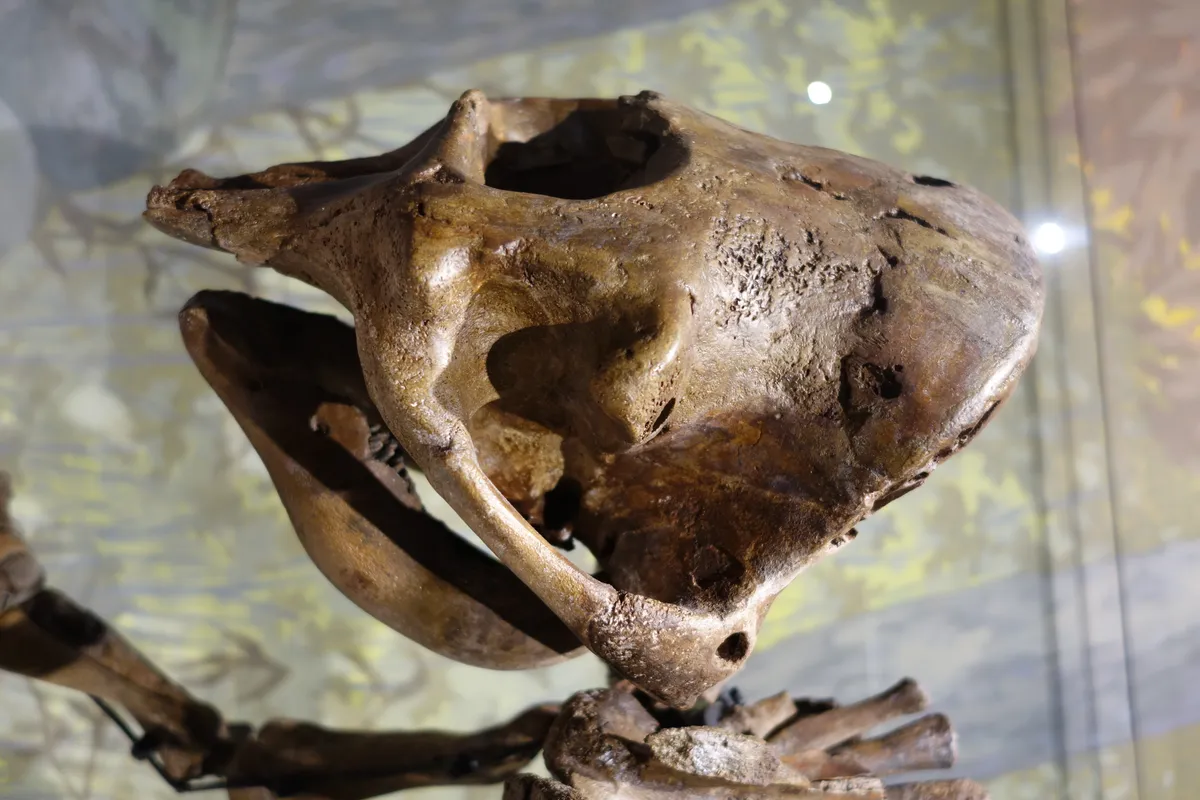
HEAD SENSORYElongated skull with large nasal cavity, small ears, pronounced tusks curving upward and outward, excellent olfactory and auditory capabilities
BODY STRUCTURELarge proboscidean, approximately 3-4 meters tall, weighing 4-6 metric tons, with robust skeletal structure designed for cold adaptation
Data Source: TaxonHub Database
Image Credit: Lou.gruber