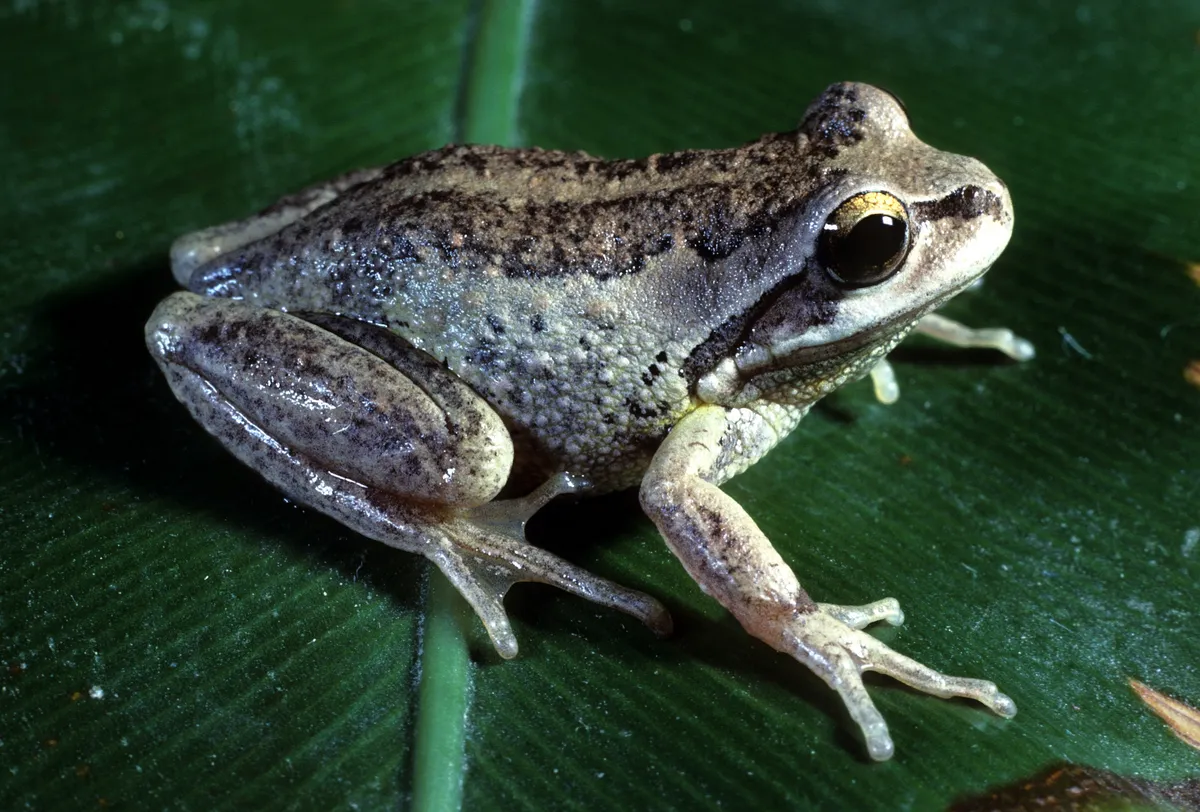
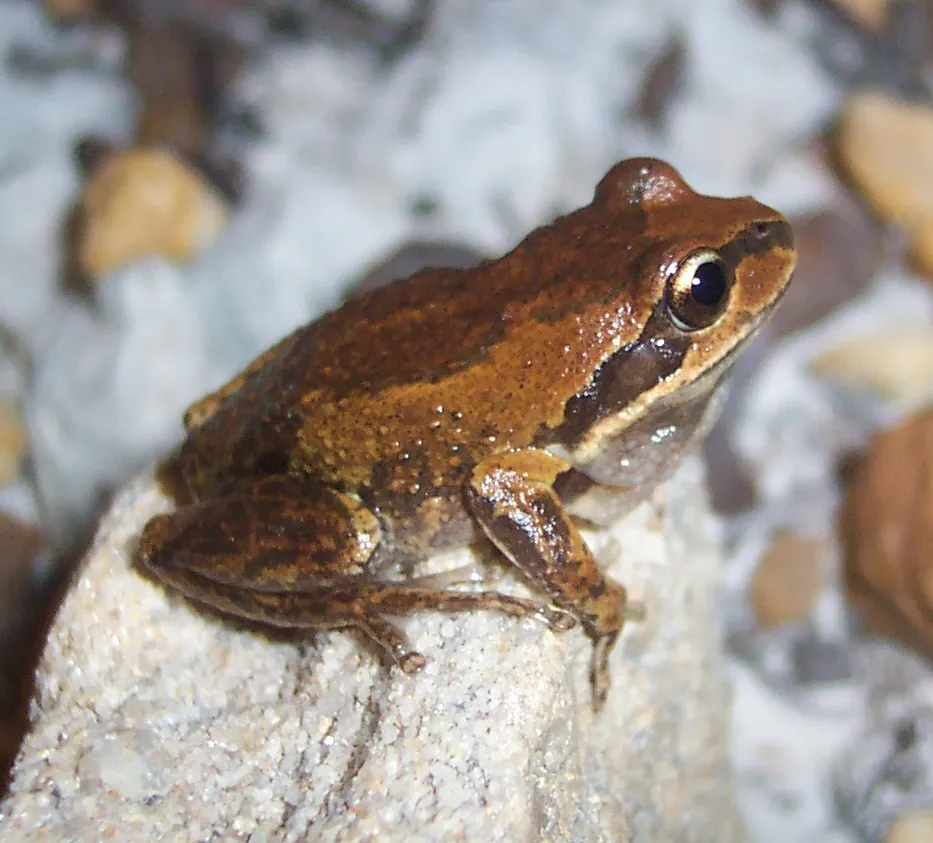
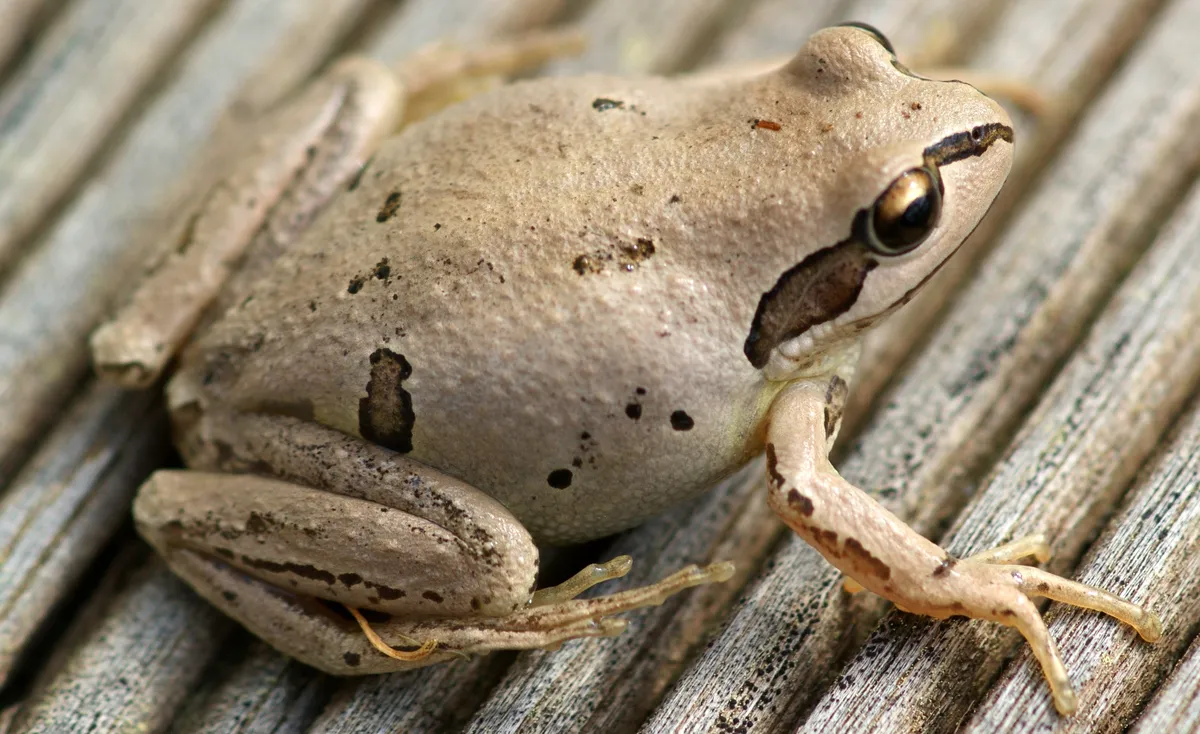
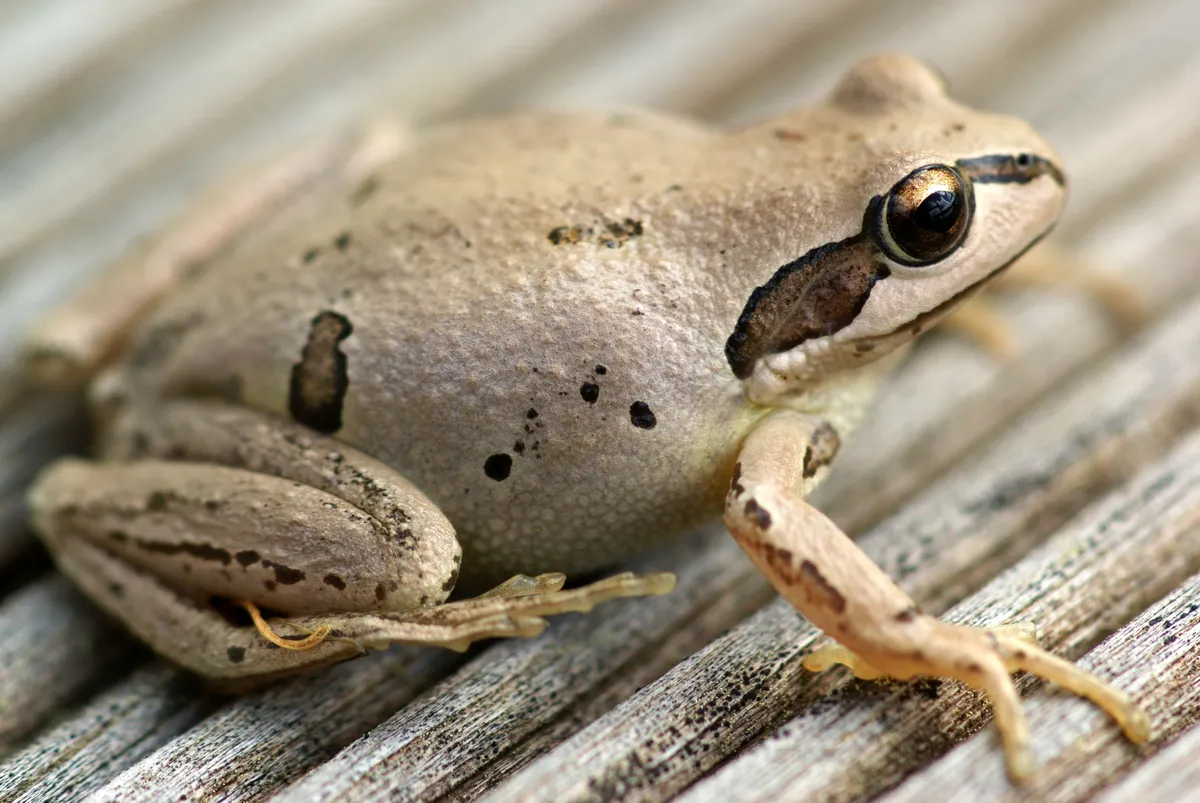
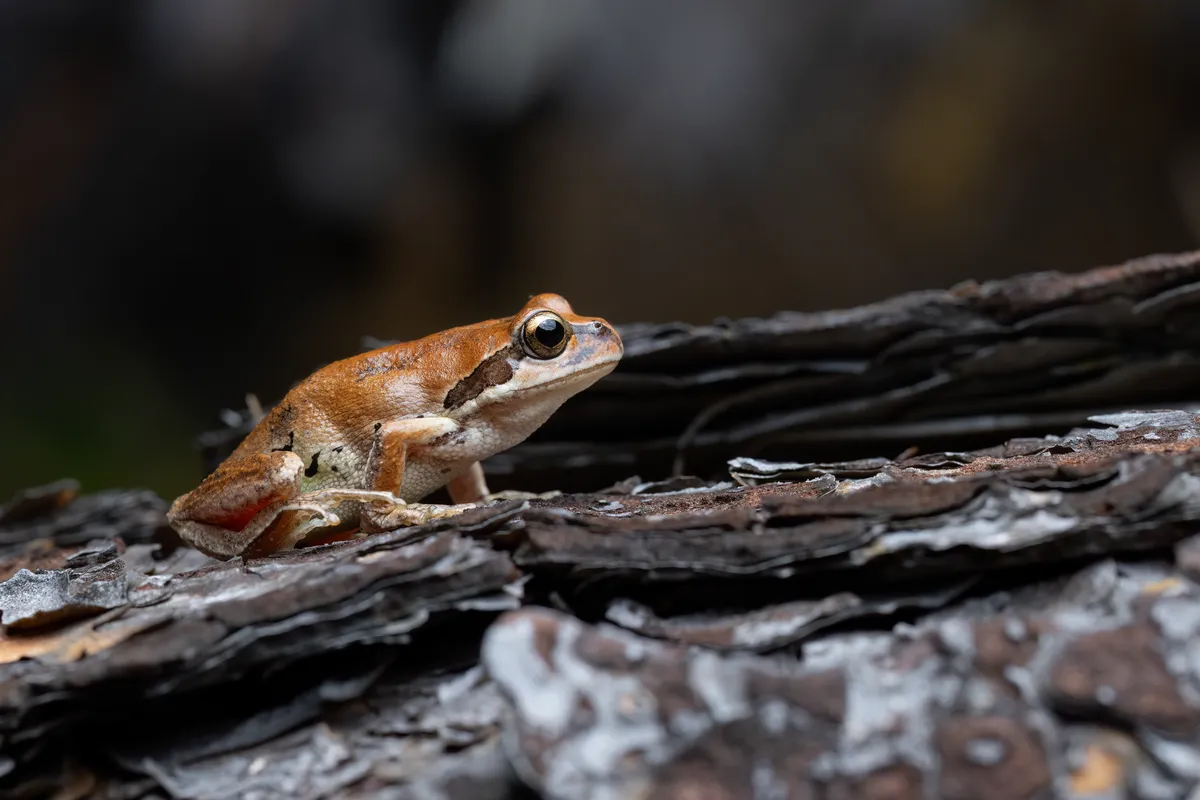
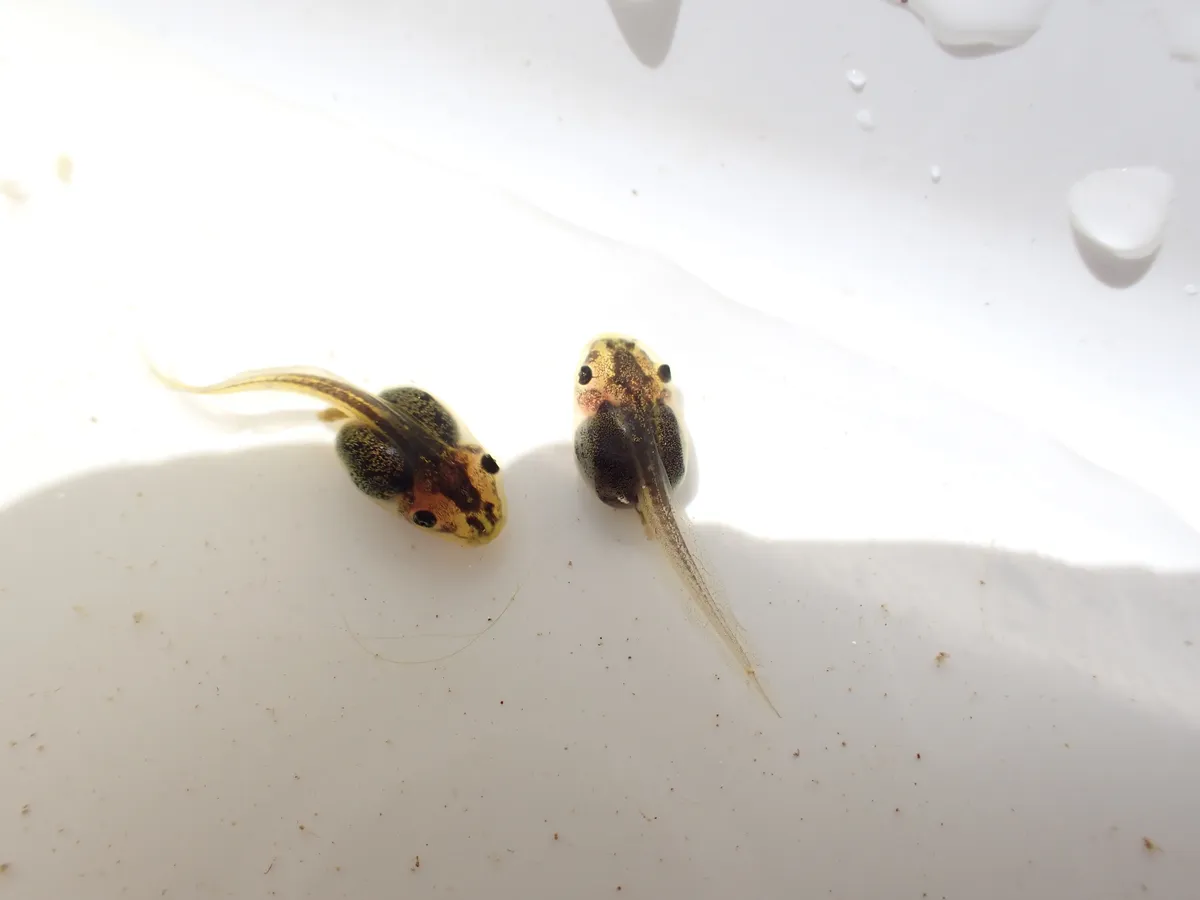
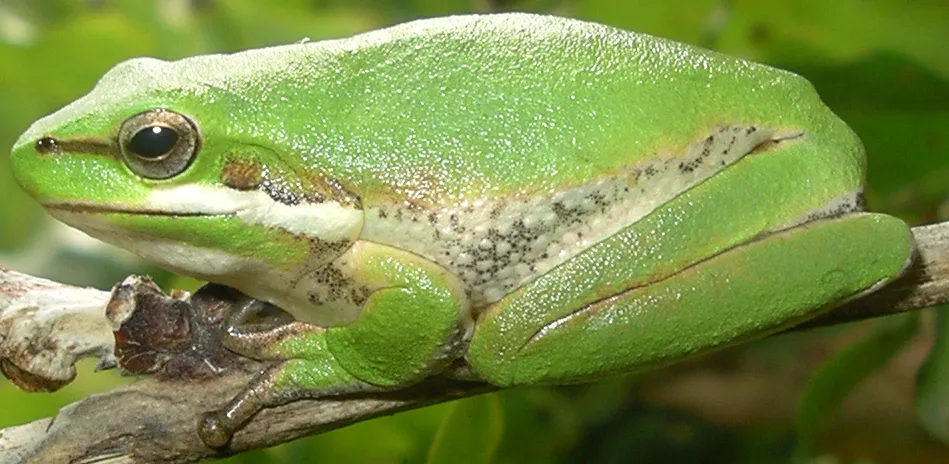
A small arboreal tree frog native to southeastern Australia, characterized by its distinctive coloration and adaptation to forest and woodland habitats.
Image Gallery
ADSENSE SLOT
Ecology & Habitat
Habitat
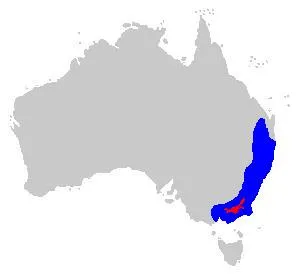
Temperate forests, woodlands, and rocky areas in southeastern Australia, including regions of New South Wales and Victoria, typically found near water sources like streams and ponds.
Ecological Role
Important insectivore that helps control insect populations, serves as prey for larger predators, and acts as a bioindicator of ecosystem health in forest and woodland environments.
Morphology
SKIN COATSmooth, permeable skin that can range in color from grey to brown with potential camouflage patterns
LIMBS WINGSStrong, elongated hindlimbs adapted for climbing and jumping, with adhesive toe pads for arboreal locomotion
HEAD SENSORYLarge, protruding eyes with horizontal pupils, well-developed tympanum, broad mouth with specialized sensory capabilities
BODY STRUCTURESmall frog, typically 3-4 cm in body length, slender and compact build with smooth, moist skin
Data Source: TaxonHub Database
Image Credit: CSIRO