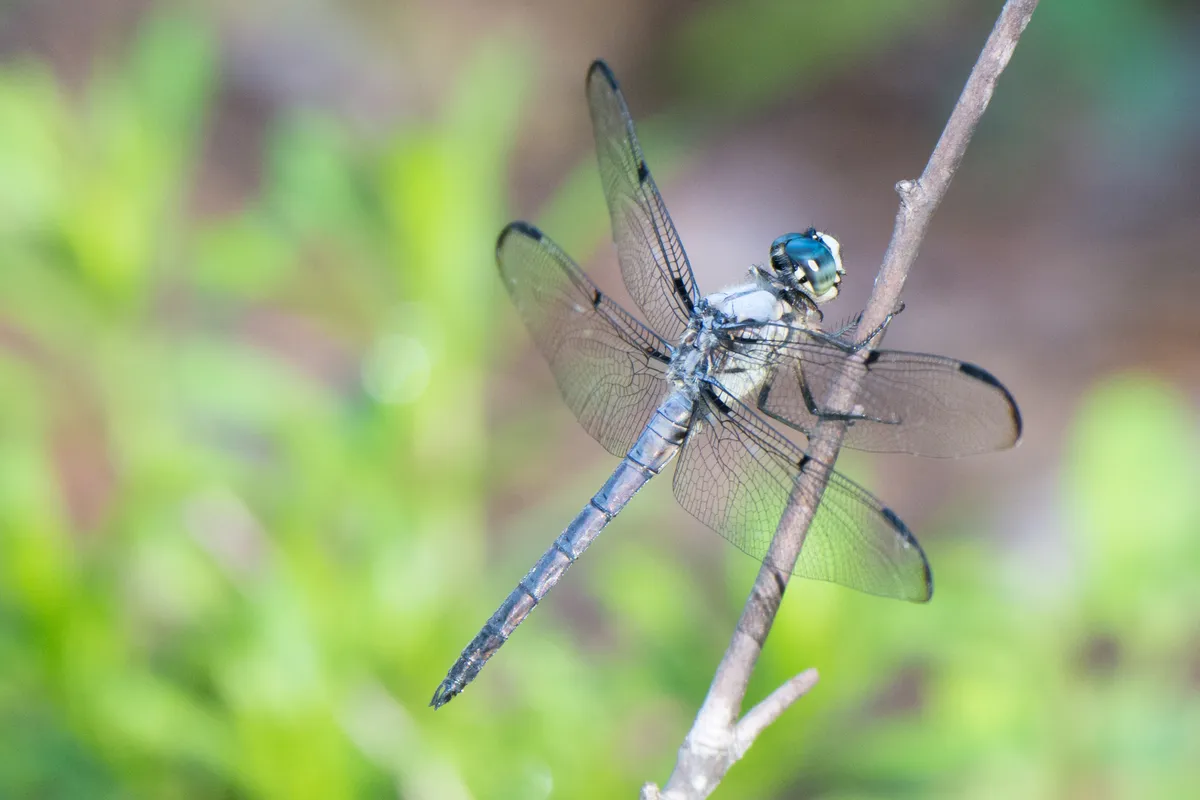
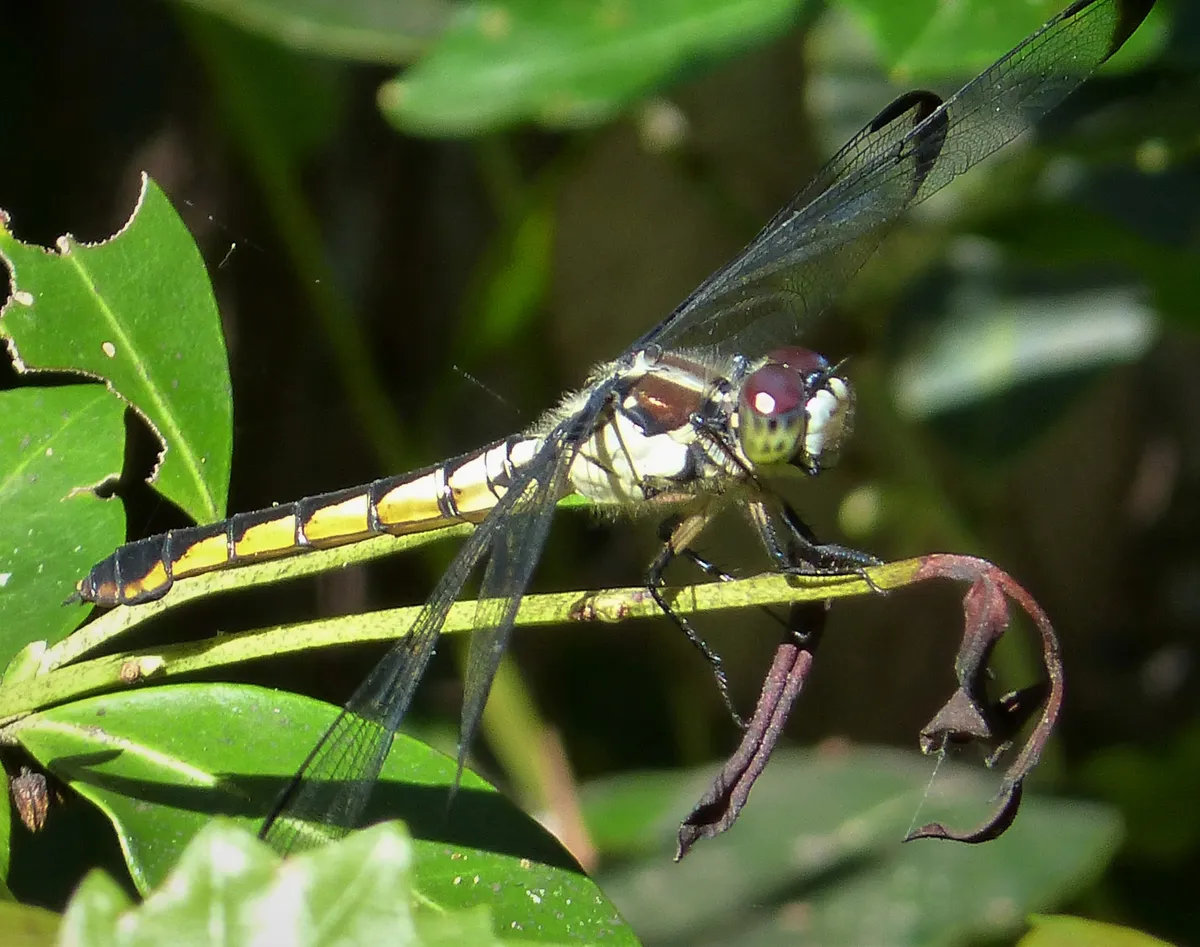
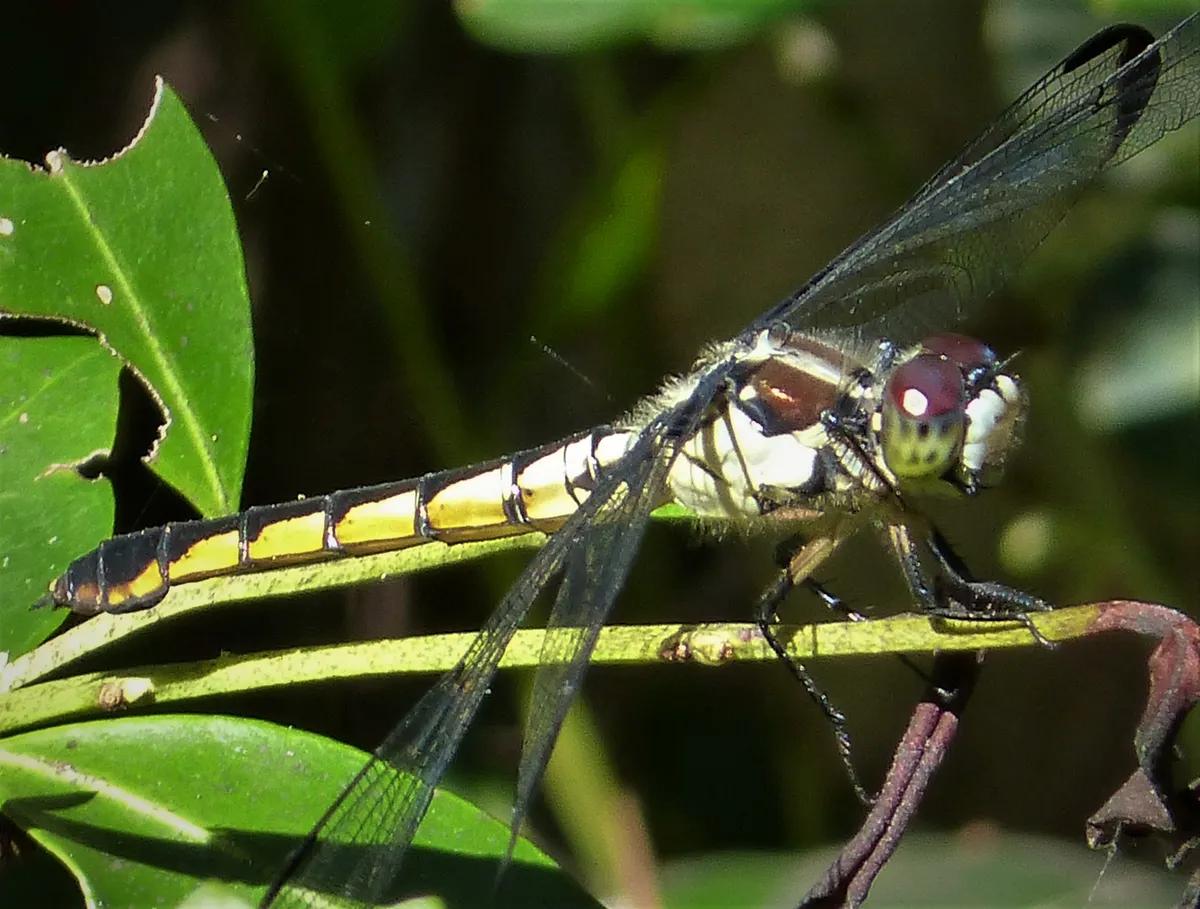
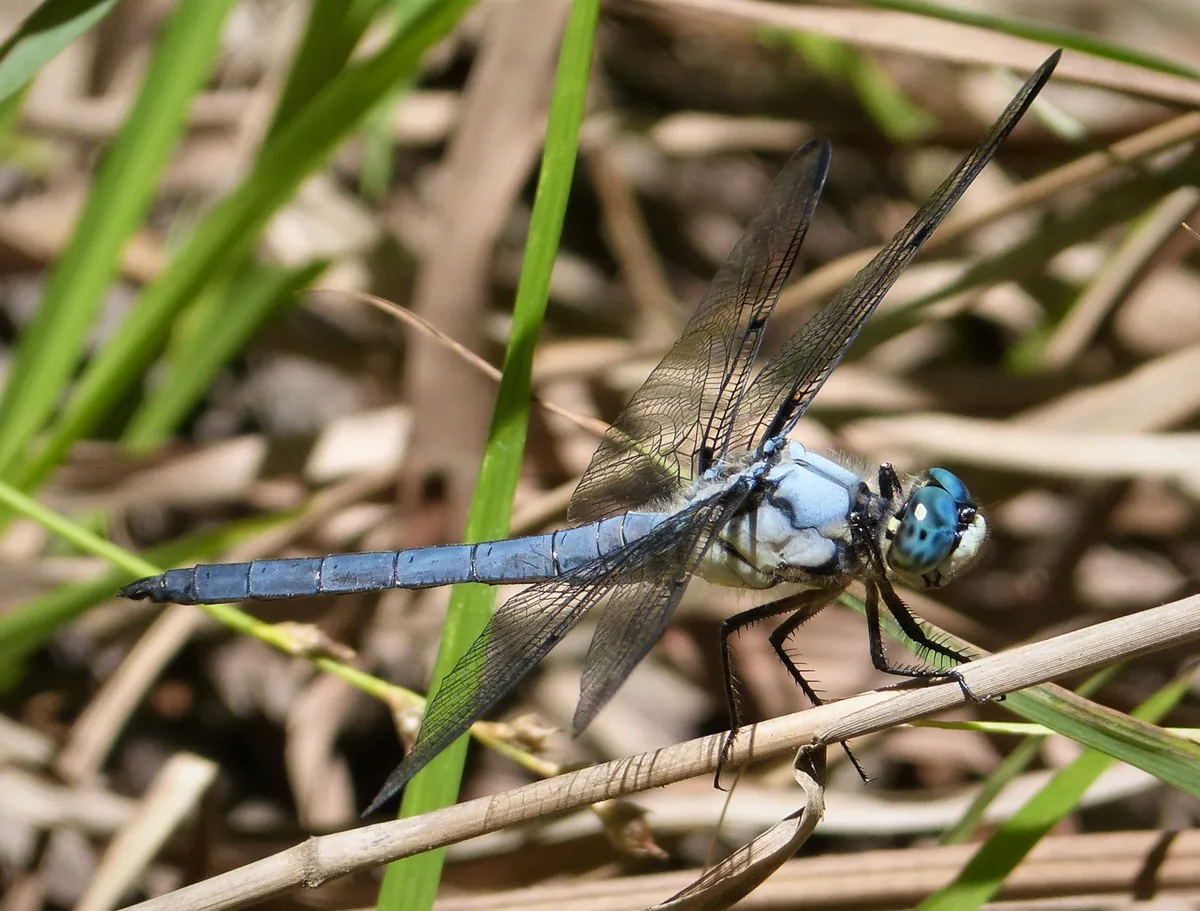
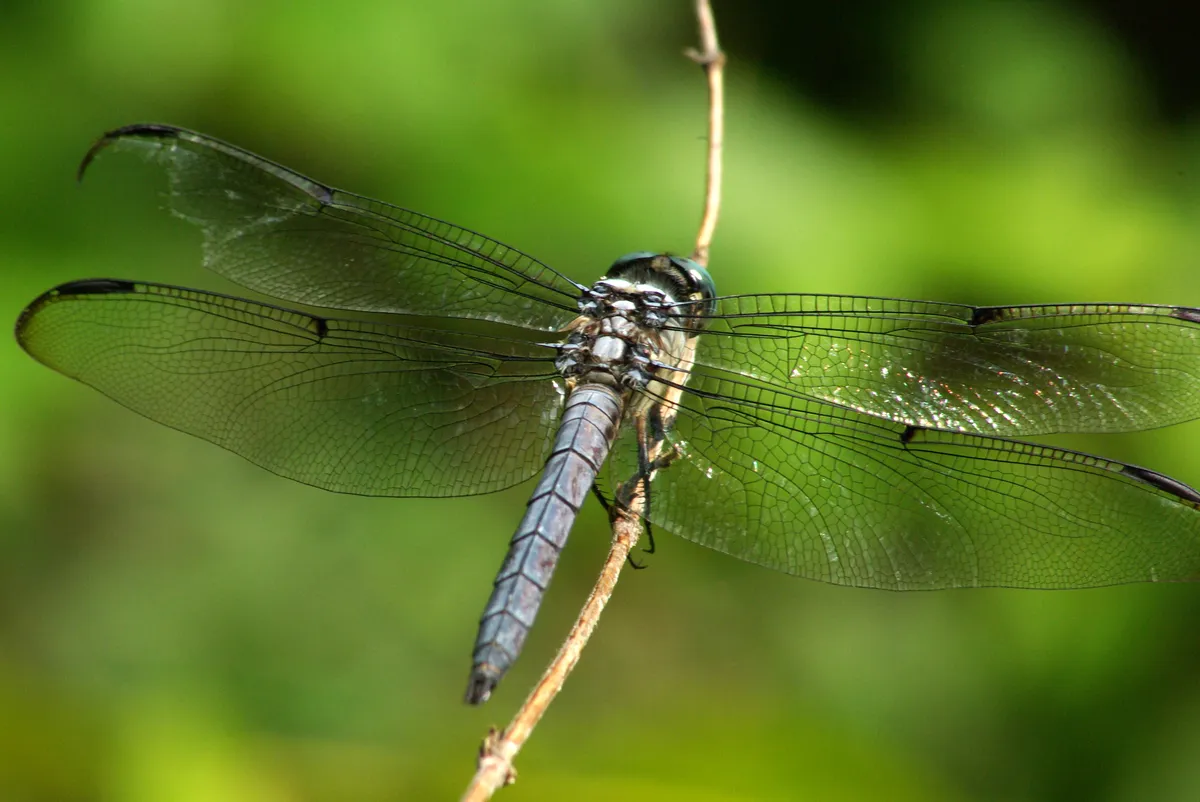
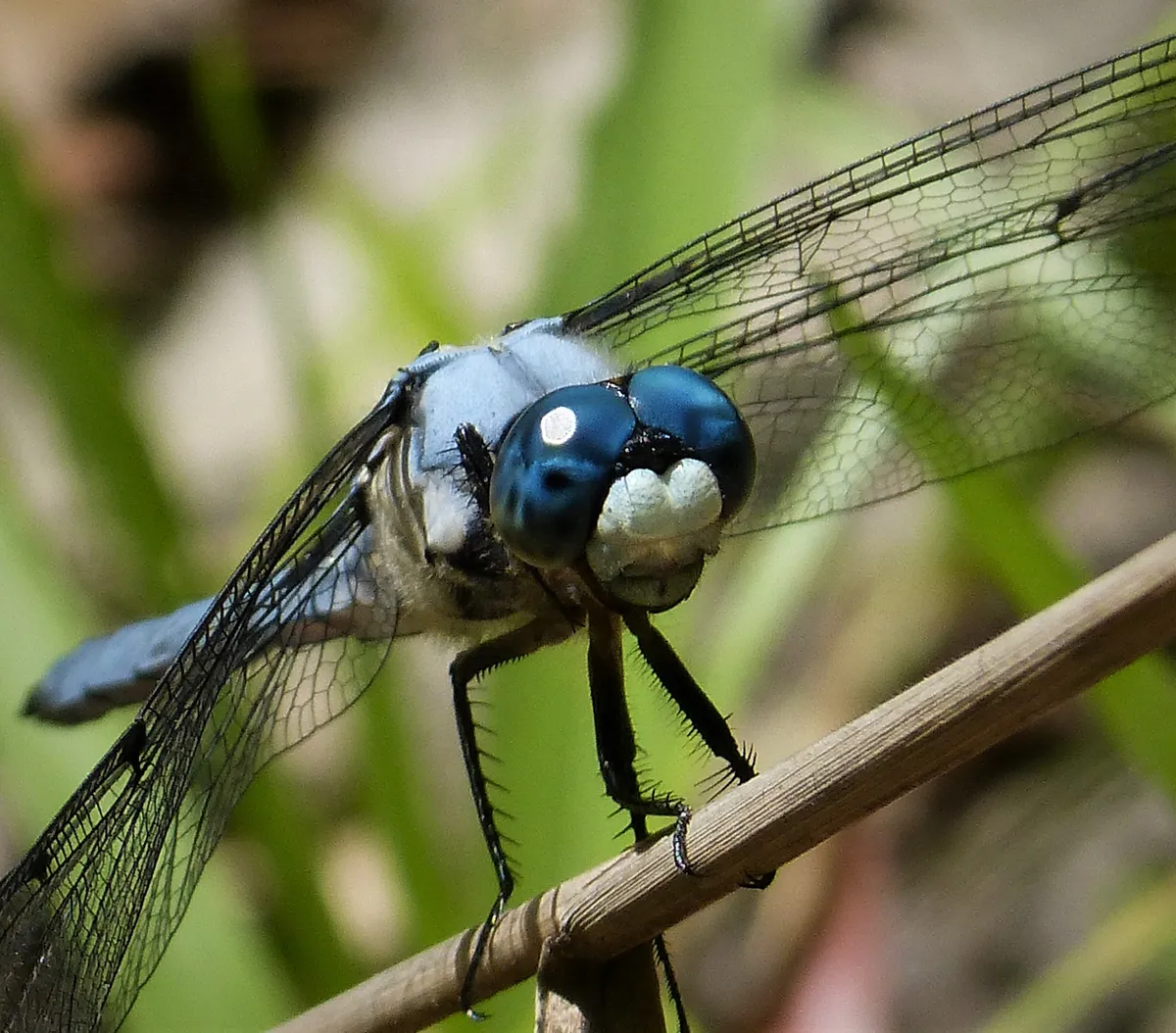
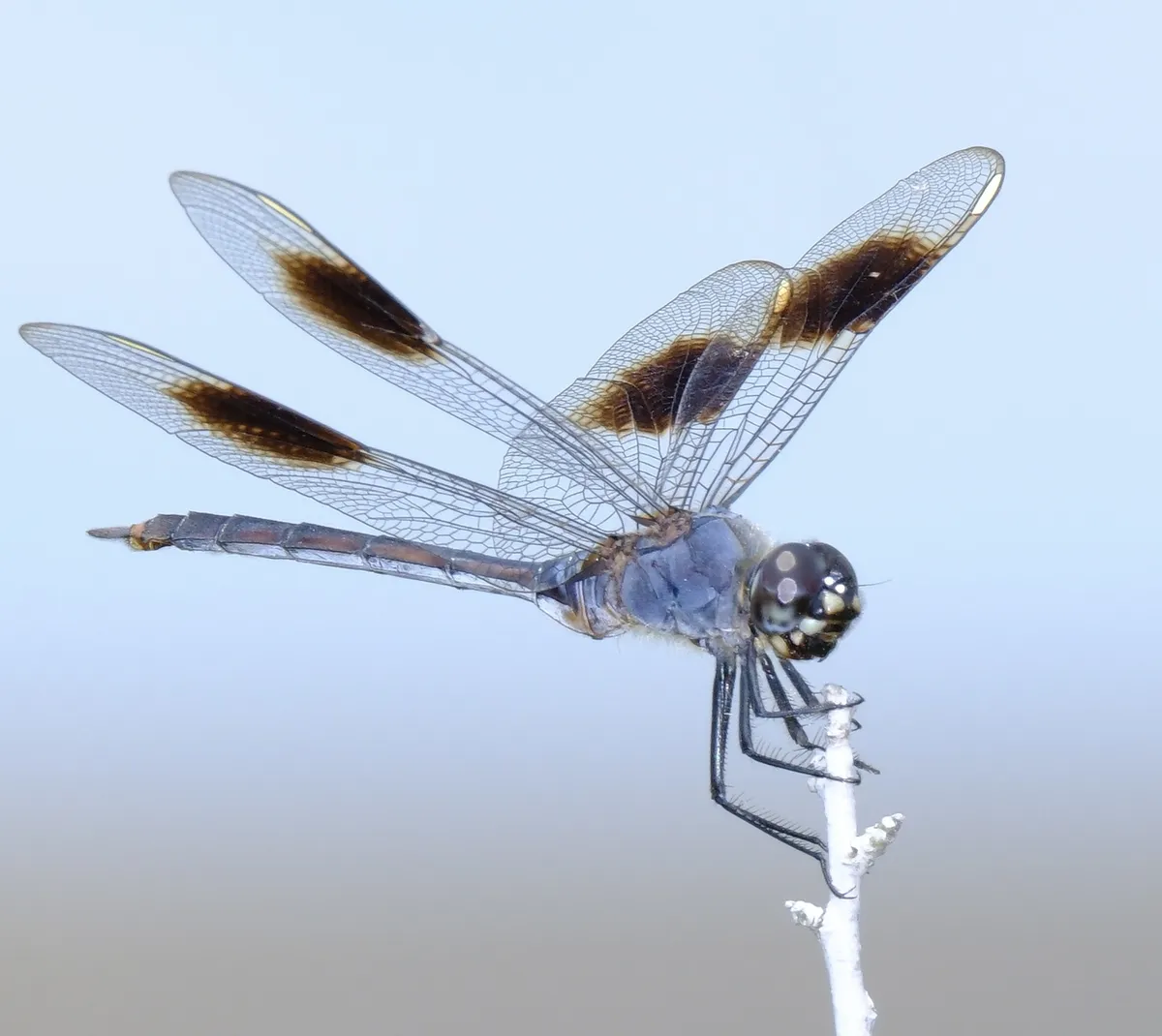
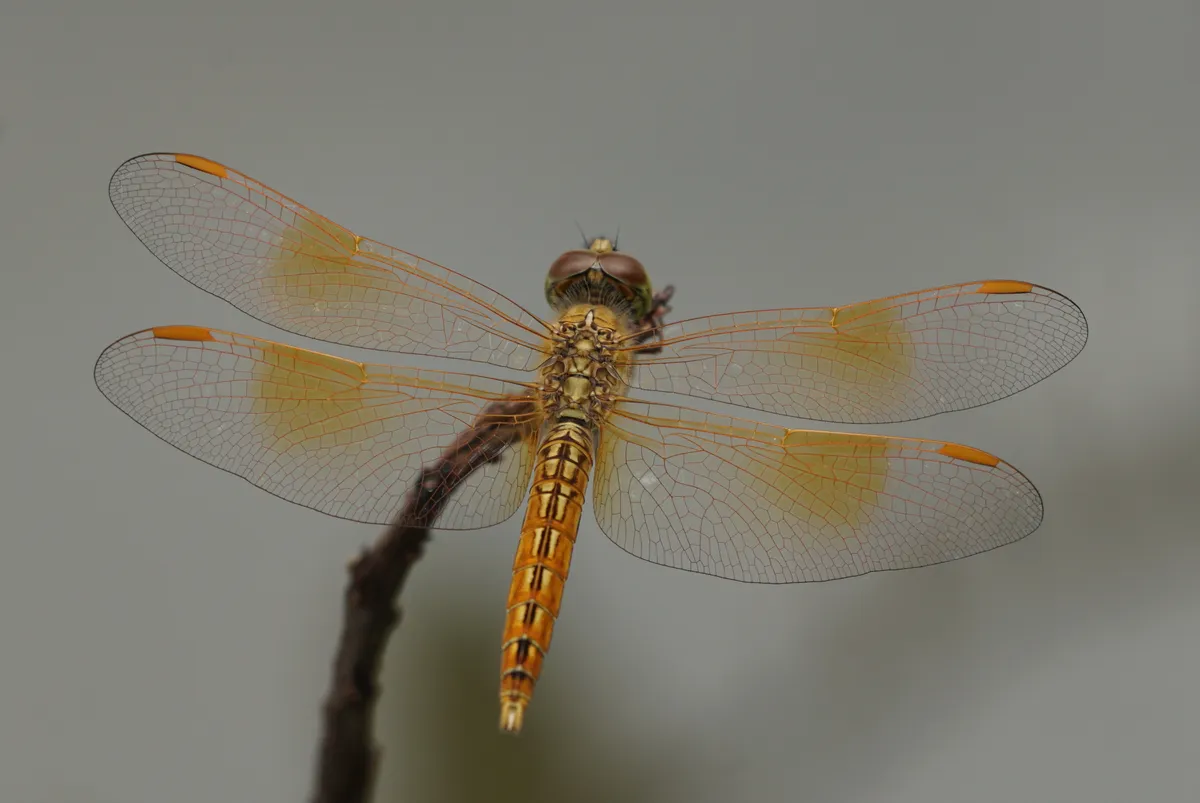
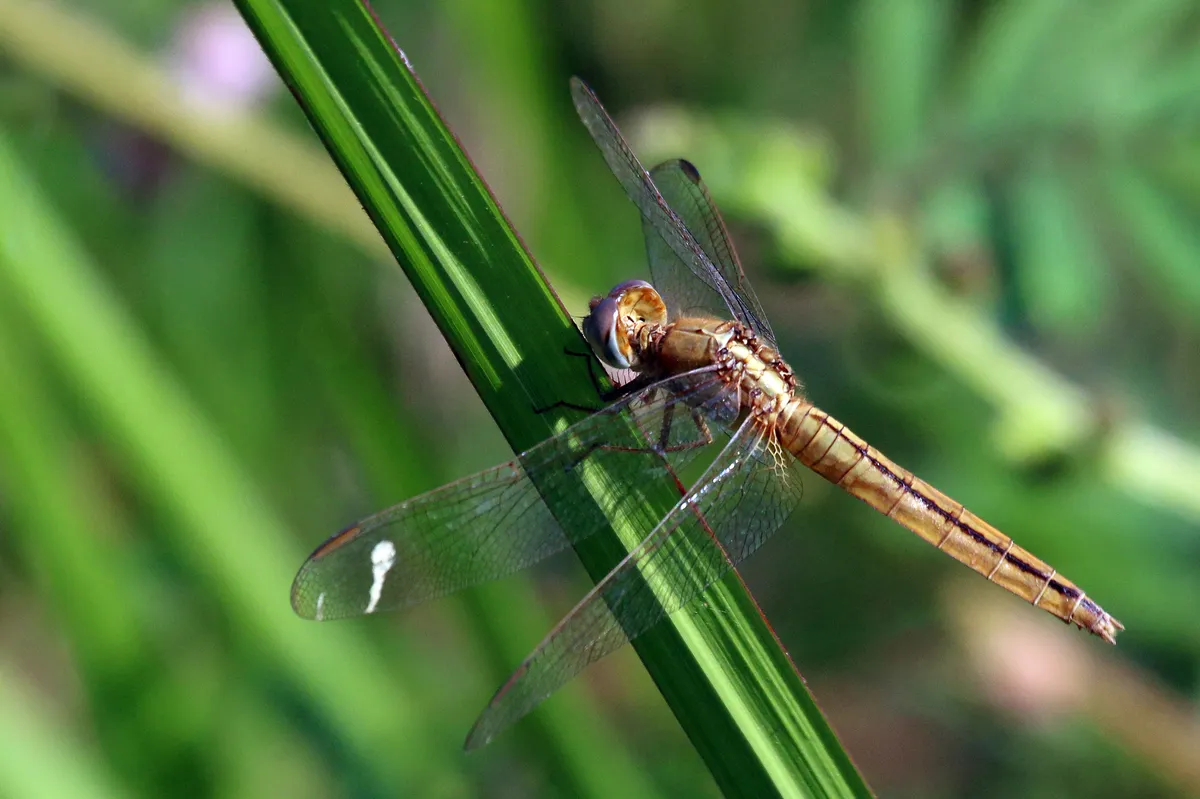
A large dragonfly species native to North America, characterized by its vivid blue coloration and robust body structure. Part of the Libellulidae family, this species is widely distributed across southeastern and eastern United States.
Image Gallery
ADSENSE SLOT
Ecology & Habitat
Habitat
Freshwater ecosystems including ponds, slow-moving streams, wetlands, and small lakes with abundant vegetation and open sunny areas. Primarily found in woodland margins and open water environments in temperate regions.
Ecological Role
Critical predator in aquatic and terrestrial food webs, controlling insect populations. Larvae serve as bioindicators of water quality, while adults contribute to pollination and serve as prey for birds and larger predatory insects.
Morphology
SKIN COATExoskeleton with blue pruinose covering, providing thermal regulation and water resistance.
LIMBS WINGSFour transparent wings with blue-gray coloration, capable of precise aerial maneuverability. Strong, articulated legs for perching and capturing prey.
HEAD SENSORYLarge compound eyes with advanced visual perception, short antennae, and powerful mandibles for predation.
BODY STRUCTURELarge dragonfly, approximately 50-65 mm in total length. Robust and muscular body with broad thorax and strong wings.
Data Source: TaxonHub Database
Image Credit: Andrew Cannizzaro