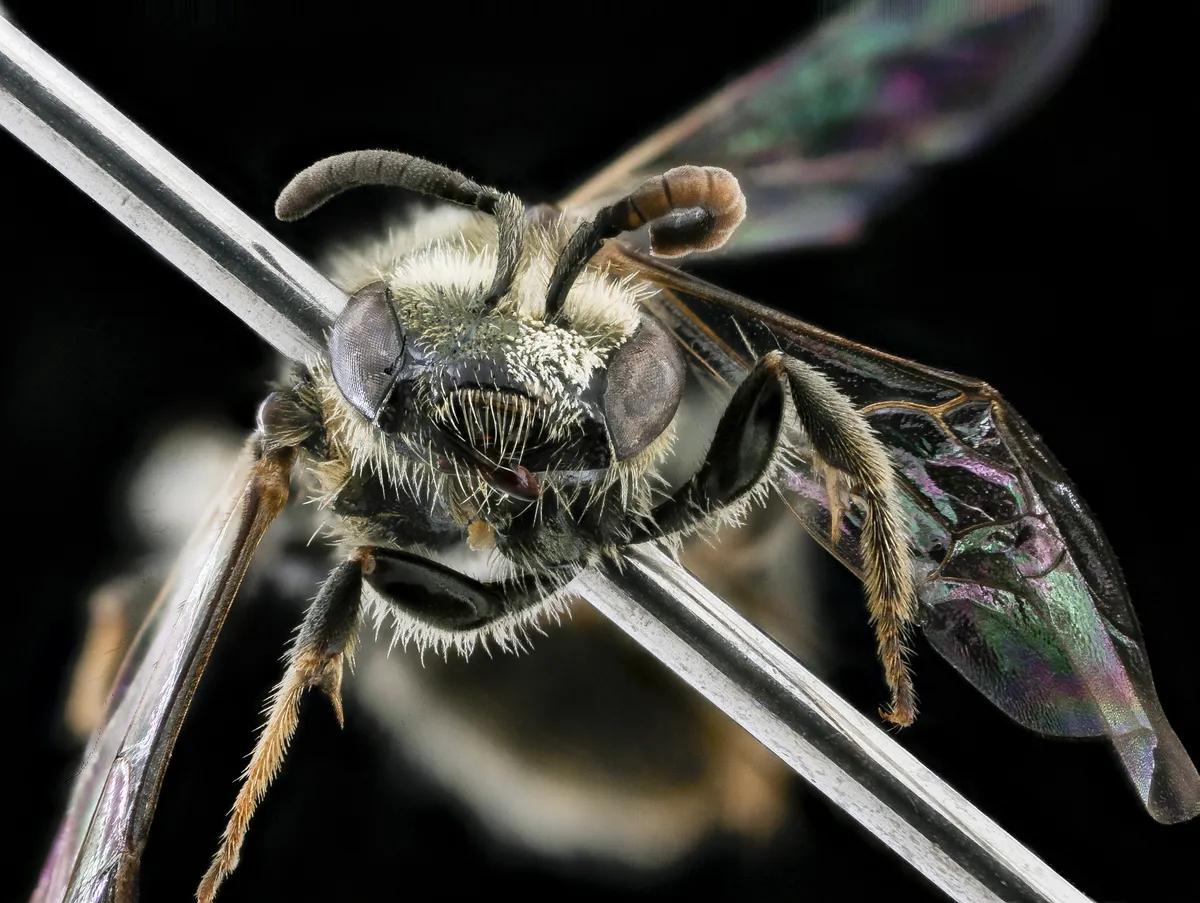
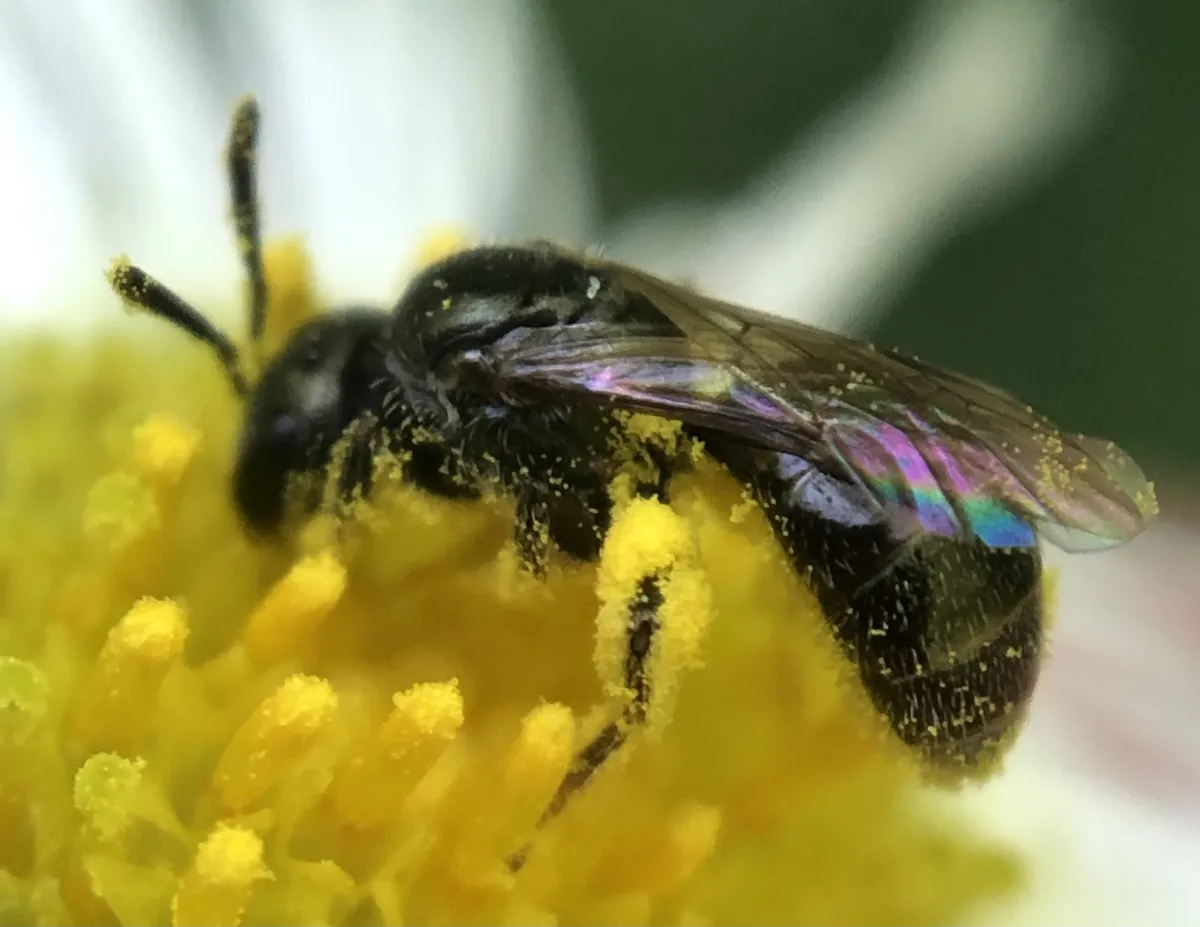
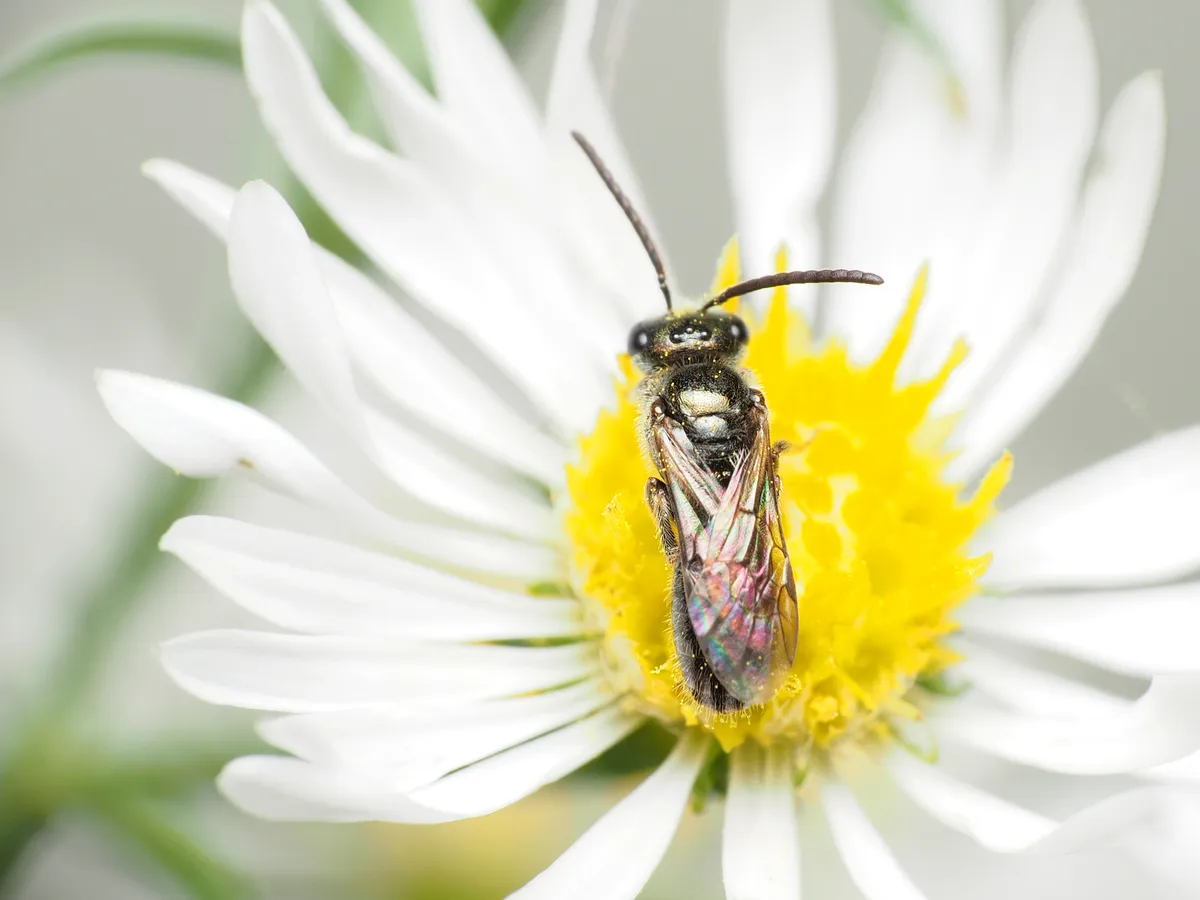
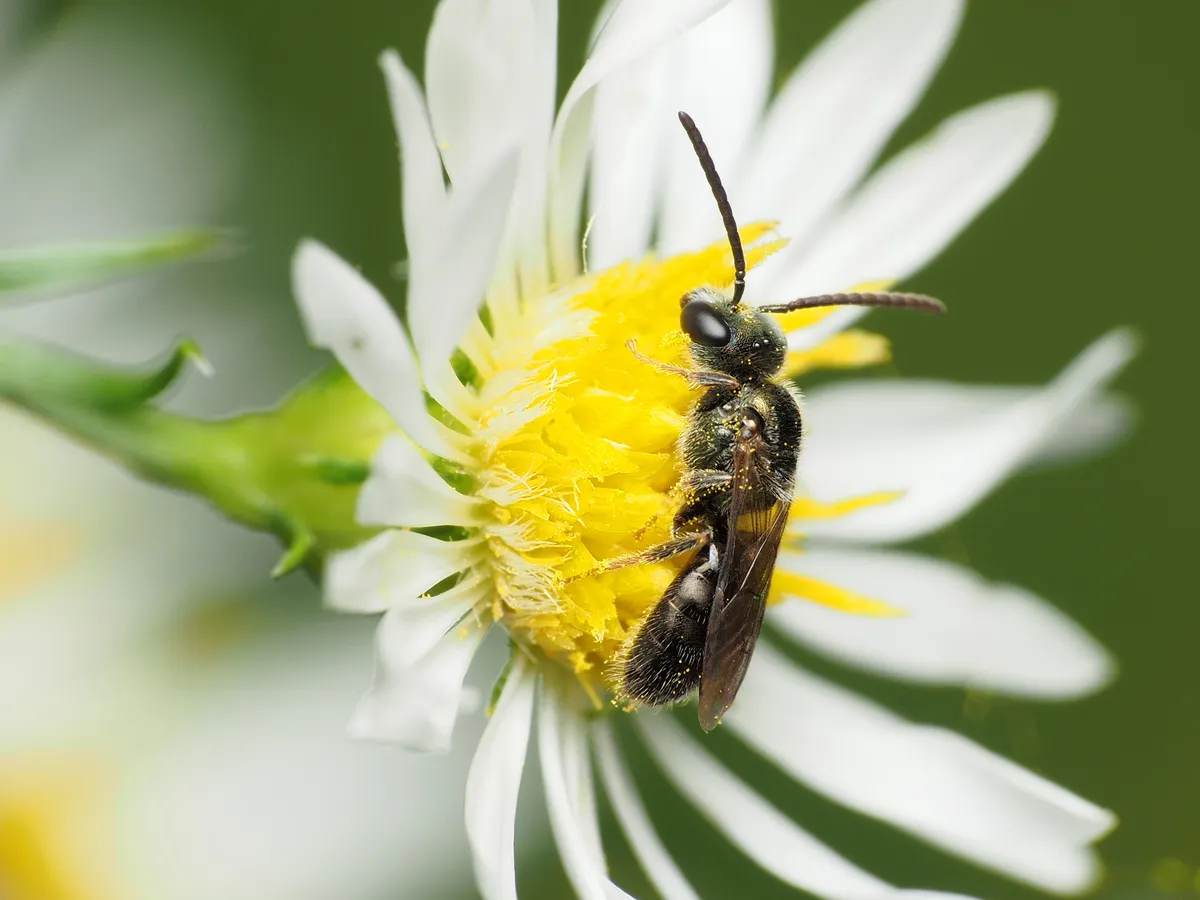
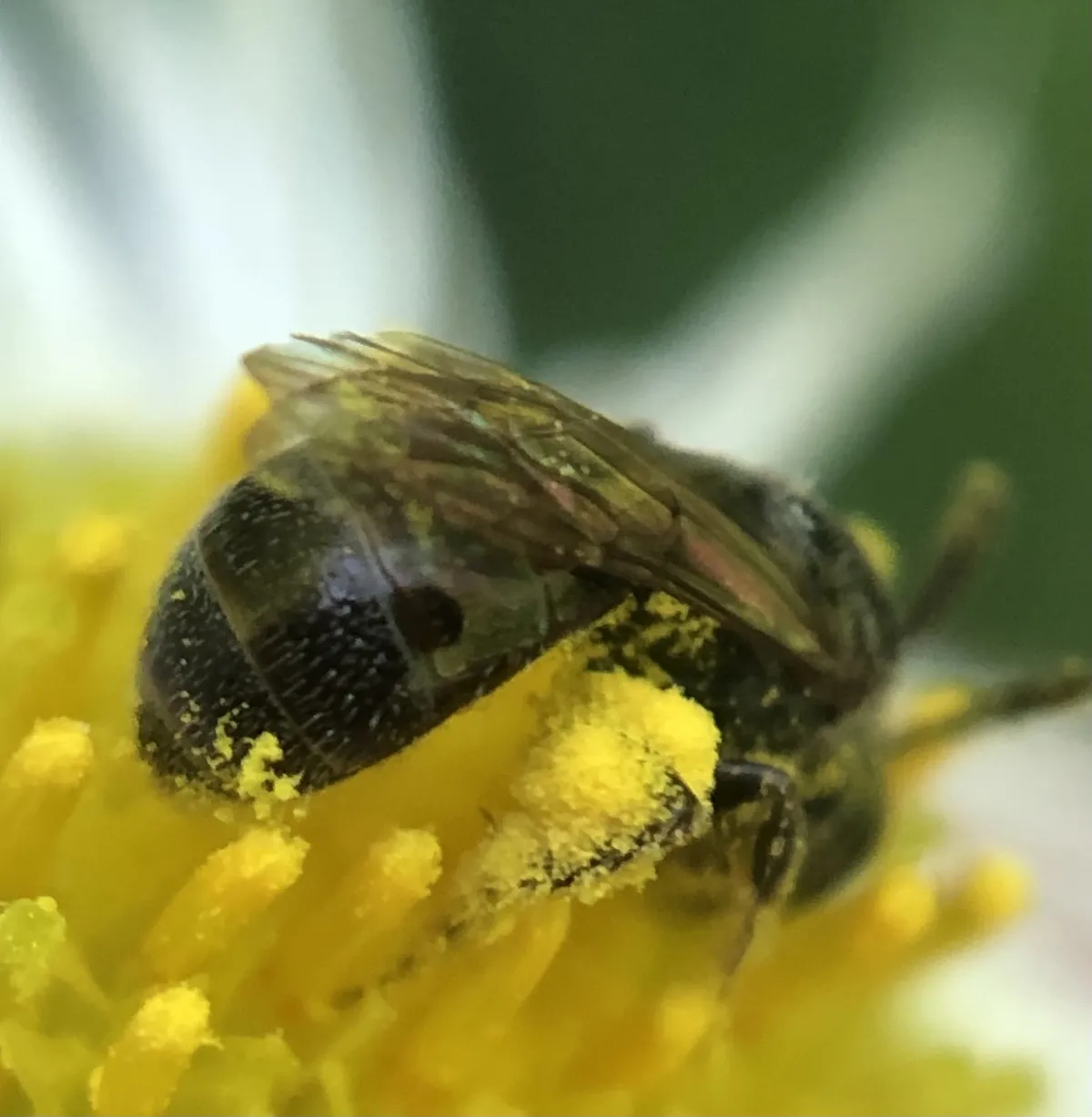
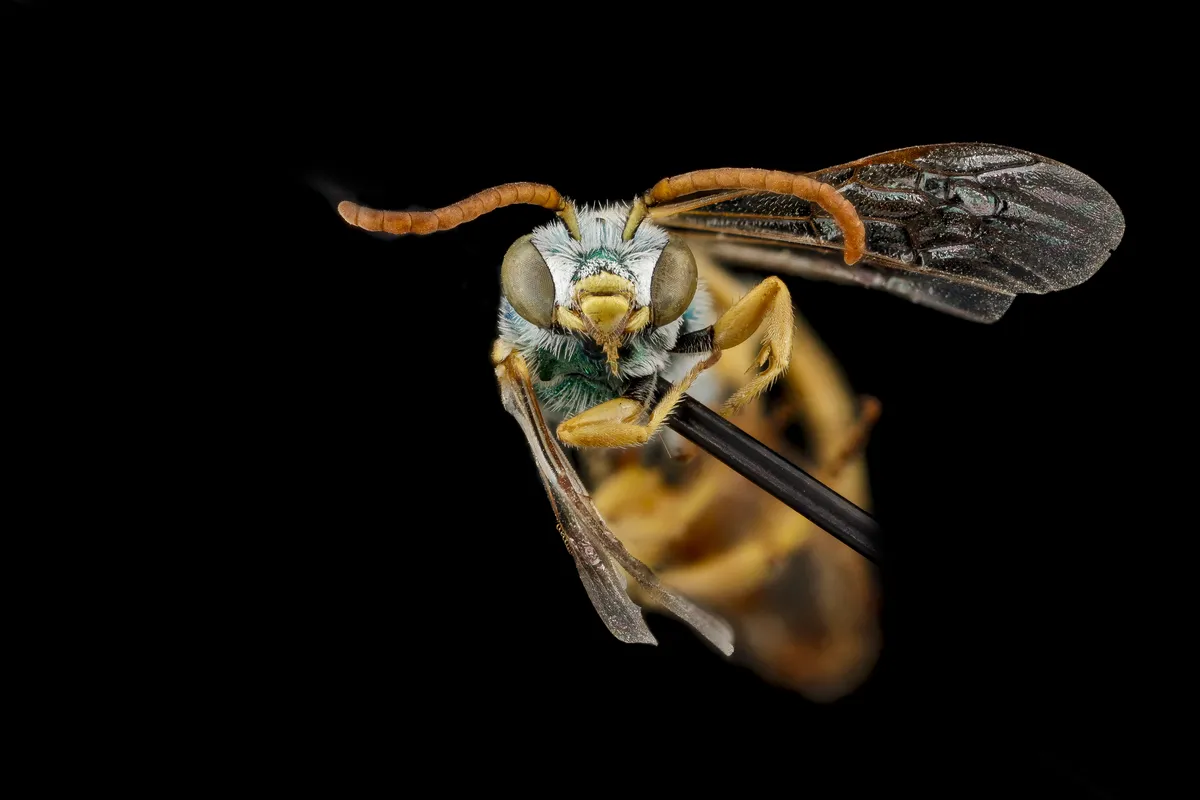
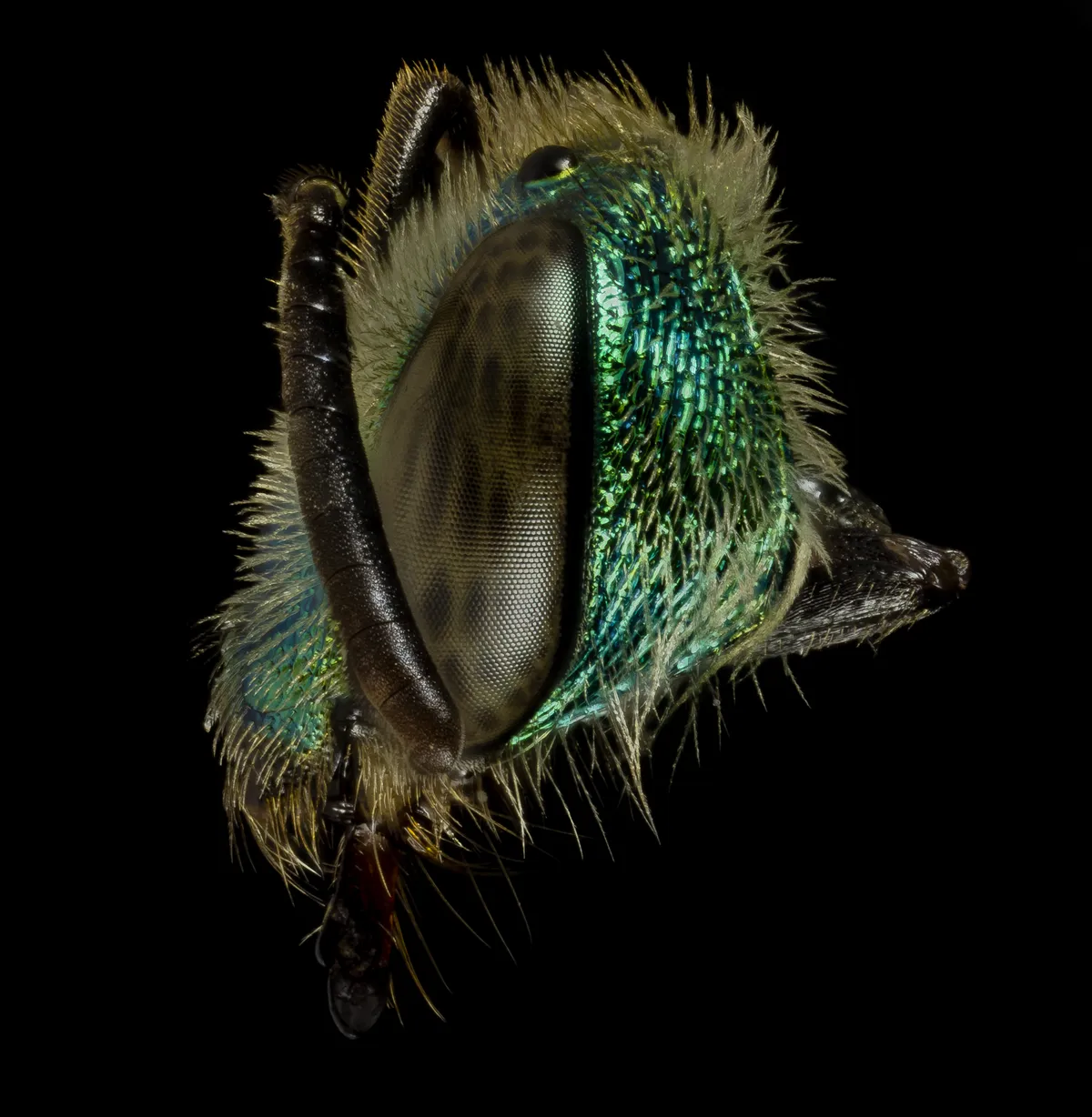
A small solitary bee species within the Halictidae family, characterized by its metallic sheen and dense pilosity. Native to regions with temperate and subtropical climates.
Image Gallery
ADSENSE SLOT
Ecology & Habitat
Habitat
Found in diverse environments including grasslands, meadows, gardens, and agricultural landscapes with flowering plants. Typically nests in soil, creating small underground burrow systems.
Ecological Role
Critical pollinator for wildflowers, crops, and ecosystem biodiversity. Contributes to plant reproduction and maintenance of ecological balance through pollination services.
Morphology
SKIN COATDense pilose covering with metallic green or blue-green exoskeleton. Fine hair layer provides thermal regulation and sensory perception.
LIMBS WINGSTwo pairs of membranous wings, transparent with slight iridescence. Six legs with specialized pollen-collecting structures.
HEAD SENSORYLarge compound eyes, sensitive antennae for environmental navigation and communication. Mandibles adapted for nectar collection and nest construction.
BODY STRUCTURESmall bee, approximately 5-8 mm in length. Compact body with robust thorax and slender abdomen.
Data Source: TaxonHub Database
Image Credit: USGS Bee Inventory and Monitoring Lab from Beltsville, Maryland, USA