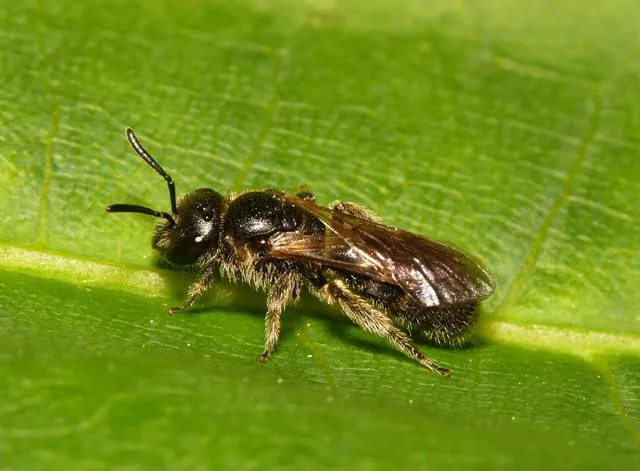
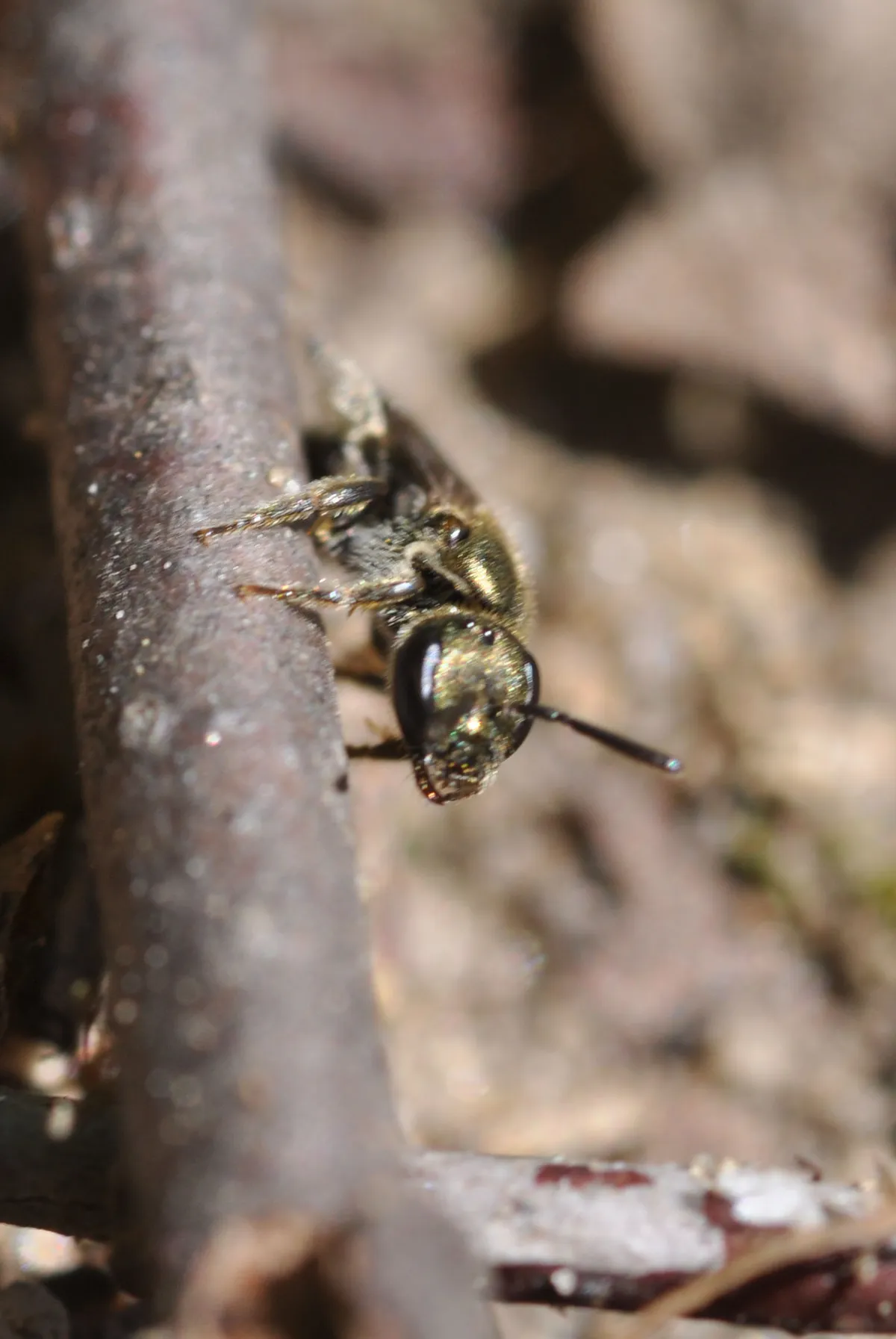
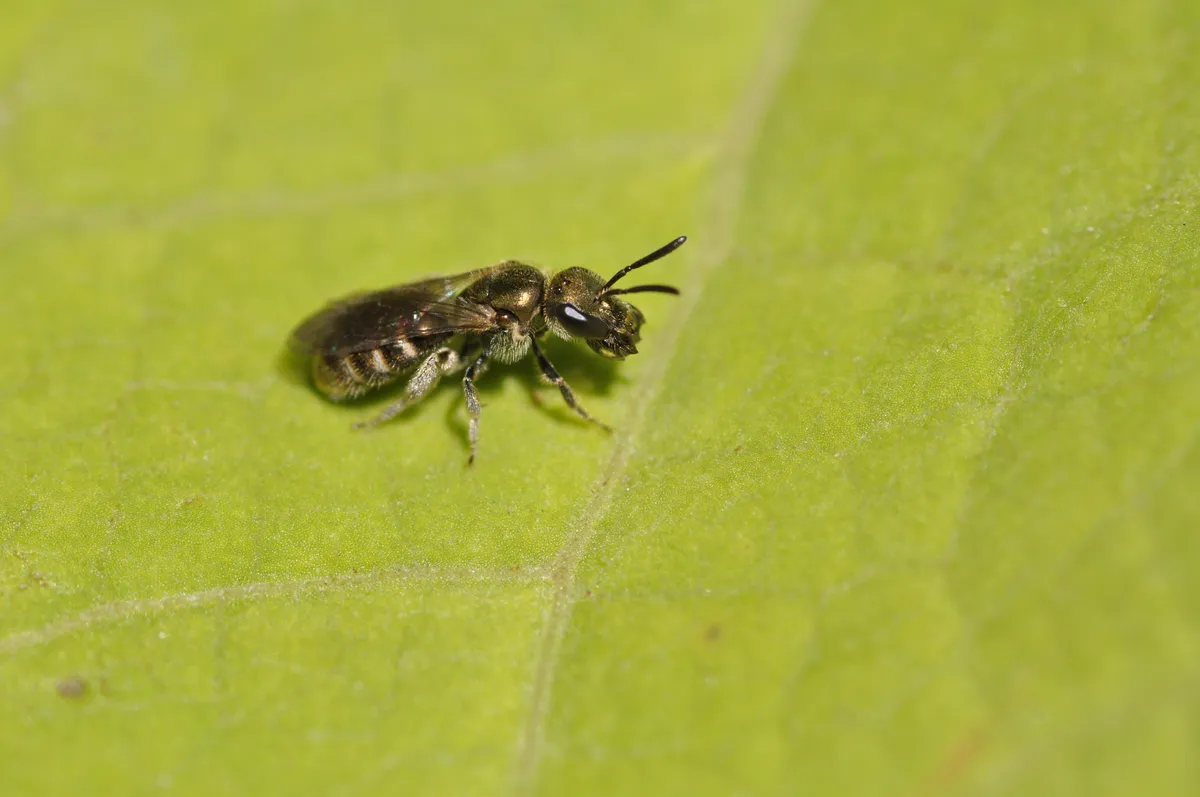
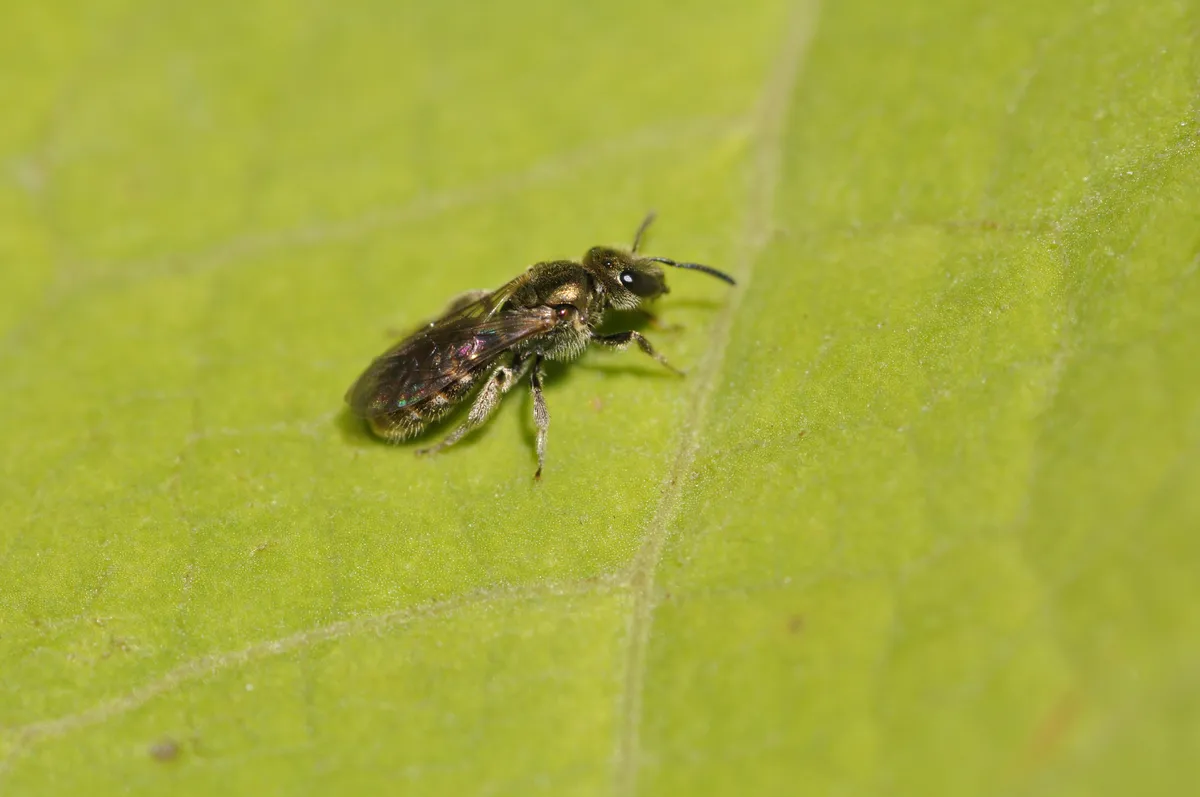
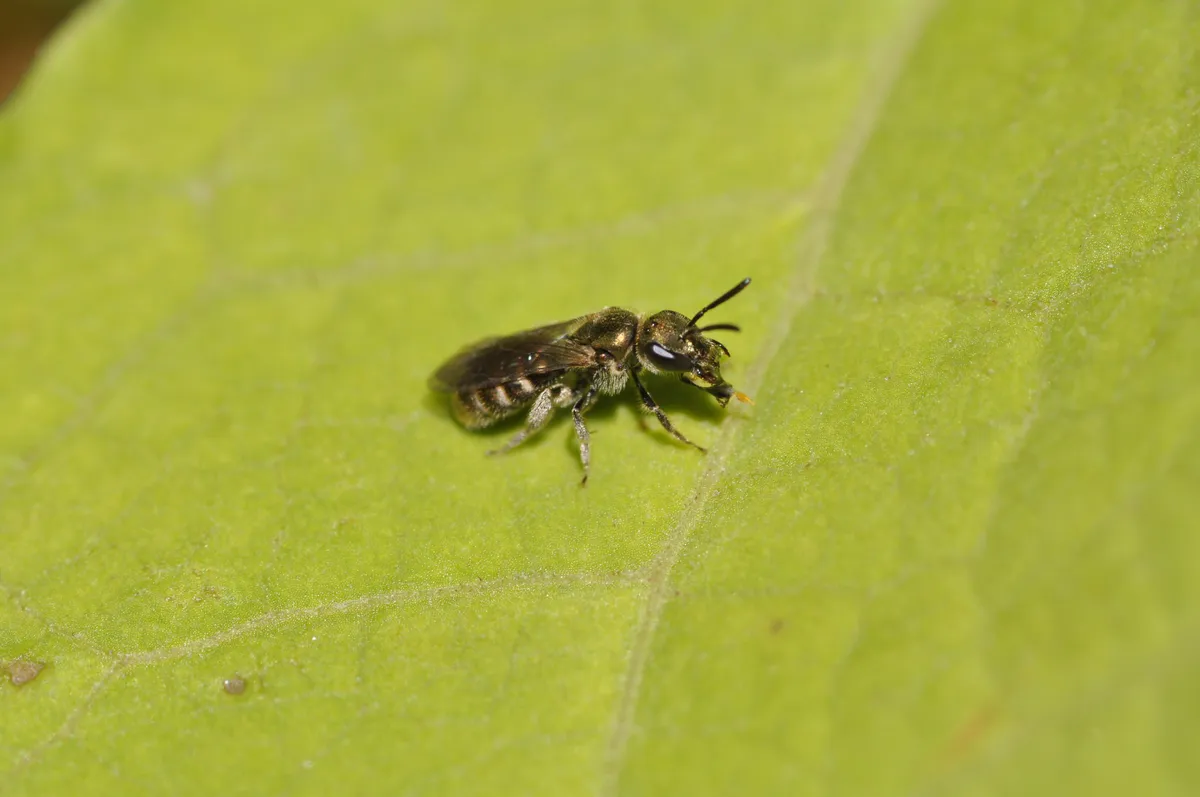
A small halictid bee species native to Europe, characterized by its solitary and ground-nesting behavior. Part of the genus Lasioglossum, this species plays a crucial role in regional pollination ecosystems.
Image Gallery
ADSENSE SLOT
Ecology & Habitat
Habitat
Found in temperate grasslands, meadows, gardens, and agricultural landscapes across Europe. Typically nests in bare soil or sandy ground with minimal vegetation cover.
Ecological Role
Critical pollinator for wildflowers, agricultural crops, and maintaining biodiversity. Contributes to ecosystem health through plant reproduction and supporting food web interactions.
Morphology
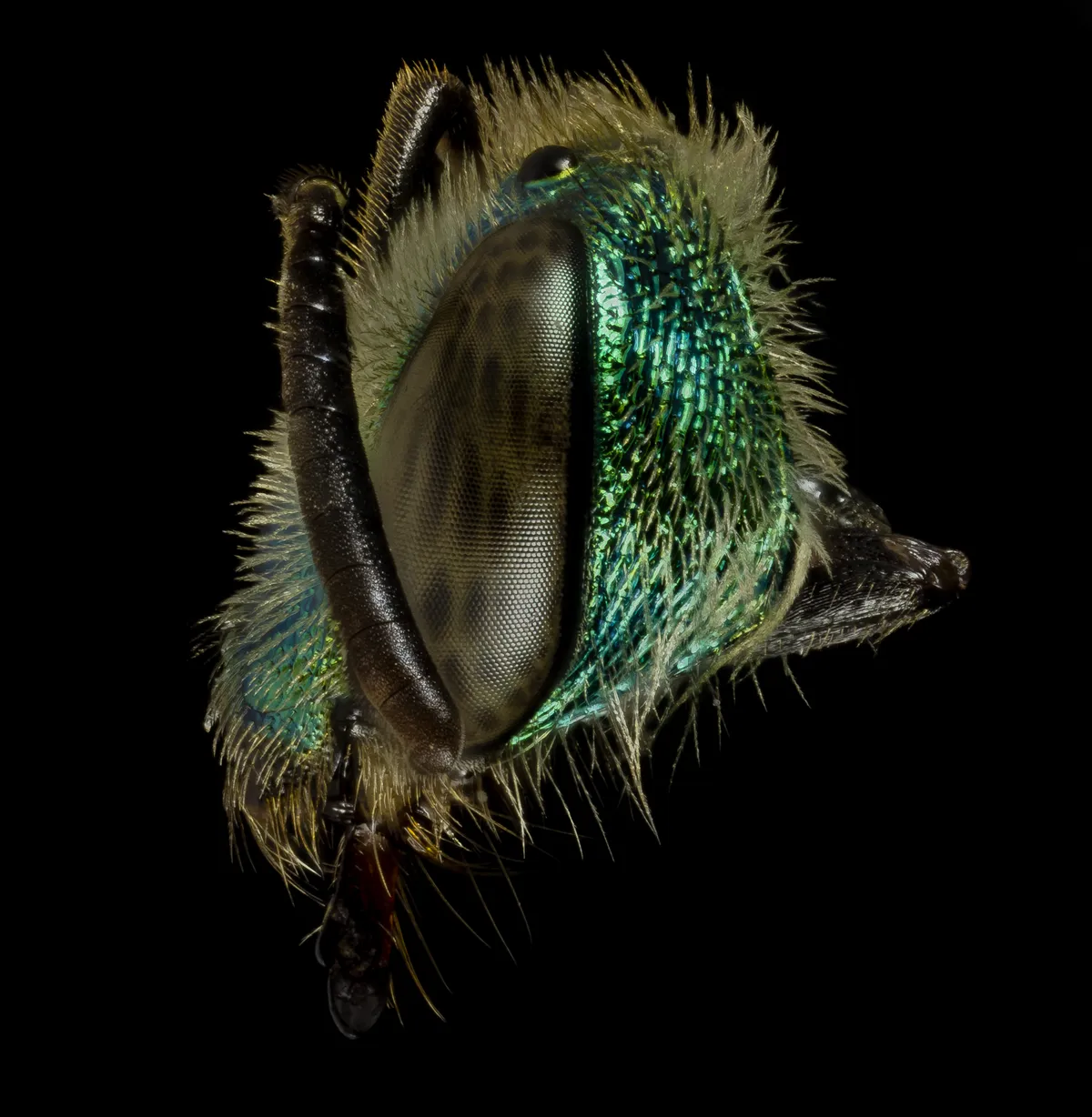
SKIN COATDense microscopical hair coverage facilitating pollen transport and thermal regulation.
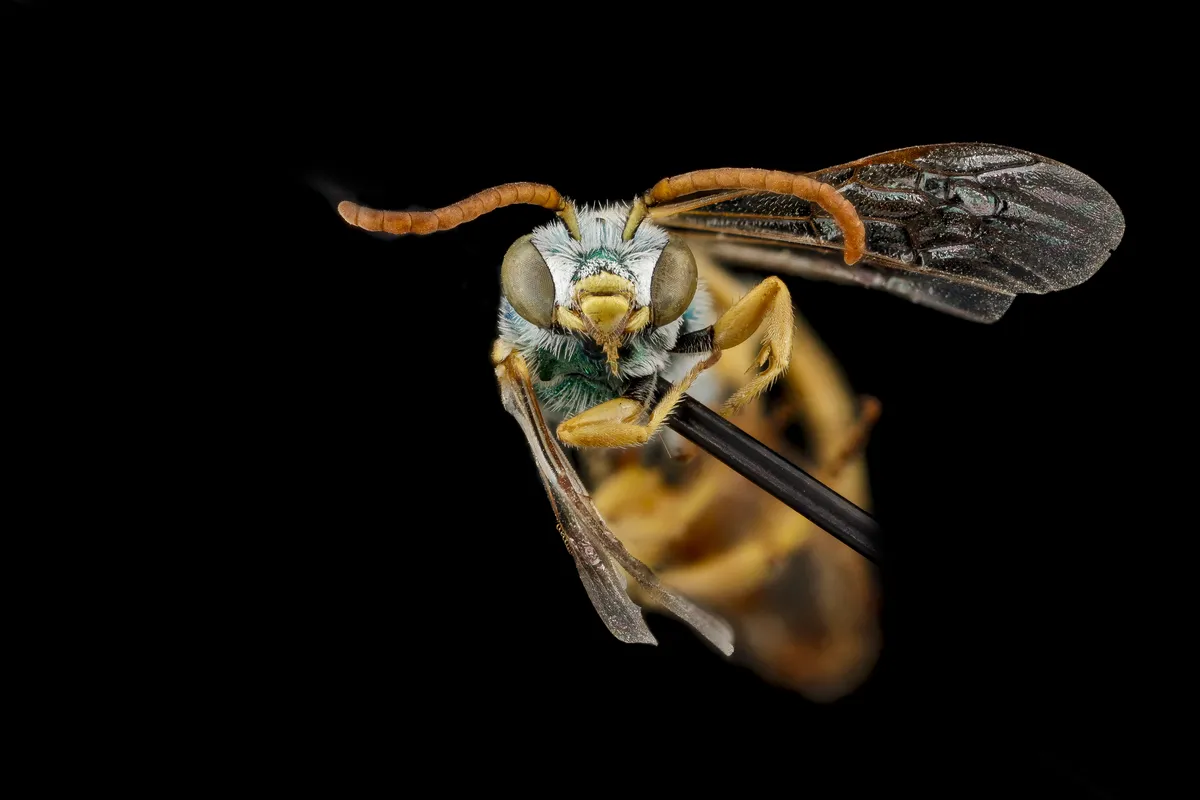
LIMBS WINGSTwo pairs of membranous wings, with specialized structures for efficient flight and pollen collection. Legs adapted for collecting and transporting pollen.
HEAD SENSORYCompound eyes with advanced visual perception. Antennae capable of detecting chemical signals and environmental cues.
BODY STRUCTURESmall bee, approximately 4-6 mm in length. Compact body with dark metallic exoskeleton, typical of halictid bees.