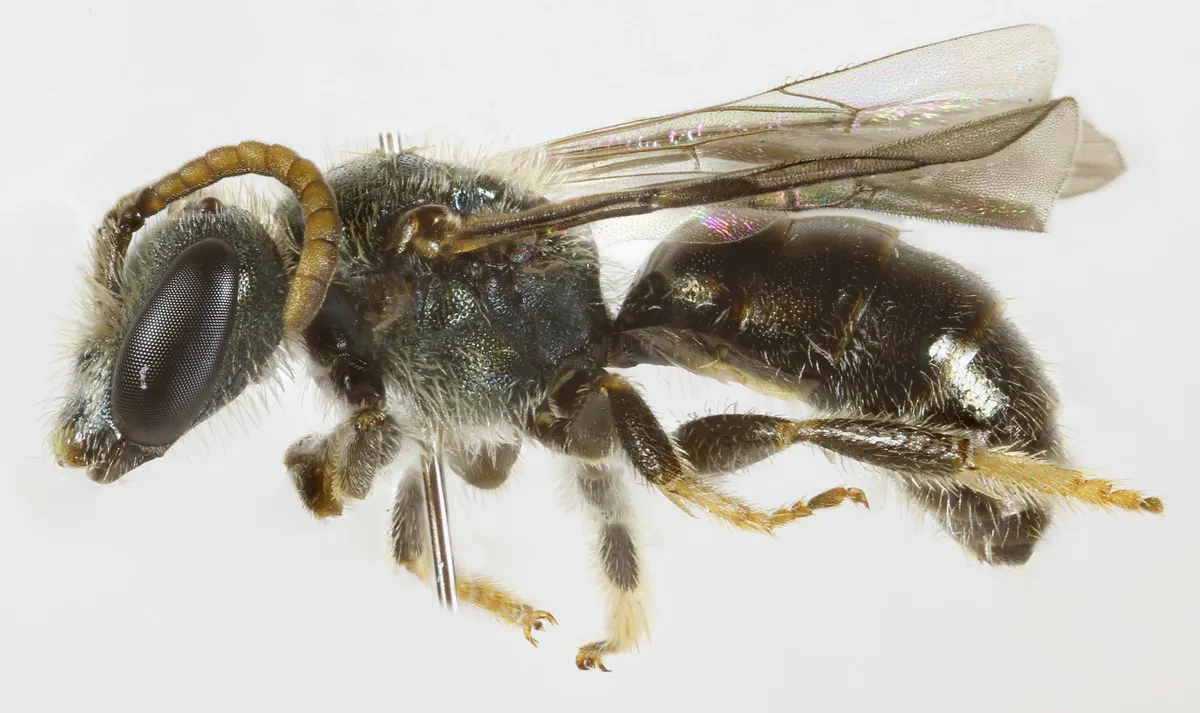
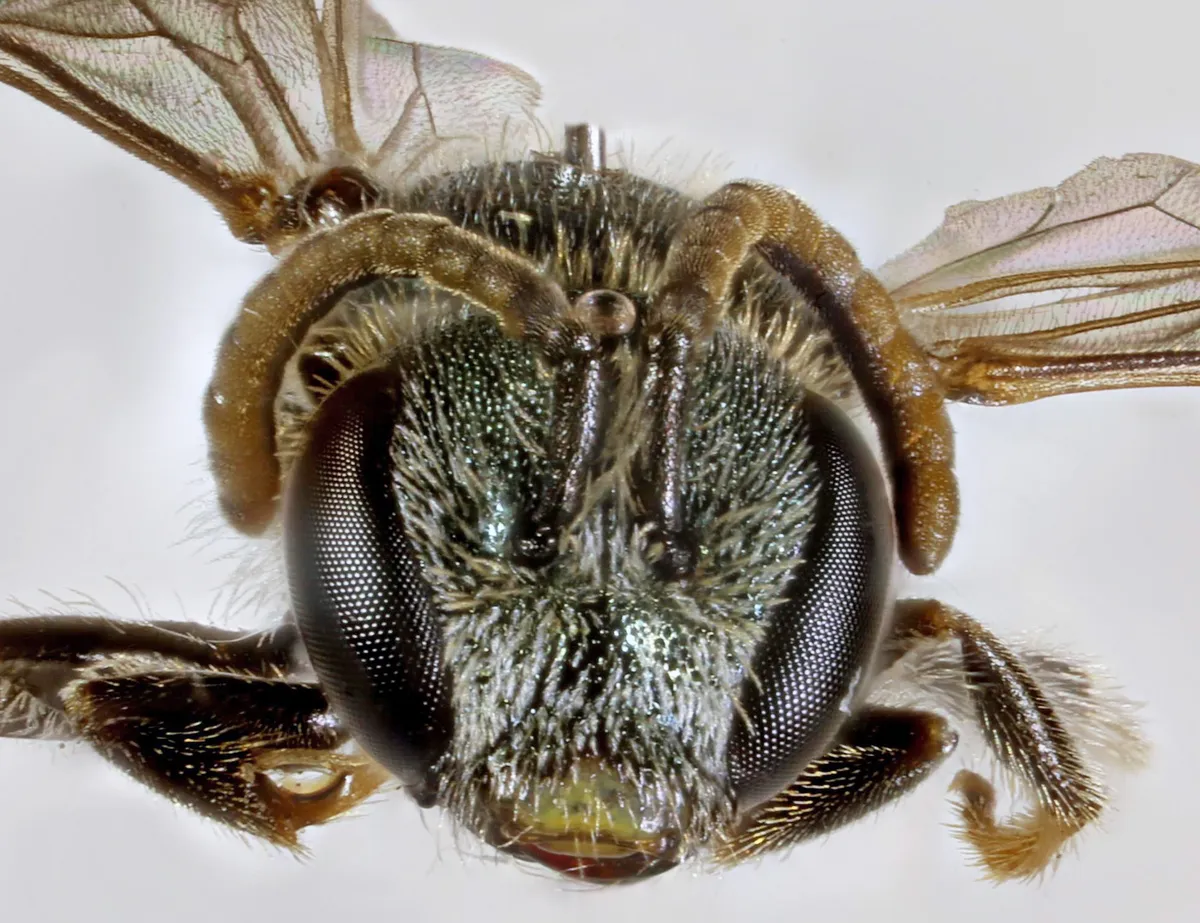
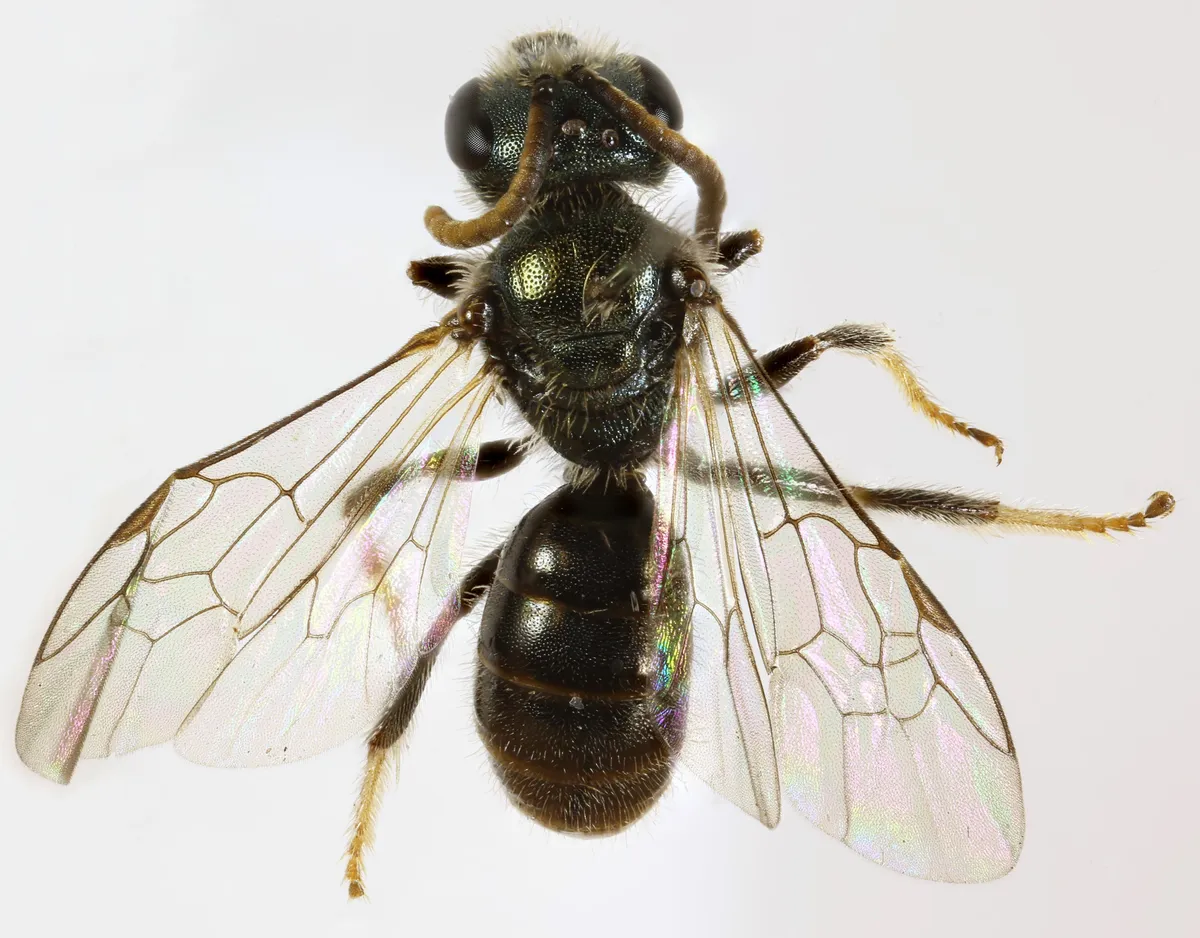
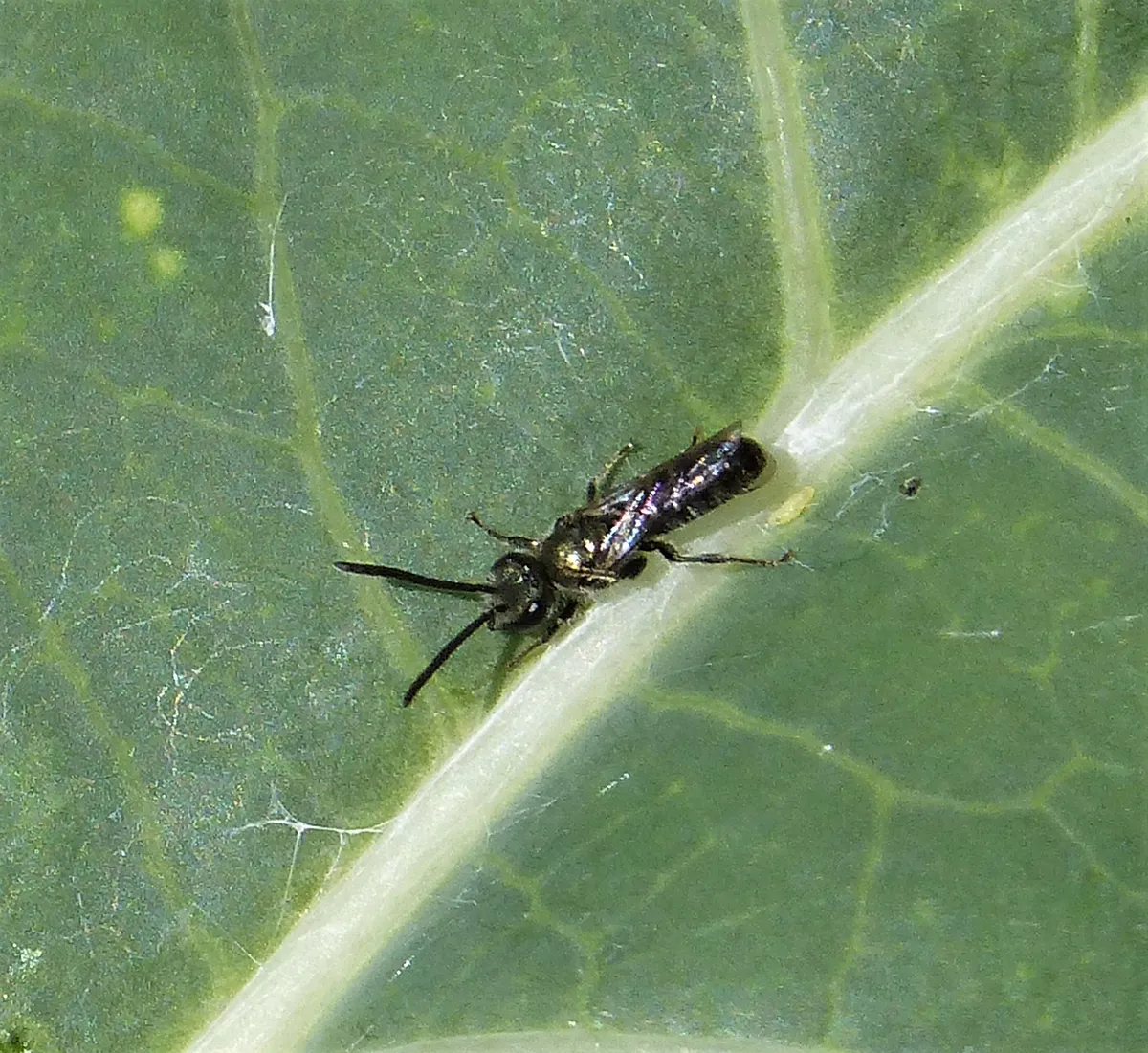
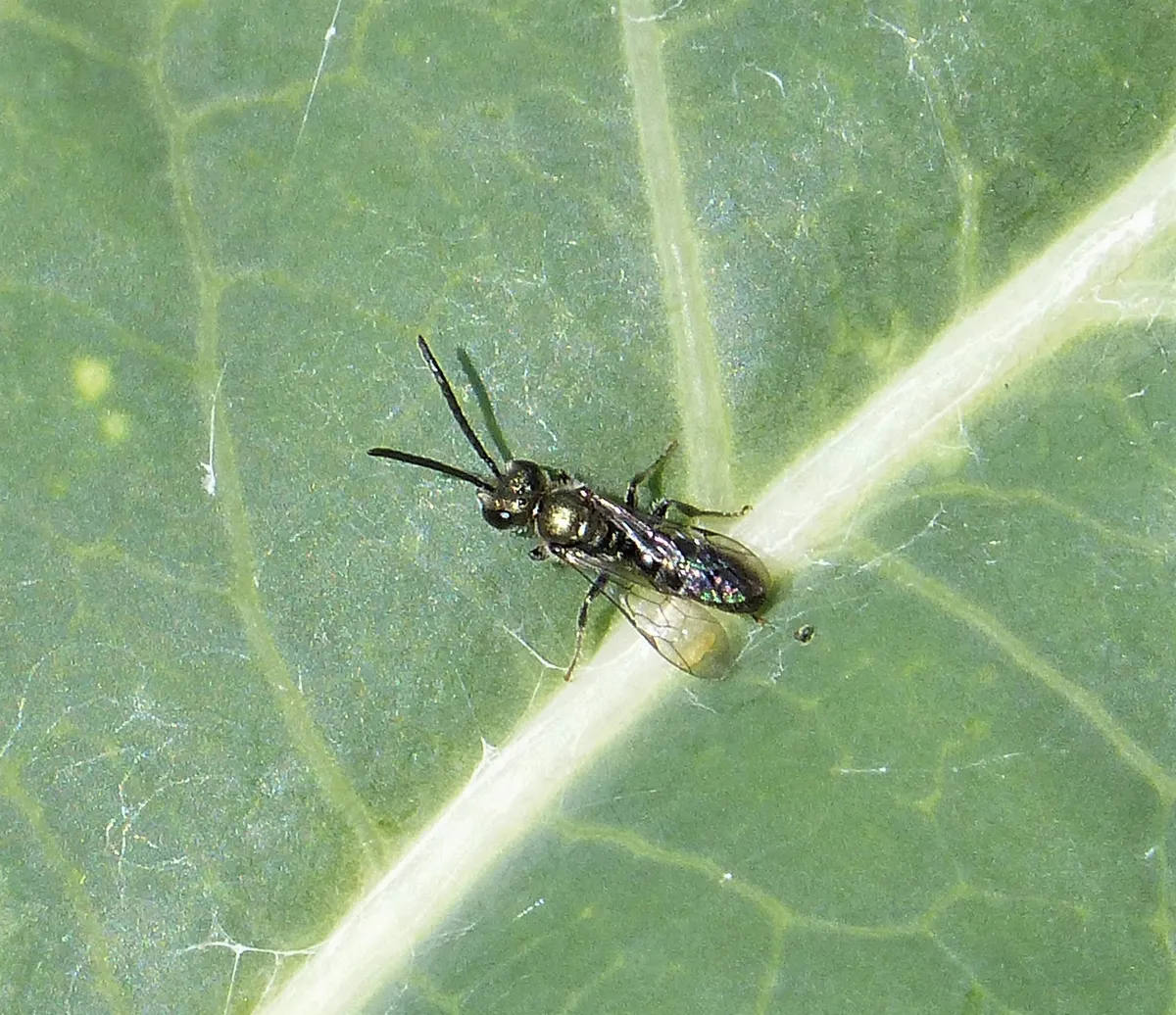
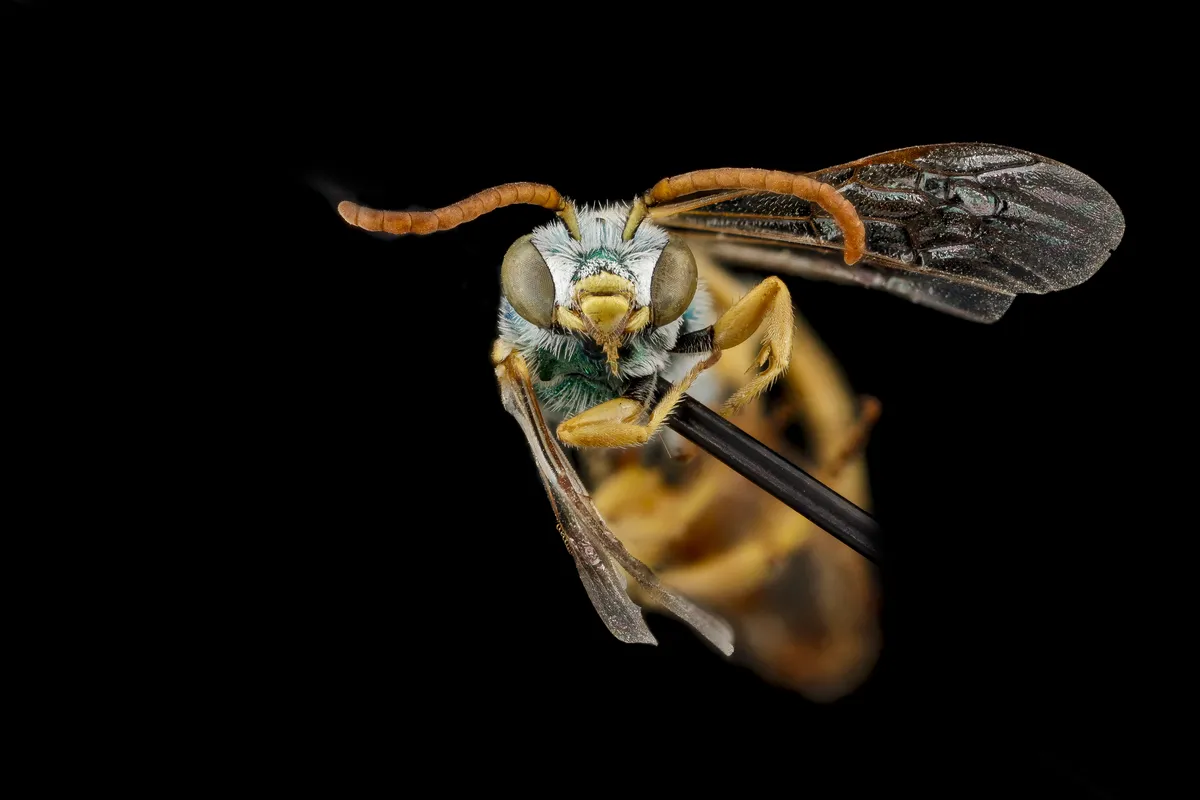
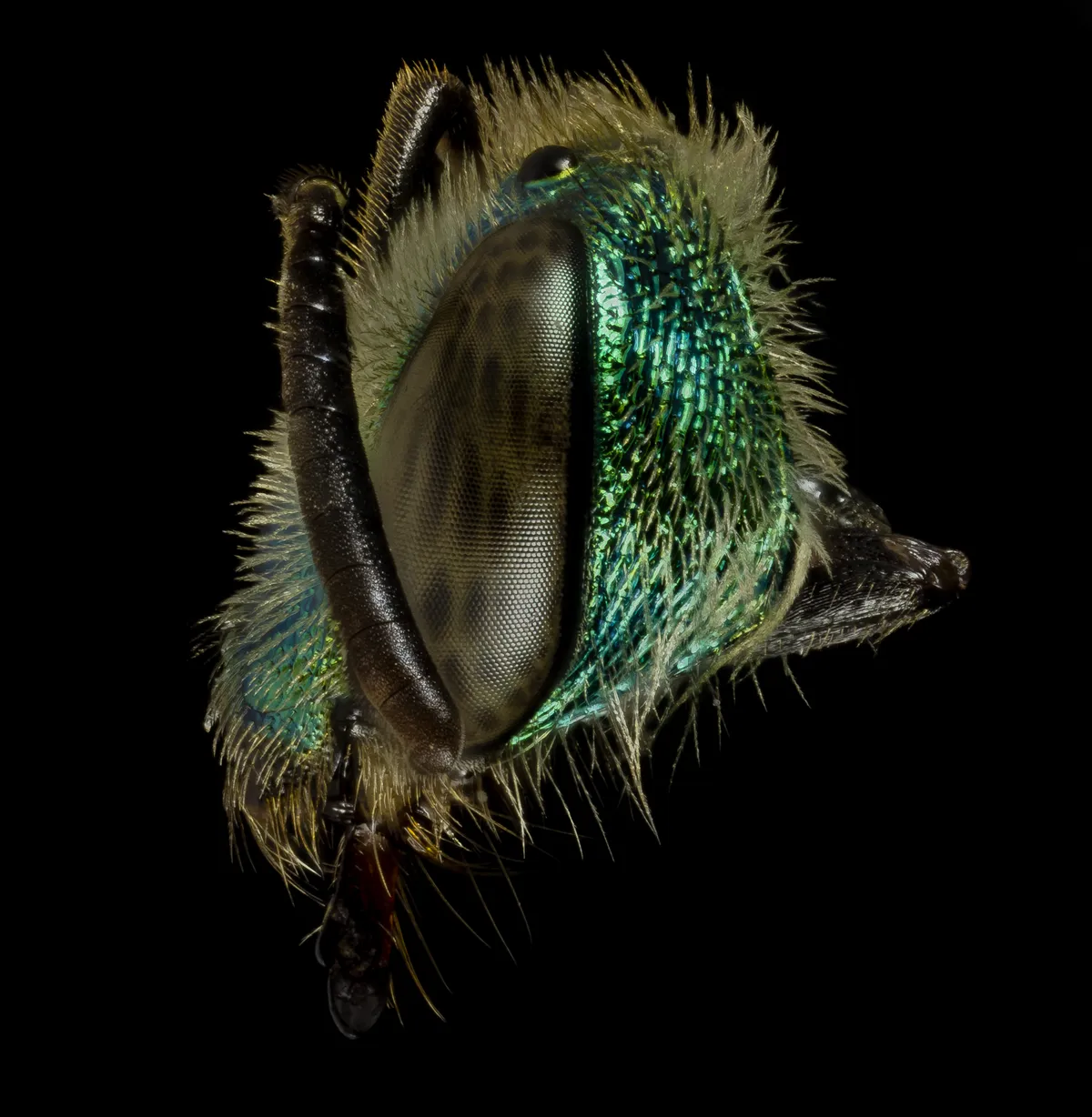
A small solitary bee species belonging to the Halictidae family, native to regions of North America. Characterized by distinctive white-colored leg segments and specialized nesting behaviors in soil environments.
Image Gallery
ADSENSE SLOT
Ecology & Habitat
Habitat
Temperate grasslands, meadows, agricultural margins, and open woodland areas with exposed soil for nesting. Typically found in regions with diverse flowering plant communities.
Ecological Role
Critical pollinator for wildflowers, agricultural crops, and ecosystem maintenance. Contributes to plant reproduction and genetic diversity through selective nectar and pollen collection.
Morphology
SKIN COATDense micropubescent exoskeleton with predominantly dark metallic green or black coloration
LIMBS WINGSTwo pairs of membranous wings, six legs with distinctive white coloration on tarsal segments
HEAD SENSORYCompound eyes, sensitive antennae for environmental navigation and communication
BODY STRUCTURESmall bee, approximately 6-8 mm in body length, with slender exoskeleton and segmented body
Data Source: TaxonHub Database
Image Credit: Janet Graham