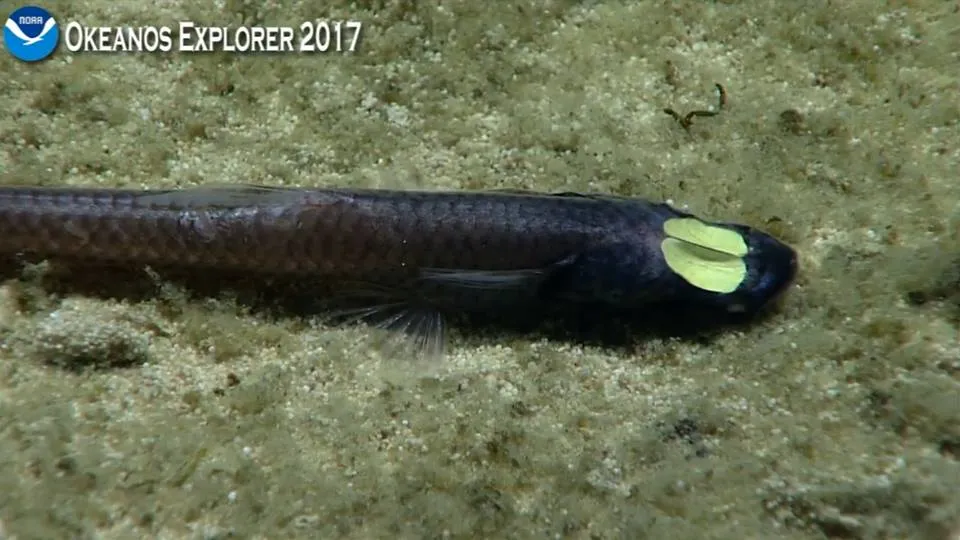
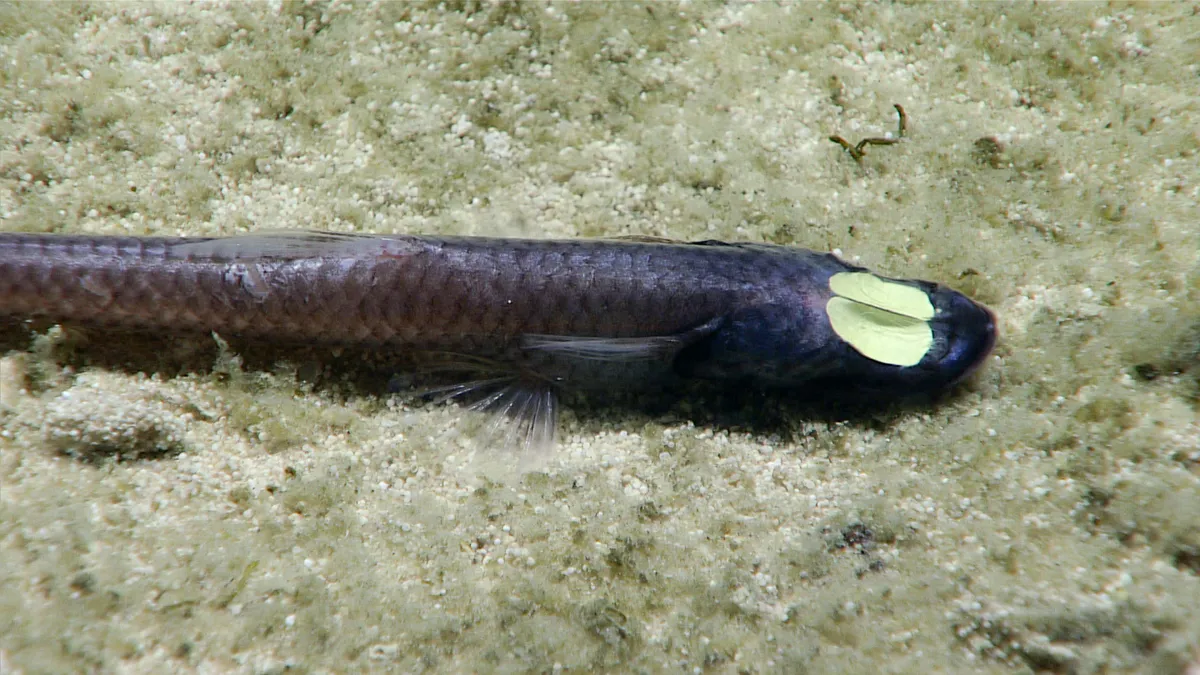
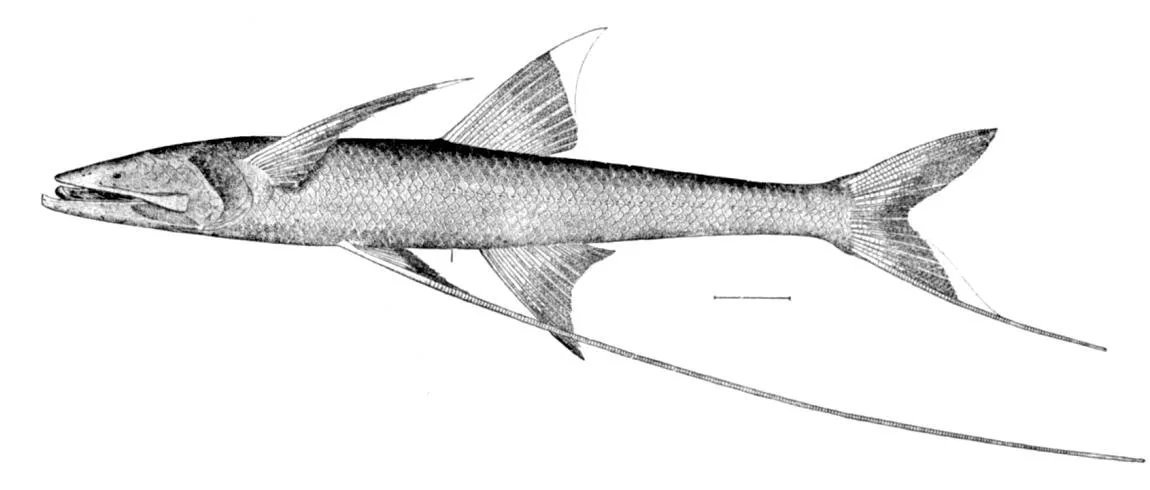
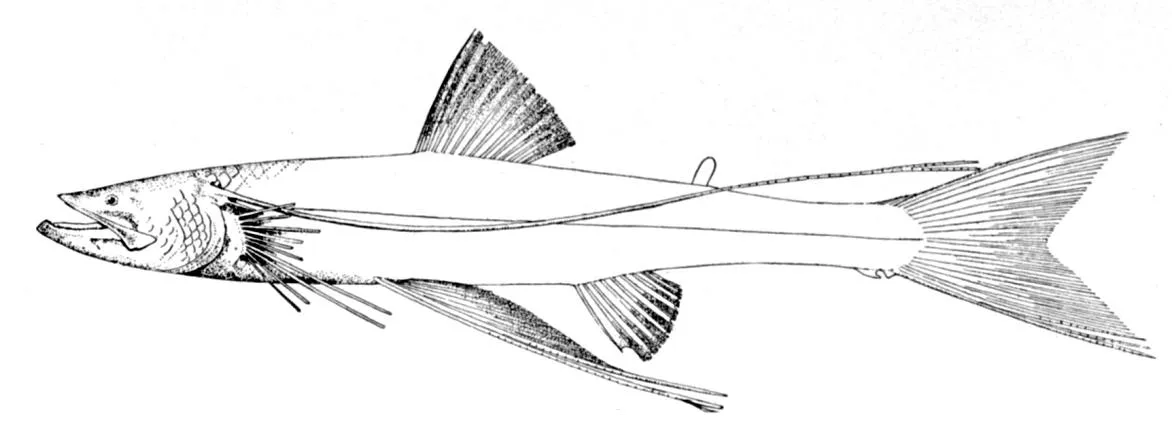
A deep-sea fish species belonging to the family Ipnopidae, characterized by unique adaptations for abyssal marine environments. Known for its highly specialized morphological features that enable survival in extreme deep-ocean conditions.
Image Gallery
ADSENSE SLOT
Ecology & Habitat
Habitat
Deep oceanic zones, typically found at depths between 1,500-4,000 meters in tropical and subtropical regions of the world's oceans, predominantly in benthic and bathypelagic environments.
Ecological Role
Plays a crucial role in deep-sea food webs, serving as a predator and potential prey species. Contributes to nutrient cycling and energy transfer in complex marine ecosystems.
Morphology
SKIN COATThin, translucent skin with potential light-absorbing or reflective properties to aid in camouflage and energy conservation.
LIMBS WINGSMinimal fin structures, streamlined for efficient movement in high-pressure deep-sea conditions.
HEAD SENSORYHighly developed sensory structures, including specialized lateral line system and potential bioluminescent adaptations for communication and predation in complete darkness.
BODY STRUCTUREElongated, slender body with reduced musculature, adapted for energy conservation in low-nutrient deep-sea environments. Total length typically ranges between 15-25 cm.
Data Source: TaxonHub Database
Image Credit: NOAA Okeanos Explorer