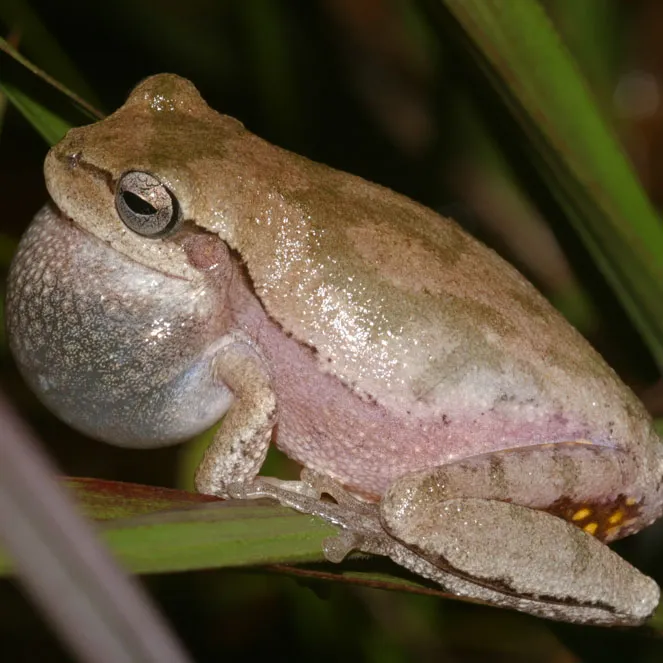
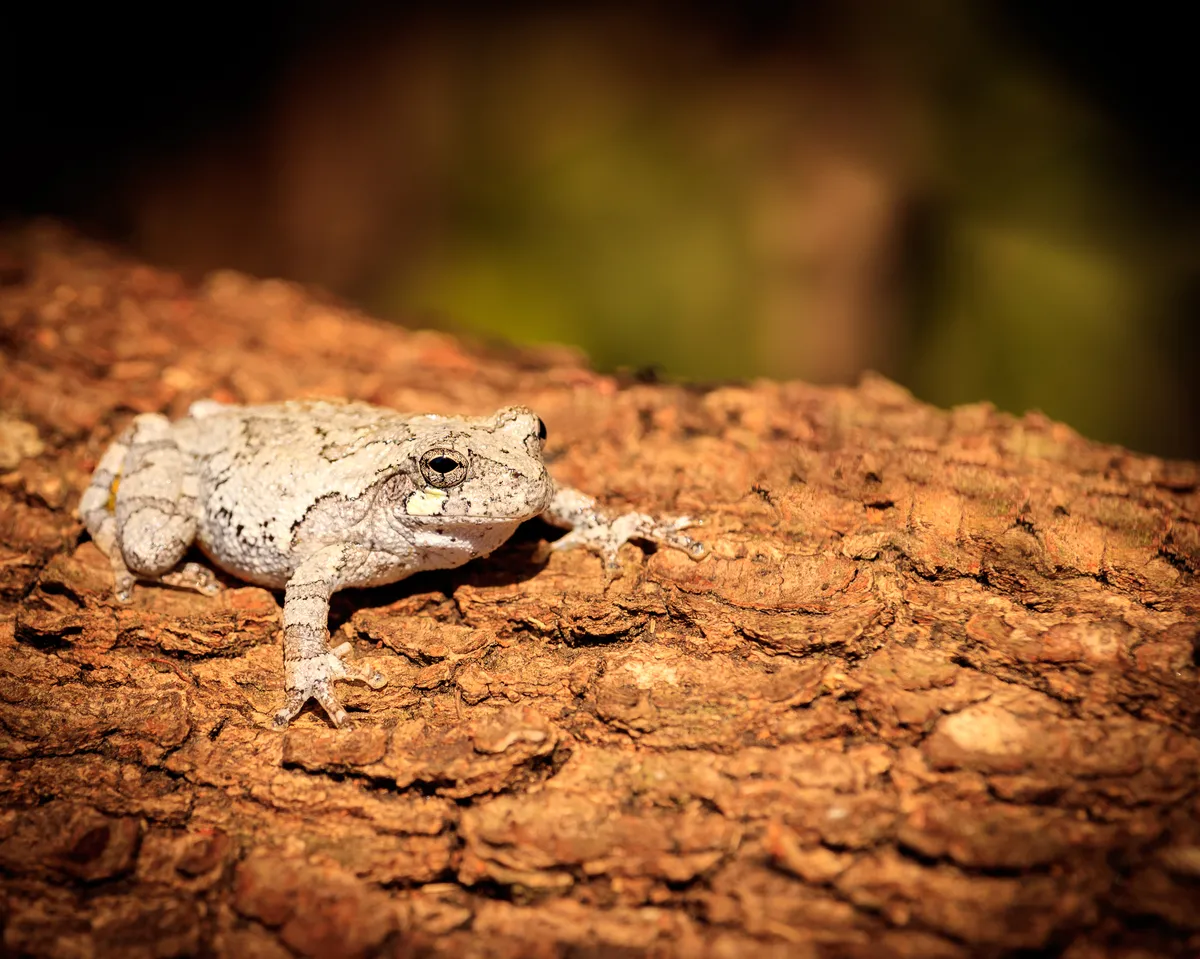
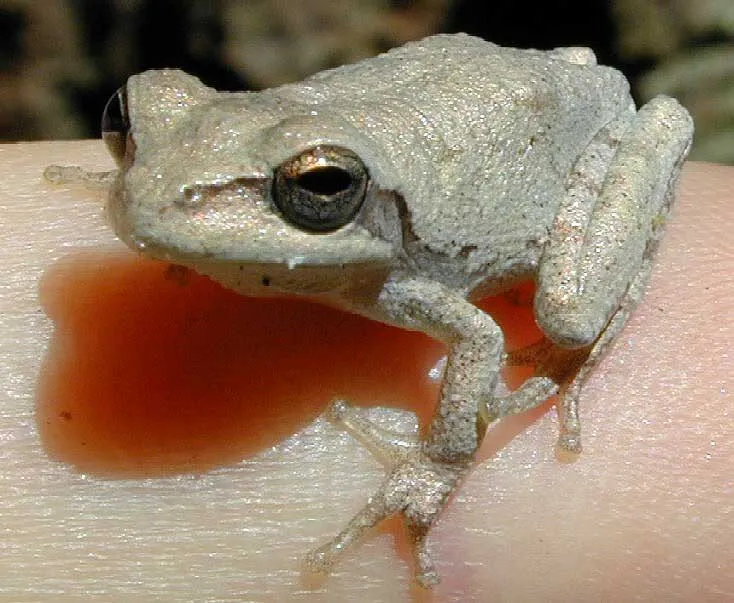
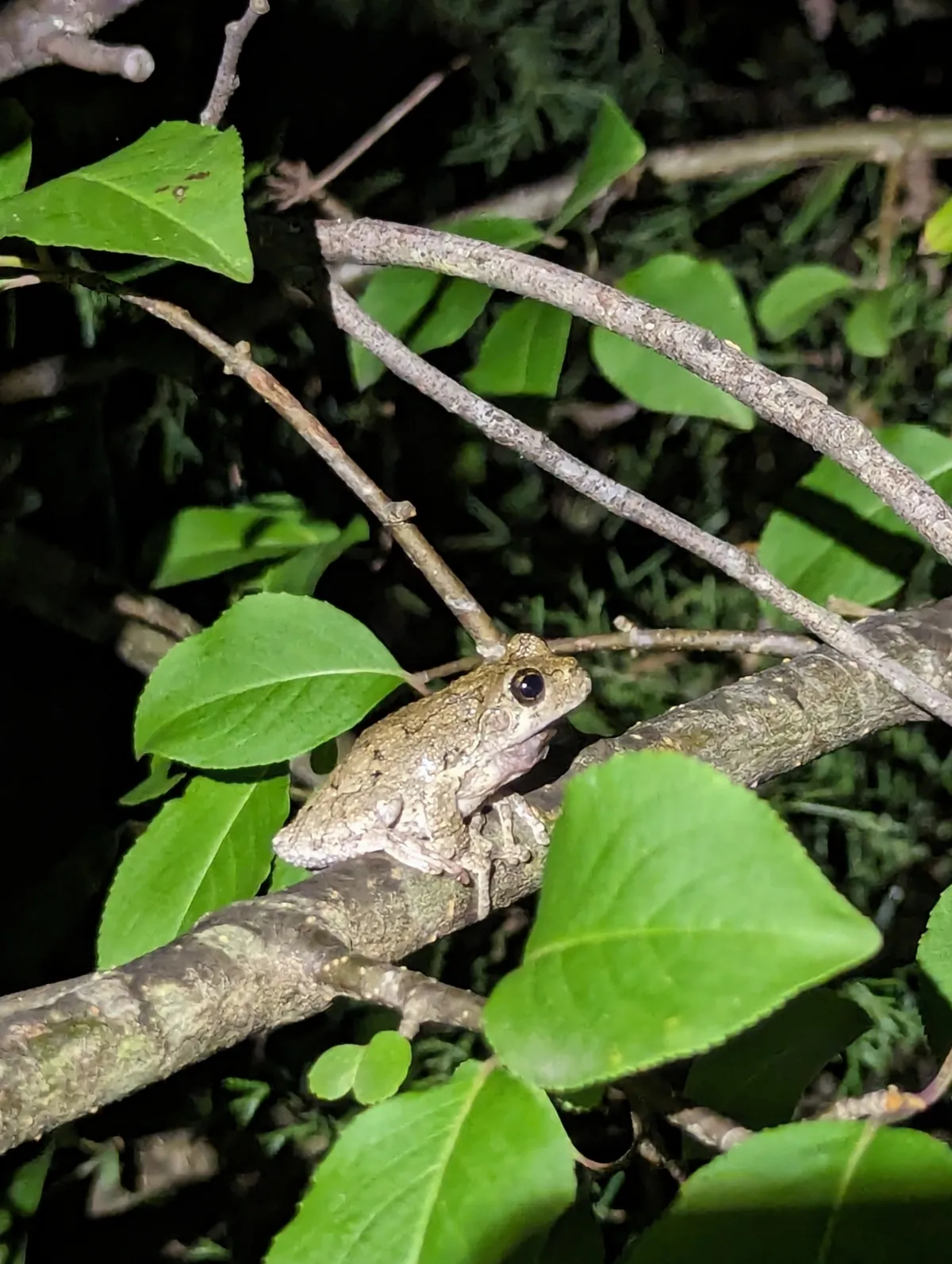
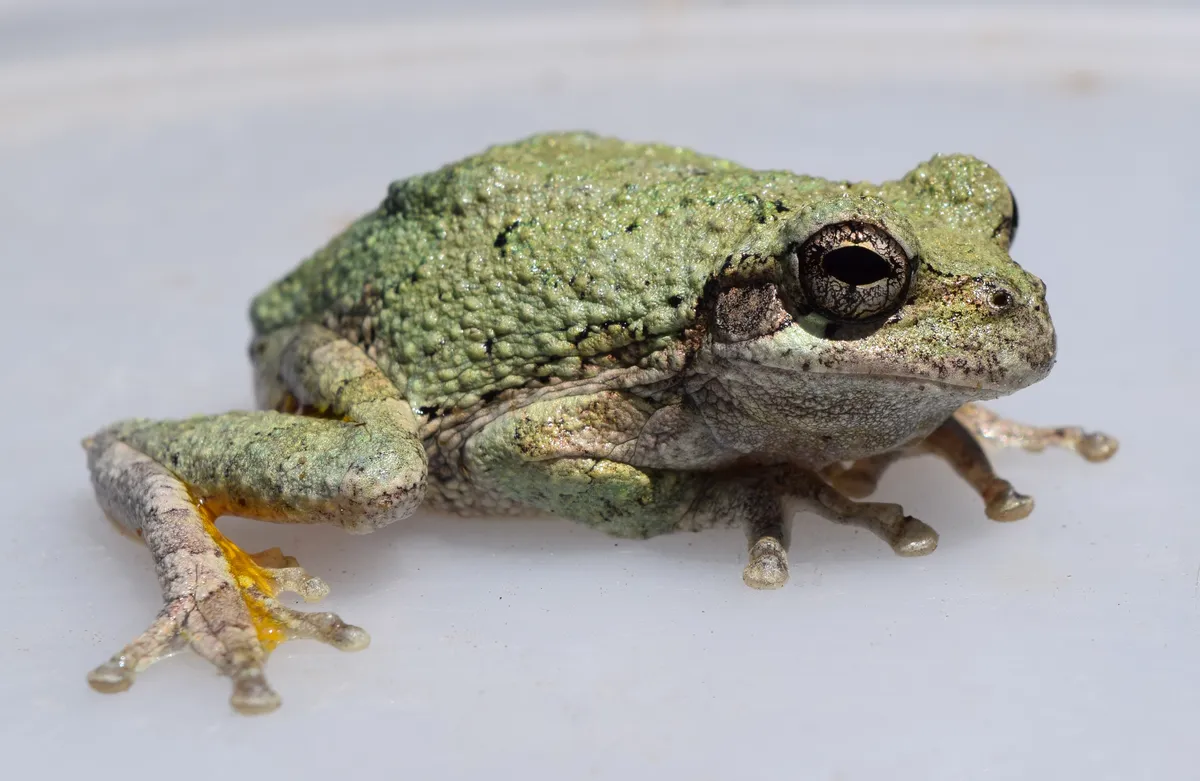
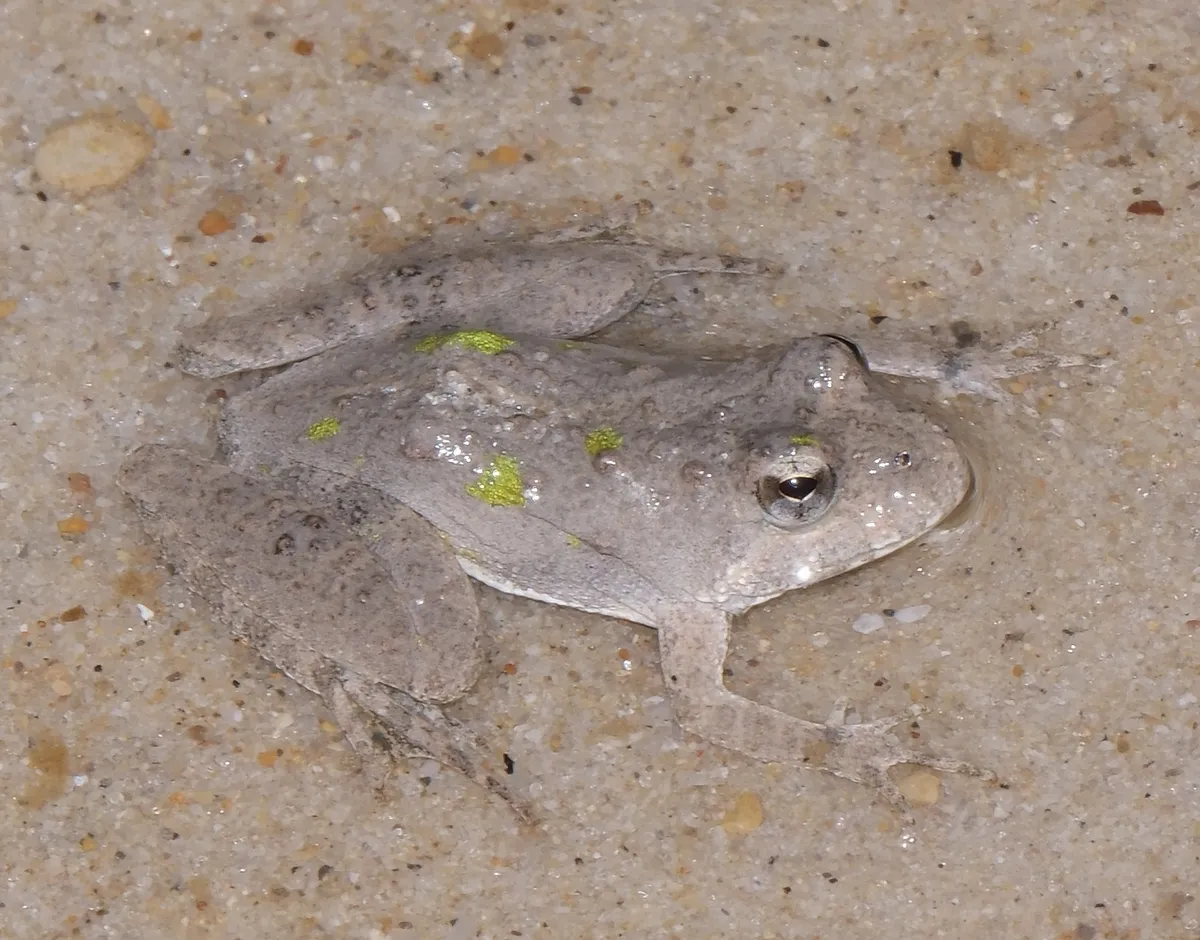
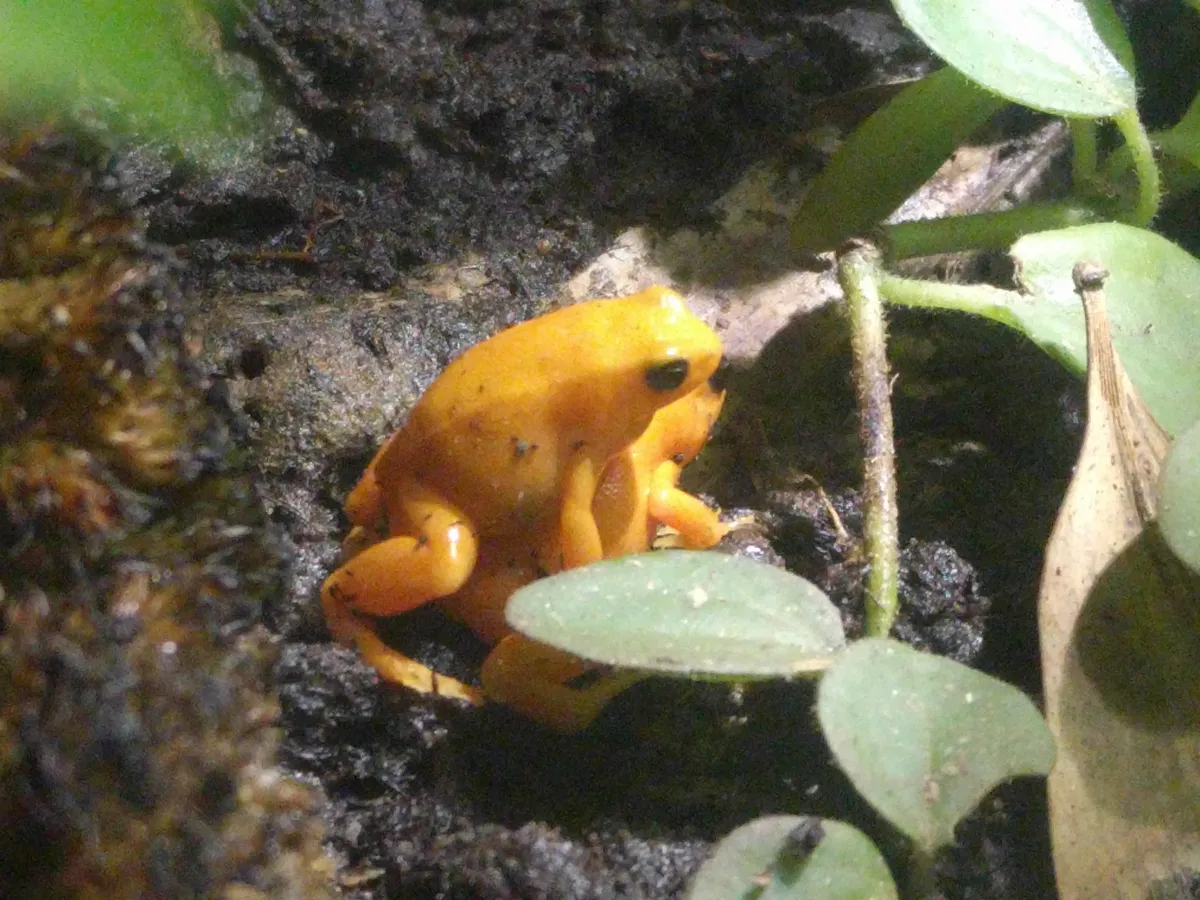
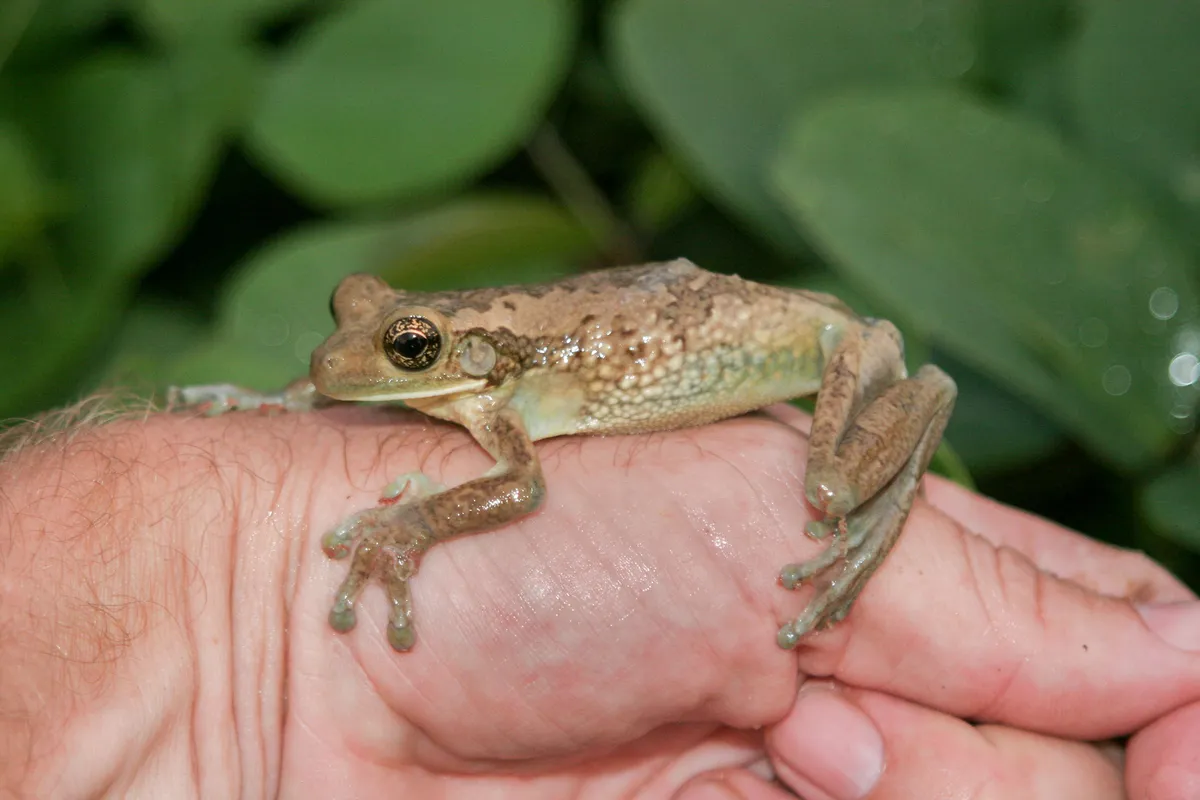
A small arboreal frog species endemic to southeastern United States, characterized by its ability to change color and inhabit pine forest ecosystems.
Image Gallery
ADSENSE SLOT
Ecology & Habitat
Habitat
Pine woodlands, mixed forests, and transitional woodland-grassland areas in southeastern United States, particularly in states like Florida, Georgia, and South Carolina. Prefers areas with moderate humidity and dense vegetation.
Ecological Role
Critical for insect population control, serving as both predator and prey in forest ecosystems. Plays a significant role in food webs and biodiversity maintenance.
Morphology
SKIN COATSmooth, variable coloration ranging from green to brown, capable of rapid color change for thermoregulation and predator avoidance.
LIMBS WINGSLong, muscular hind limbs adapted for jumping. Specialized toe pads for arboreal locomotion.
HEAD SENSORYLarge eyes with horizontal pupils, excellent color-changing capabilities for camouflage.
BODY STRUCTURESmall frog, typically 3-4 cm in length. Slender body with smooth skin and toe pads for climbing.
Data Source: TaxonHub Database
Image Credit: Jeromi Hefner; USGS