TaxonHub
Capybara

Capybara

Hydrochoerus hydrochaeris

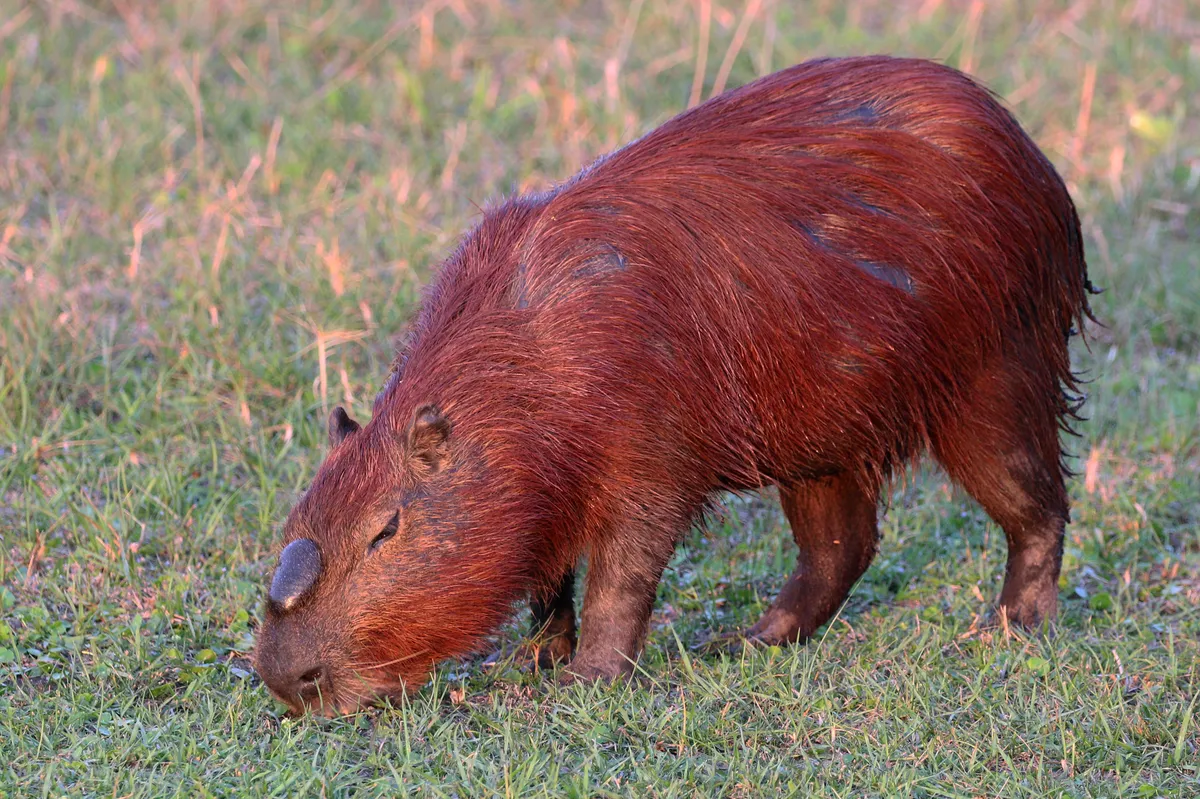
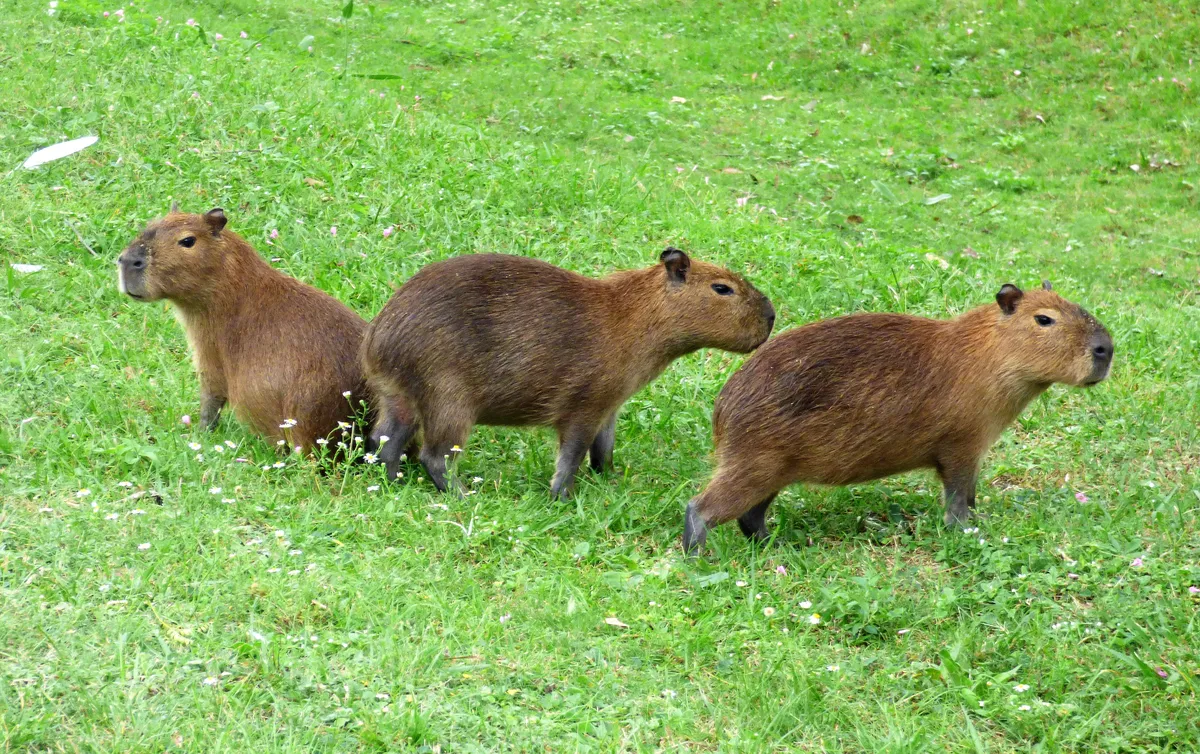
Largest living rodent in the world, native to South American wetlands and grasslands, highly social semi-aquatic mammal characterized by its robust body and remarkable adaptation to aquatic environments.

Image Gallery

Capybara
Capybara
Capybara
Capybara
Capybara
ADSENSE SLOT

Ecology & Habitat

Habitat

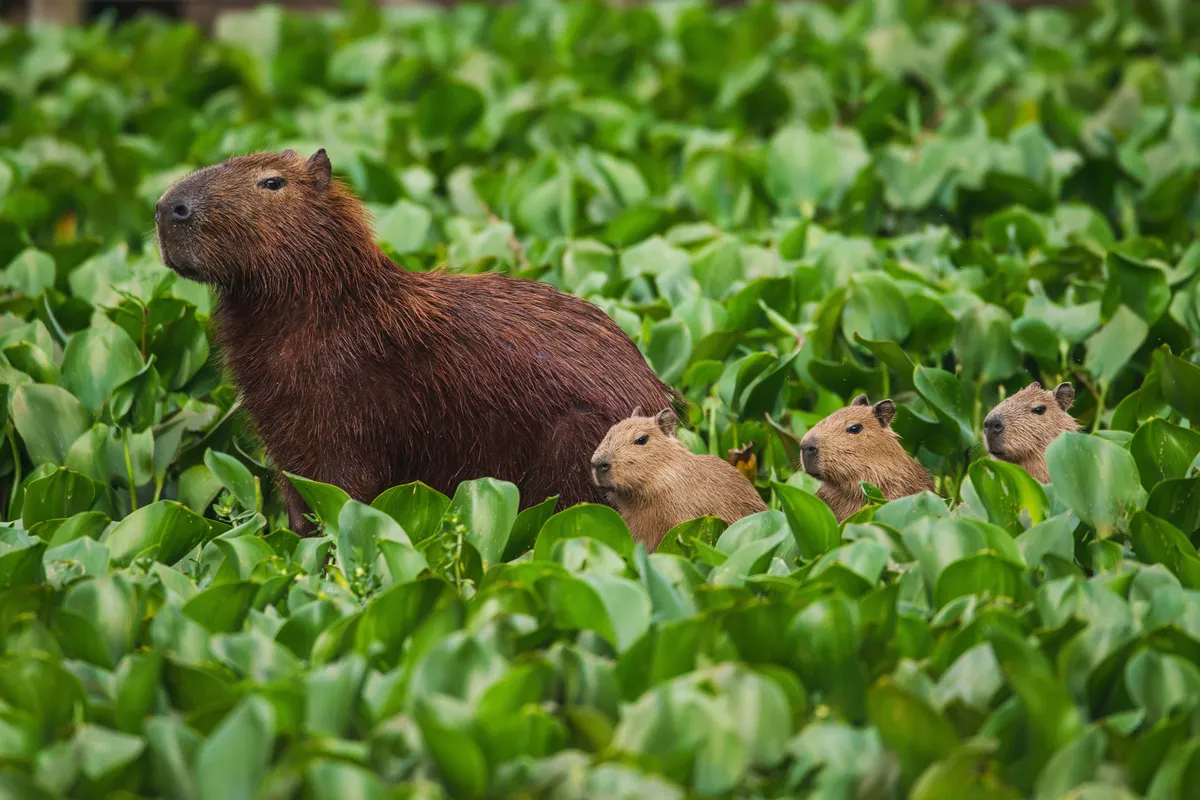
Tropical and subtropical regions of South America, including Brazil, Venezuela, Colombia, Argentina, and Paraguay, predominantly in river systems, marshes, swamps, and seasonally flooded grasslands

Ecological Role

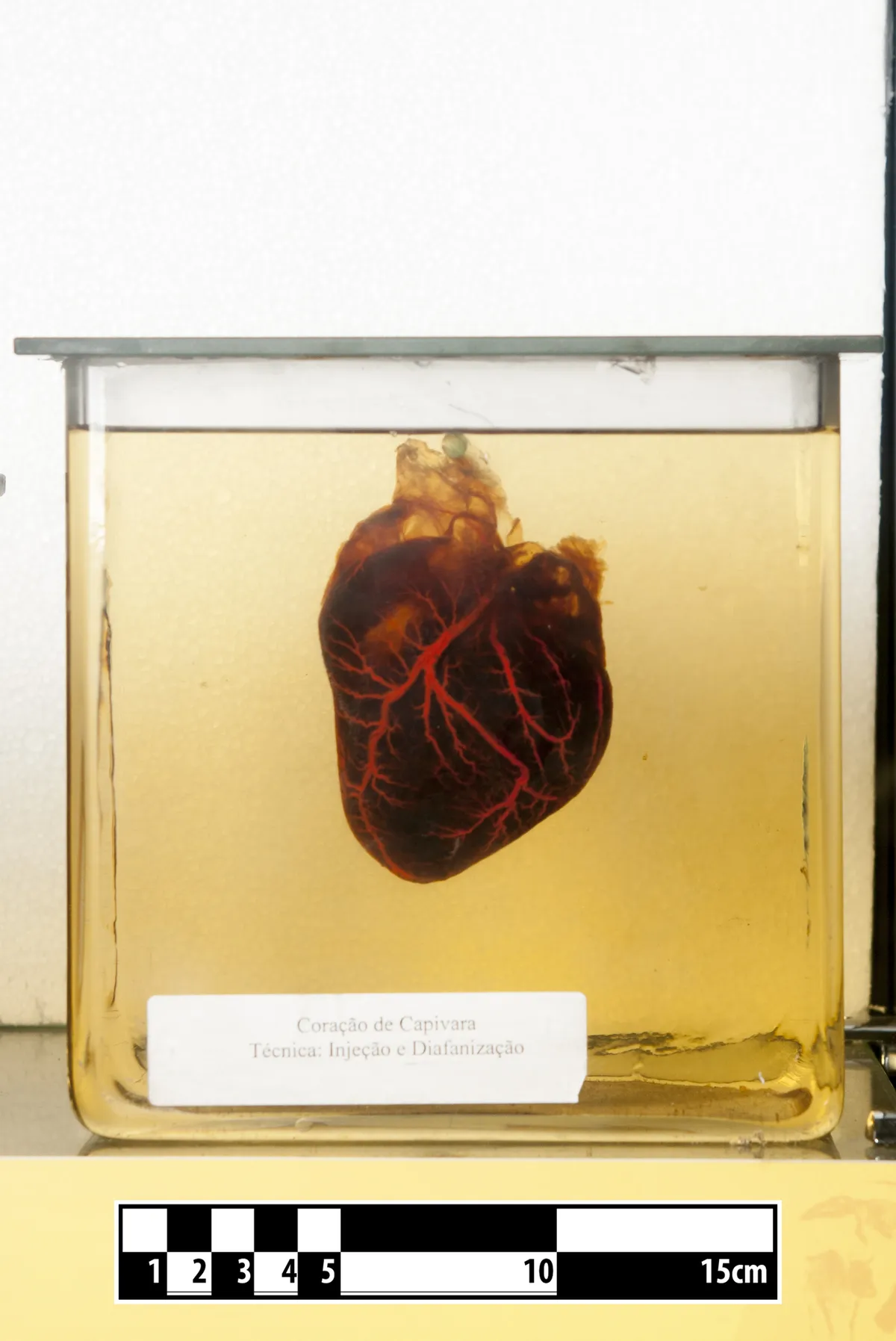
Critical ecosystem engineers, grazing herbivores that maintain grassland vegetation, serve as important prey for predators like jaguars and caimans, and play significant roles in nutrient cycling within wetland ecosystems
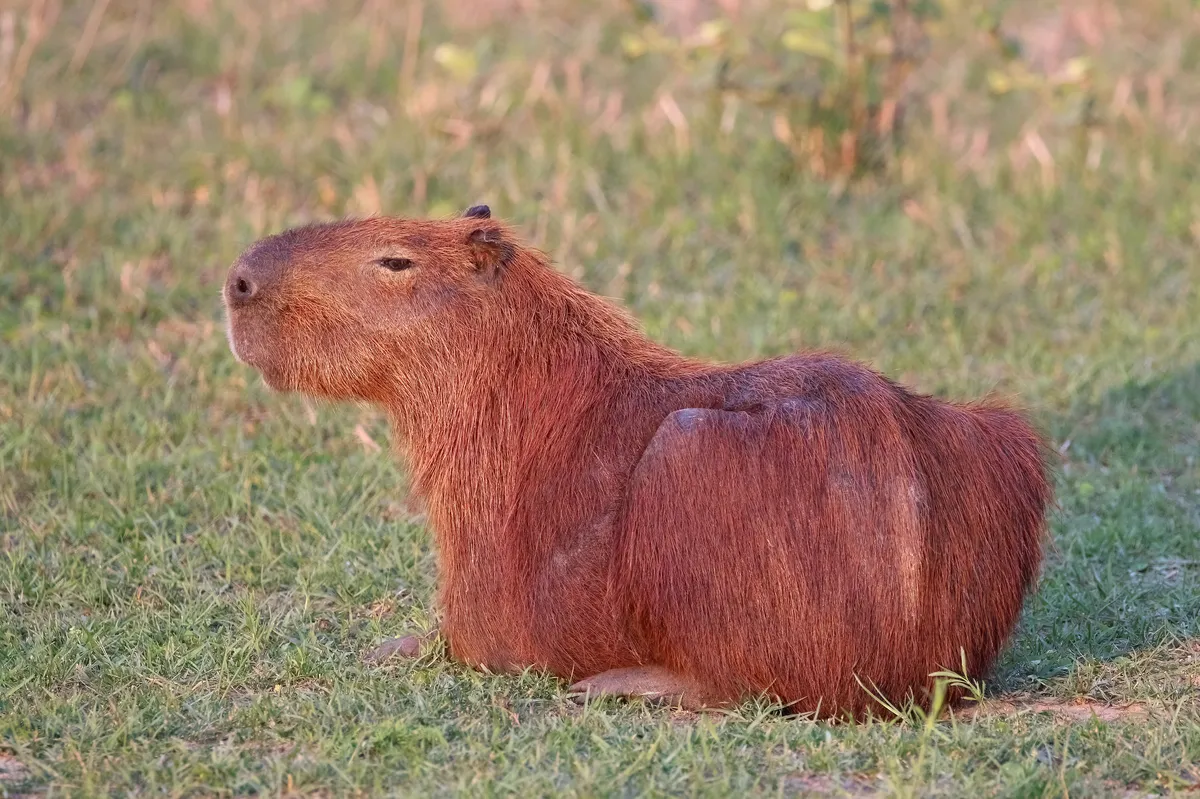
Morphology

  • SKIN COAT Coarse, dense brown-reddish fur, water-resistant, providing thermal regulation and camouflage
  • LIMBS WINGS Short, sturdy limbs with partially webbed feet, adapted for swimming and walking through marshy terrains
  • HEAD SENSORY Large, broad head with small ears, eyes positioned high on skull for enhanced aquatic visibility, excellent peripheral vision
  • BODY STRUCTURE Large, barrel-shaped body, approximately 1.2 meters long, weighing 35-66 kg, with short, thick fur and robust skeletal frame
Data Source: TaxonHub Database
Image Credit: Clodomiro Esteves Junior
ADSENSE VERTICAL