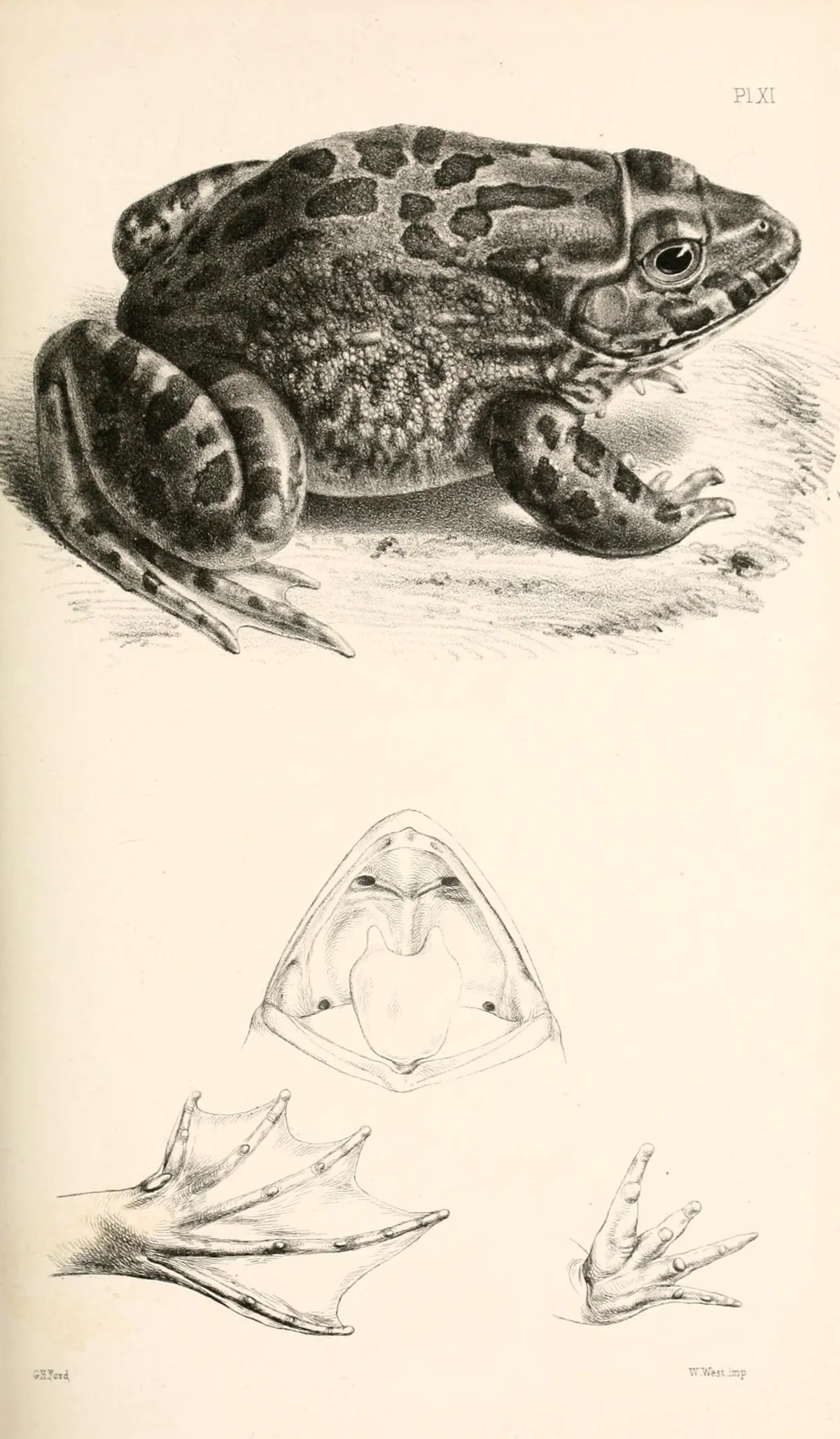
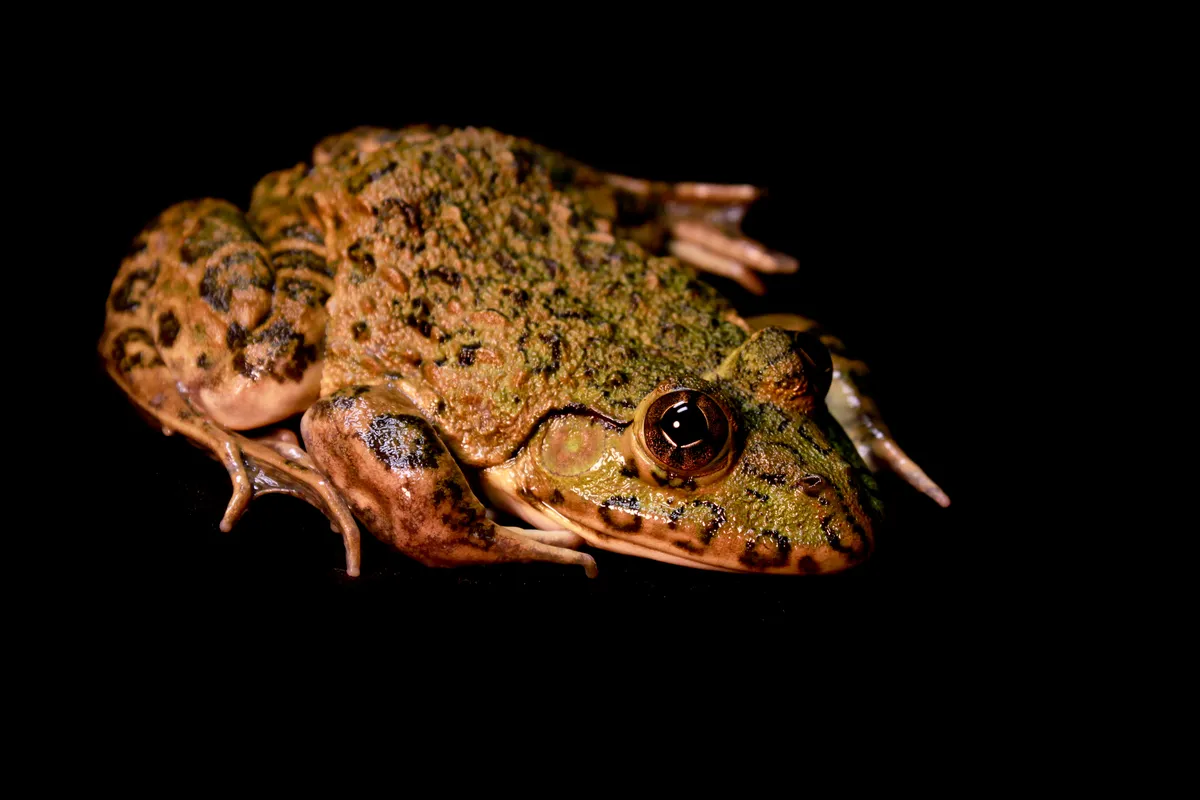
A large dicroglossid frog species native to sub-Saharan Africa, characterized by robust body structure and aquatic habitat preferences.
Image Gallery
ADSENSE SLOT
Ecology & Habitat
Habitat
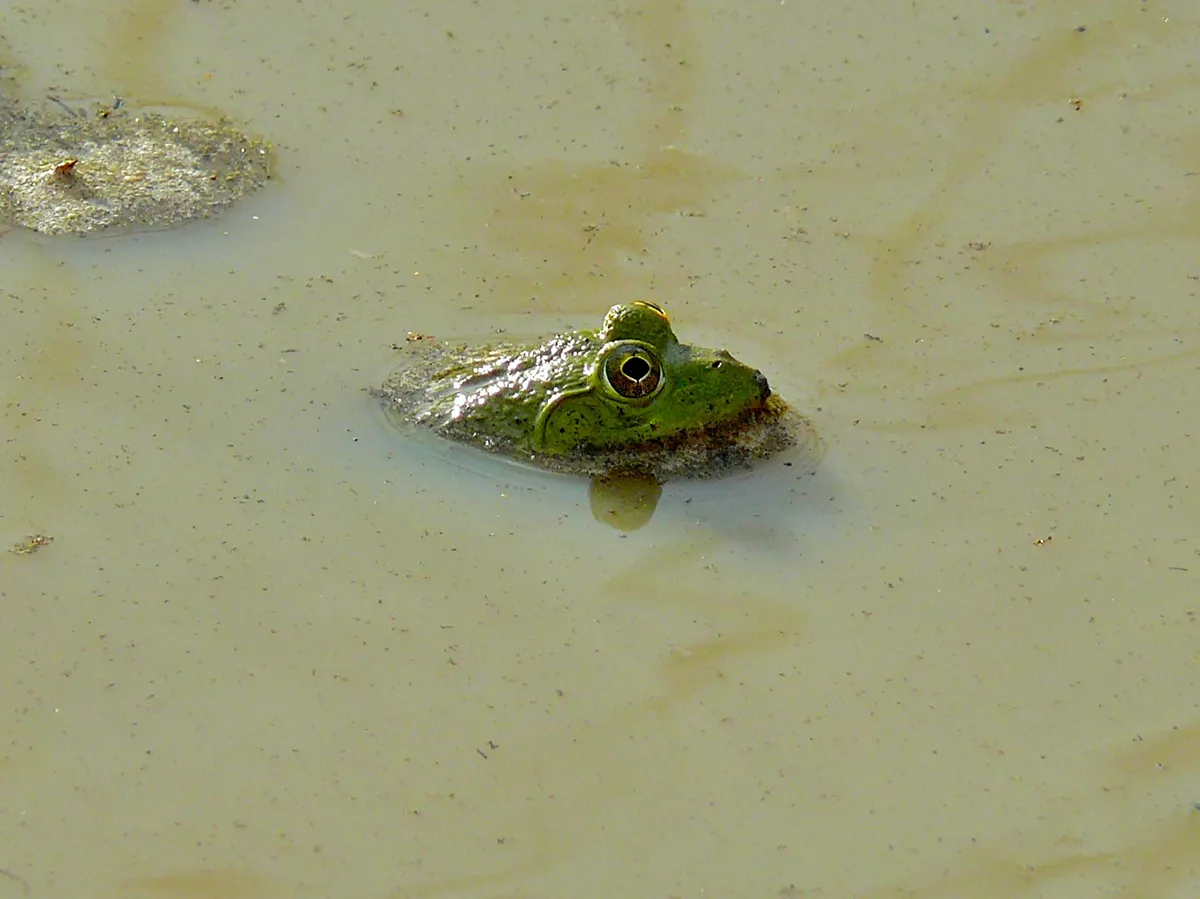
Freshwater wetlands, swamps, seasonal pools, and humid grasslands across tropical and subtropical regions of Africa, particularly in savanna and woodland transition zones.
Ecological Role
Important predator of insect populations, plays crucial role in wetland ecosystem food webs and serves as prey for larger vertebrate predators.
Morphology
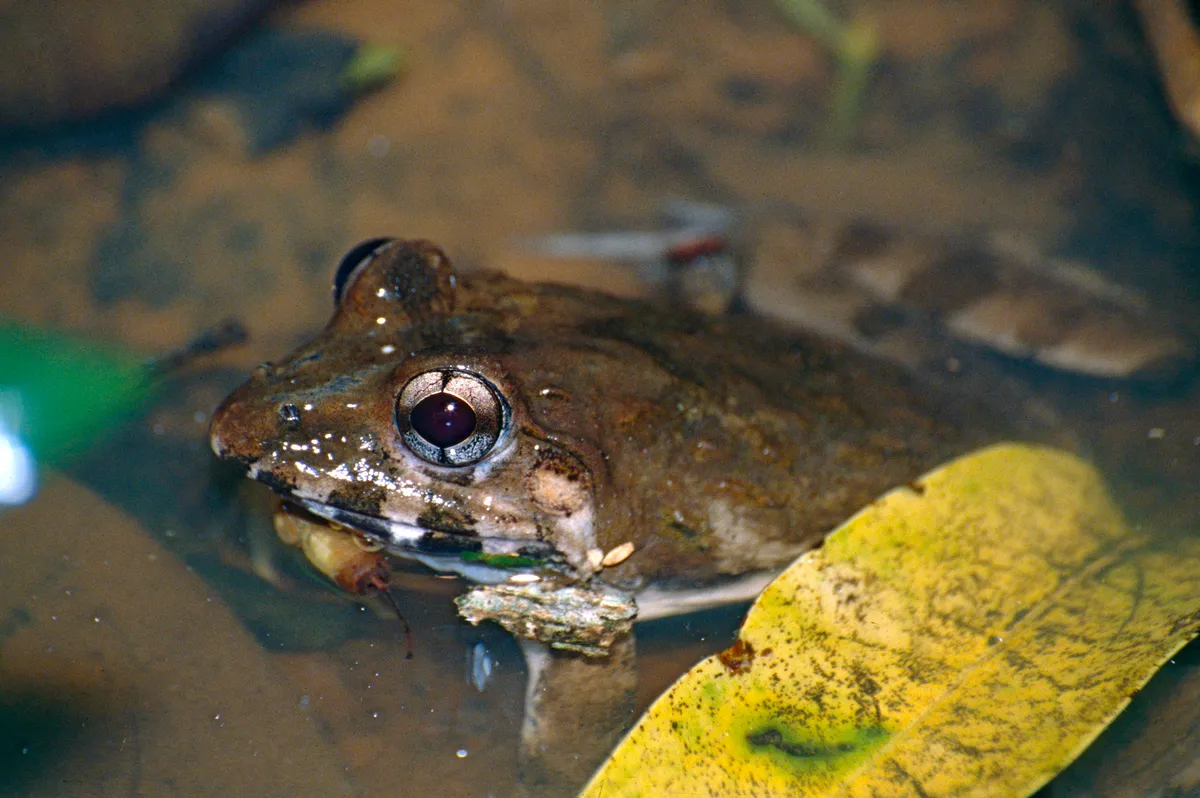
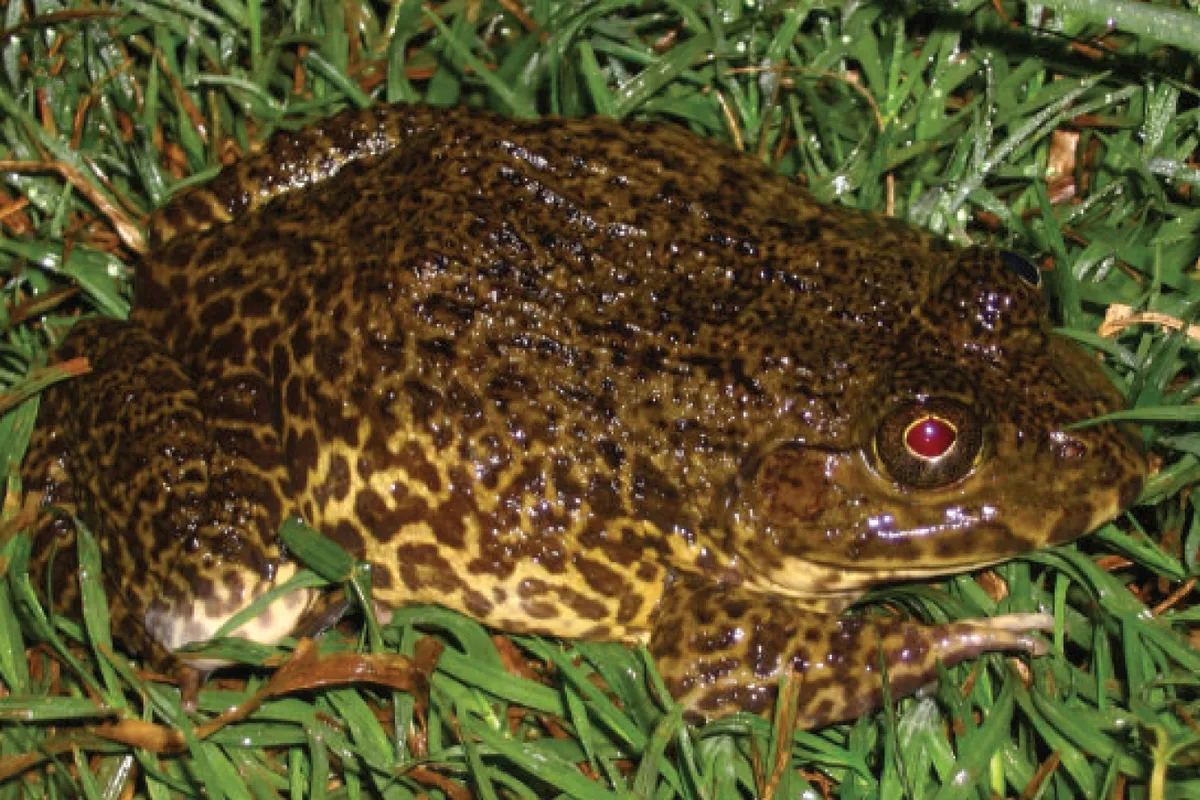
SKIN COATSmooth, moist skin with variable coloration ranging from olive-green to brown, potential camouflage adaptation
LIMBS WINGSPowerful hind limbs with webbed feet, adapted for aquatic locomotion and efficient swimming
HEAD SENSORYBroad, flattened head with large protruding eyes, wide mouth with well-developed jaw muscles
BODY STRUCTURELarge-bodied frog, typically 70-110 mm in length, muscular build with strong hind limbs for swimming and jumping
Data Source: TaxonHub Database
Image Credit: British Museum (Natural History).; Günther, Albert C. L. G.