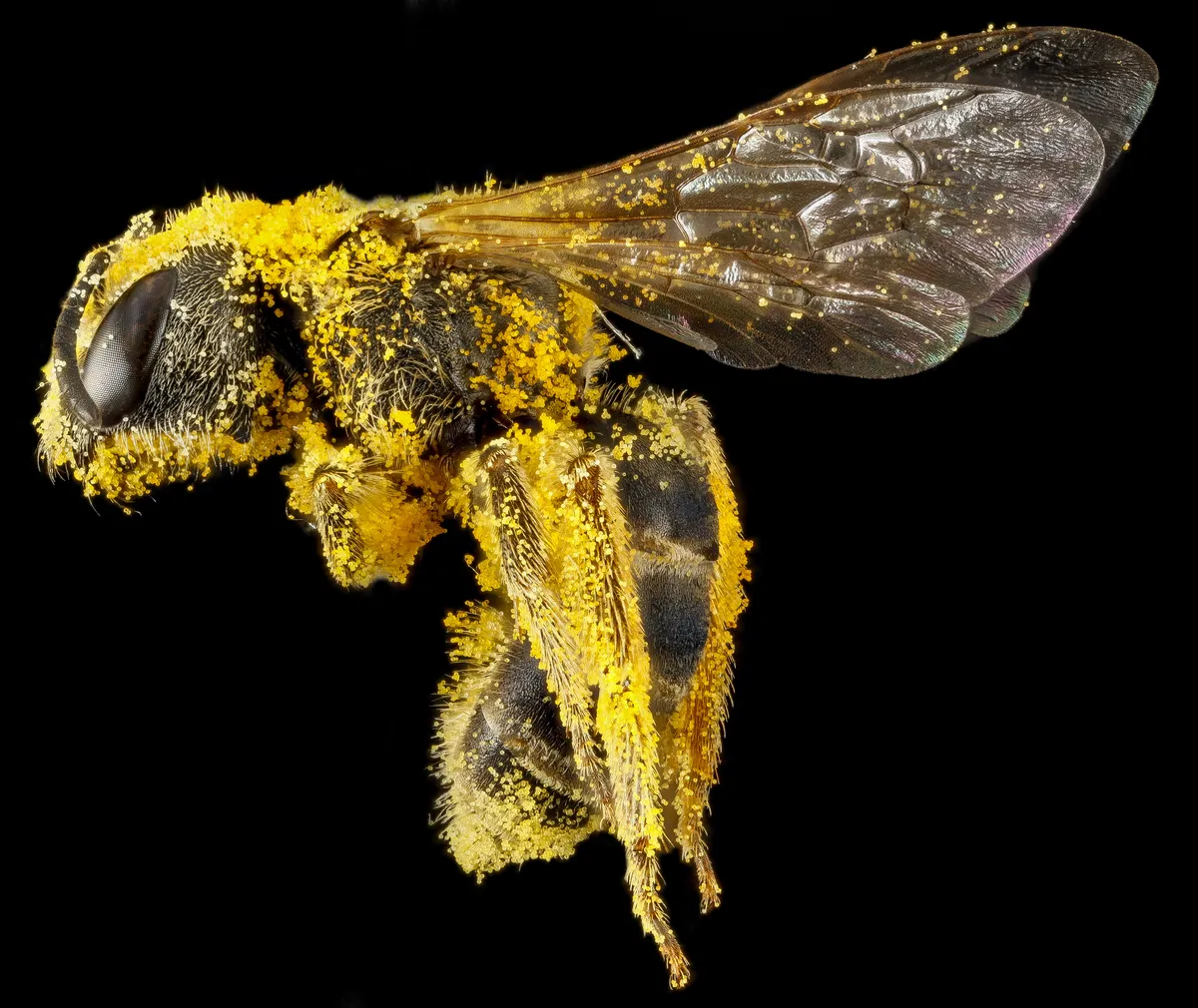
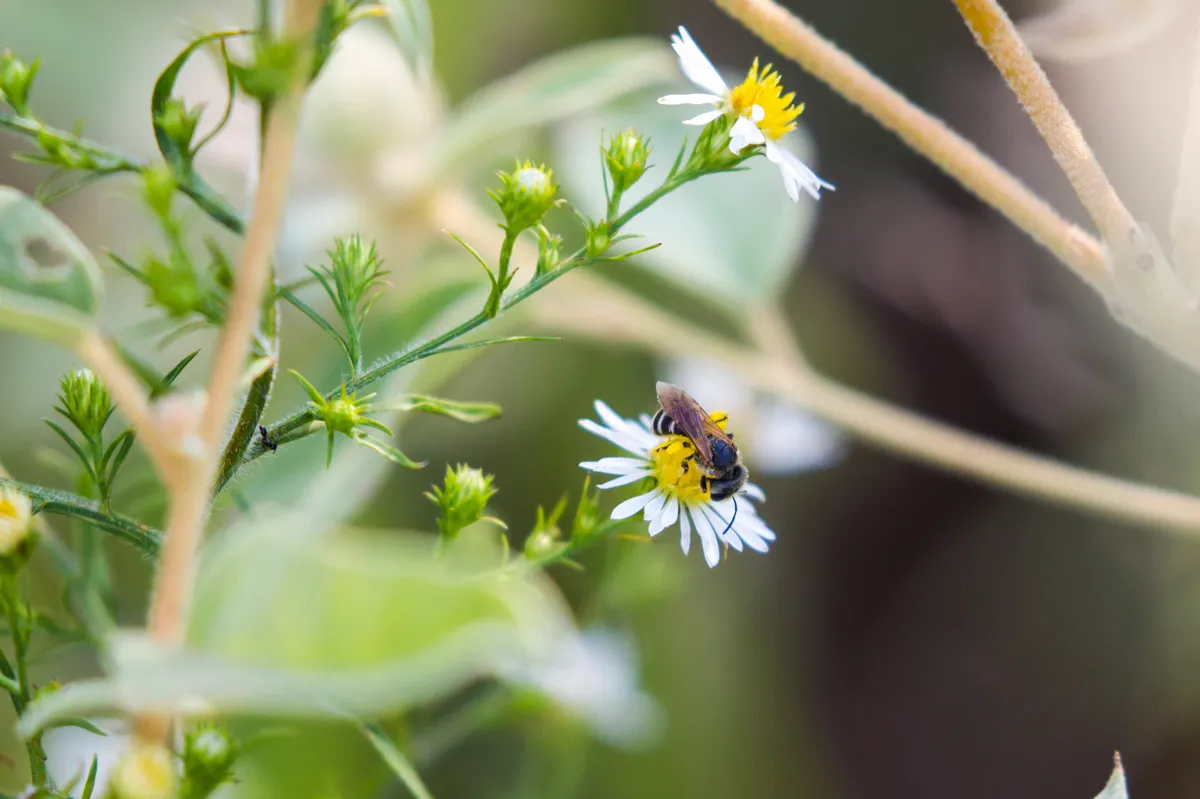
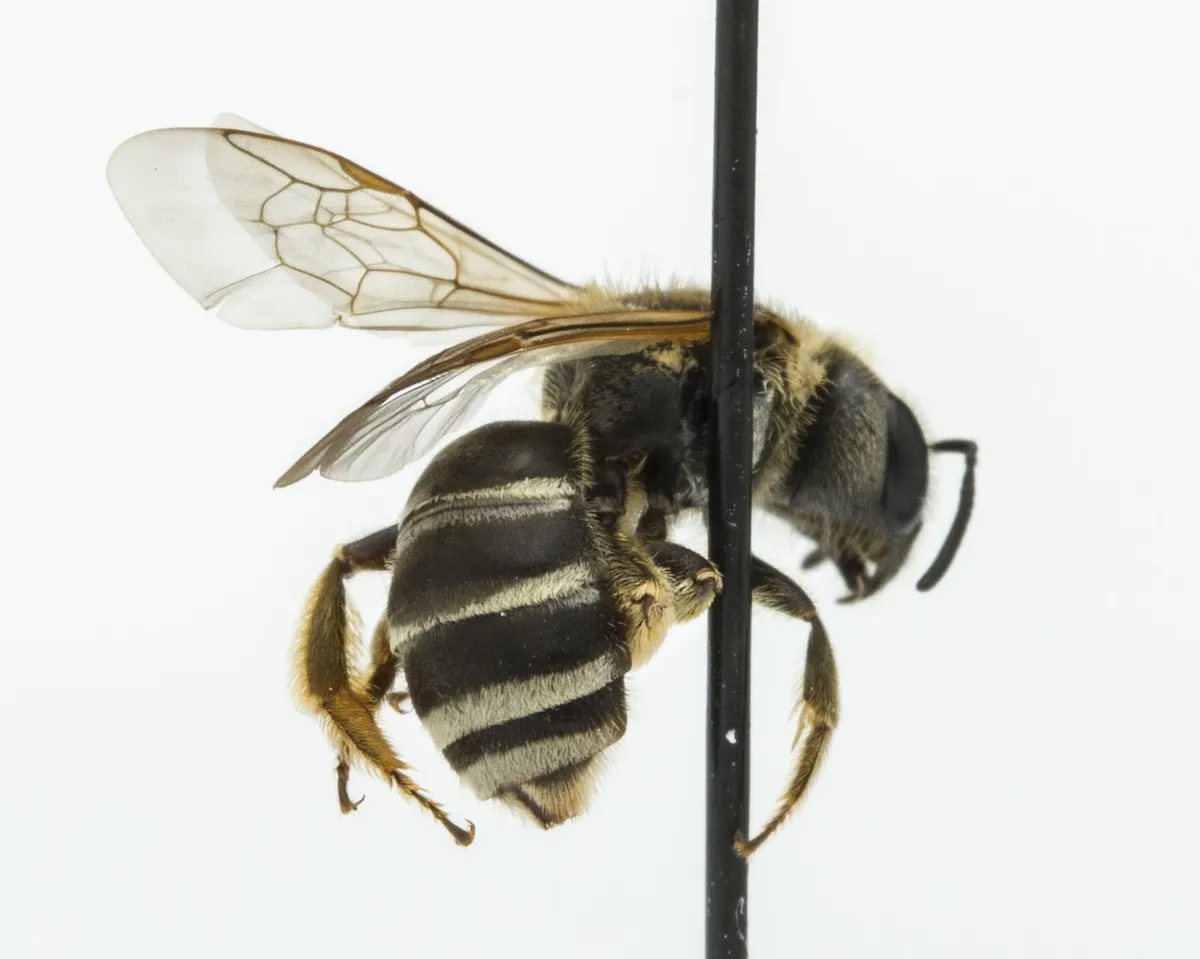
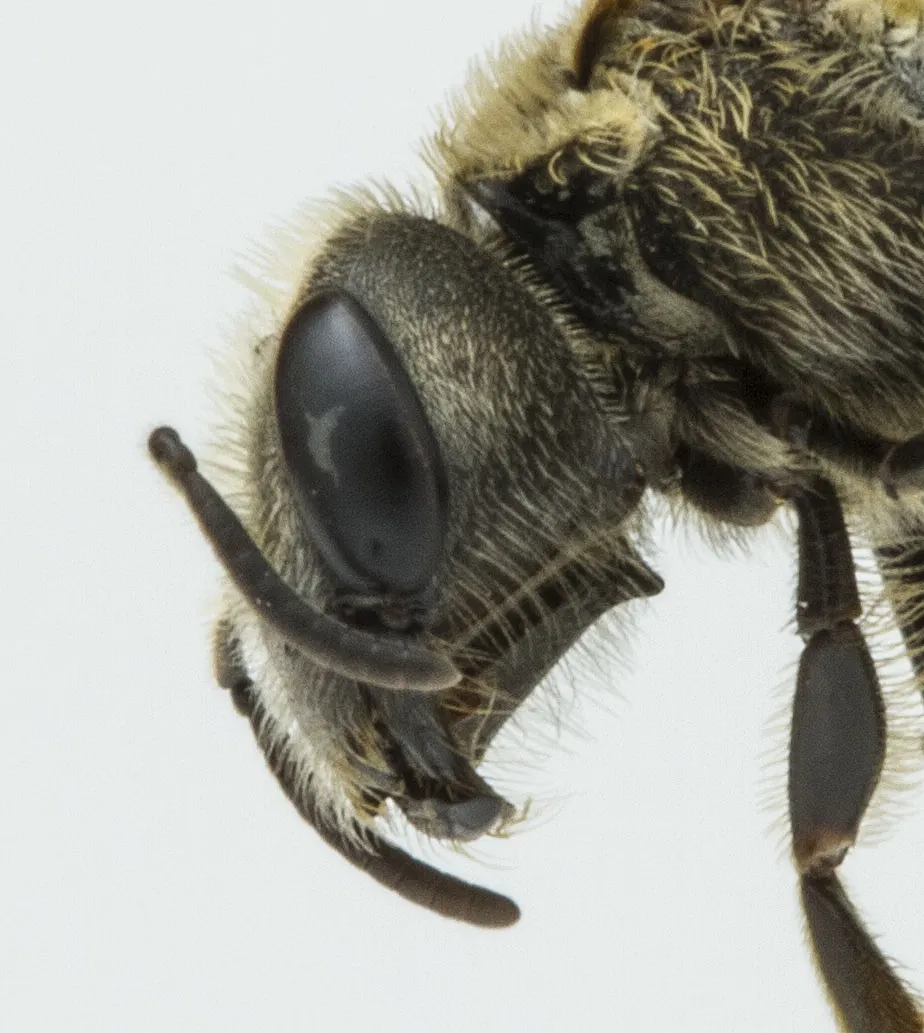
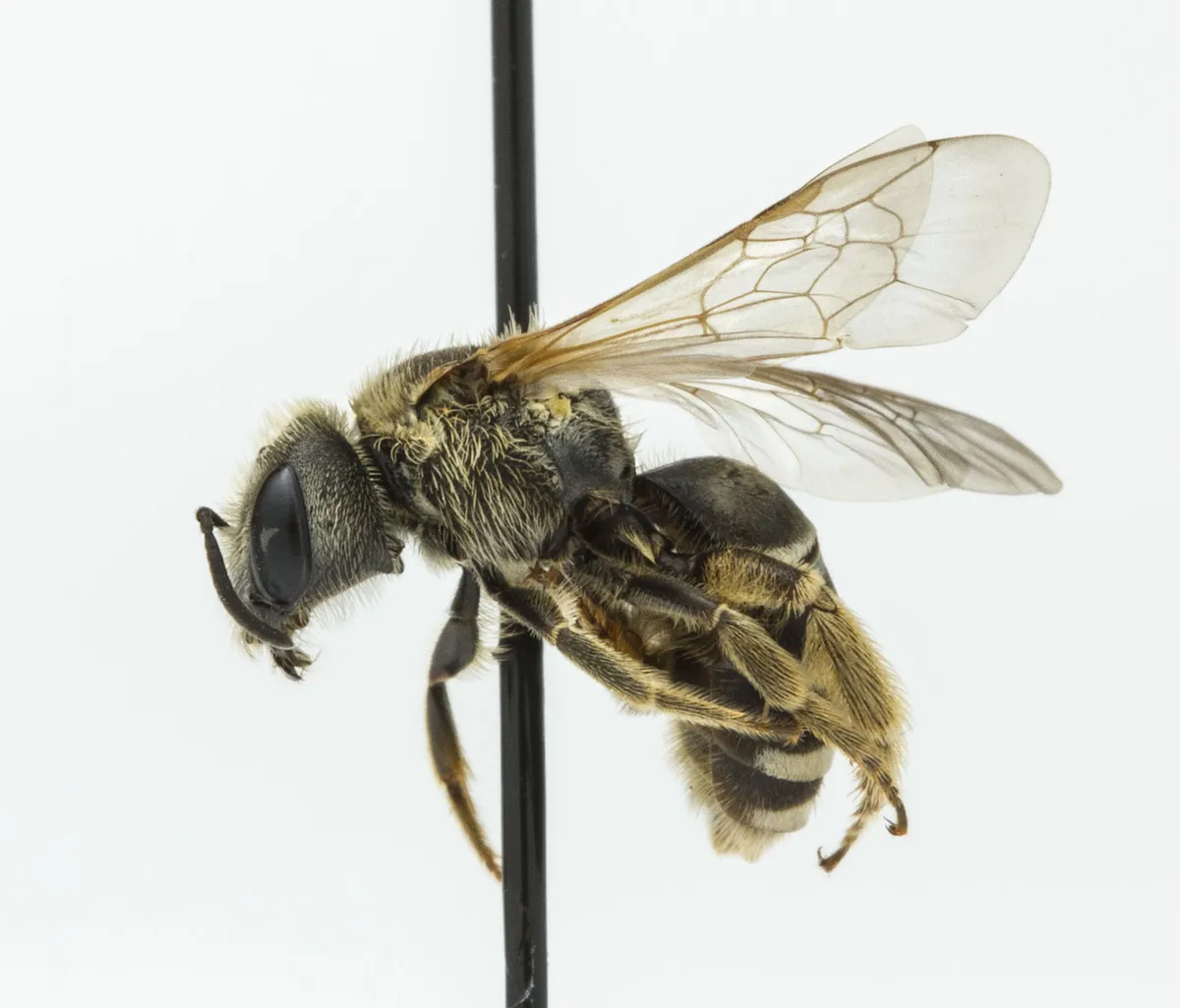
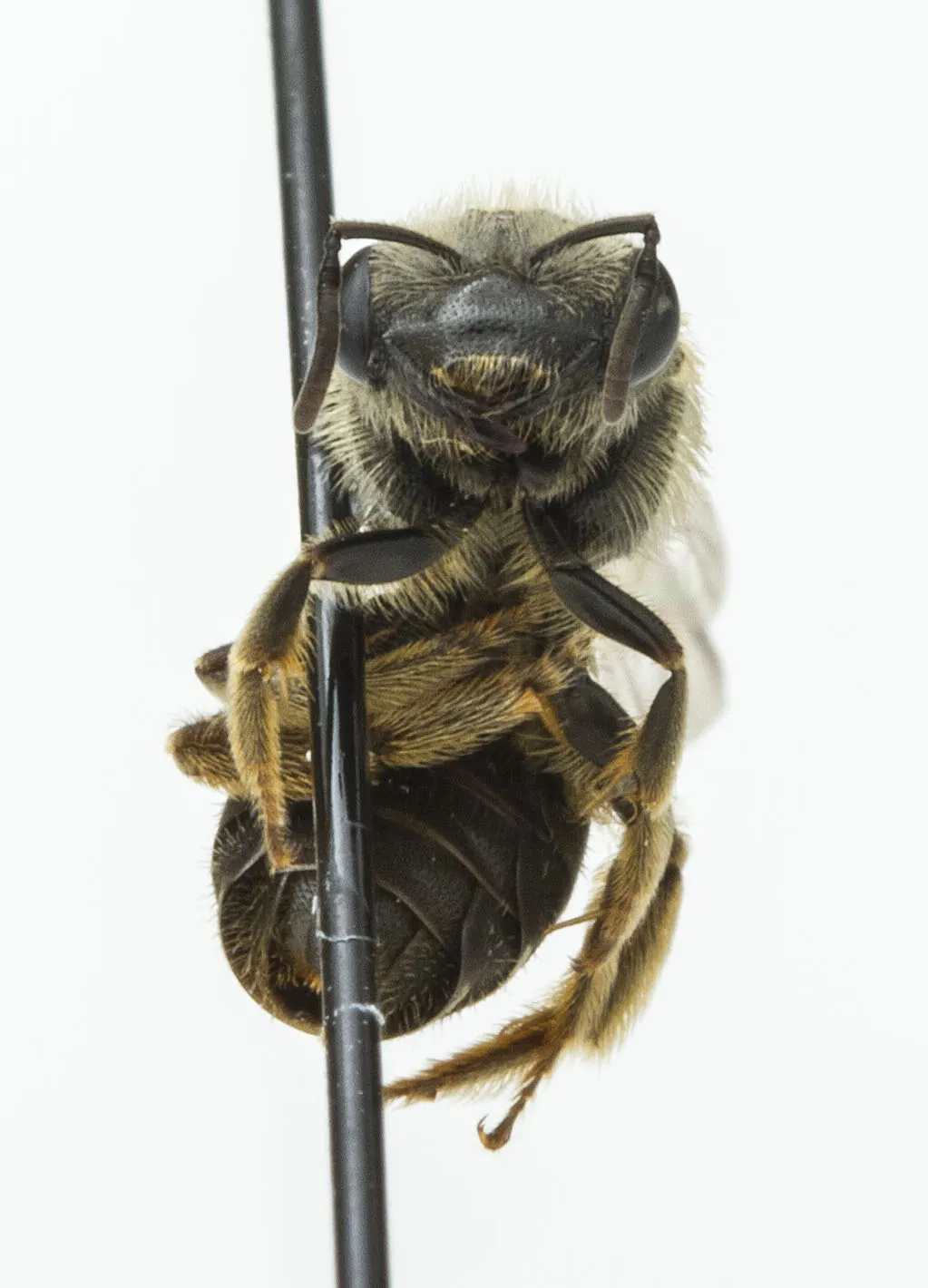
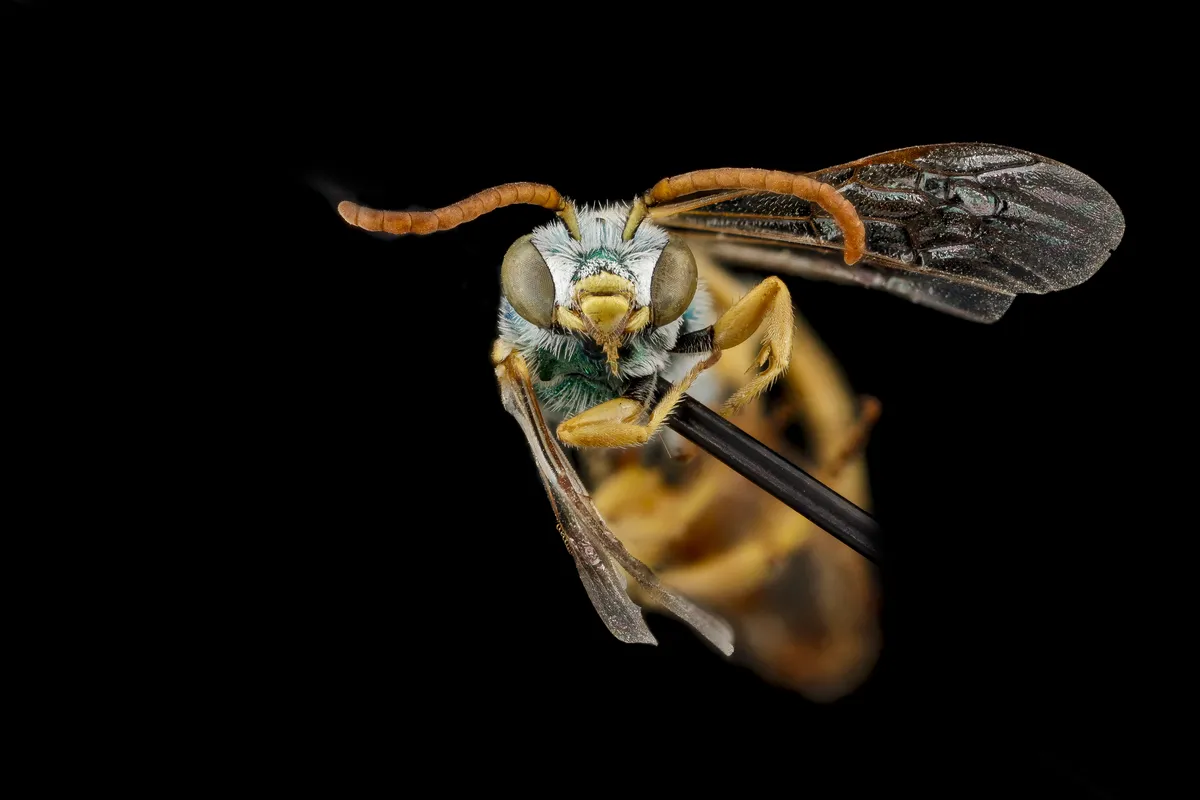
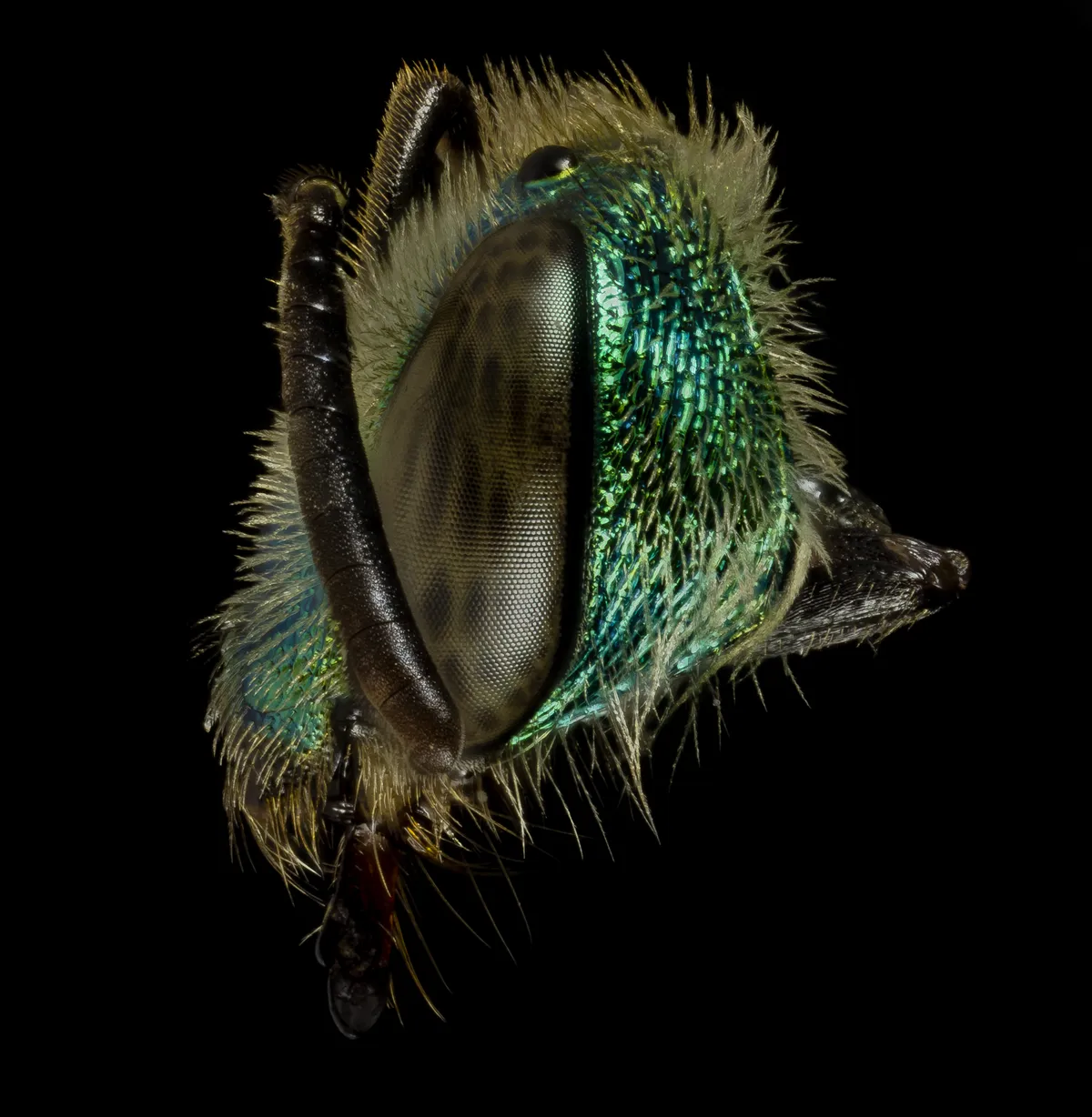
A solitary bee species native to North America, belonging to the genus Halictus within the family Halictidae. These small, metallic-colored bees are important pollinators in various ecosystems.
Image Gallery
ADSENSE SLOT
Ecology & Habitat
Habitat
Found in diverse environments including grasslands, meadows, agricultural landscapes, and urban gardens across temperate regions of North America. Nests are typically constructed in soil or exposed ground with minimal vegetation cover.
Ecological Role
Critical pollinator for wildflowers, crops, and native plant species. Contributes significantly to ecosystem biodiversity and agricultural productivity through cross-pollination activities.
Morphology
SKIN COATExoskeleton with dense, short hair covering, providing thermal regulation and protection.
LIMBS WINGSFour transparent wings, robust legs with specialized pollen-collecting structures. Hindlegs feature pollen baskets for efficient foraging.
HEAD SENSORYCompound eyes, prominent antennae for environmental sensing and communication. Mandibles adapted for collecting pollen and nectar.
BODY STRUCTURESmall bee, approximately 7-10 mm in length. Dark metallic body with subtle bronze or green iridescent sheen.
Data Source: TaxonHub Database
Image Credit: USGS Native Bee Inventory and Monitoring Laboratory