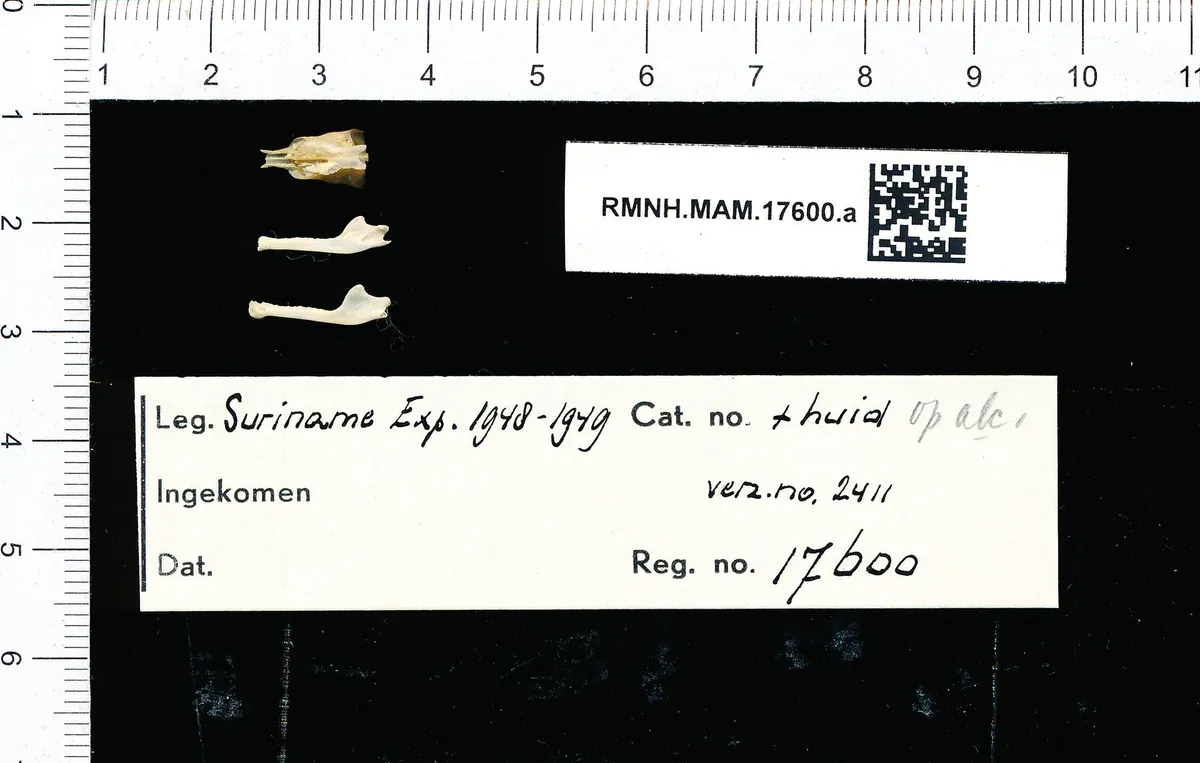
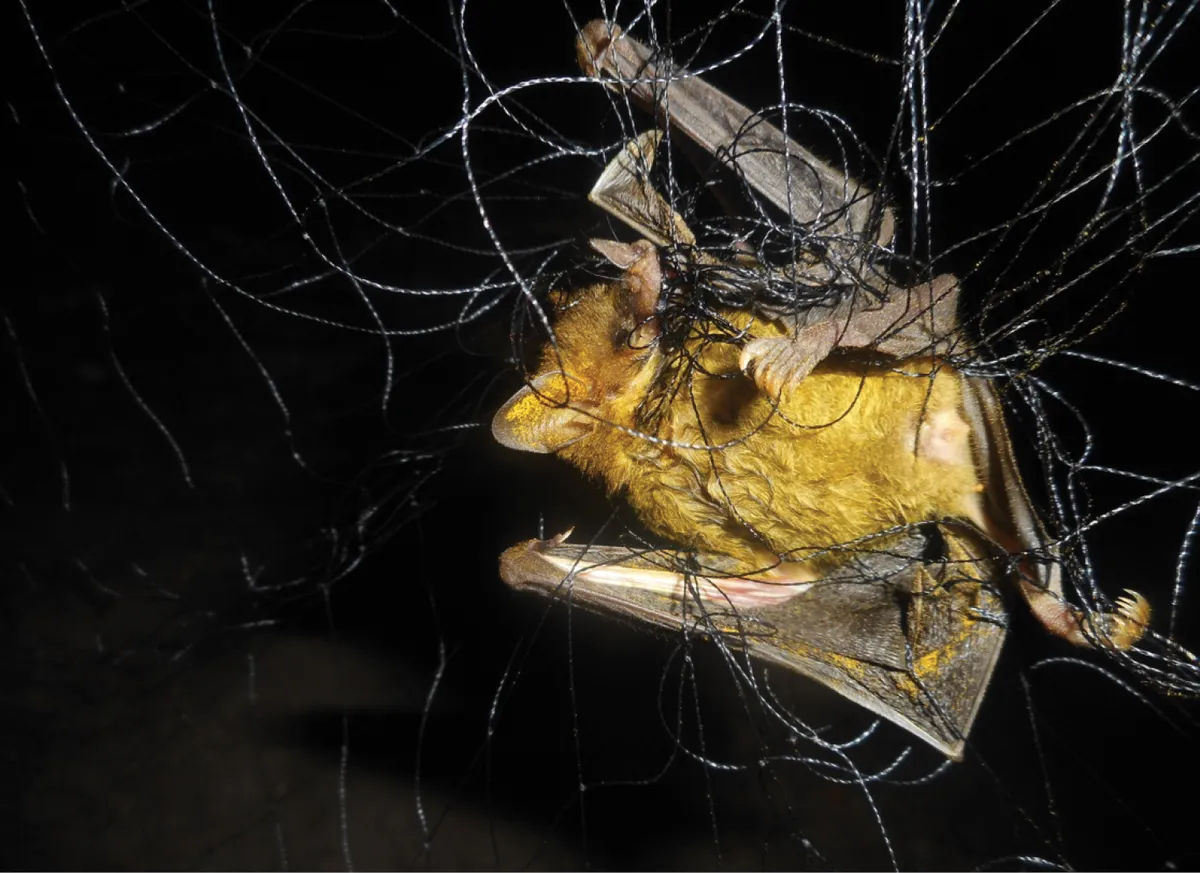
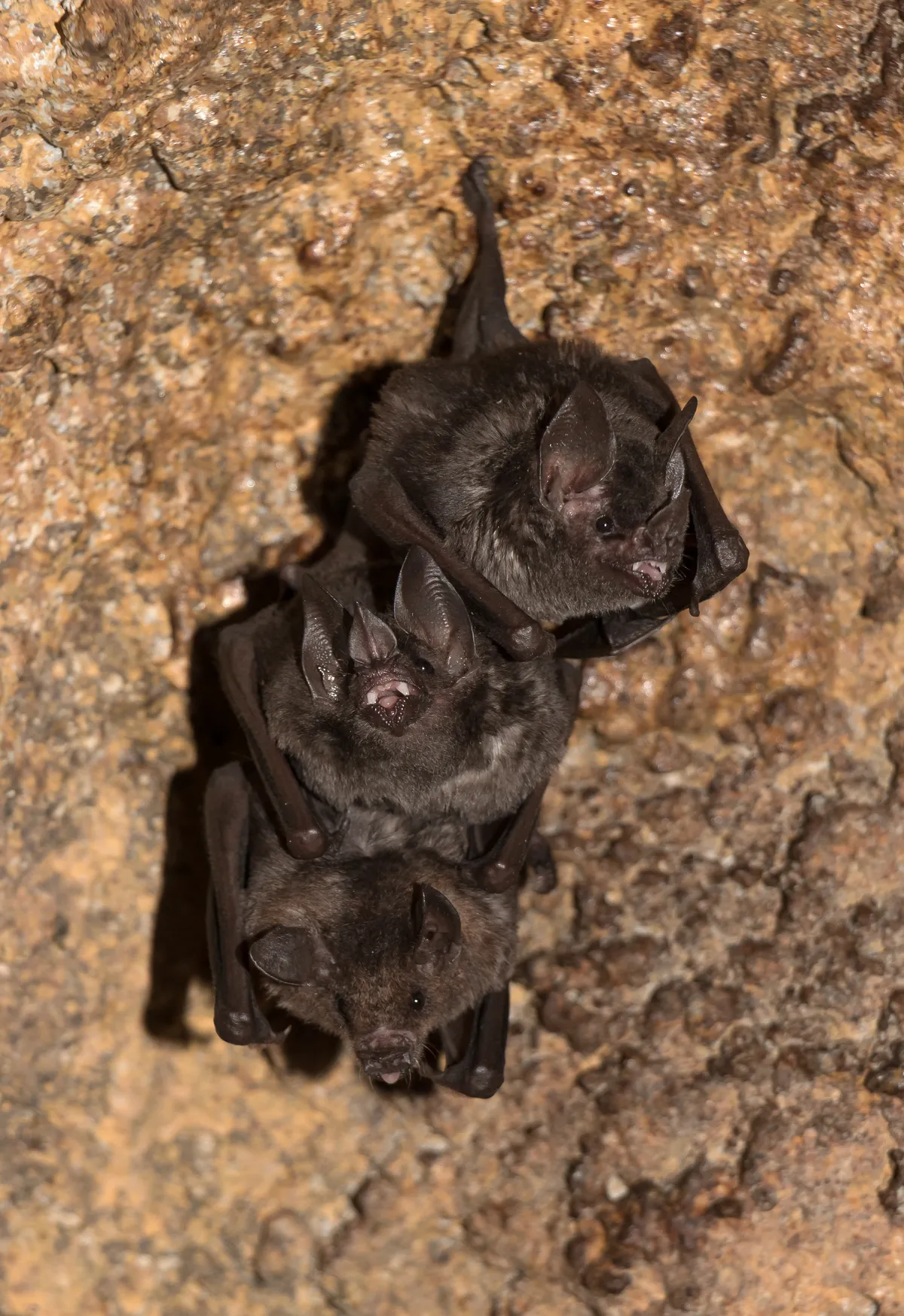
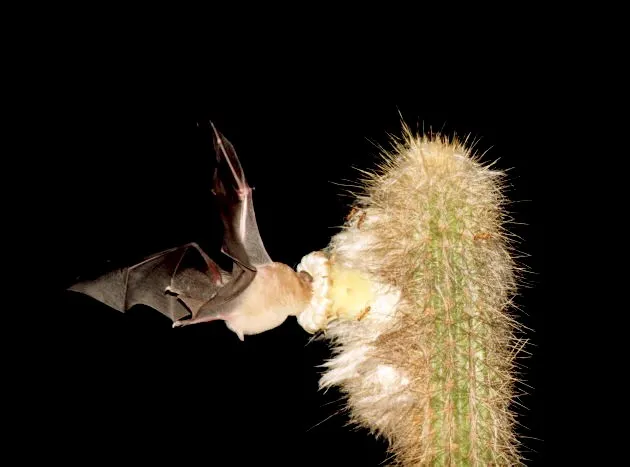
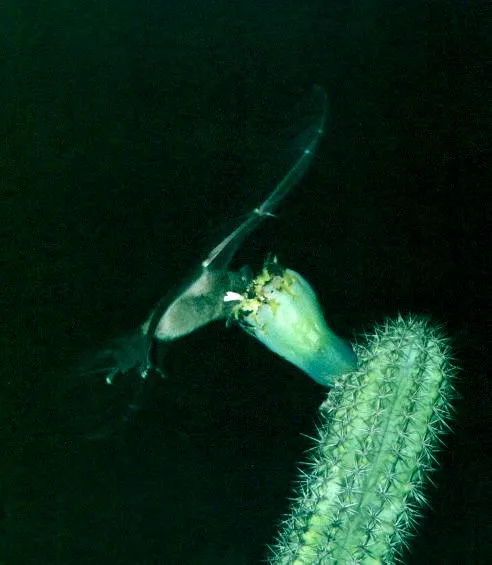
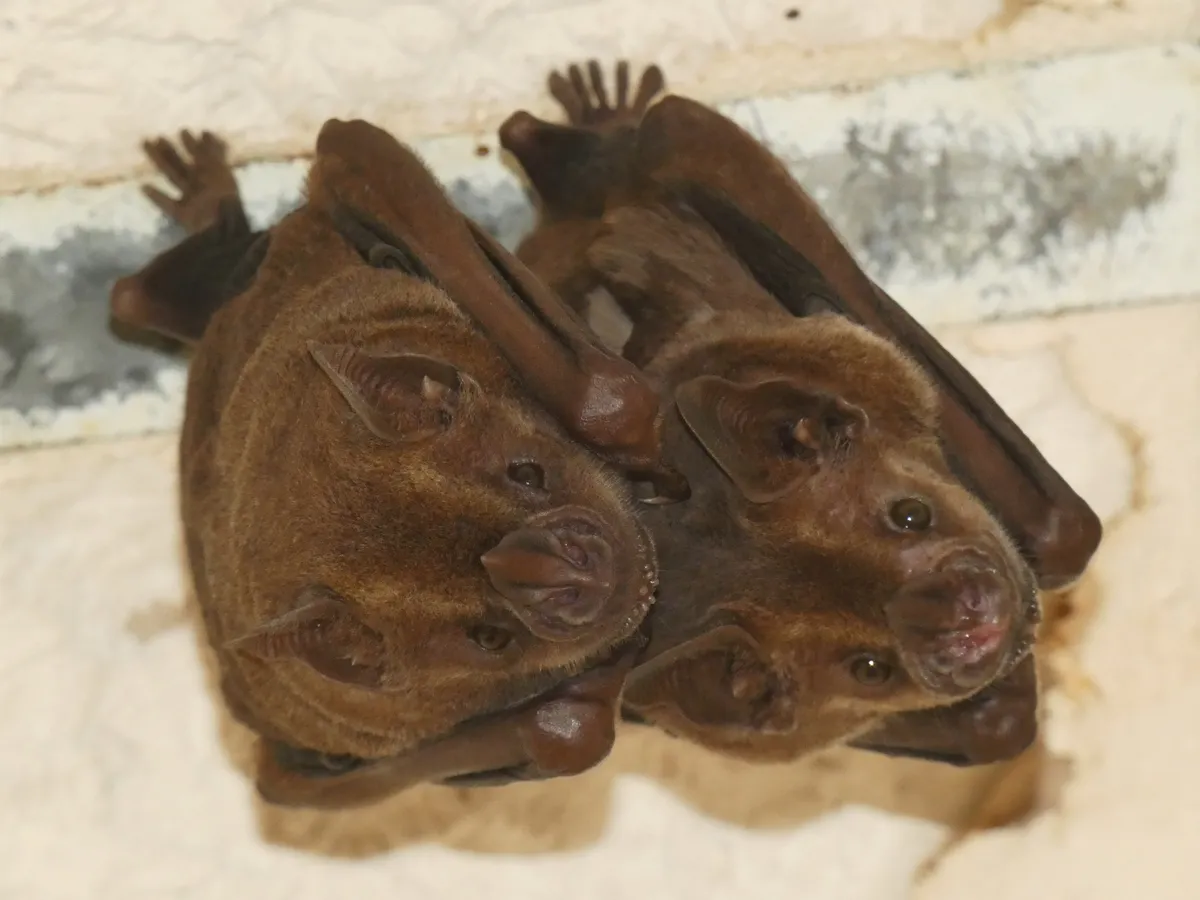
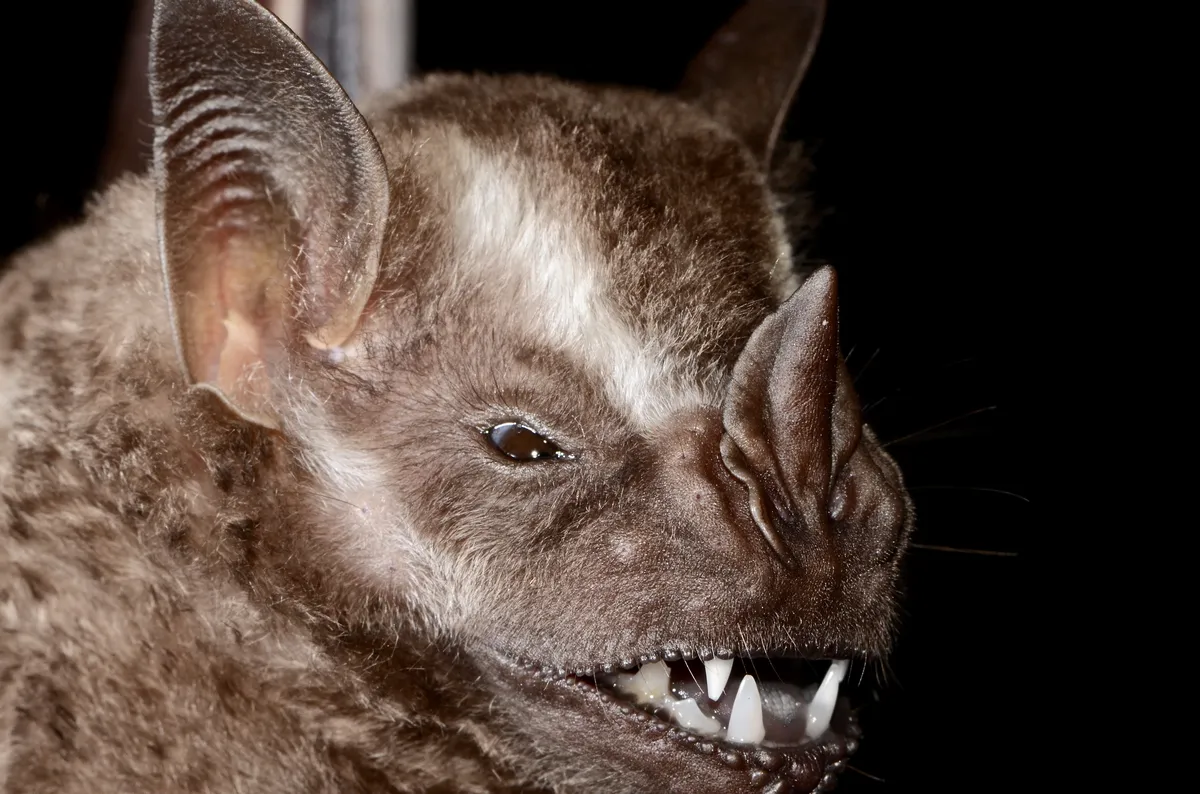
A small nectar-feeding bat species native to Central and South America, characterized by its elongated tongue and specialized nectar-extracting capabilities.
Image Gallery
ADSENSE SLOT
Ecology & Habitat
Habitat
Tropical and subtropical forest edges, woodlands, agricultural landscapes, and urban areas with flowering plants, ranging from sea level to 2,500 meters elevation across regions from Mexico to northern Argentina.
Ecological Role
Critical pollinator for numerous tropical plant species, particularly contributing to the reproduction of night-blooming flowers and maintaining ecosystem biodiversity.
Morphology
SKIN COATSoft fur, typically grayish-brown to dark brown coloration, thin wing membranes
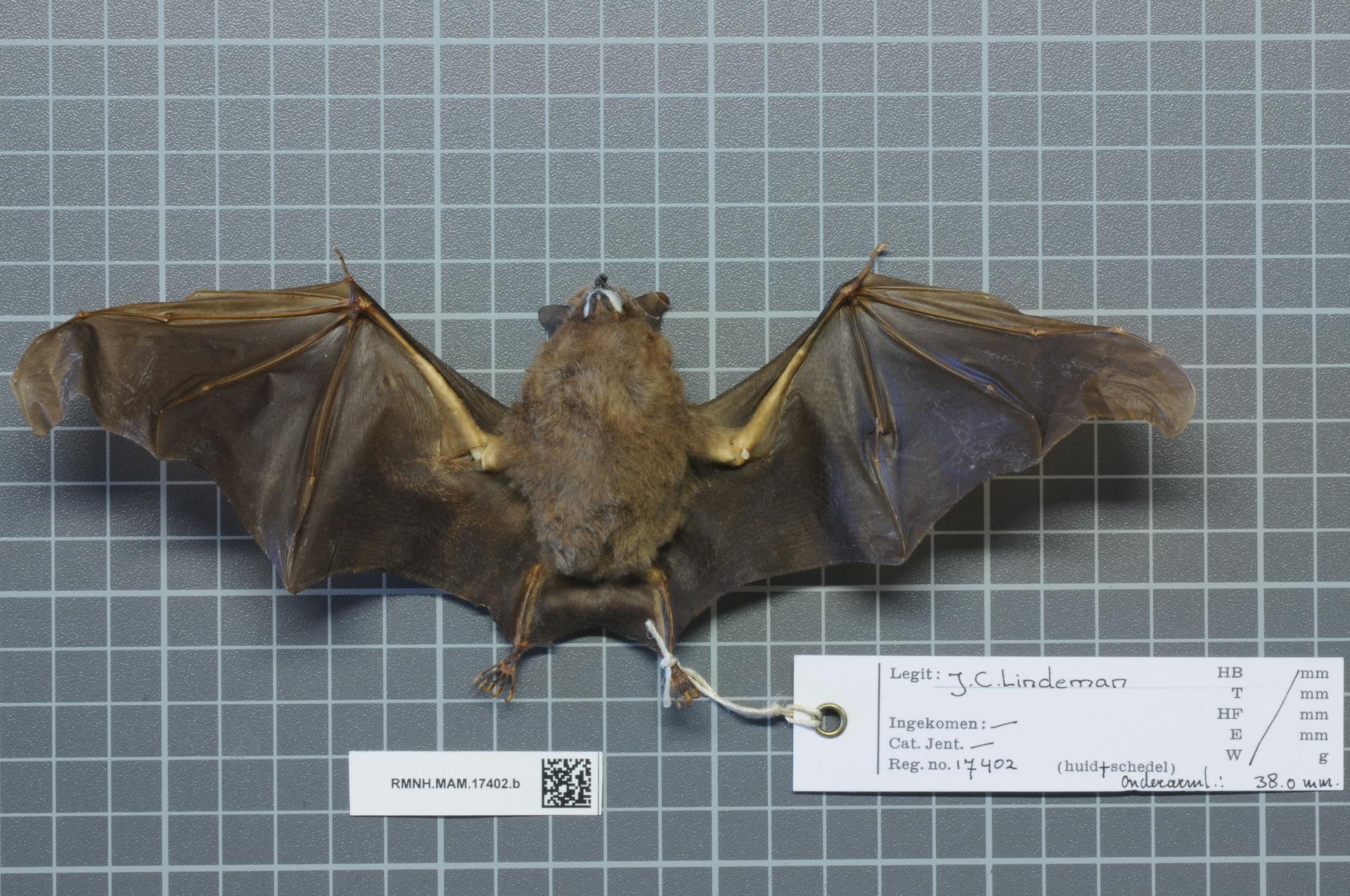
LIMBS WINGSNarrow wings enabling agile flight, forearm length approximately 35-40 mm, wingspan around 250-300 mm
HEAD SENSORYLarge ears, acute echolocation capabilities, elongated snout with specialized tongue extension up to 3.5-4 cm
BODY STRUCTURESmall bat, body length 5-7 cm, weight 10-15 g, with slender body adapted for nectar feeding