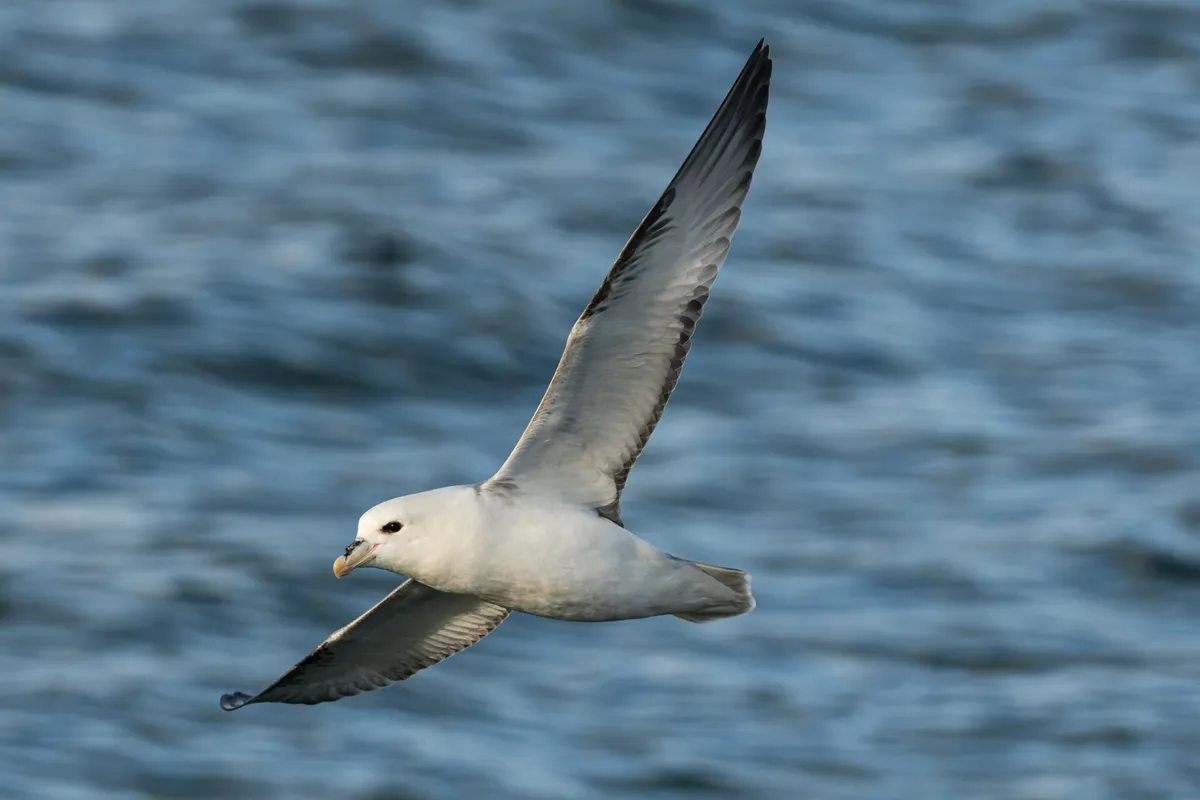
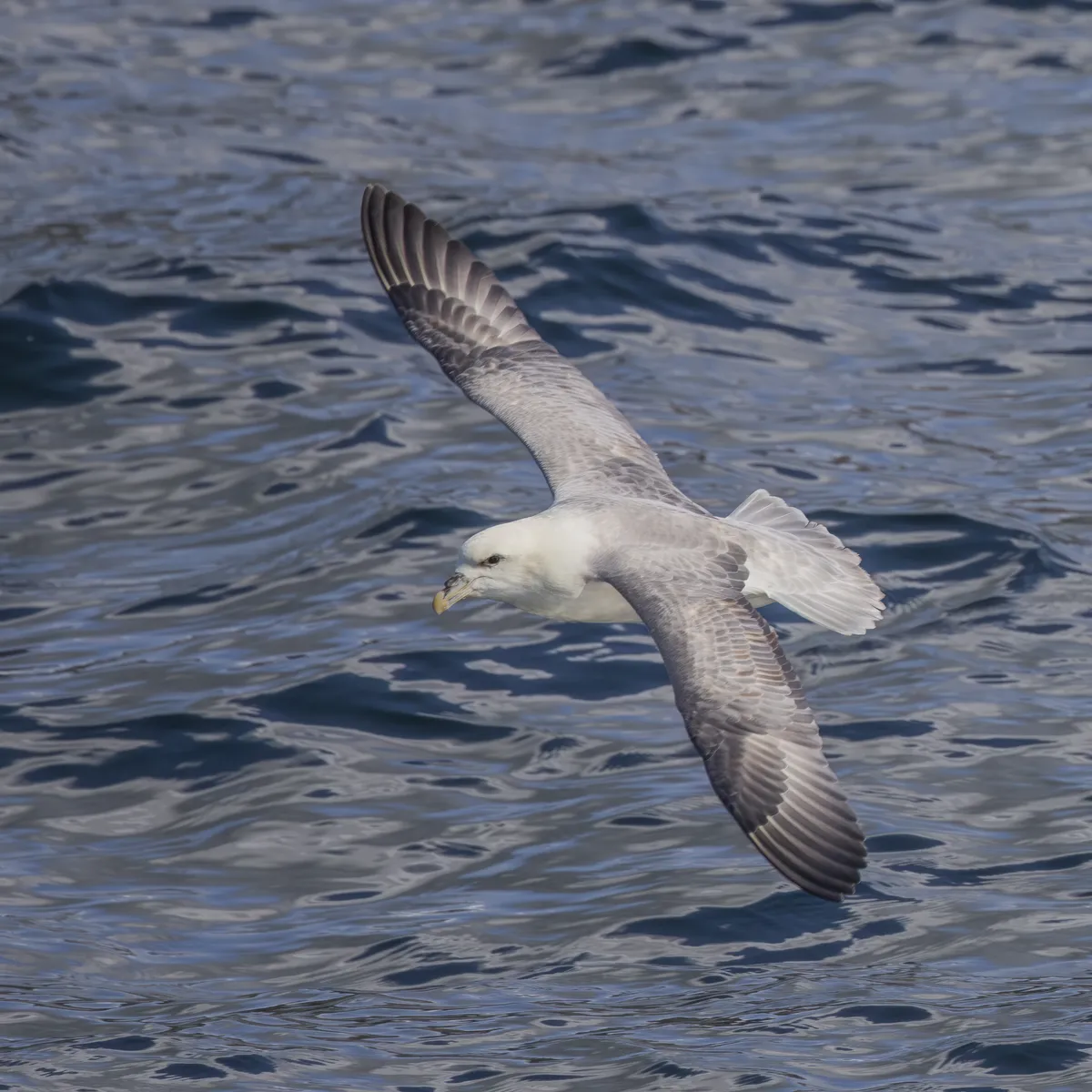
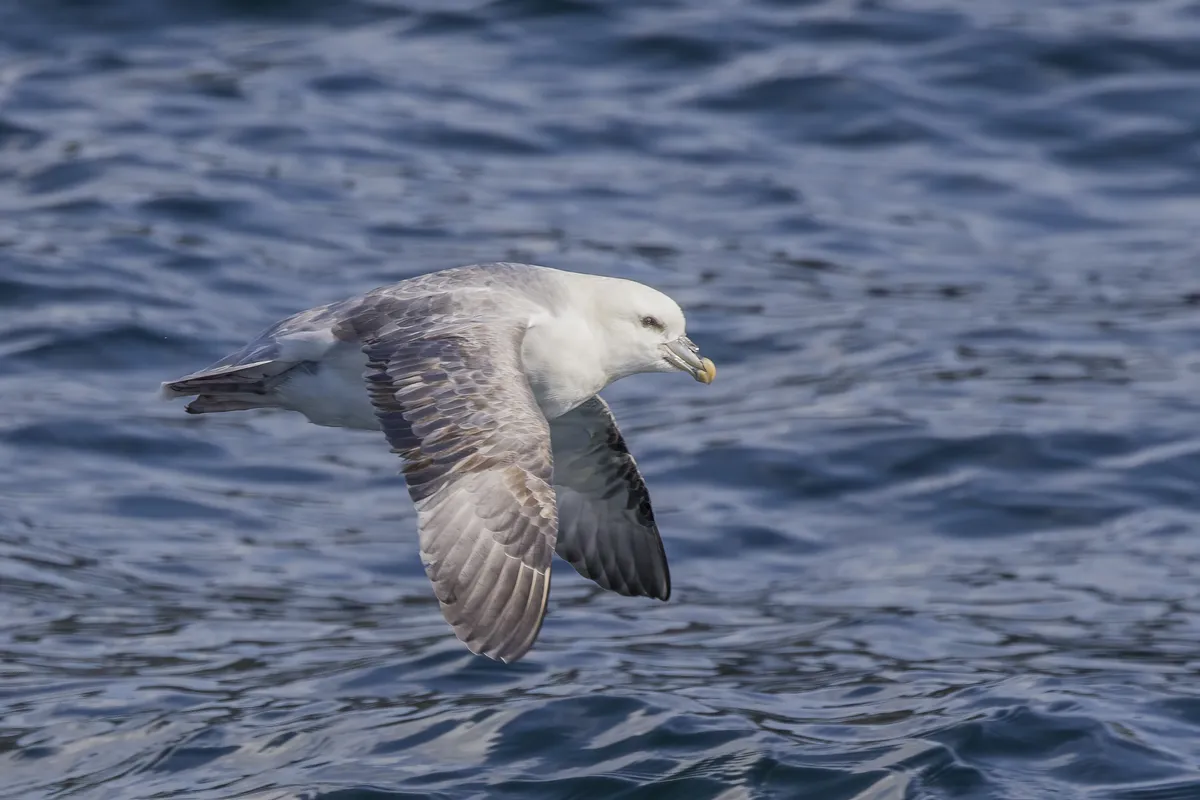
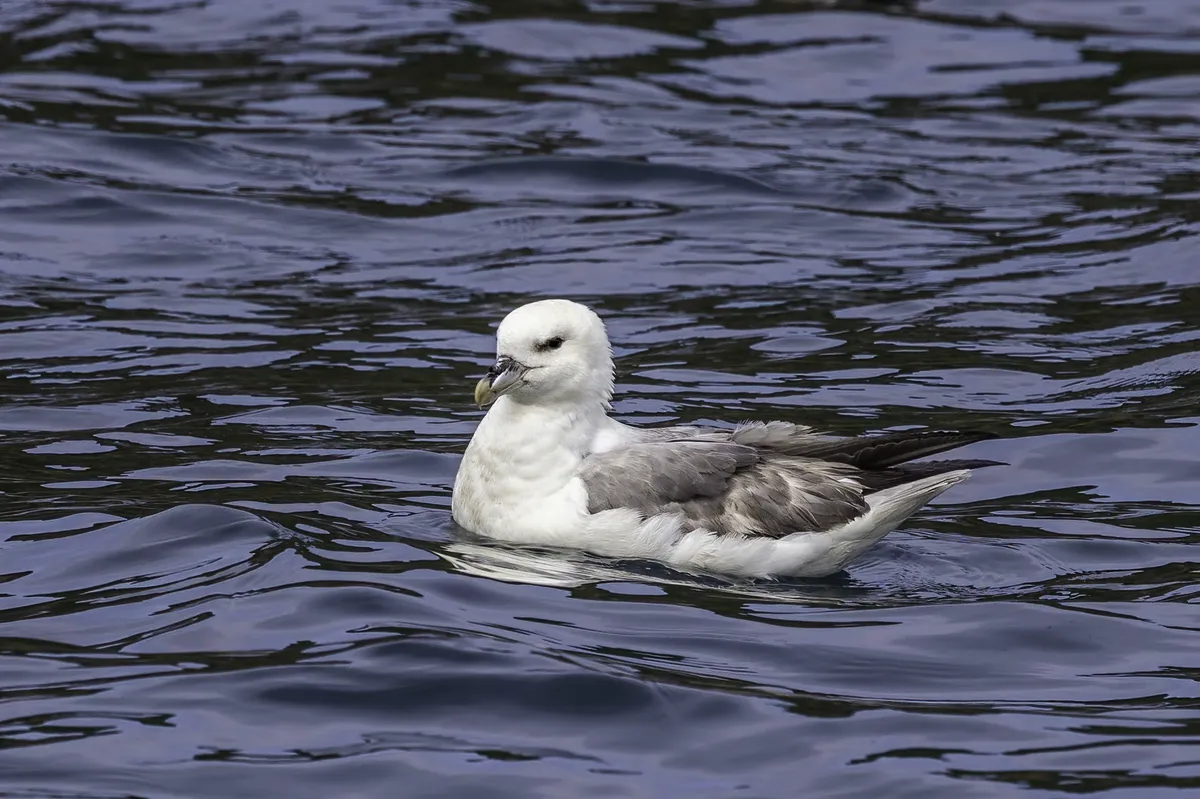
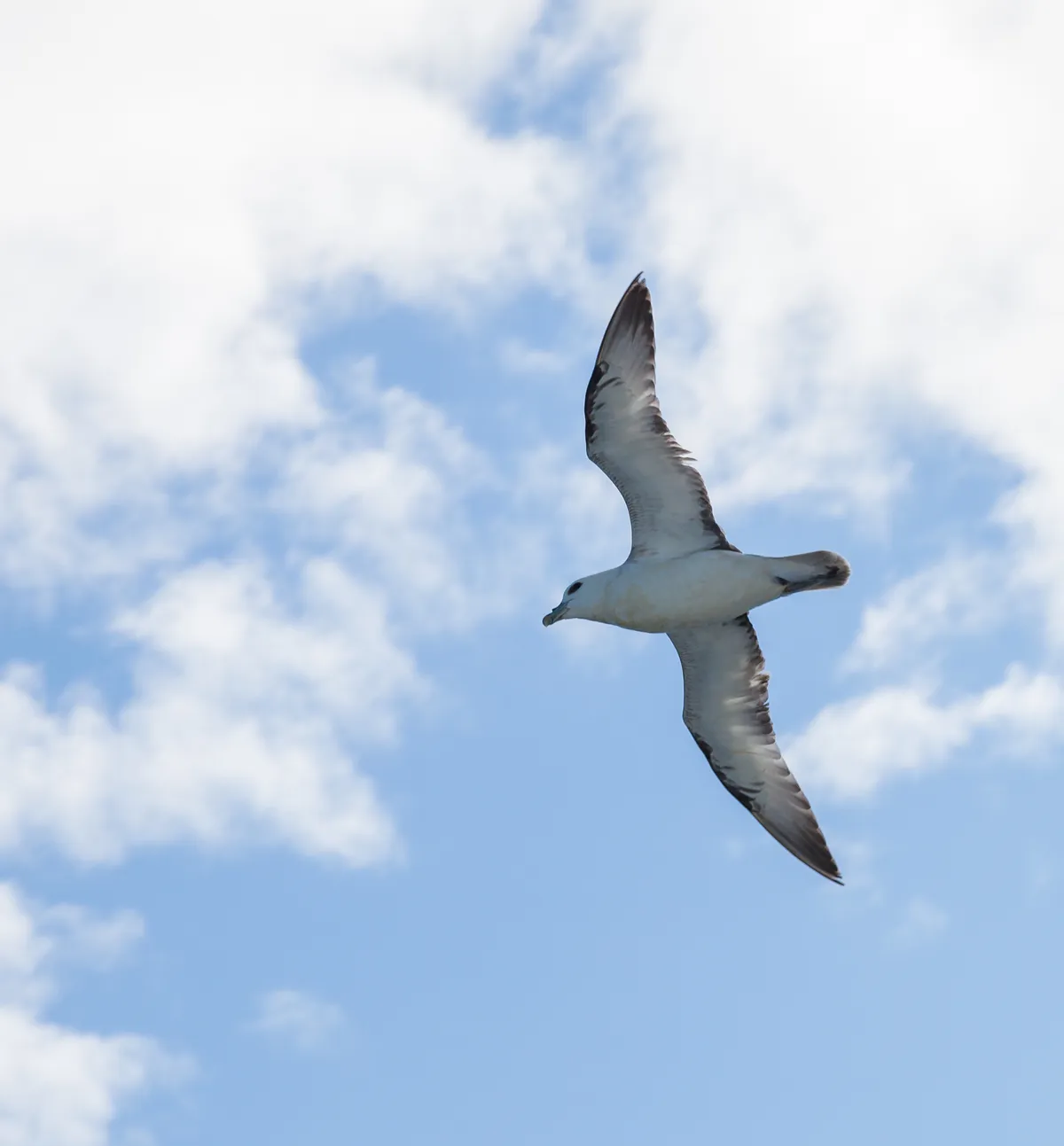
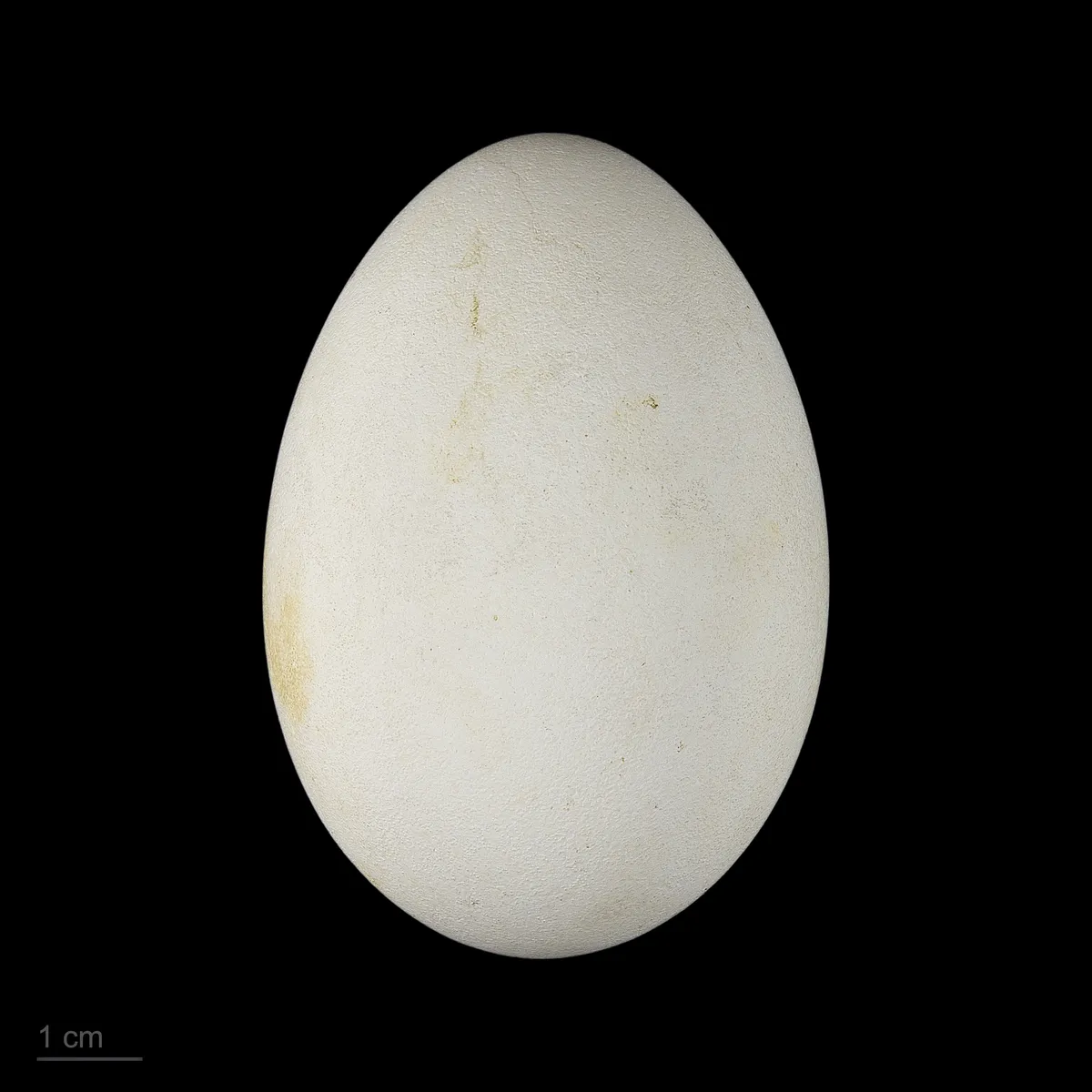
A large seabird belonging to the family Procellariidae, widely distributed across North Atlantic and North Pacific marine environments, characterized by robust flight capabilities and pelagic lifestyle.
Image Gallery
ADSENSE SLOT
Ecology & Habitat
Habitat
Coastal and oceanic regions of the North Atlantic and North Pacific, nesting on rocky cliff faces in subarctic and arctic regions, with breeding colonies primarily located in Iceland, Scotland, Norway, and Alaska.
Ecological Role
Critical marine predator and indicator species for oceanic ecosystem health, playing significant roles in marine food webs and serving as bioindicators of marine environmental changes and climate impact.
Morphology
SKIN COATDense, waterproof plumage in color variations of gray, white, and pale morphs, providing thermal and water-resistance
LIMBS WINGSLong, narrow wings for efficient gliding, webbed feet for swimming, specialized for extended oceanic flight
HEAD SENSORYLarge nasal tubes on bill, excellent olfactory capabilities, keen vision for marine navigation and prey detection
BODY STRUCTUREMedium-sized seabird, 45-50 cm in length, wingspan of 100-110 cm, body mass 600-1000 g, with robust, stocky build adapted for marine environments
Data Source: TaxonHub Database
Image Credit: Hobbyfotowiki