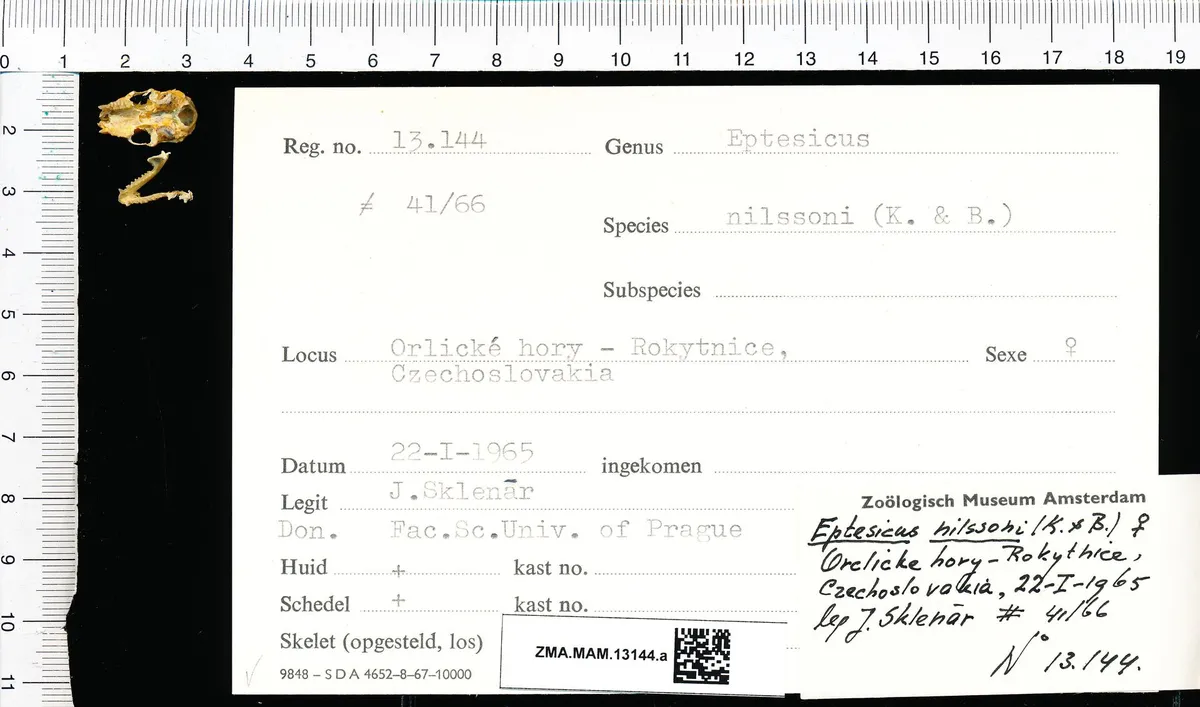
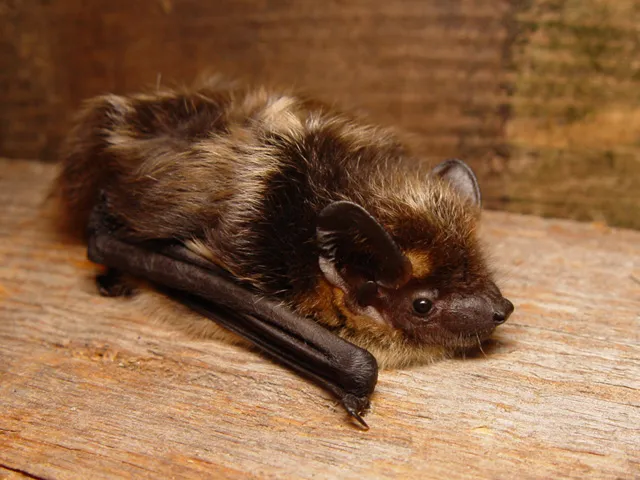
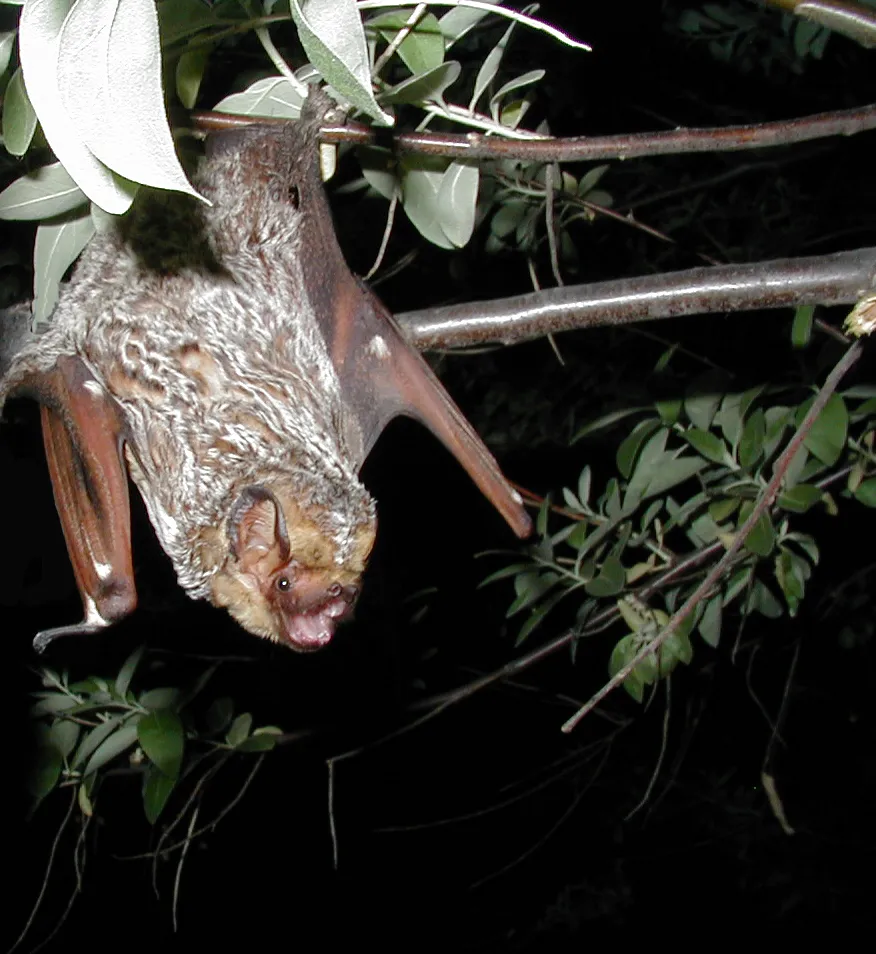
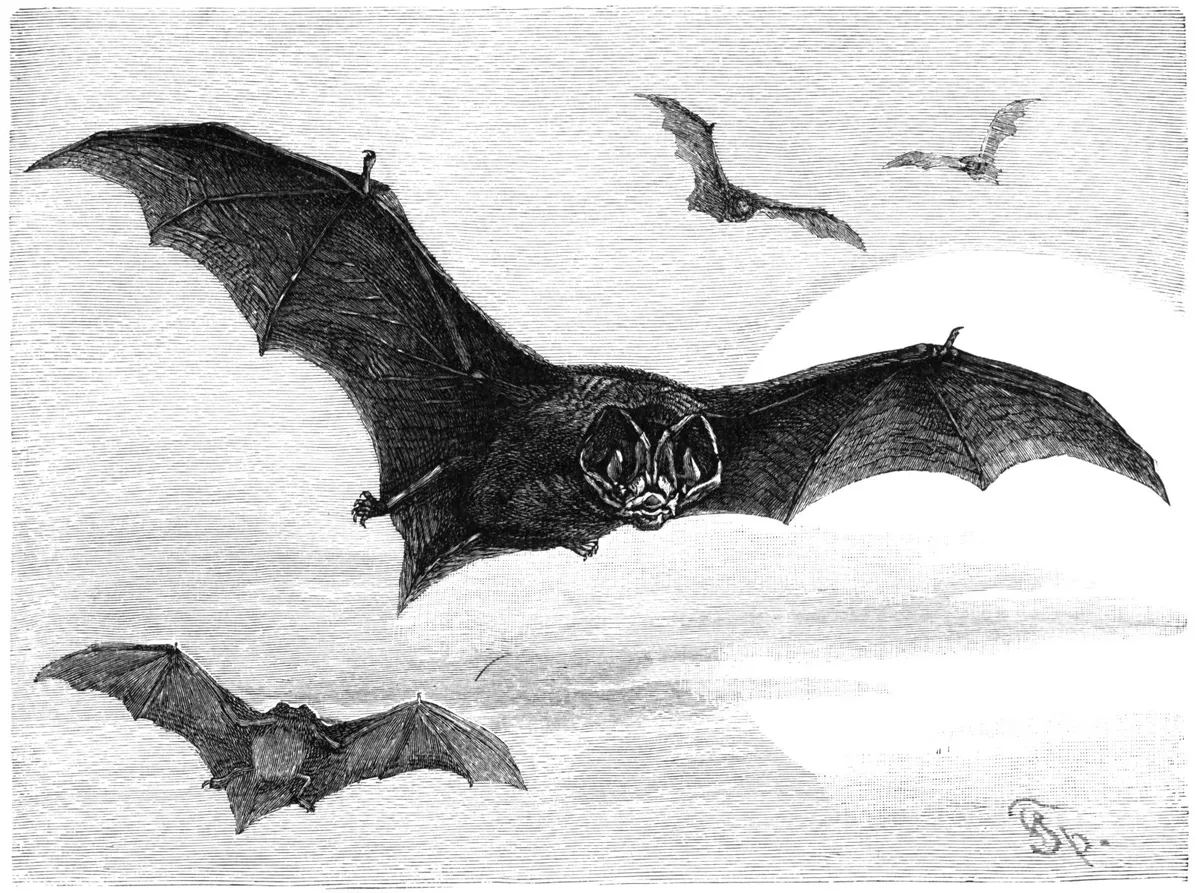
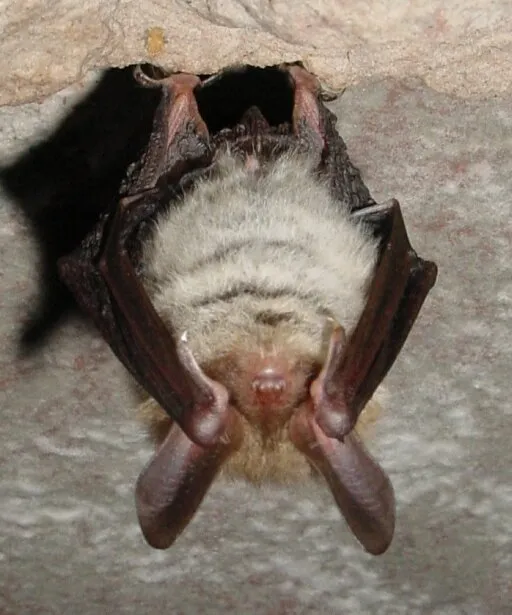
A small vespertilionid bat species native to northern European and Asian regions, characterized by its adaptability to cold climates and nocturnal insectivorous behavior.
Image Gallery
ADSENSE SLOT
Ecology & Habitat
Habitat
Temperate and boreal forest zones, including mixed woodlands, mountain regions, and urban areas with suitable roosting sites like tree cavities, building attics, and rock crevices across Scandinavia, Northern Europe, and parts of Russia
Ecological Role
Key insect population regulator, consuming approximately 3-4 grams of insects per night, contributing to ecological balance and serving as indicator species for forest and urban ecosystem health
Morphology
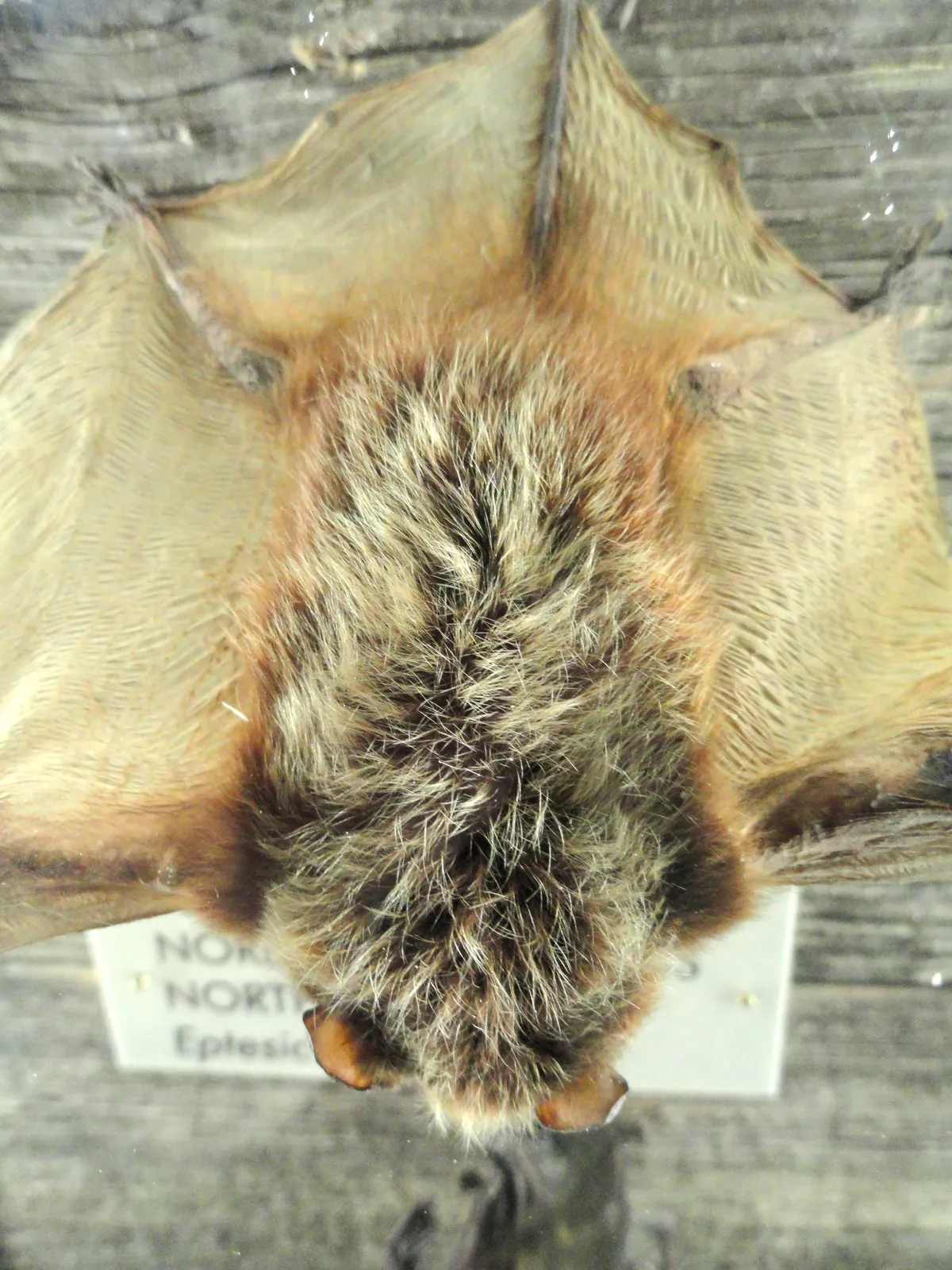
SKIN COATDense fur, brown to dark brown coloration, slightly lighter ventral surface
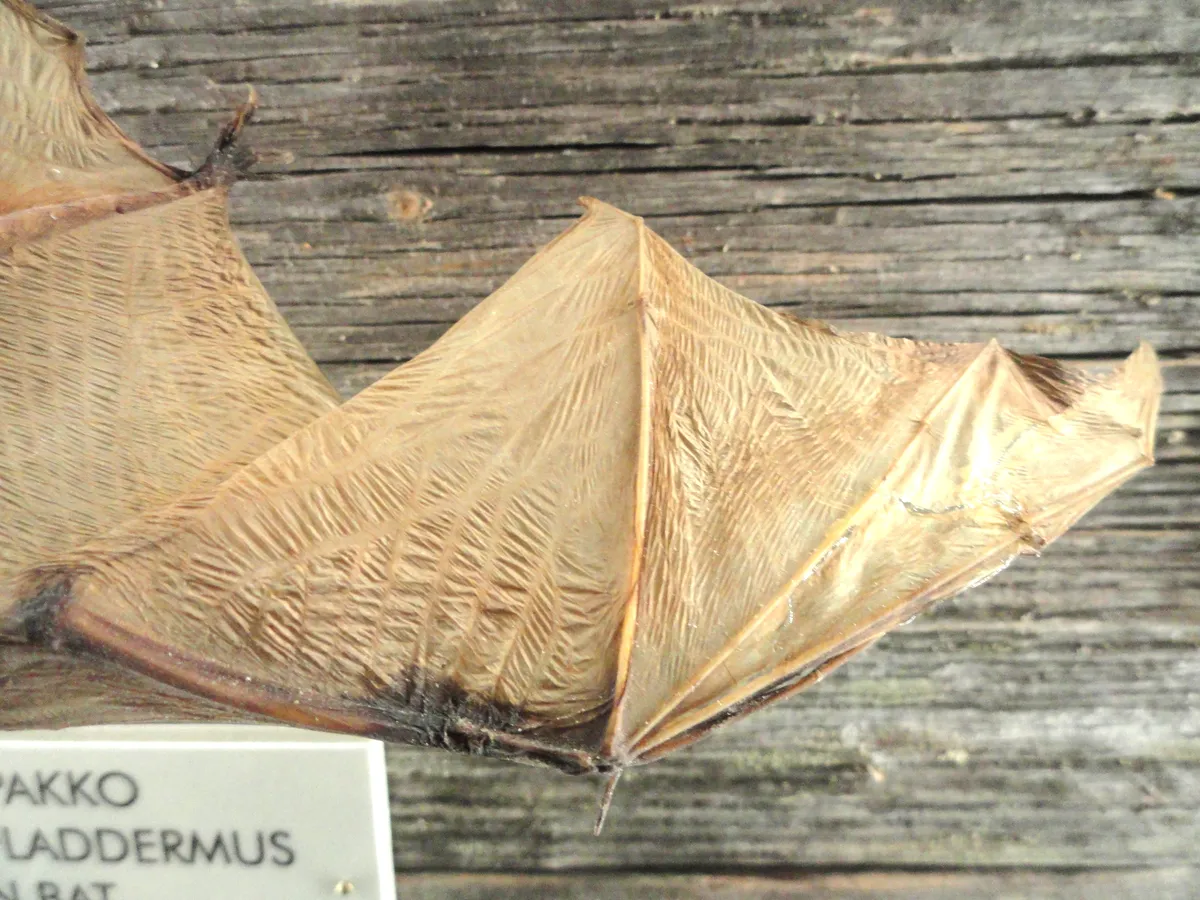
LIMBS WINGSDark brown to black wing membranes, wingspan approximately 250-300 mm, adapted for agile aerial hunting
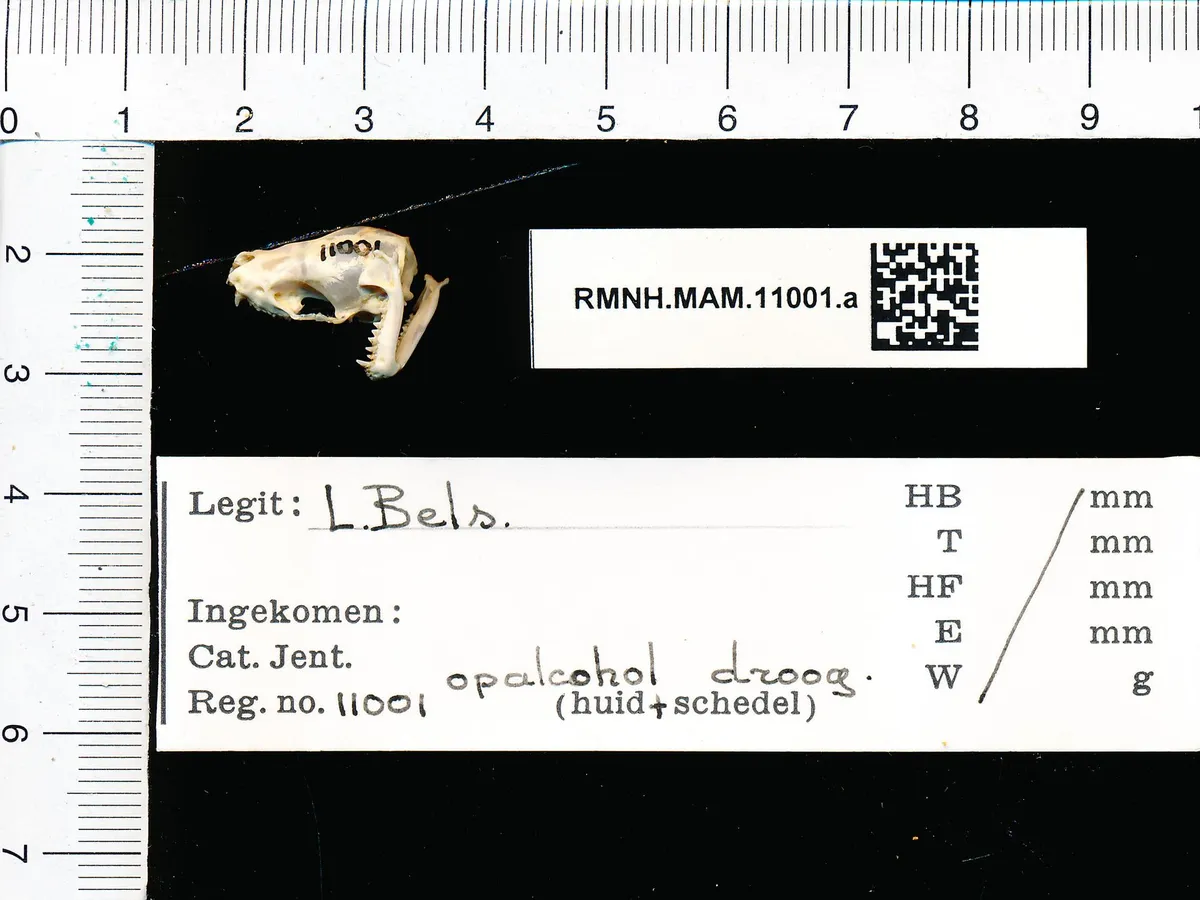
HEAD SENSORYLarge ears, triangular shape, sophisticated echolocation system with frequency range 25-85 kHz
BODY STRUCTURESmall bat, body length 45-55 mm, forearm length 35-42 mm, weight 7-15 grams
Data Source: TaxonHub Database
Image Credit: Daderot