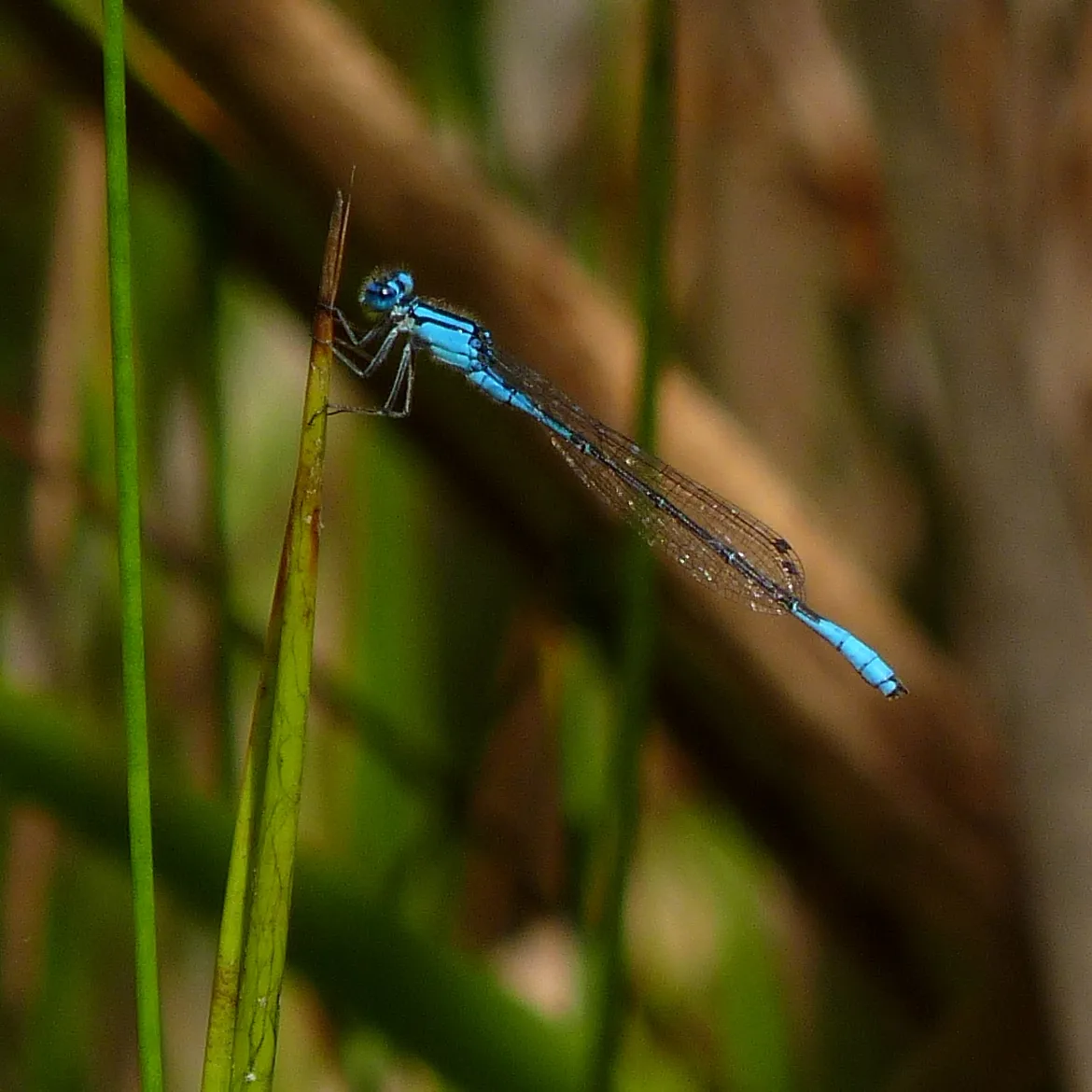
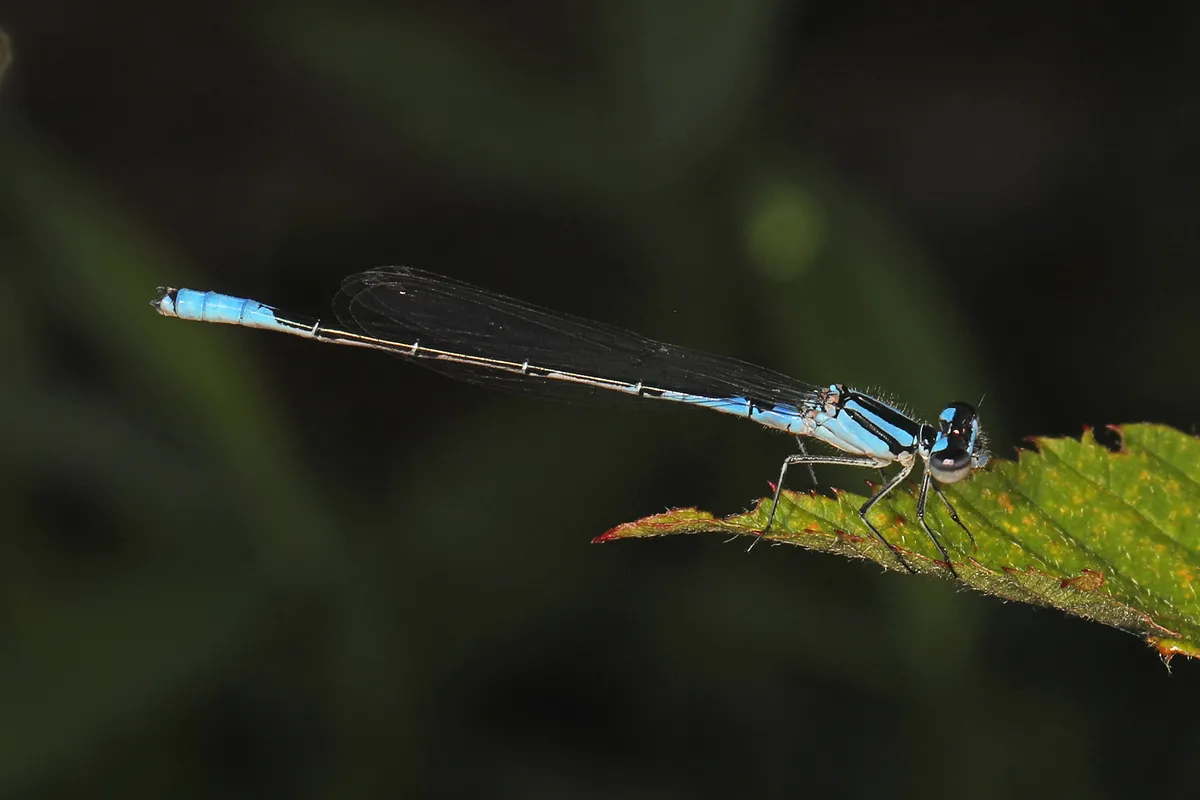
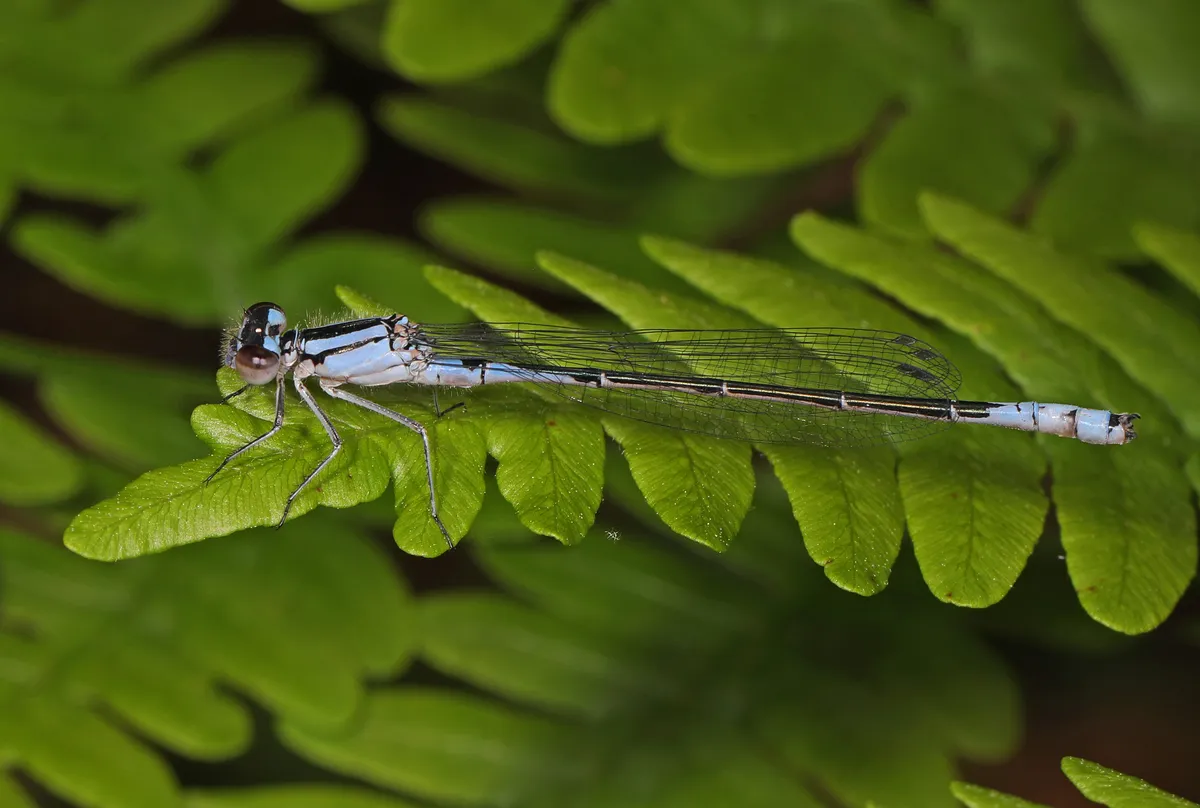
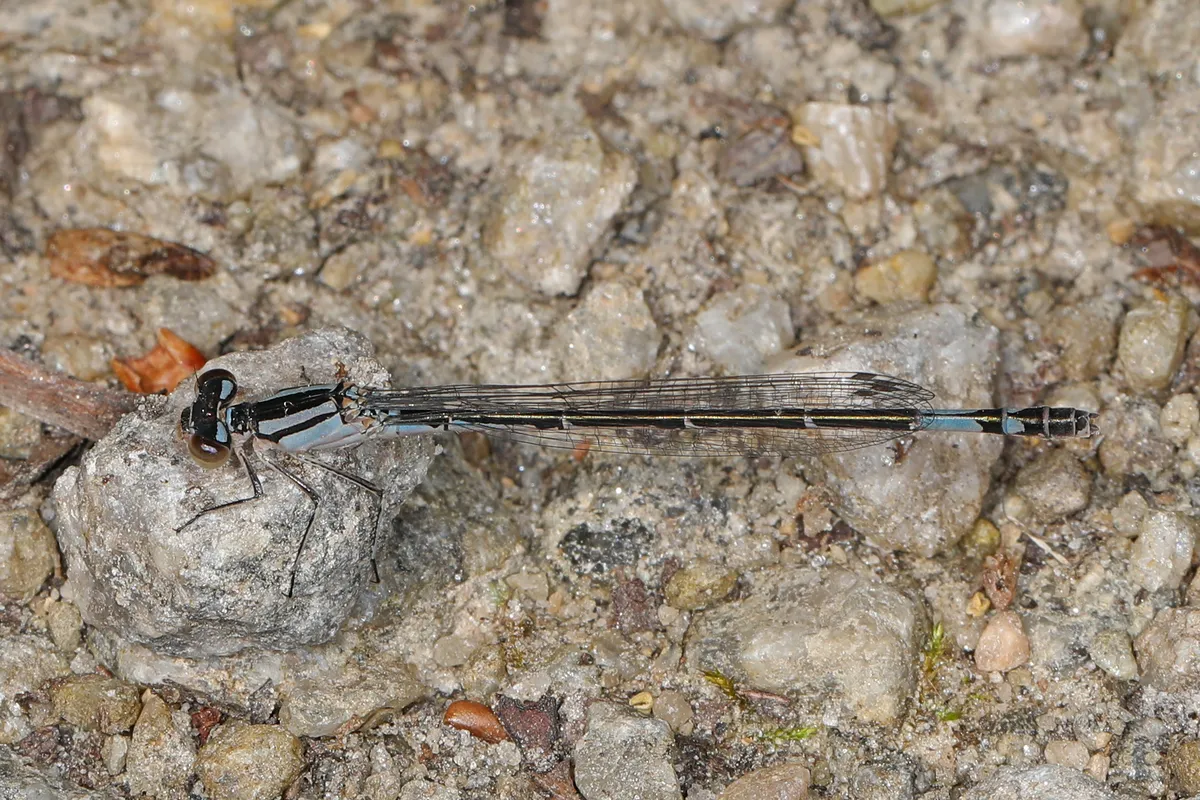
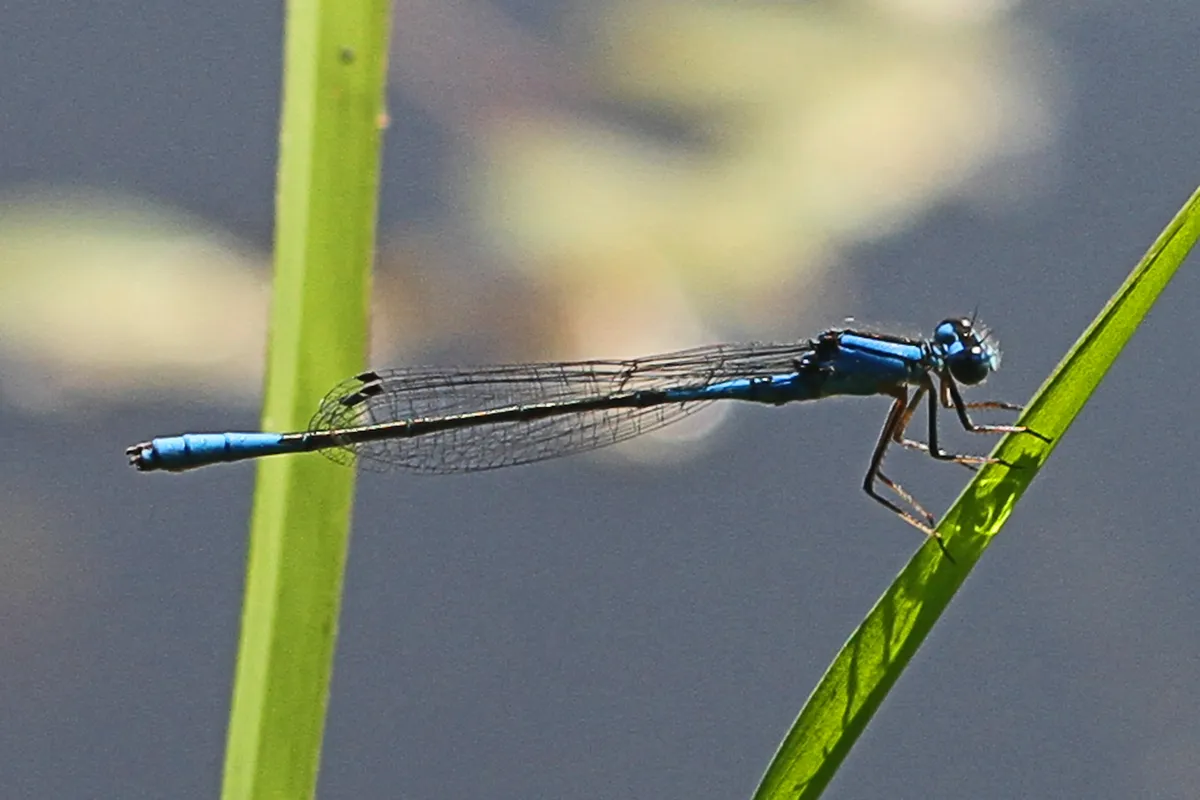
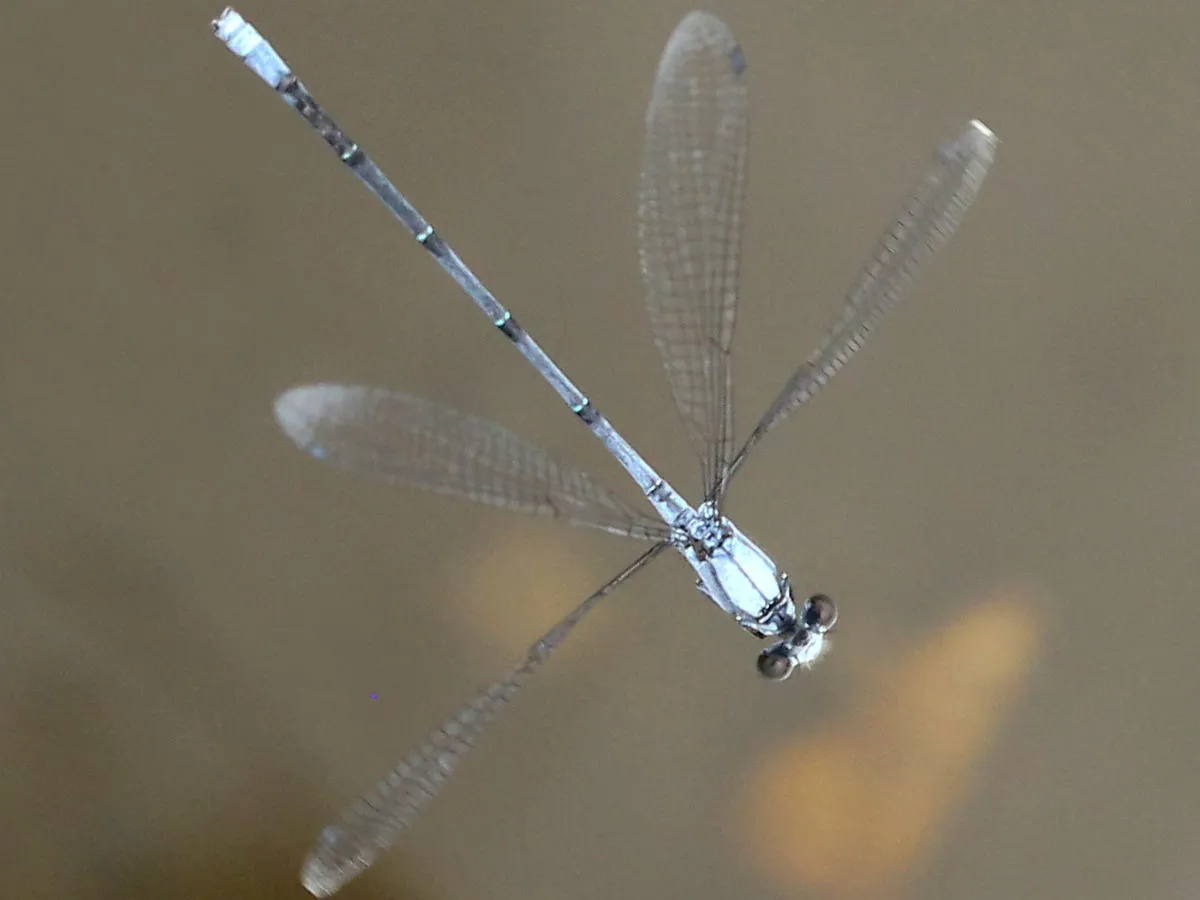
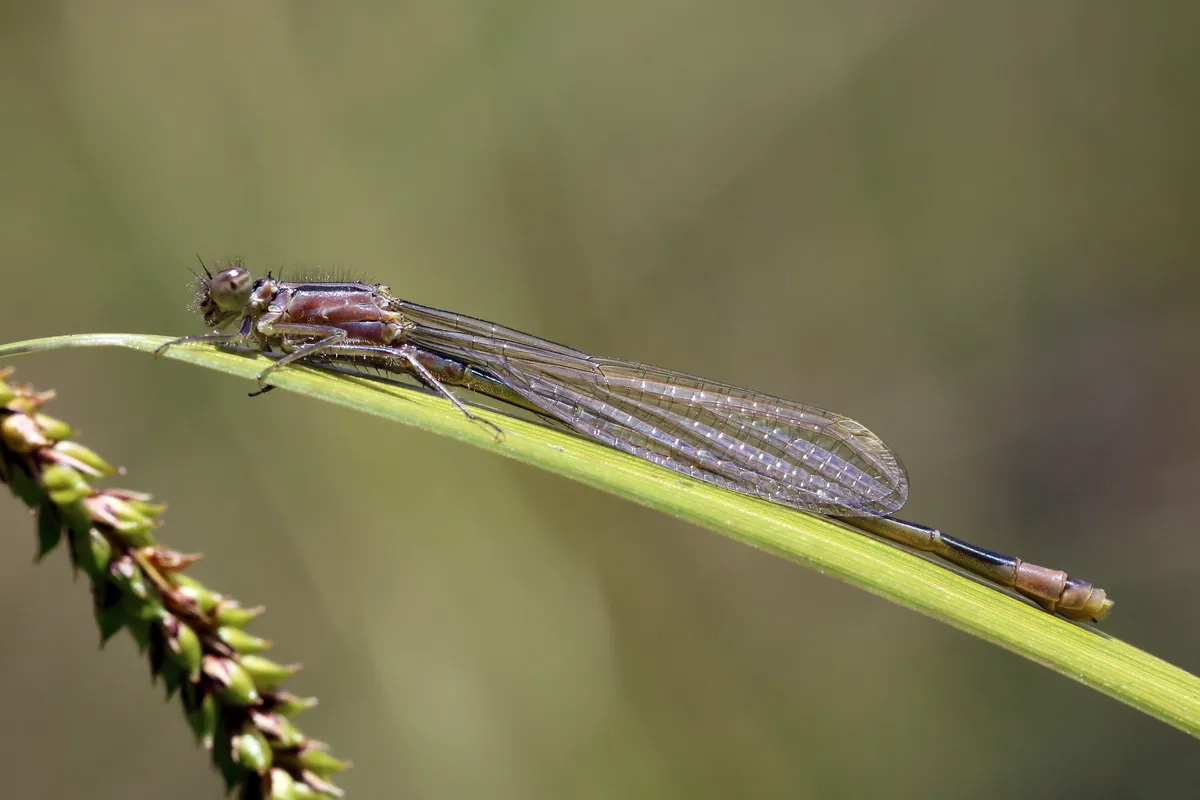
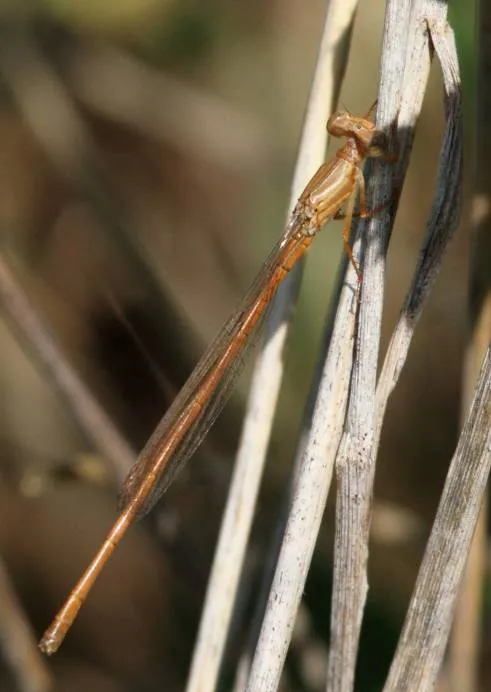
A small damselfly species native to North America, characterized by its distinctive blue and black coloration in males, with complex territorial and reproductive behaviors.
Image Gallery
ADSENSE SLOT
Ecology & Habitat
Habitat
Freshwater ecosystems including ponds, slow-moving streams, marshes, and wetland areas with abundant aquatic vegetation, primarily in temperate regions of North America.
Ecological Role
Important indicator species for aquatic ecosystem health, serving as both predator and prey in freshwater food webs, contributing to biological pest control and serving as bioindicators of water quality.
Morphology
SKIN COATExoskeleton with blue and black coloration, males more vibrant than females
LIMBS WINGSTwo pairs of translucent, membranous wings, capable of precise aerial maneuverability, delicate legs adapted for perching
HEAD SENSORYLarge compound eyes, short antennae, excellent visual perception for hunting and navigation
BODY STRUCTURESmall damselfly, approximately 30-35 mm in total length, slender body with elongated abdomen
Data Source: TaxonHub Database
Image Credit: Philip Garmen