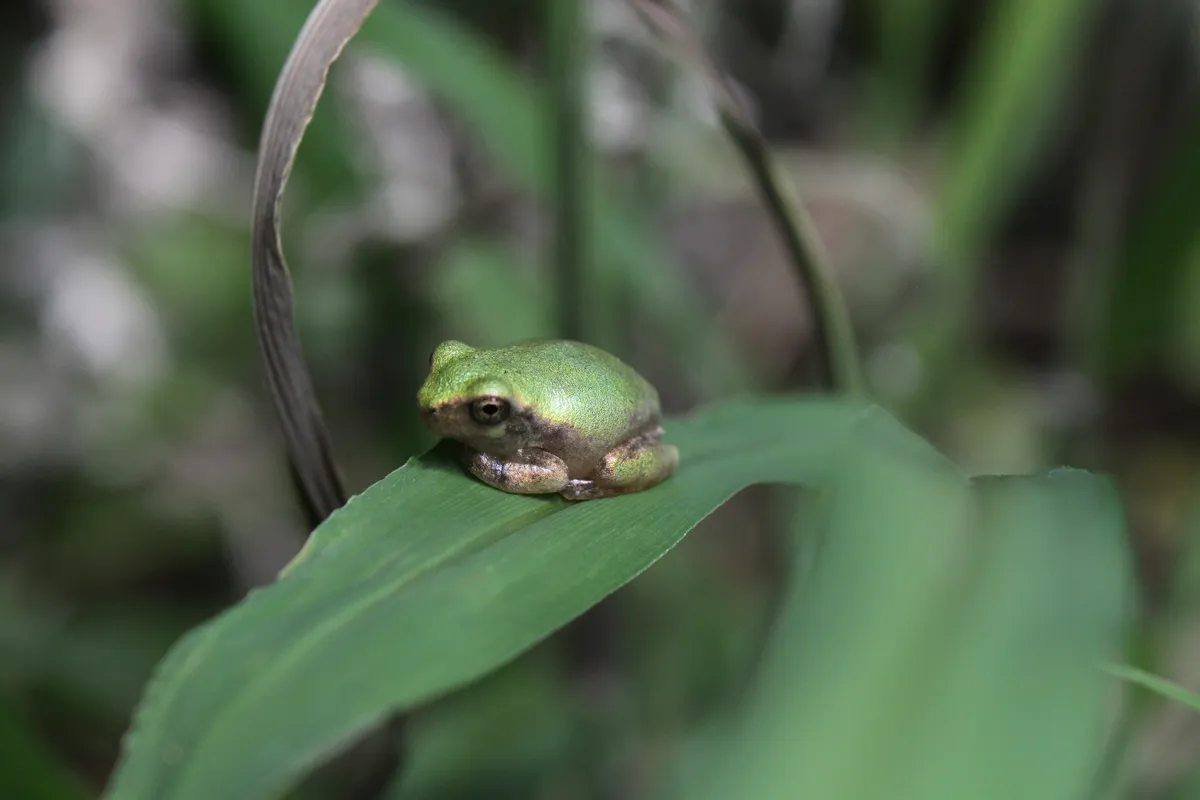
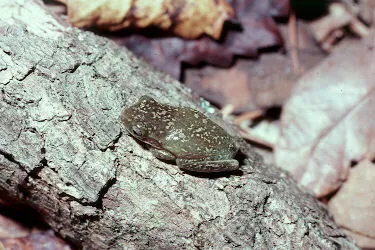
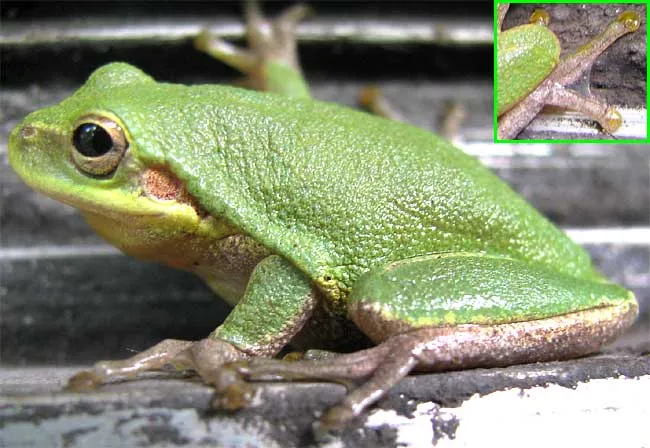
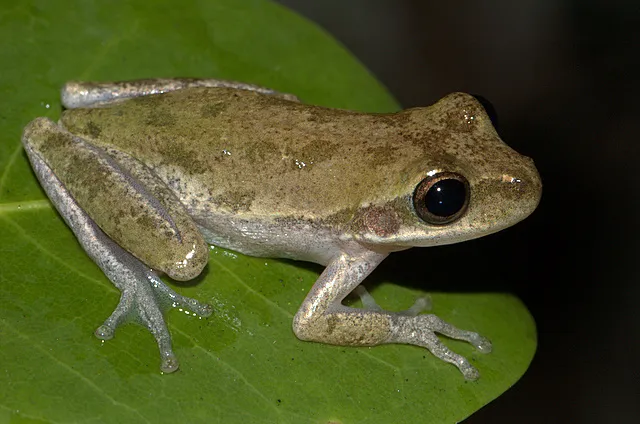
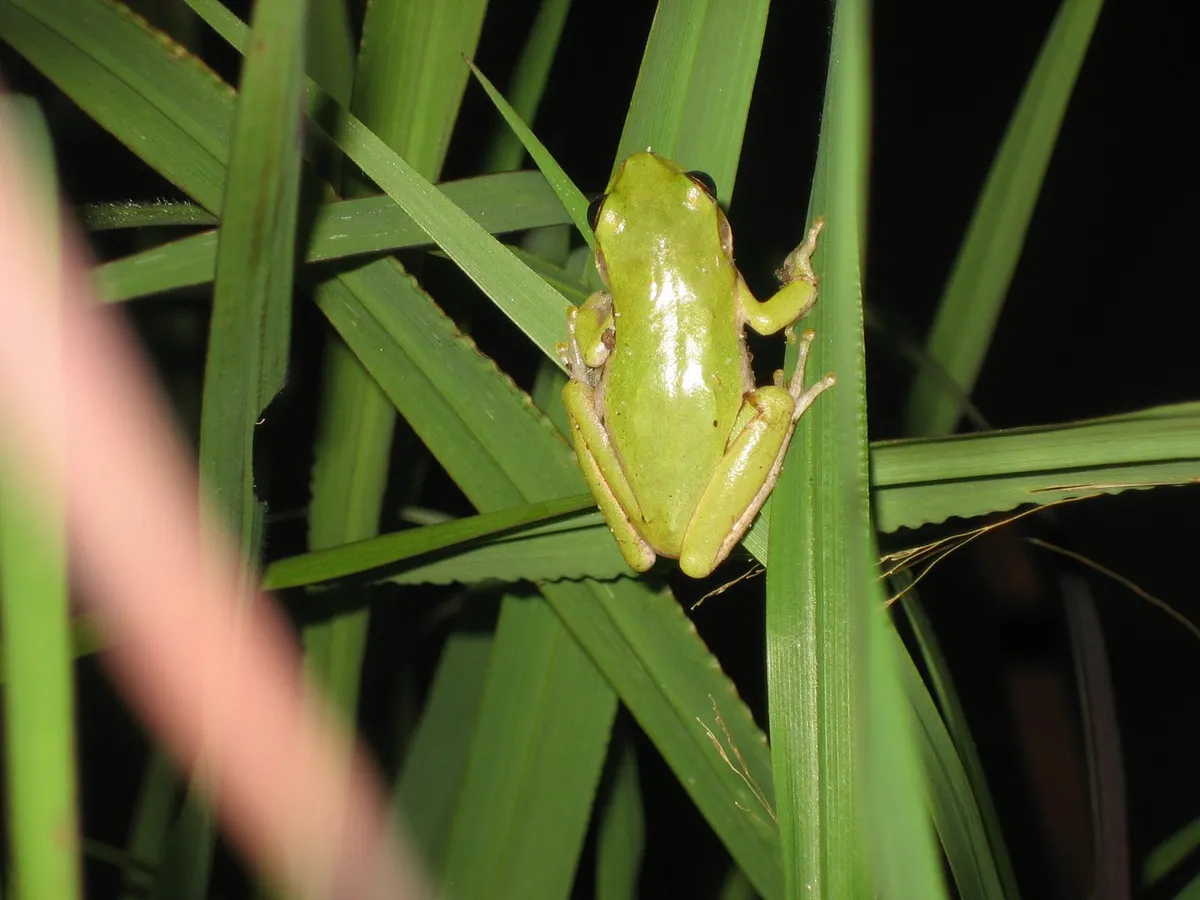
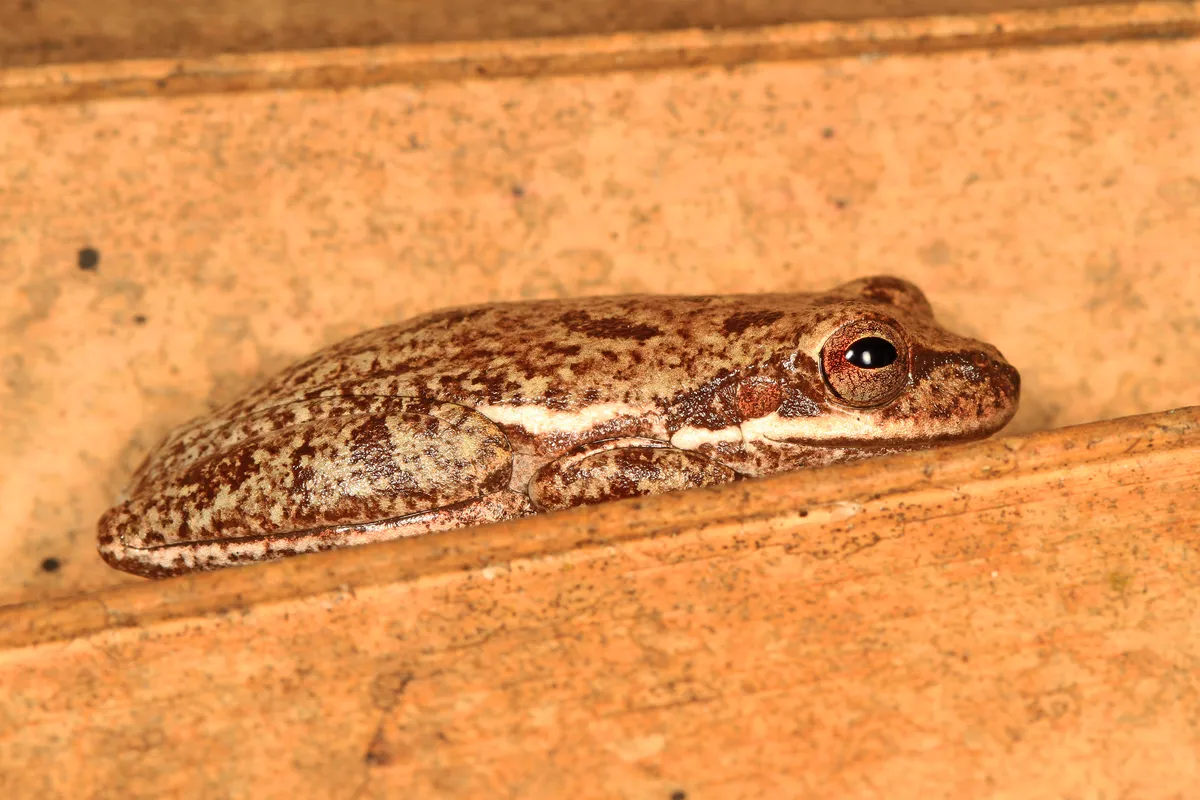
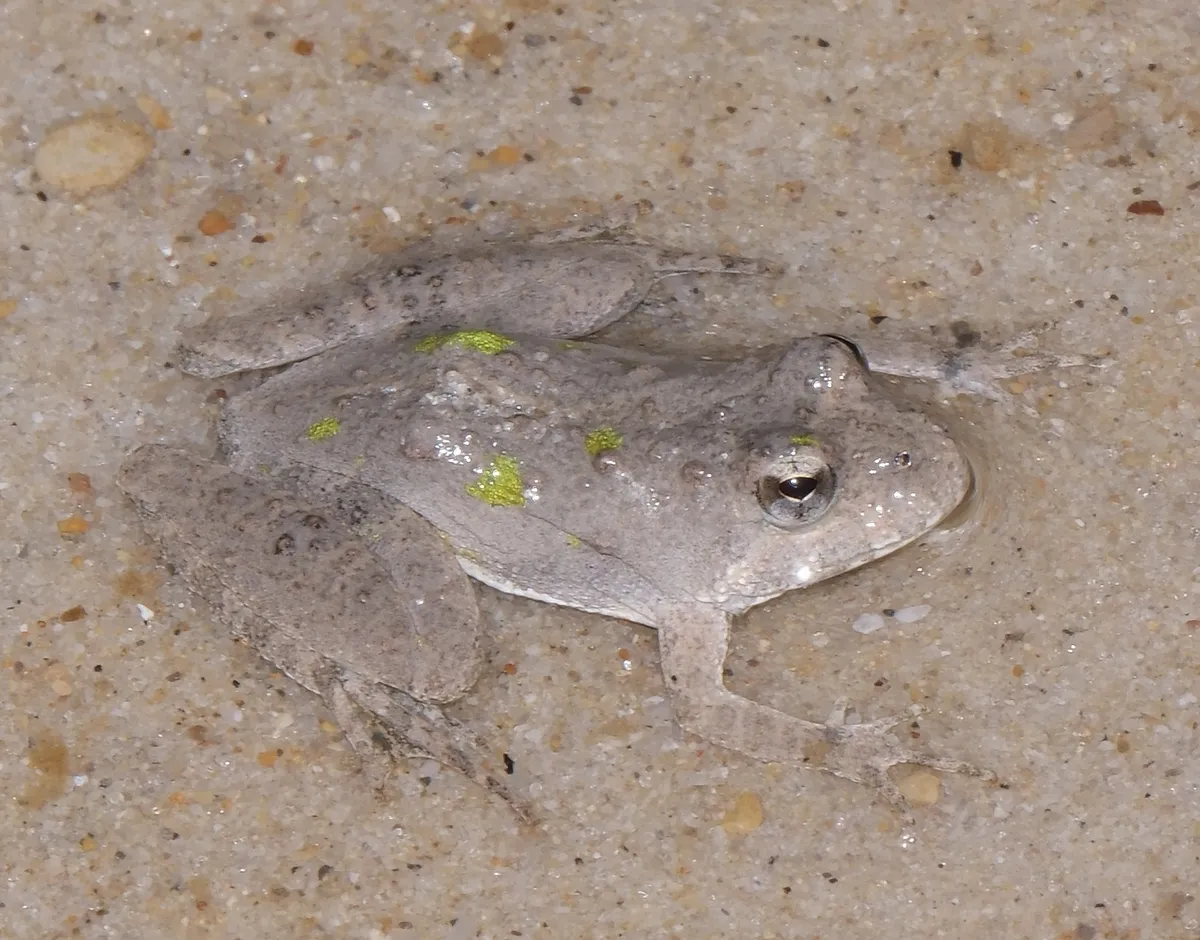
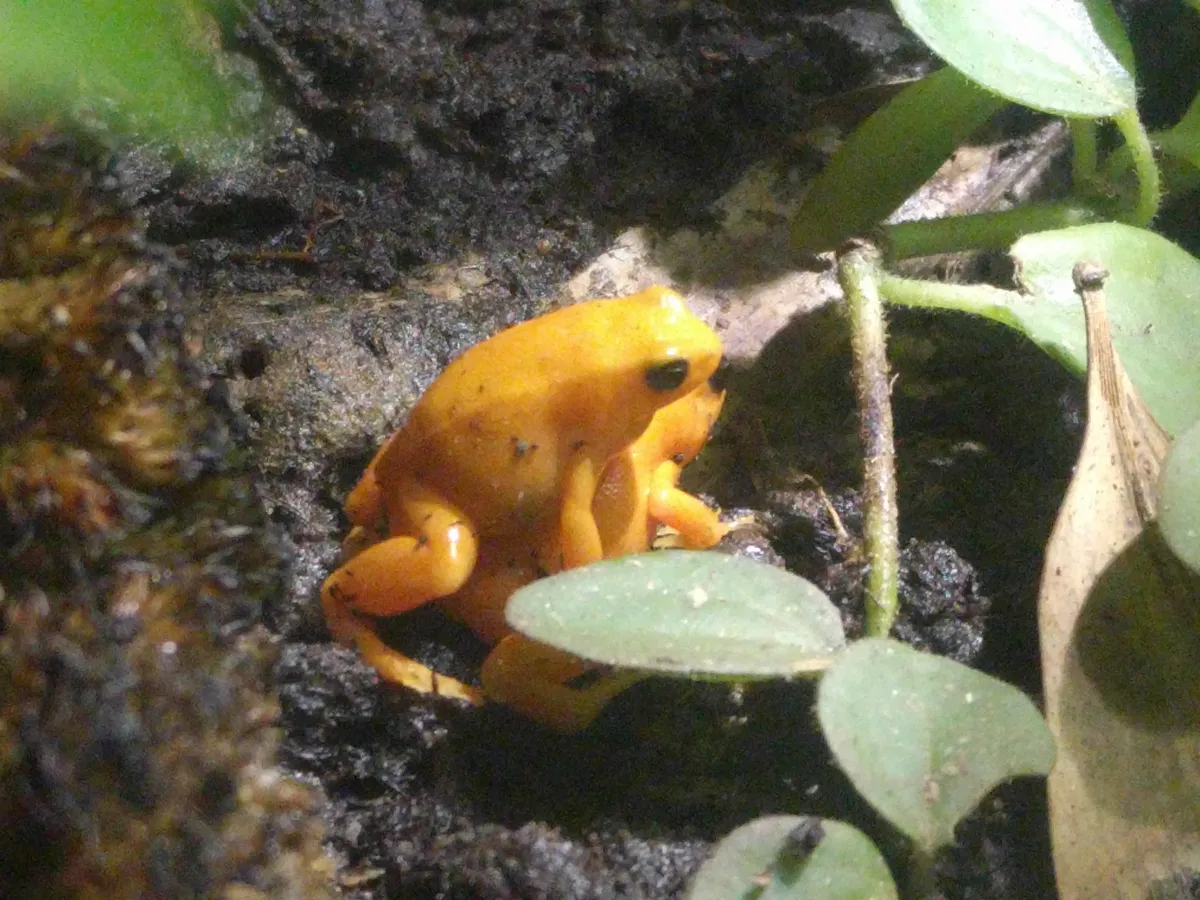
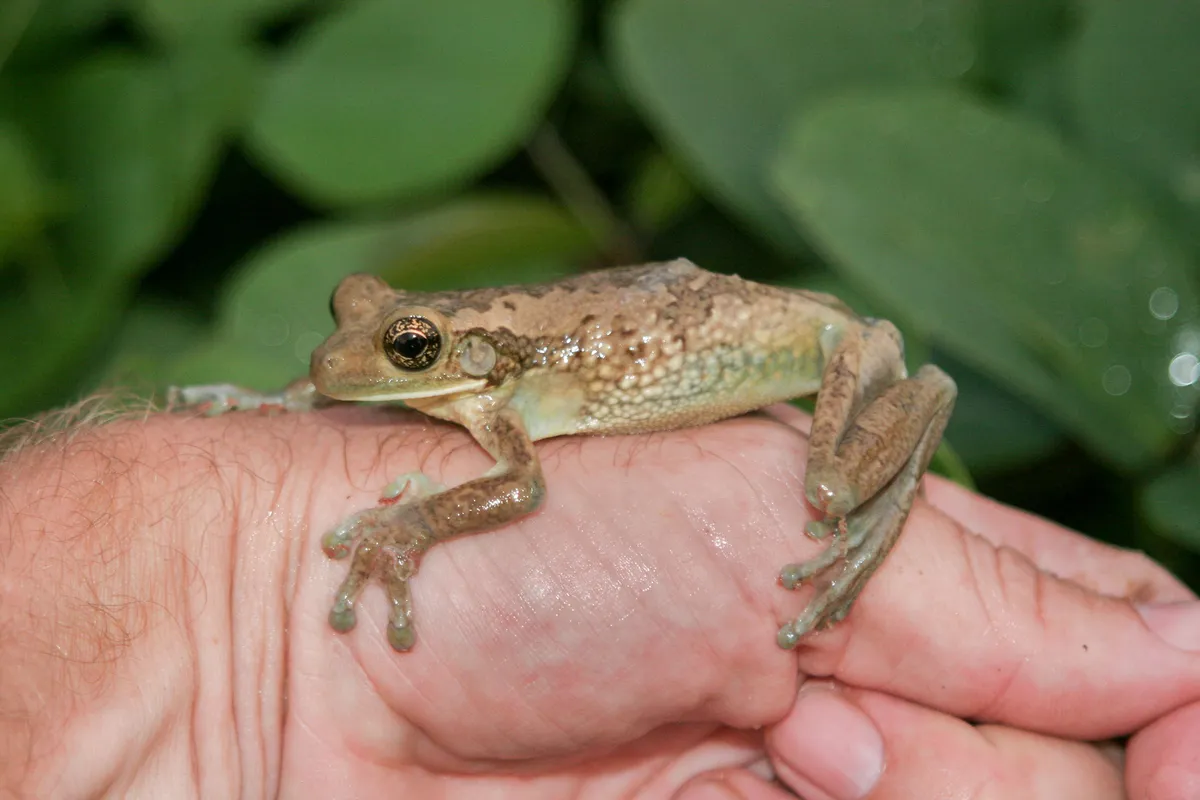
Small arboreal amphibian native to southeastern United States, characterized by its ability to rapidly change color and inhabit diverse woodland and urban environments.
Image Gallery
ADSENSE SLOT
Ecology & Habitat
Habitat
Deciduous and pine forests, woodland edges, gardens, suburban areas across southeastern United States, ranging from southeastern Virginia to eastern Texas and Florida
Ecological Role
Critical insectivore in forest ecosystems, controlling arthropod populations; serves as prey for various predators including snakes, birds, and small mammals
Morphology
SKIN COATSmooth, moist skin capable of rapid color change from green to gray or brown for camouflage
LIMBS WINGSSpecialized toe pads for arboreal locomotion; long, agile hind limbs for jumping
HEAD SENSORYLarge, prominent eyes with excellent vision; well-developed tympanum for sound perception
BODY STRUCTURESmall frog, typically 2.5-4.4 cm in length, lightweight and slender body adapted for tree climbing
Data Source: TaxonHub Database
Image Credit: NPS Photo