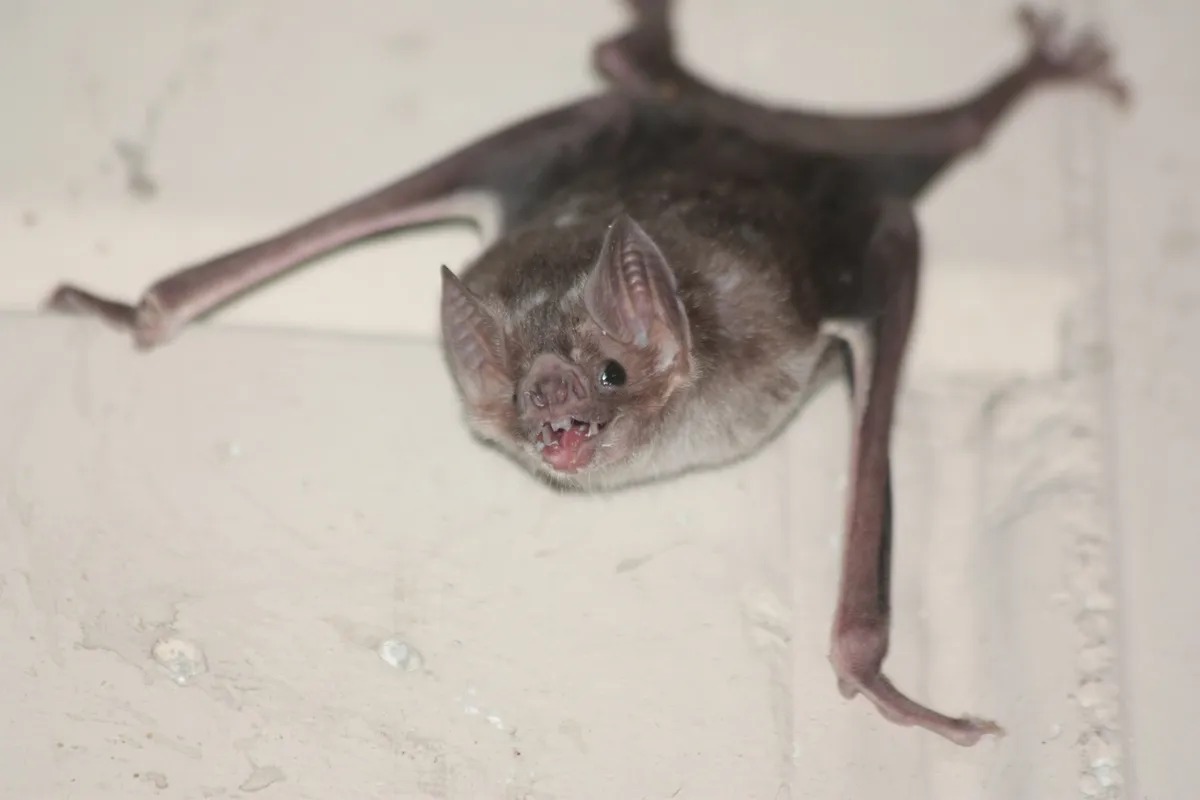
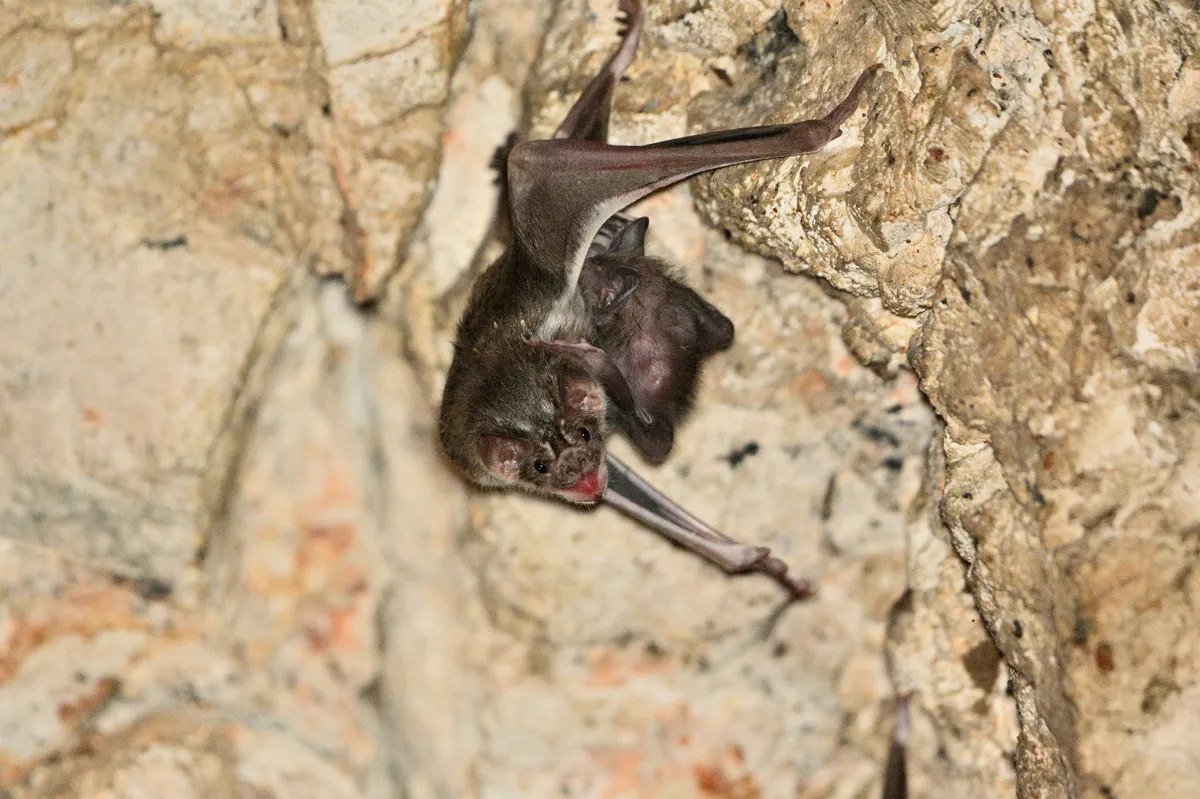
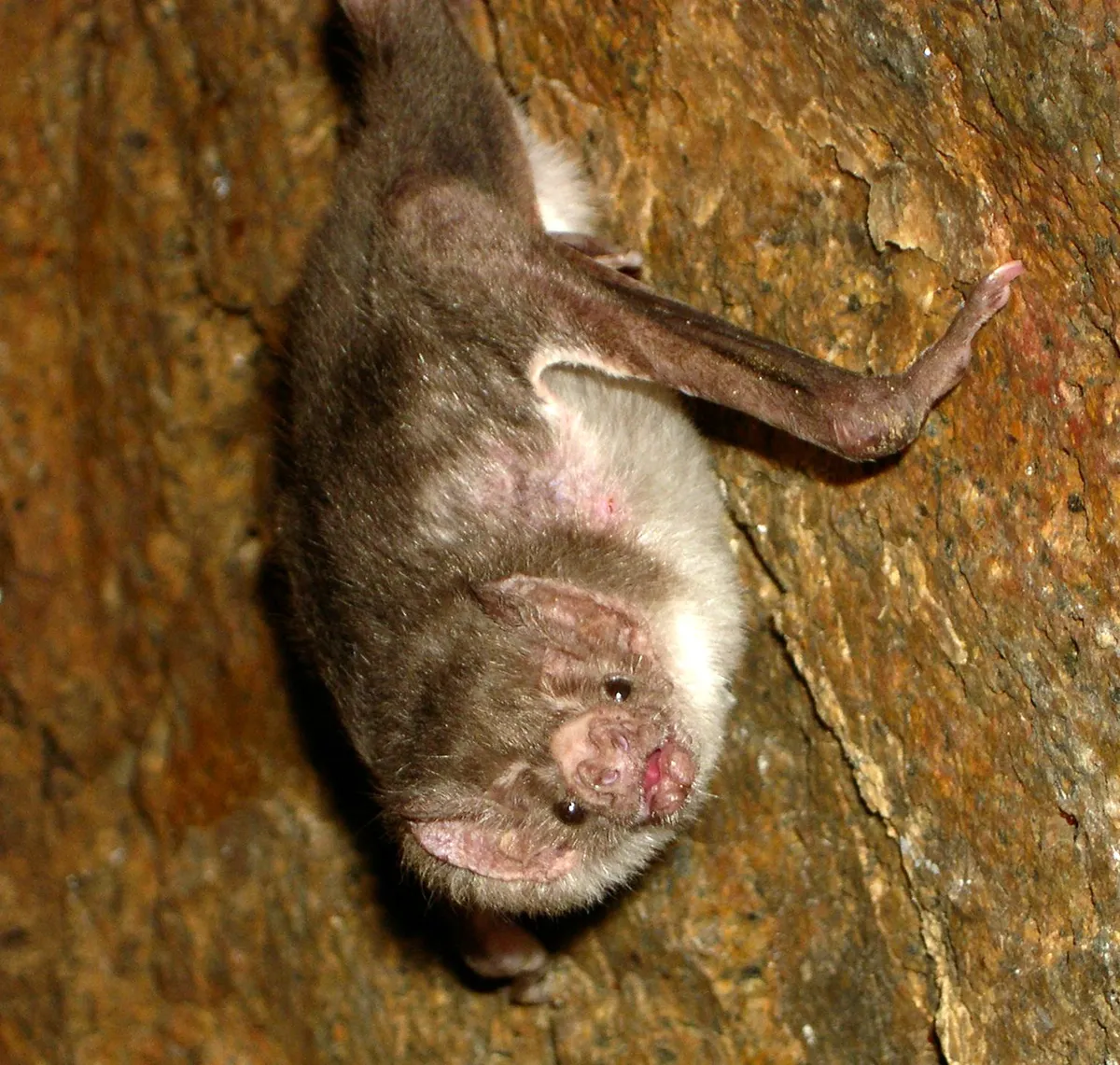
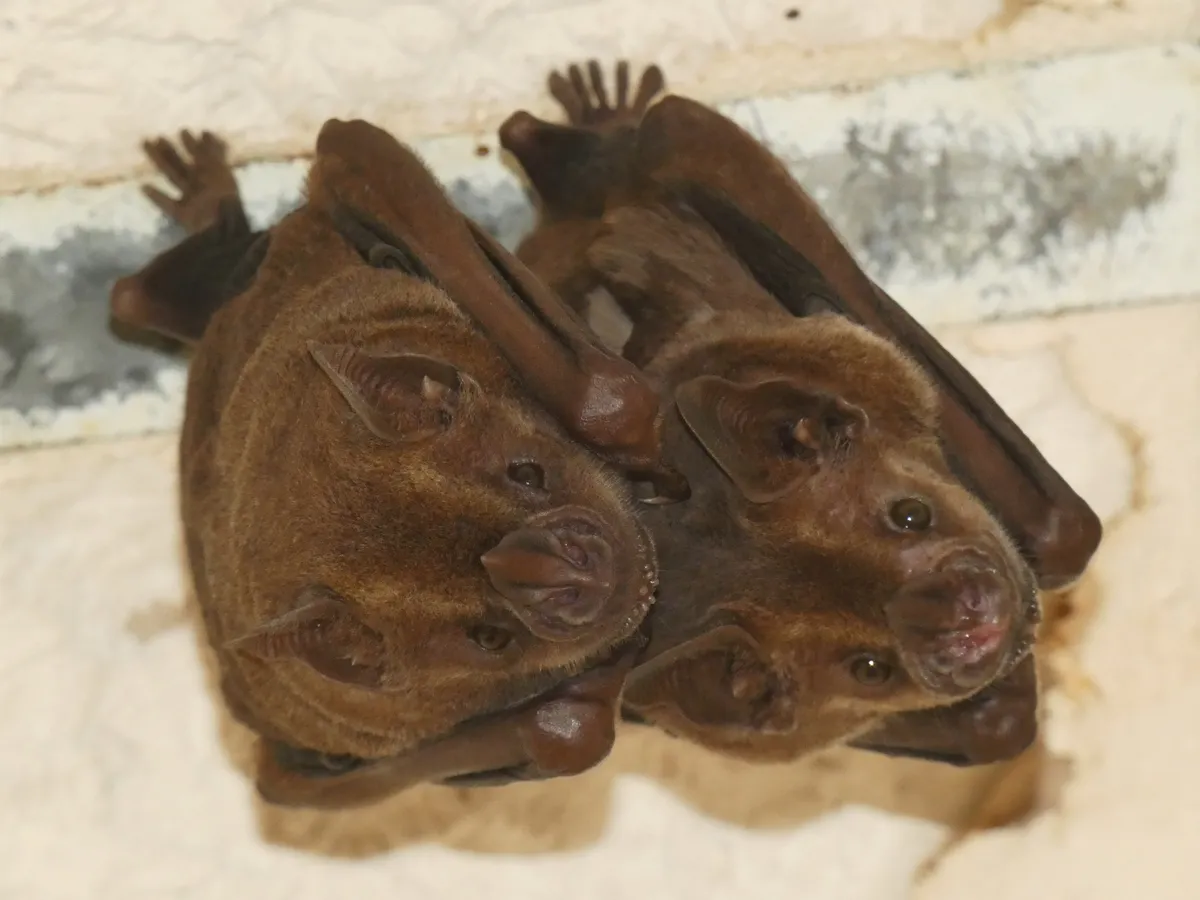
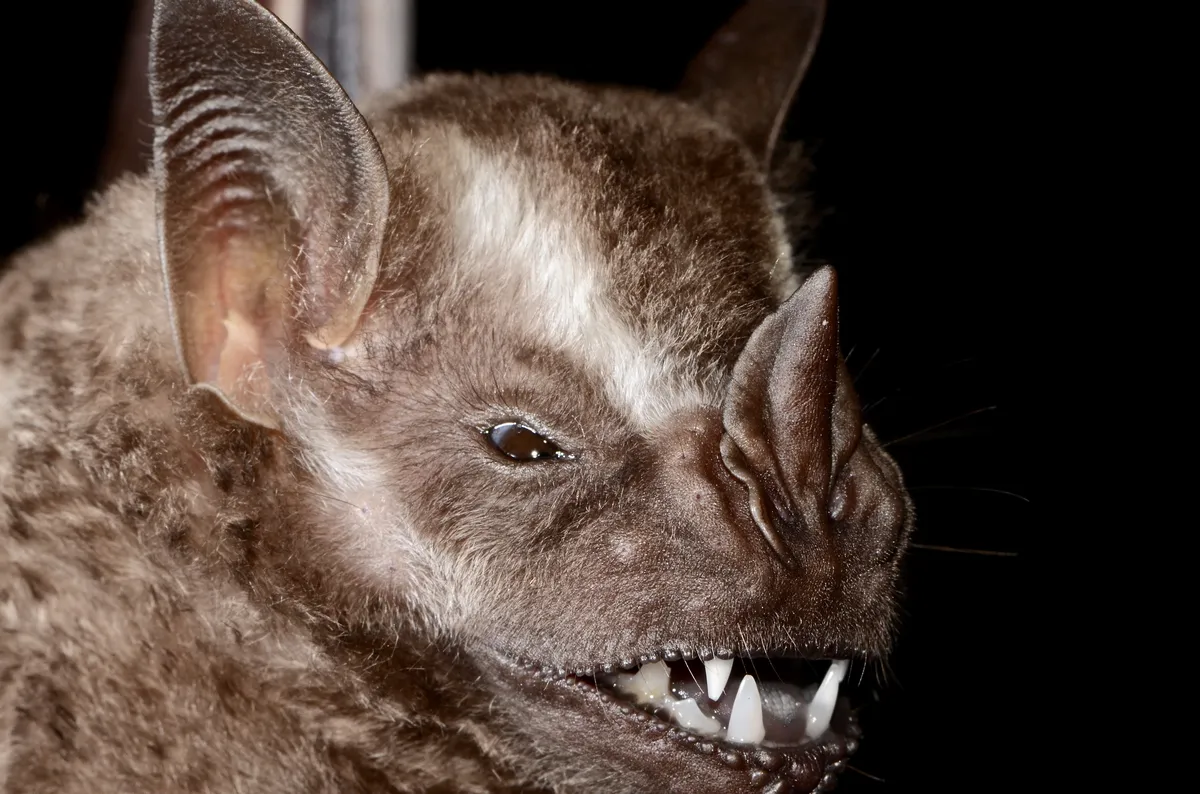
A unique hematophagous bat species native to the Americas, known for its specialized blood-feeding behavior and remarkable adaptations for nocturnal predation.
Image Gallery
ADSENSE SLOT
Ecology & Habitat
Habitat
Distributed across Central and South America, ranging from Mexico to Argentina, inhabiting tropical and subtropical forests, grasslands, and human-modified landscapes including agricultural and urban areas.
Ecological Role
Critical role in ecosystem dynamics as a specialized blood-feeding predator, helping control large mammal populations and serving as a potential vector for zoonotic diseases like rabies.
Morphology
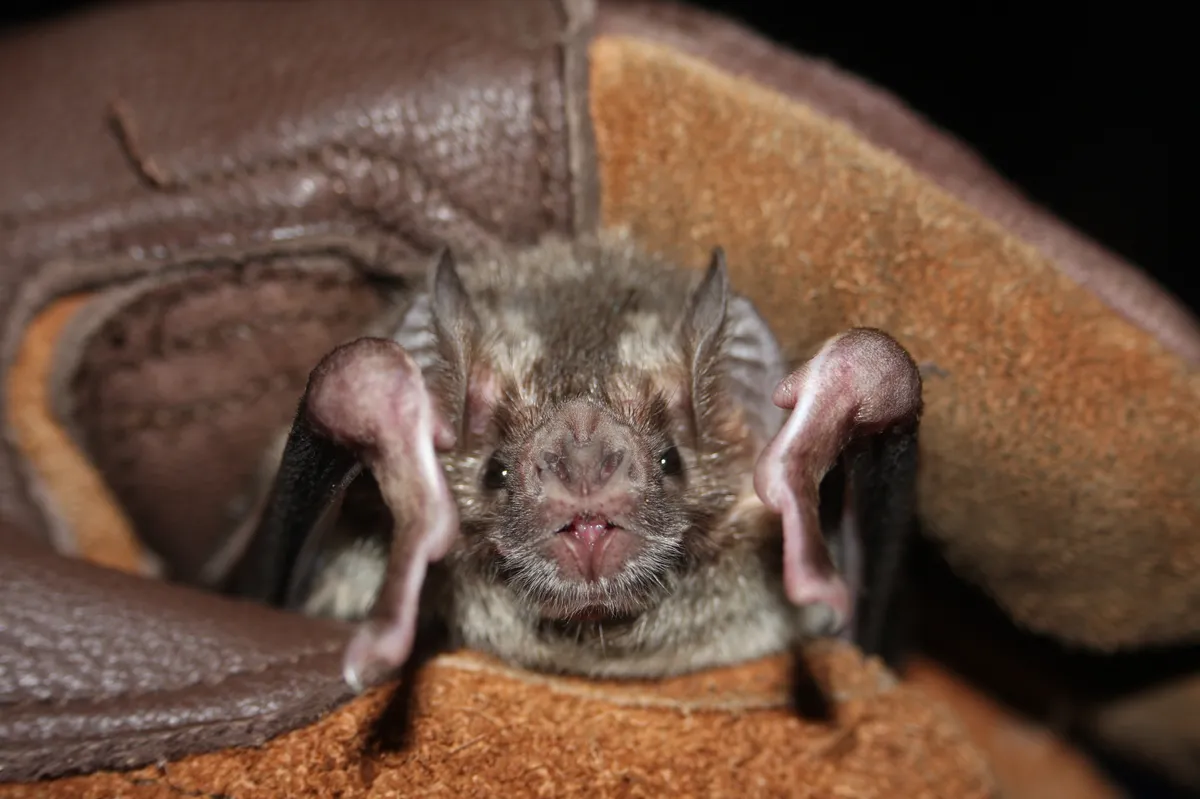
SKIN COATDark brown to gray fur, smooth and short, with specialized heat-sensing skin adaptations
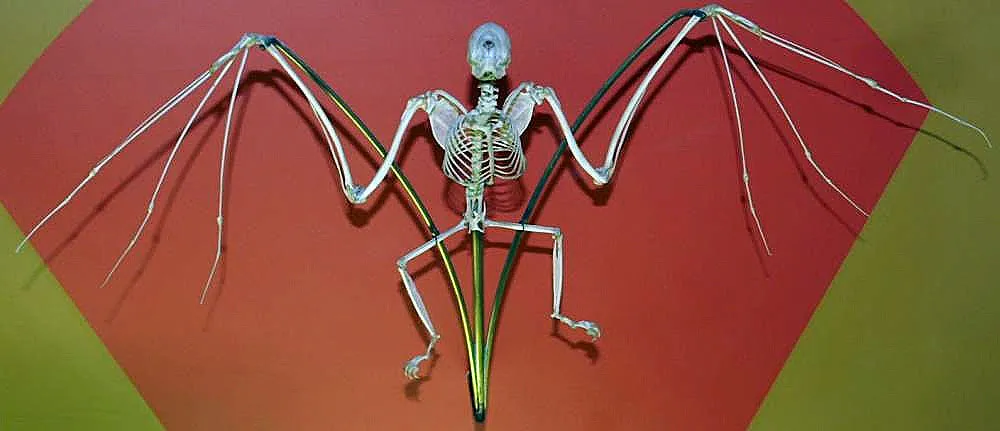
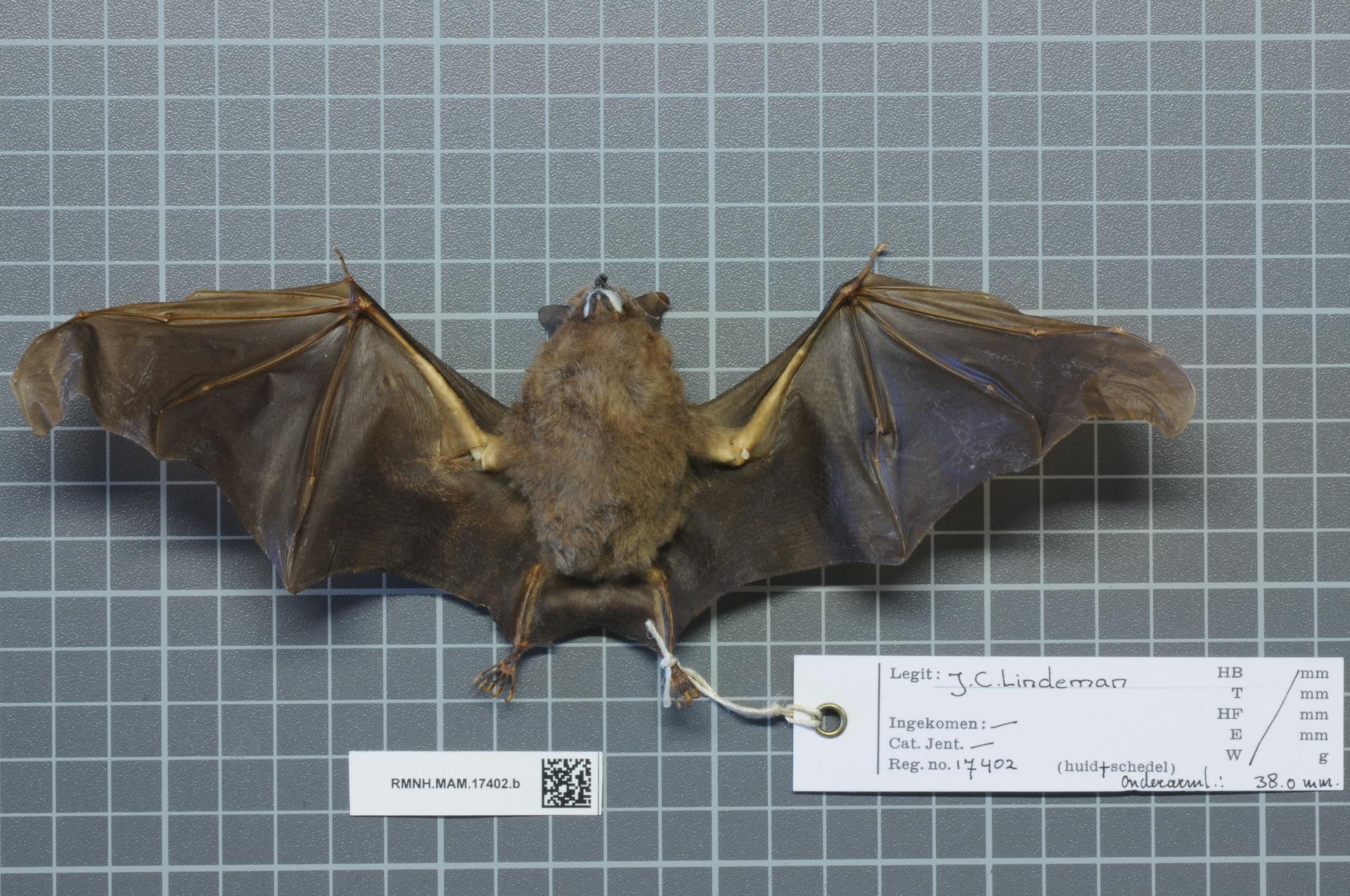
LIMBS WINGSRelatively short wings with high maneuverability, strong hind legs enabling walking and jumping on host surfaces
HEAD SENSORYAdvanced thermoreceptors and infrared-sensing capabilities to locate blood vessel sites on warm-blooded hosts, highly developed olfactory and auditory systems
BODY STRUCTURESmall bat, approximately 9 cm in length, weighing 25-40 g, with a compact muscular body adapted for blood feeding
Data Source: TaxonHub Database
Image Credit: Gerry Carter