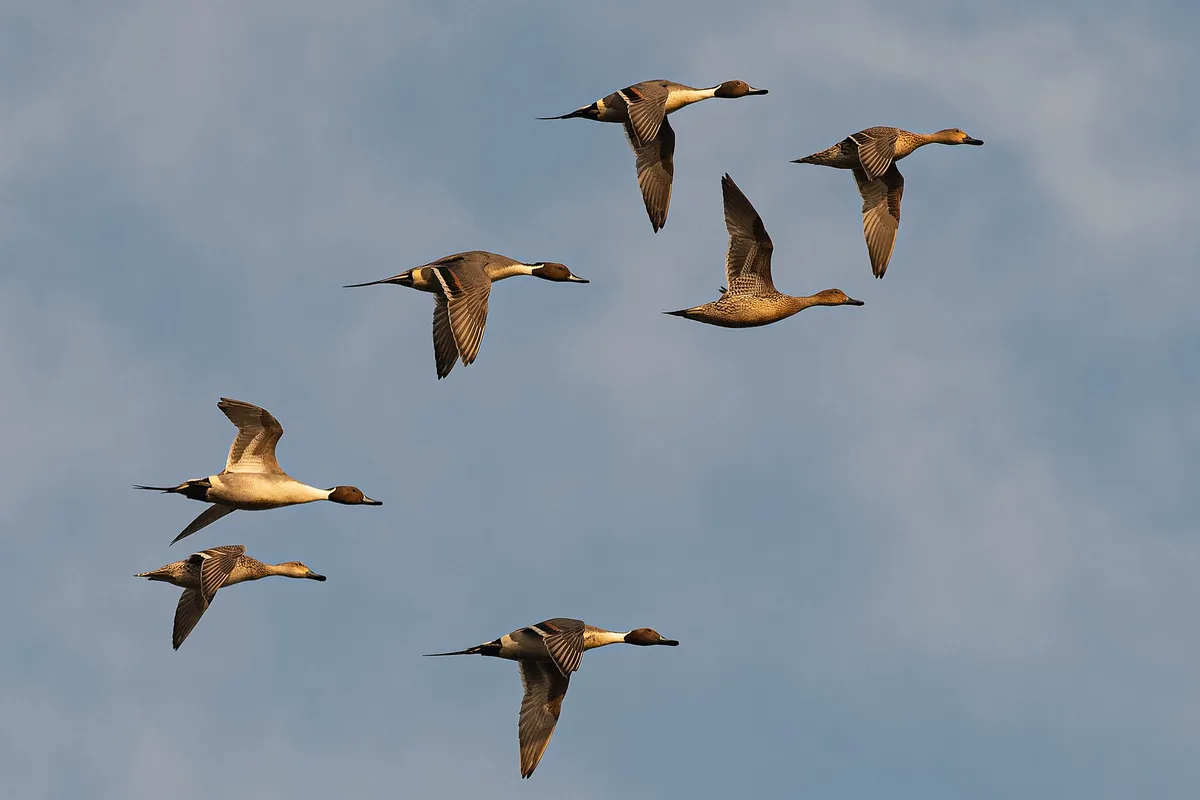
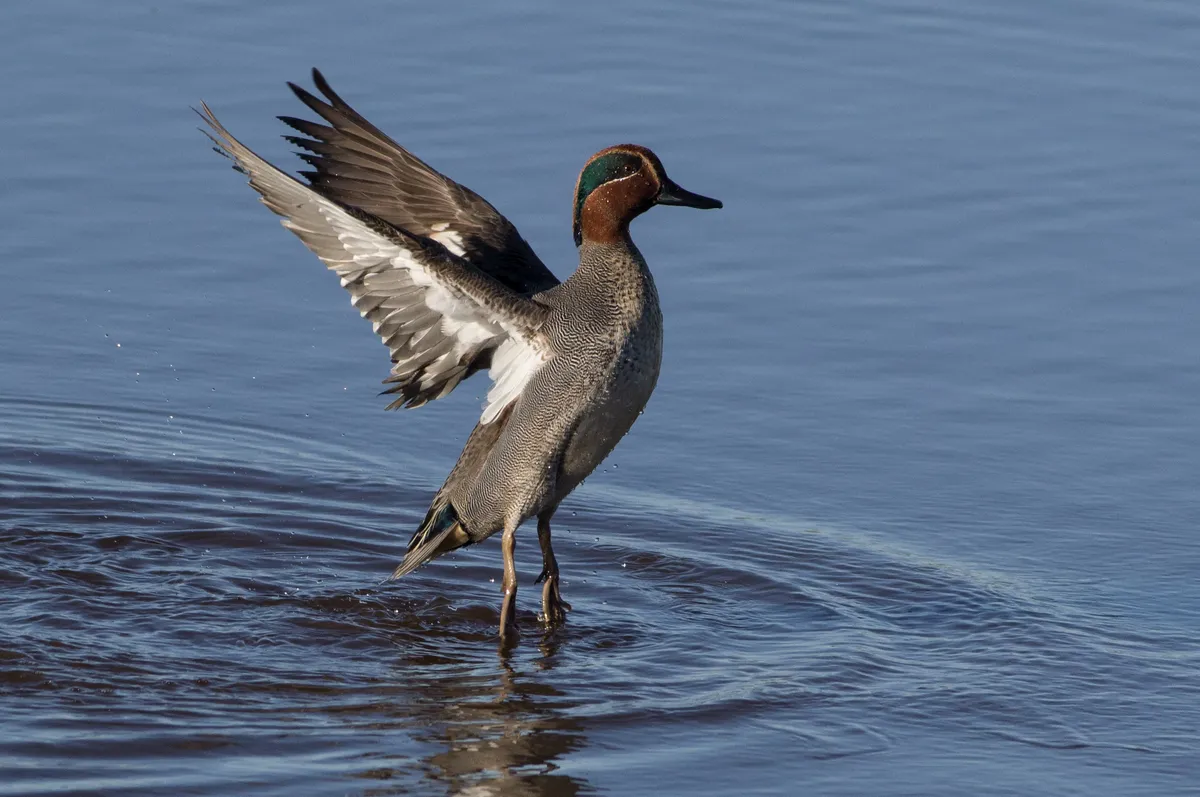
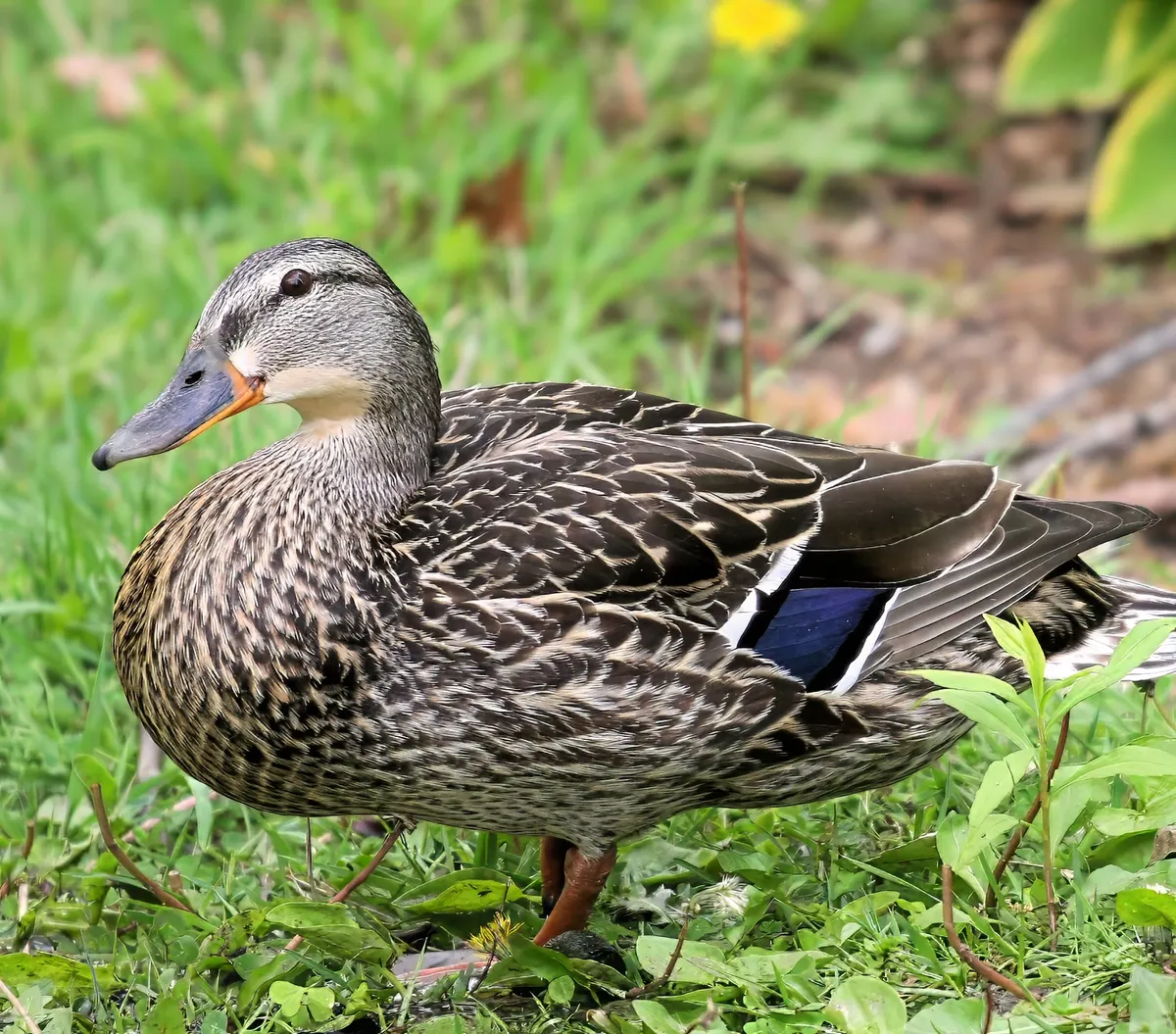
Large migratory waterfowl native to northern Eurasia, characterized by its distinctive white plumage and loud bugling call. A highly social species adapted to aquatic and wetland environments.
ADSENSE SLOT
Ecology & Habitat
Habitat
Boreal and subarctic regions including northern Europe, Iceland, Scandinavia, Russia, and parts of Asia. Prefers freshwater lakes, marshes, tundra wetlands, and coastal marine environments during migration.
Ecological Role
Key ecosystem engineer in wetland habitats, dispersing aquatic plant seeds, controlling aquatic vegetation, and serving as a critical prey indicator species for ecological health monitoring.
Morphology
- SKIN COAT Dense white feather layer providing thermal insulation, waterproof plumage for aquatic environments
- LIMBS WINGS Powerful flight muscles, webbed feet for efficient swimming, strong wing muscles enabling long-distance migratory flight patterns.
- HEAD SENSORY Acute vision, specialized bill for herbivorous feeding, sensitive neck and head for complex social communication and environmental navigation.
- BODY STRUCTURE Large swan measuring 140-165 cm in length, with wingspan of 2.1-2.4 meters, weighing 7-14 kg. Pure white plumage with black-tipped bill and long, elegant neck.
Data Source: TaxonHub Database
Image Credit: Wikimedia Commons
Image Credit: Wikimedia Commons
ADSENSE VERTICAL