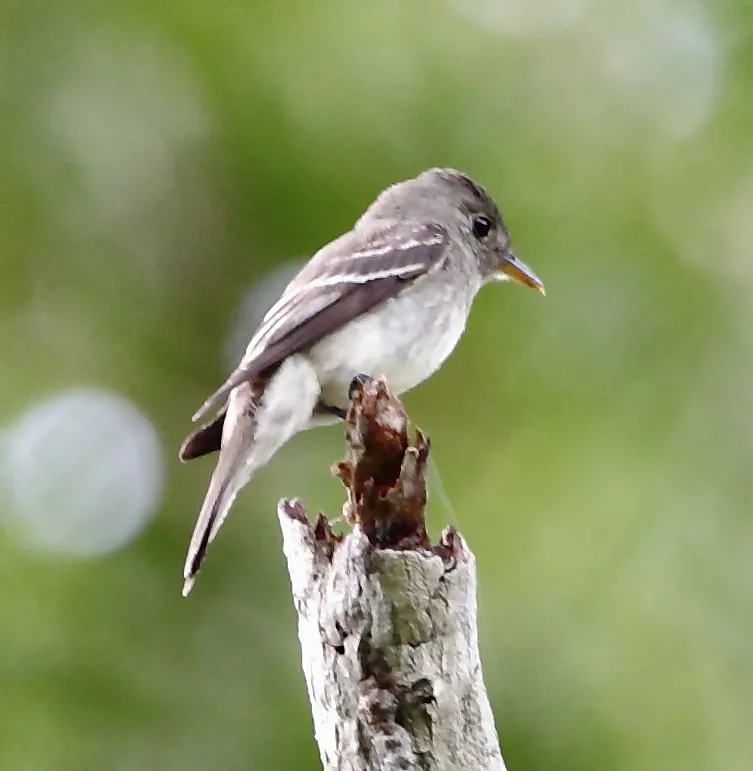
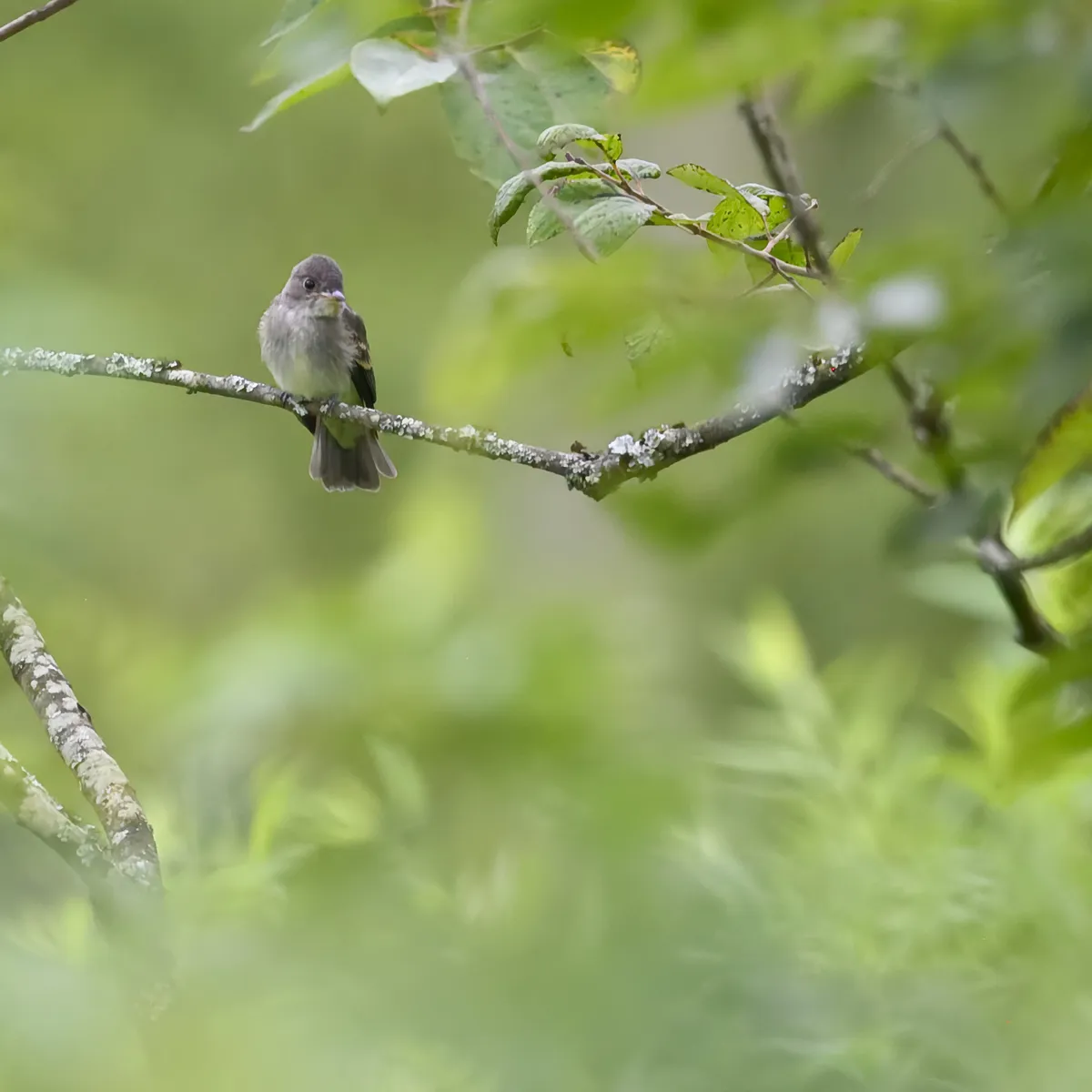
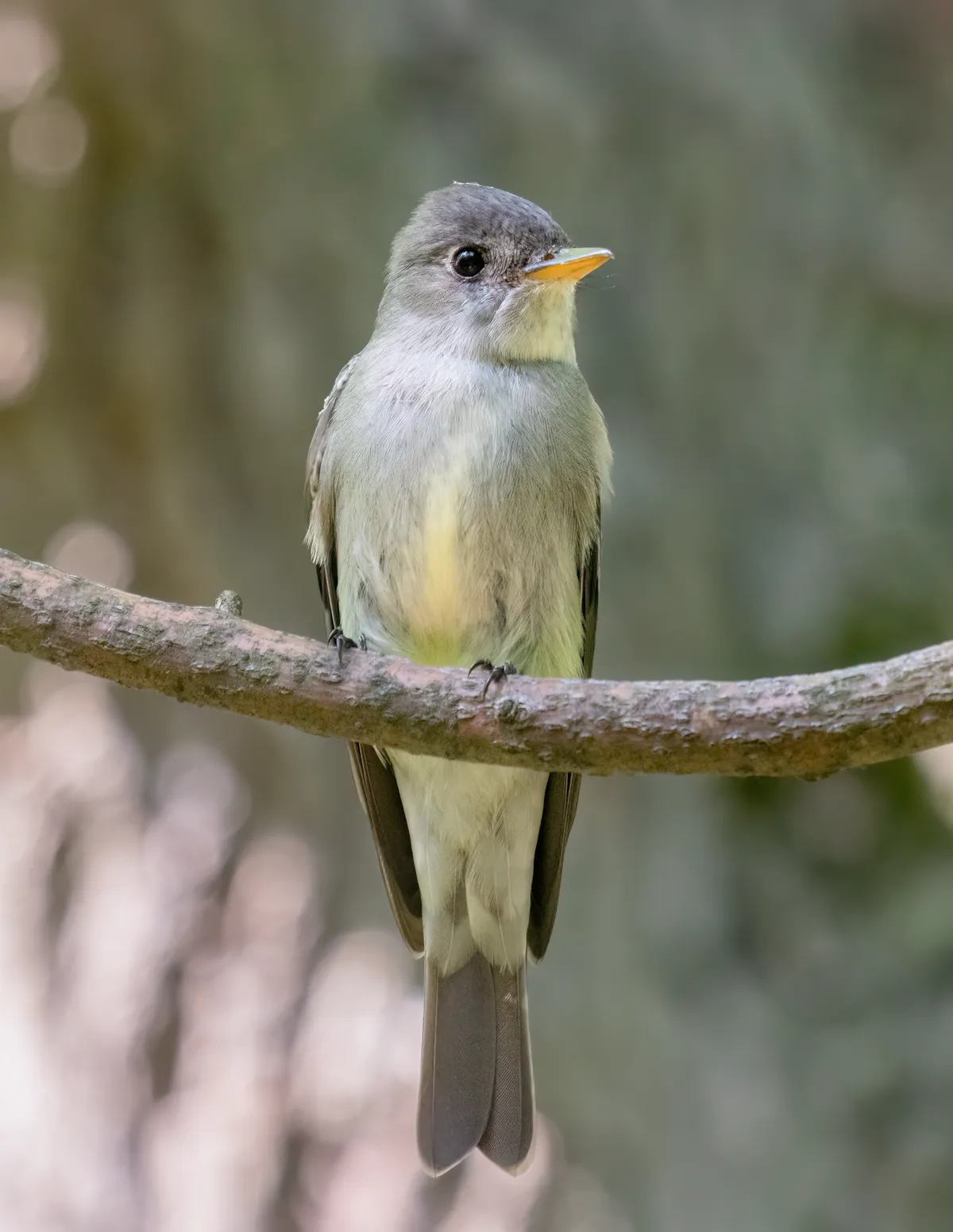
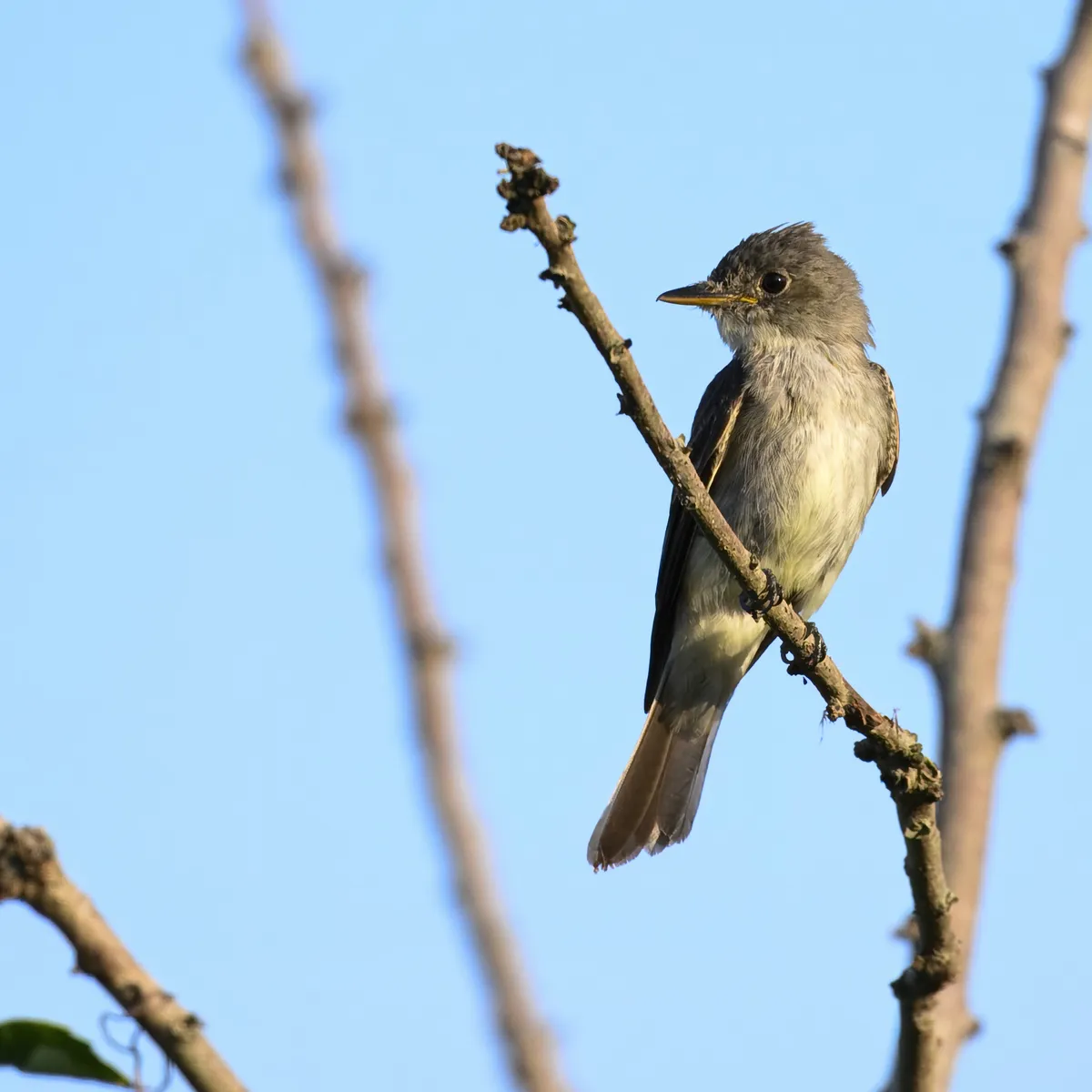
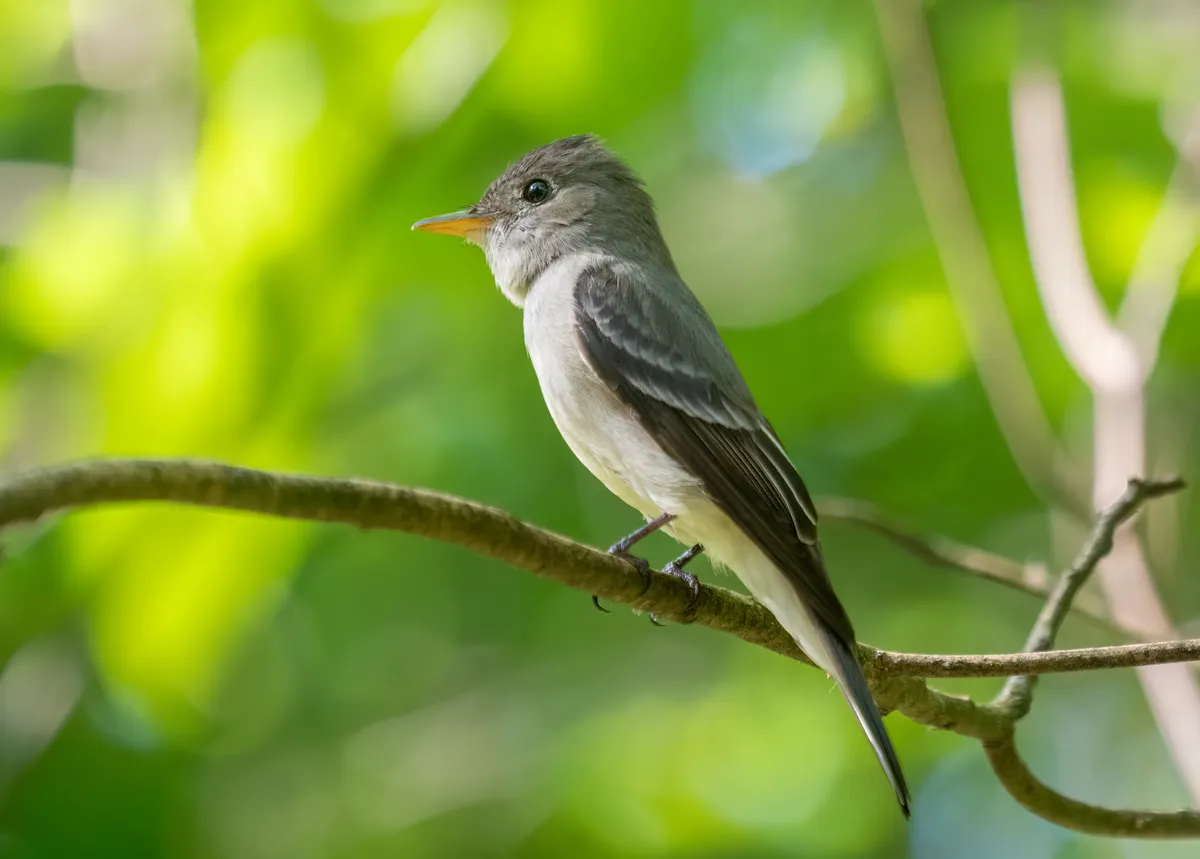
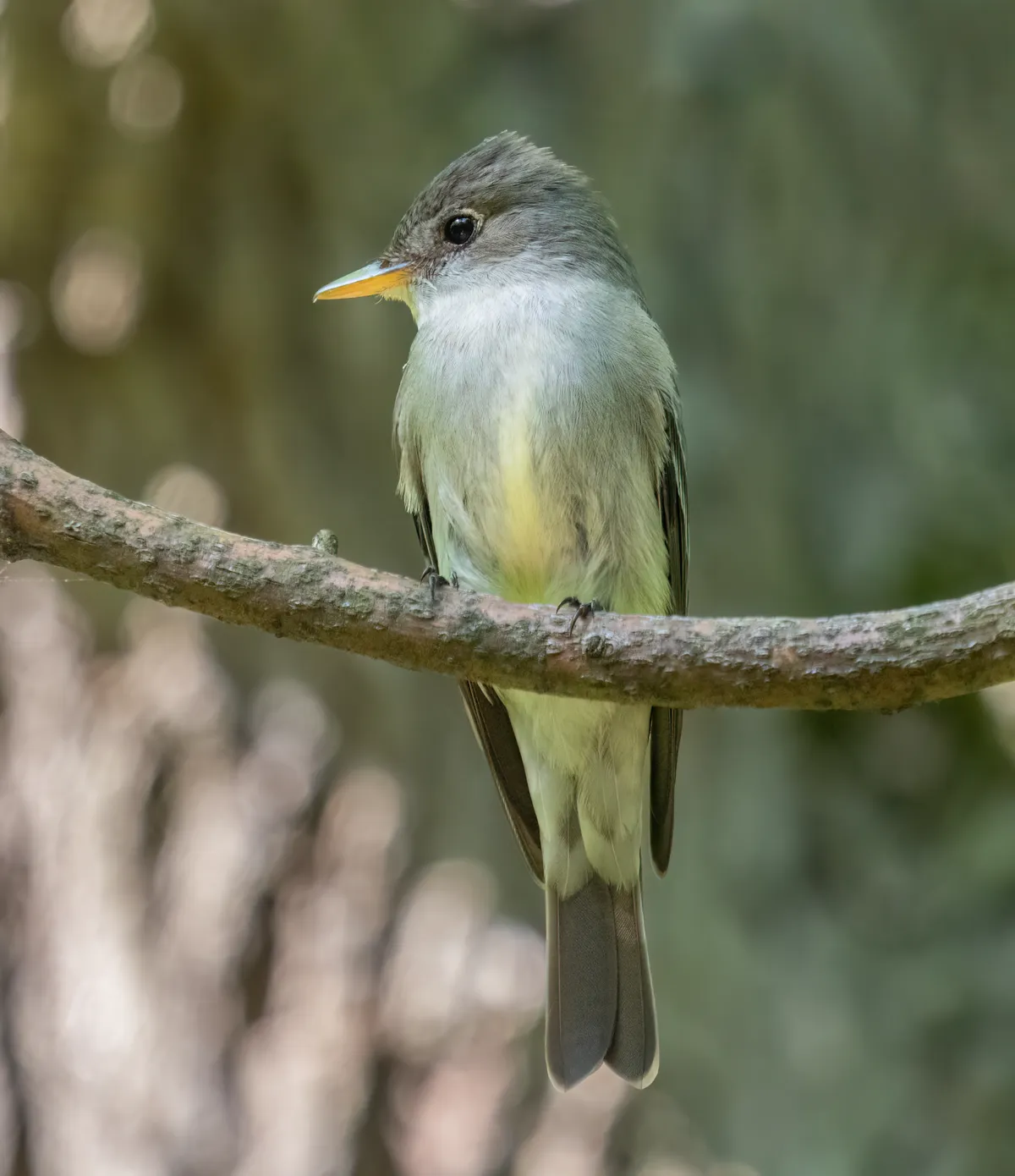
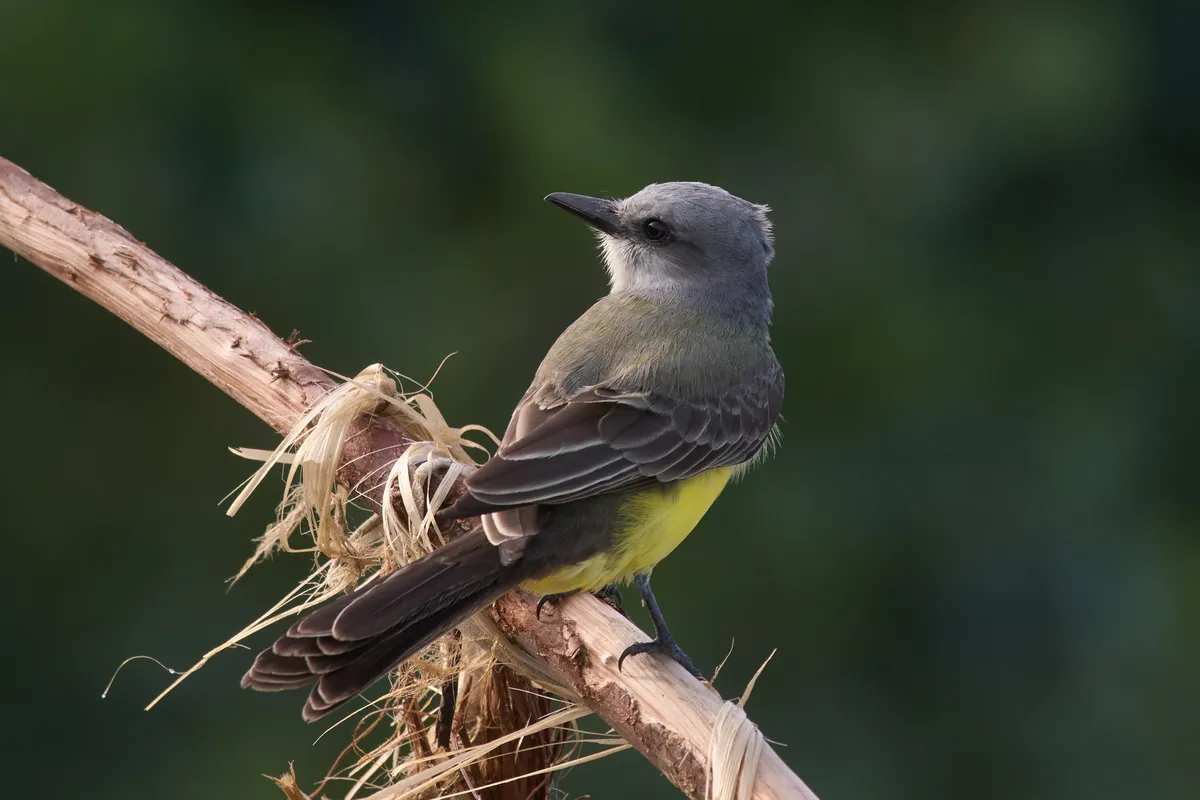
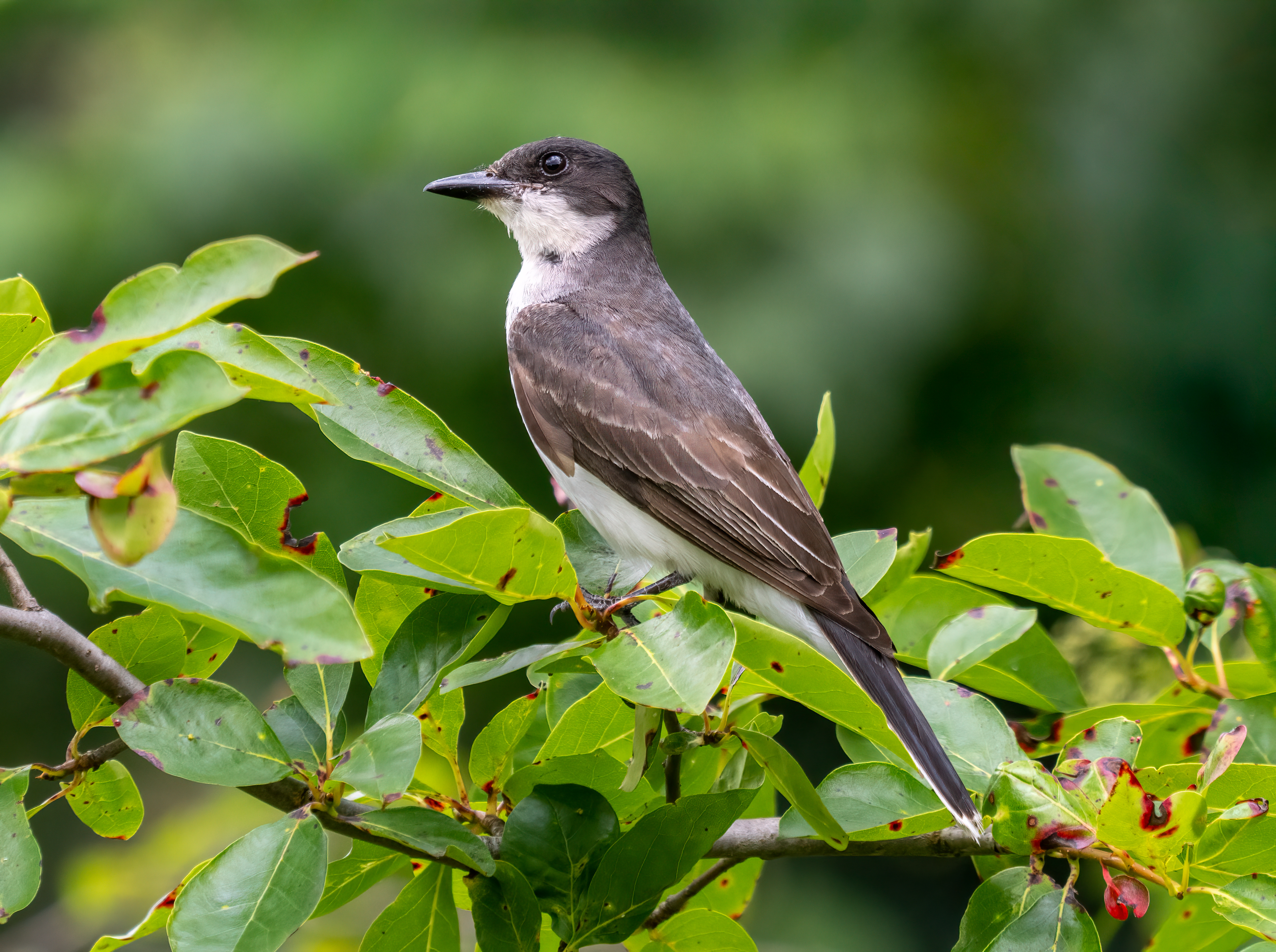
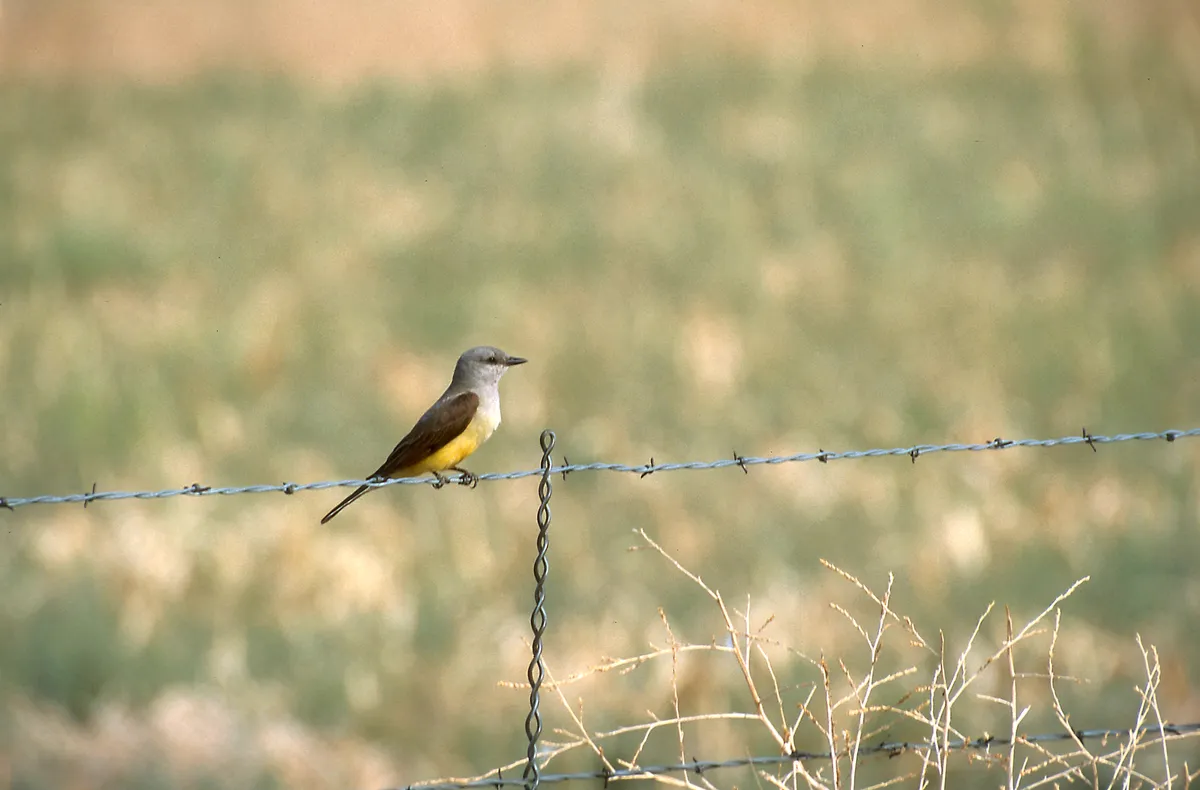
A small flycatcher bird native to North America, known for its distinctive 'pee-wee' vocalization and aerial insect hunting behavior.
Image Gallery
ADSENSE SLOT
Ecology & Habitat
Habitat
Deciduous and mixed woodlands across eastern North America, preferring forest edges and mature forest canopies with dense tree coverage between 3-25 meters in elevation.
Ecological Role
Critical insectivore that helps control insect populations, particularly in forest ecosystems. Plays a significant role in woodland food webs and serves as a bioindicator of forest health.
Morphology
SKIN COATOlive-gray plumage, lighter underparts, dark wings with white wing bars
LIMBS WINGSRelatively long, pointed wings for agile aerial hunting. Legs adapted for perching on branches with strong grip.
HEAD SENSORYLarge dark eyes, specialized for detecting flying insects. Sharp vision with pronounced orbital ring.
BODY STRUCTURESmall passerine bird, approximately 14-16 cm in length, weighing 11-15 g. Compact body with relatively large head and broad, flat bill.
Data Source: TaxonHub Database
Image Credit: Hector Bottai