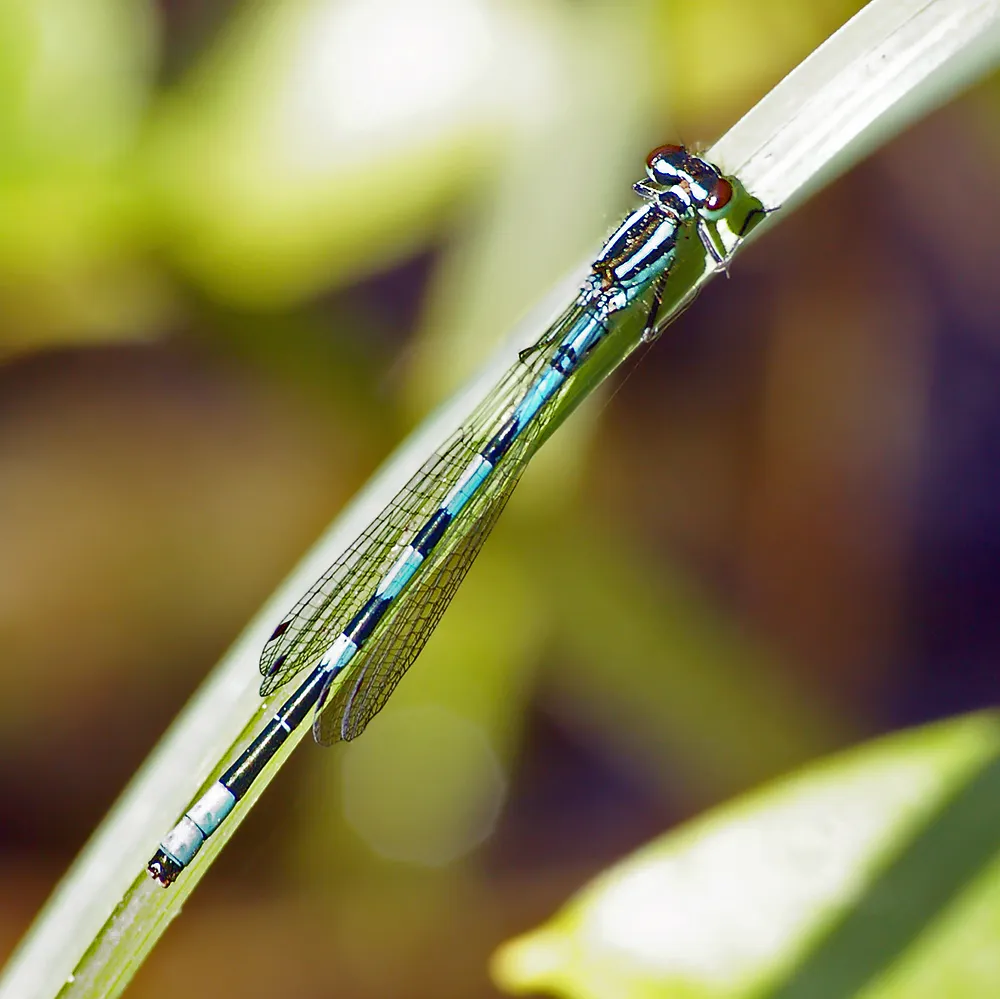
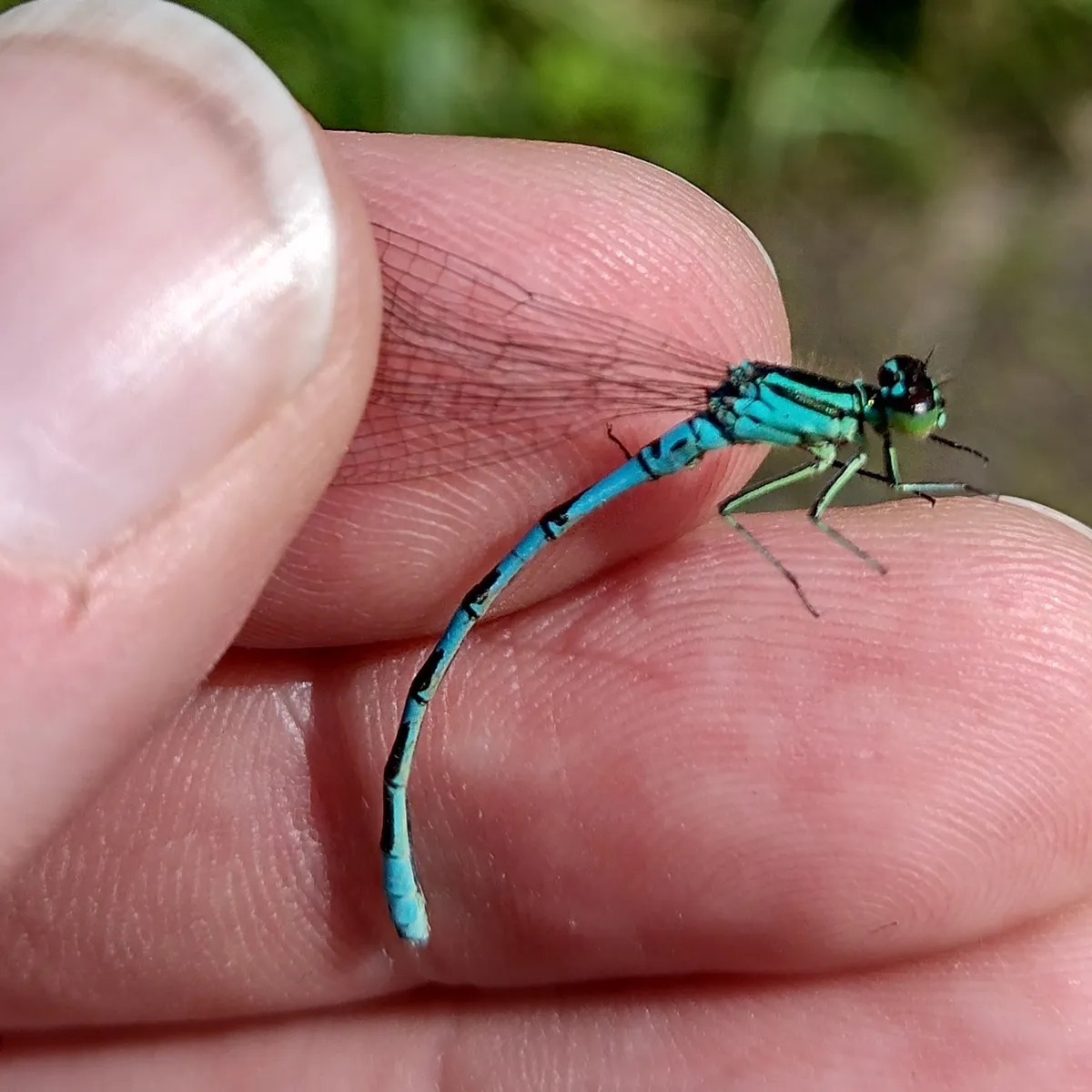
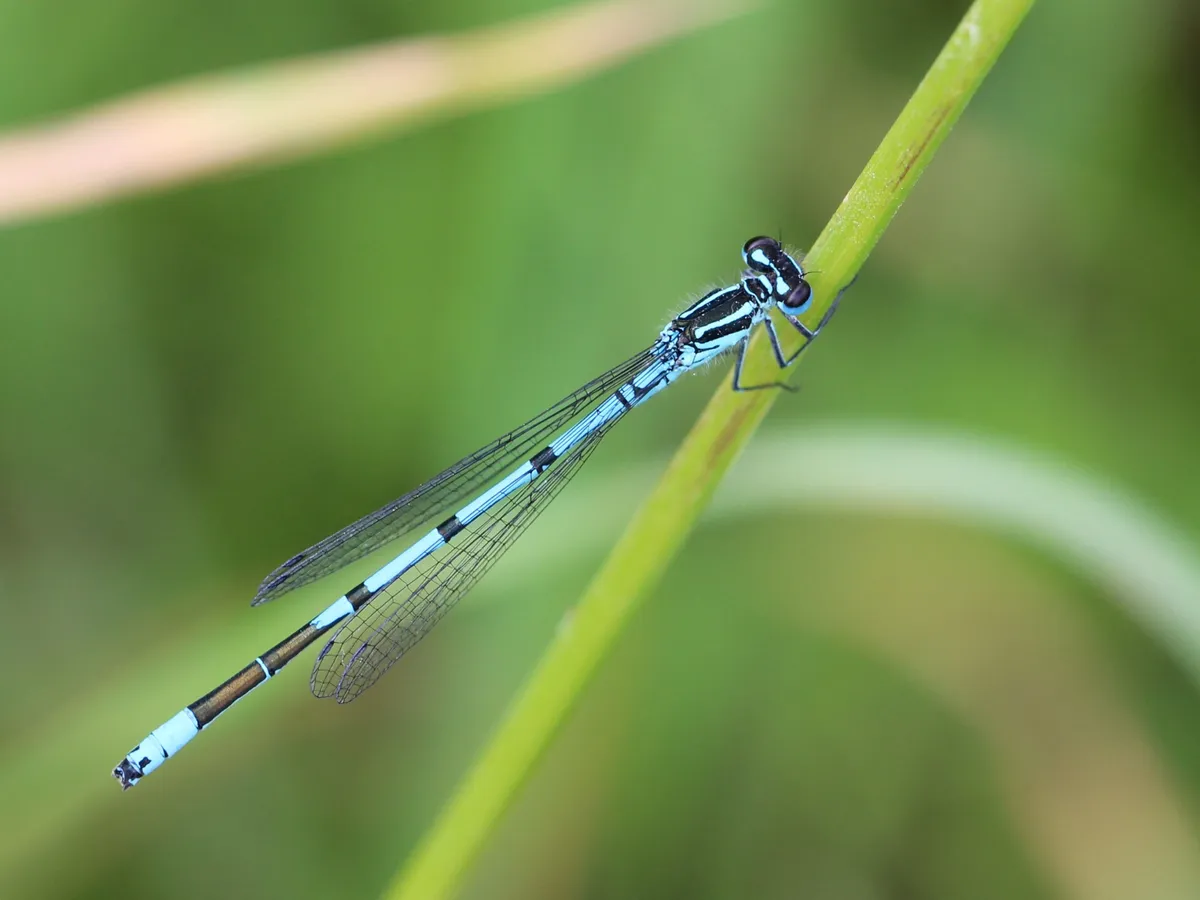
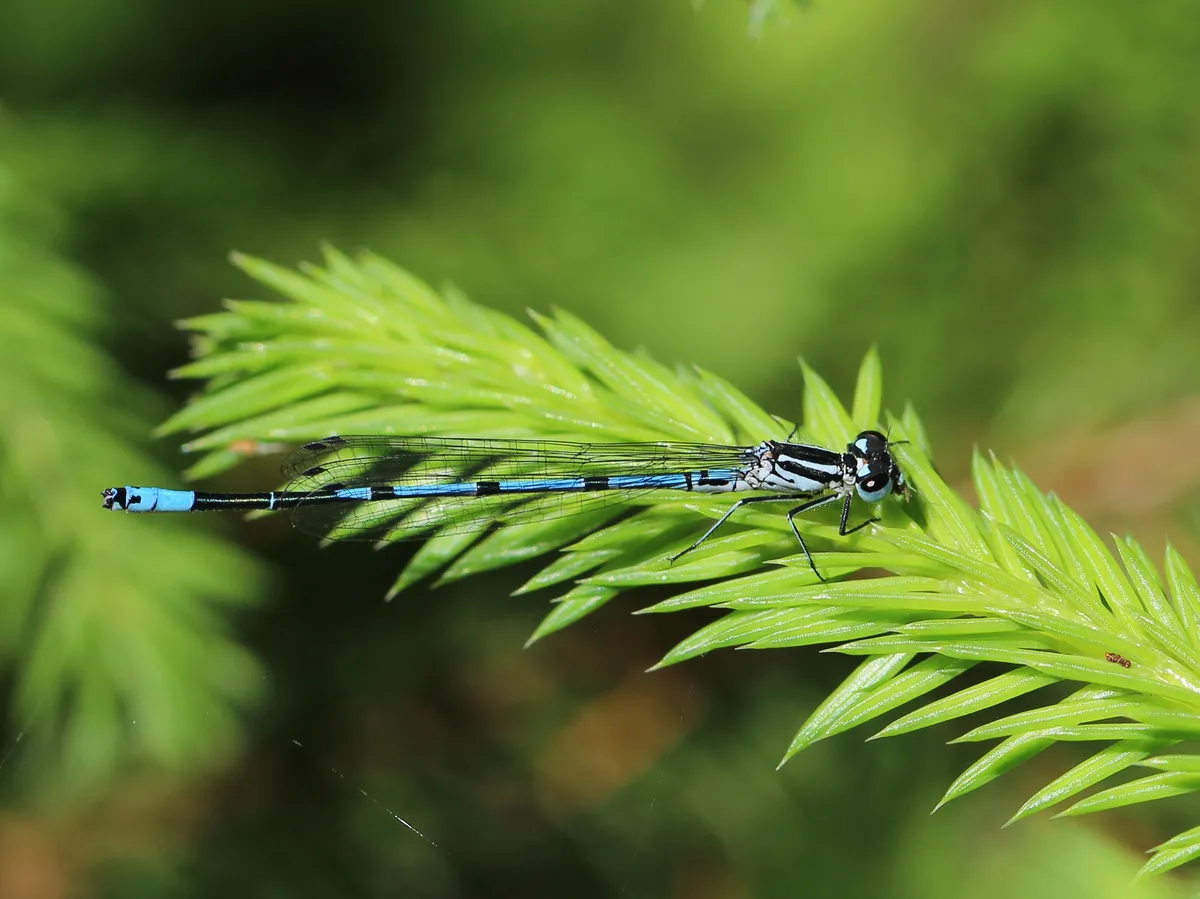
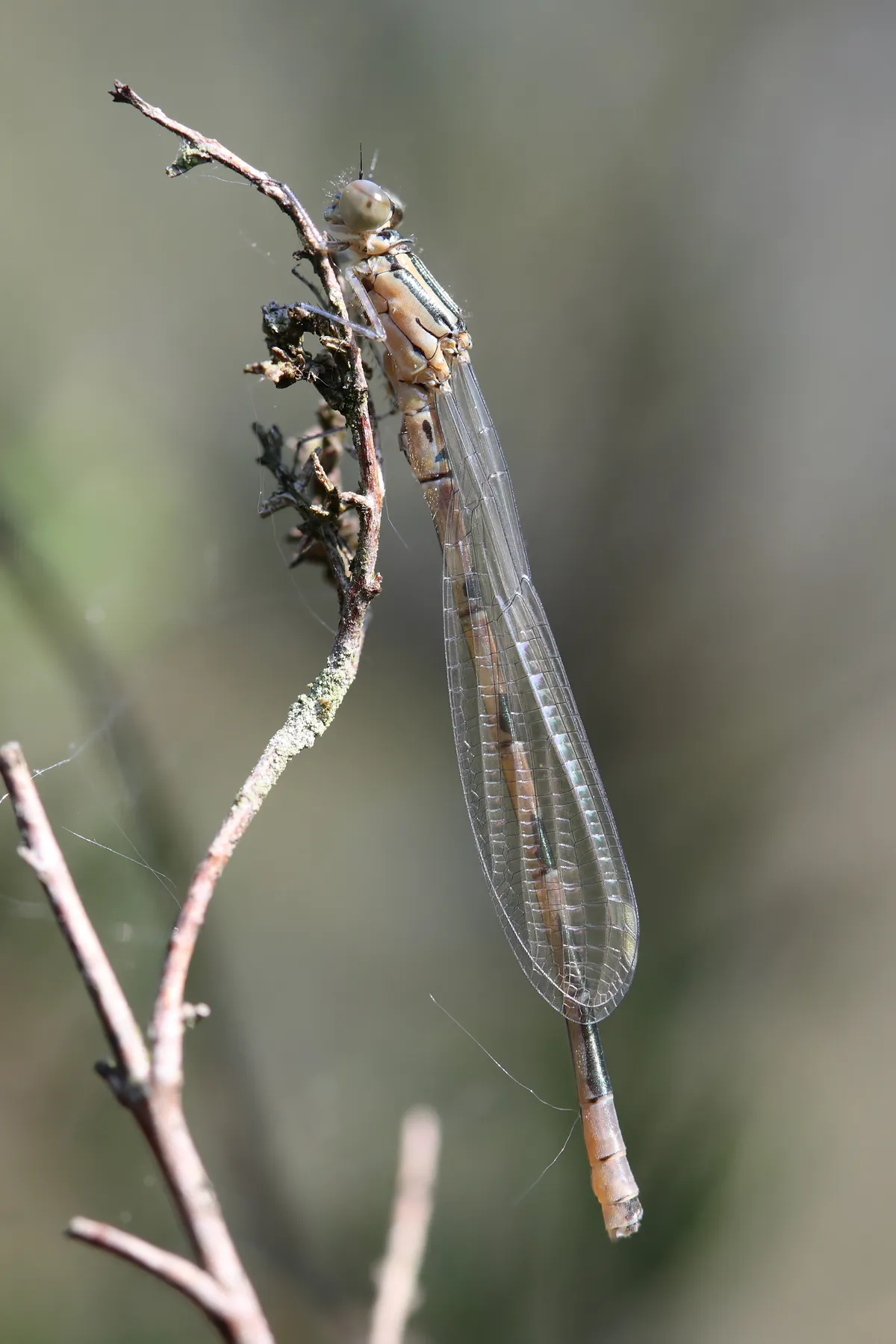
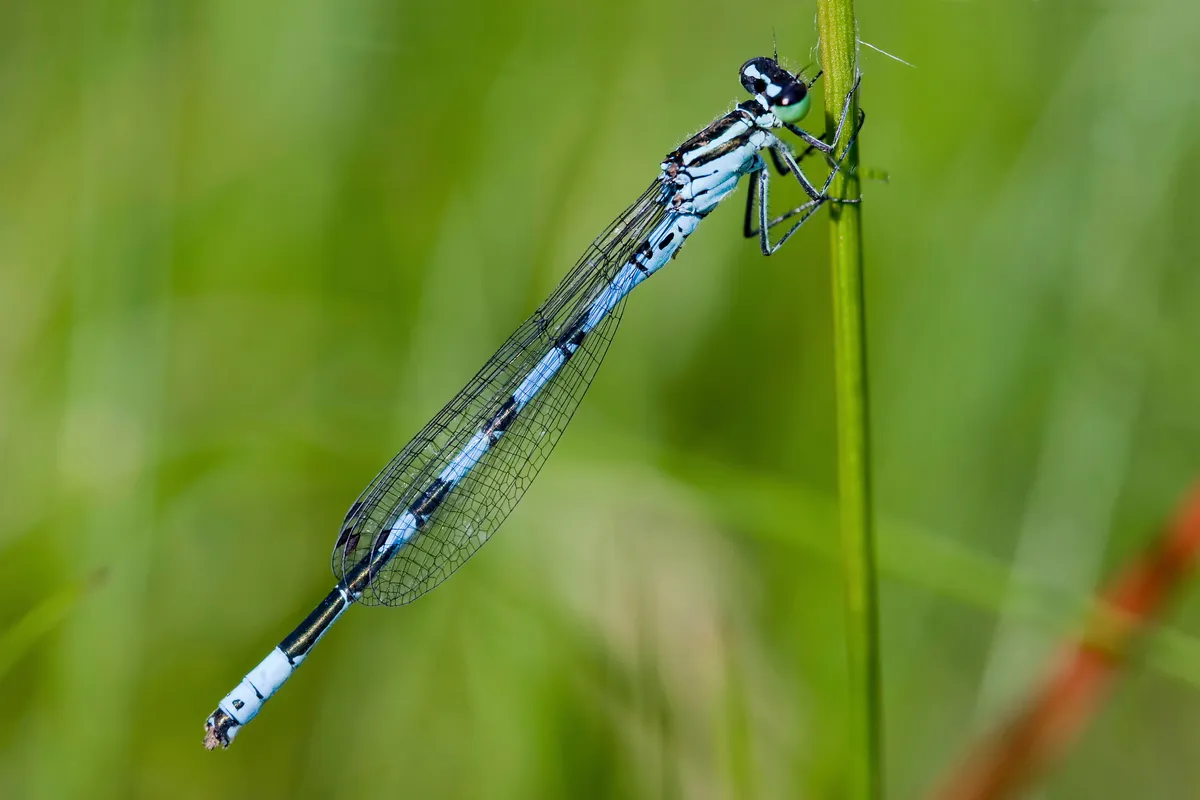
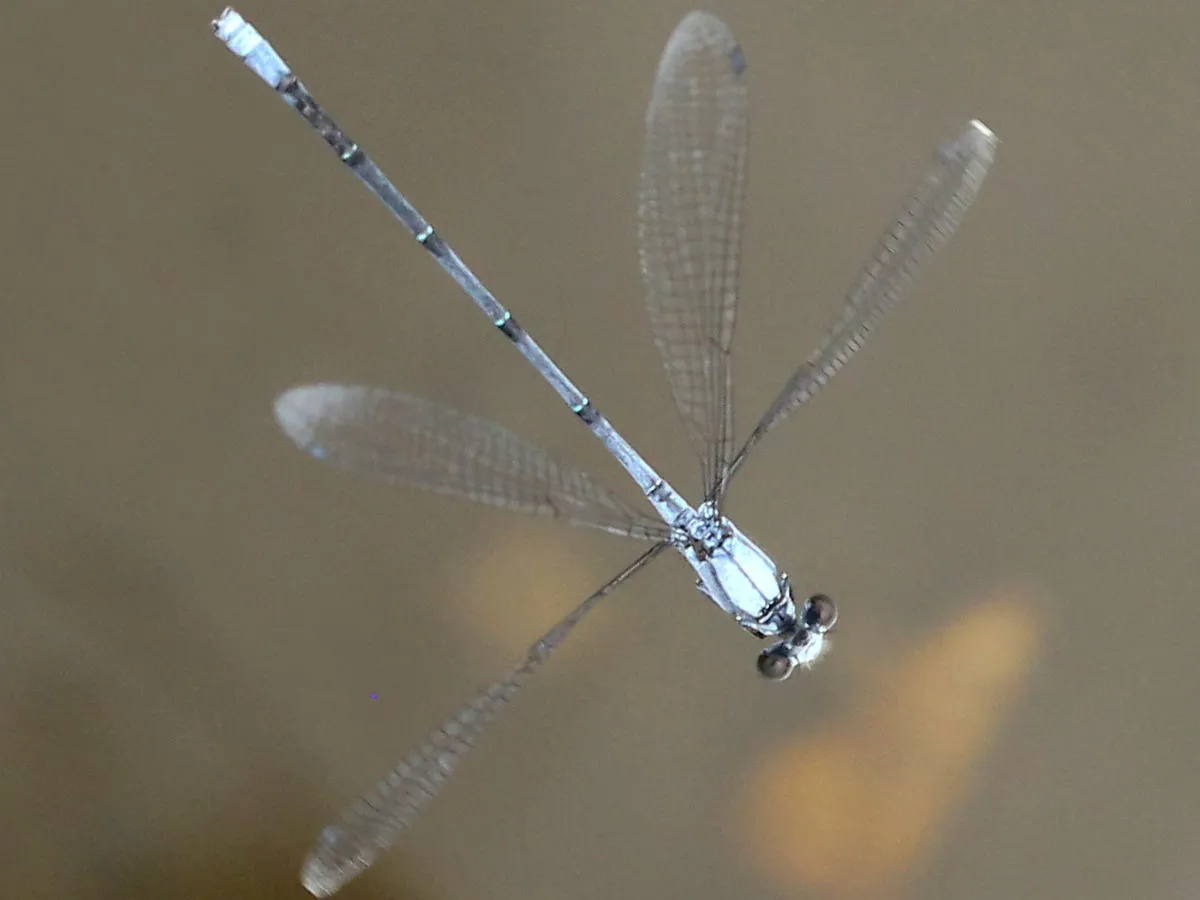
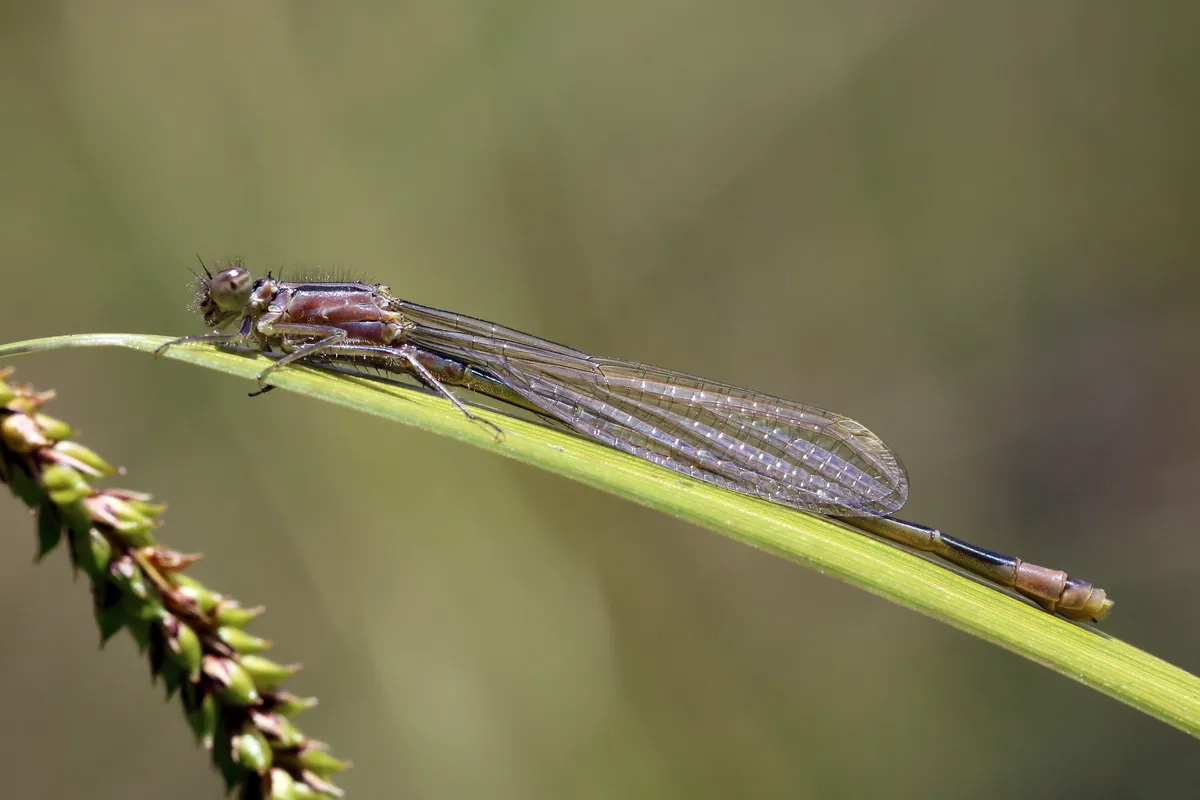
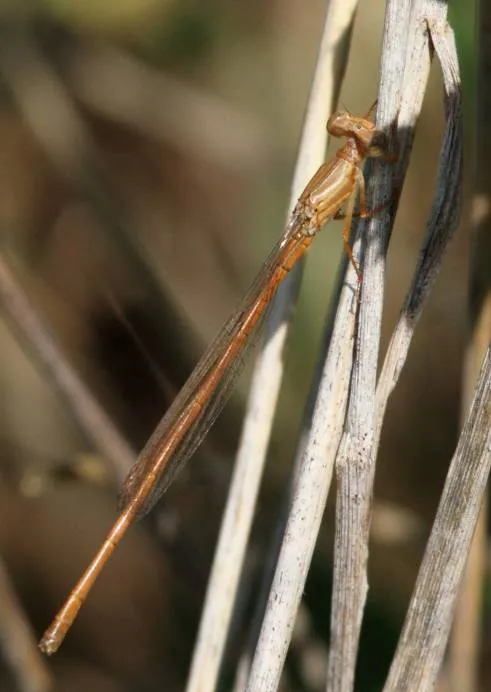
A small, delicate damselfly species native to northern regions of Europe with distinctive blue and black coloration. Belongs to the Coenagrionidae family of damselflies, characterized by slender body structure and agile flight patterns.
Image Gallery
ADSENSE SLOT
Ecology & Habitat
Habitat
Inhabits cool, temperate wetland ecosystems including peat bogs, marshes, slow-moving streams, and small pools with abundant aquatic vegetation in boreal and subarctic regions of Europe.
Ecological Role
Critical pollinator and predatory insect in aquatic and riparian ecosystems. Larvae serve as bioindicators of water quality and form important prey for amphibians and fish. Adults contribute to controlling populations of small invertebrates.
Morphology
SKIN COATPrimarily blue and black coloration in males, with dark markings and metallic blue thorax. Females exhibit more muted green-brown coloration.
LIMBS WINGSFour delicate, transparent wings with complex venation. Thin, jointed legs specialized for perching and capturing prey.
HEAD SENSORYLarge compound eyes with high visual acuity. Short antennae for environmental sensing. Mandibulate mouthparts adapted for predatory behavior.
BODY STRUCTURESlender, elongated body measuring 32-36 mm in length. Lightweight exoskeleton with segmented abdomen and two pairs of translucent, membranous wings.
Data Source: TaxonHub Database
Image Credit: Christian Fischer