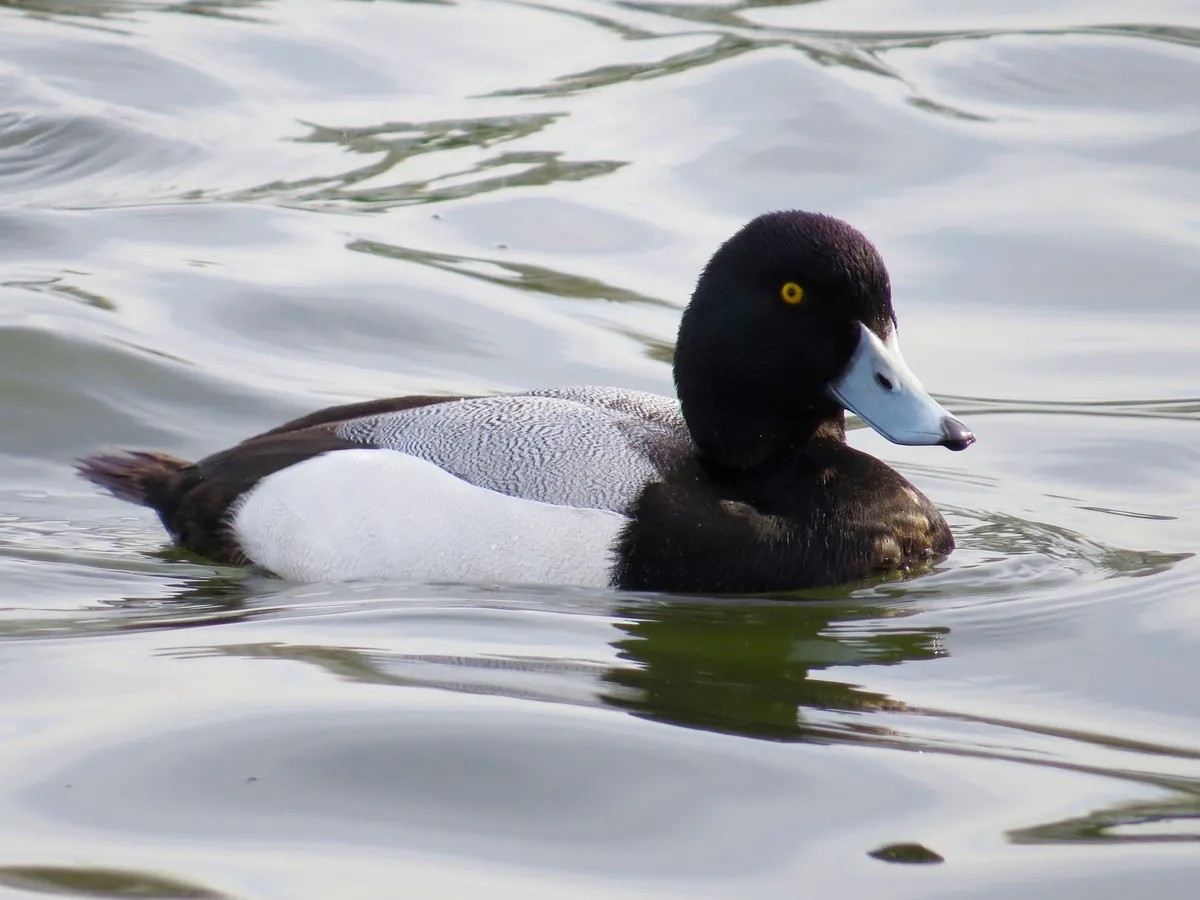
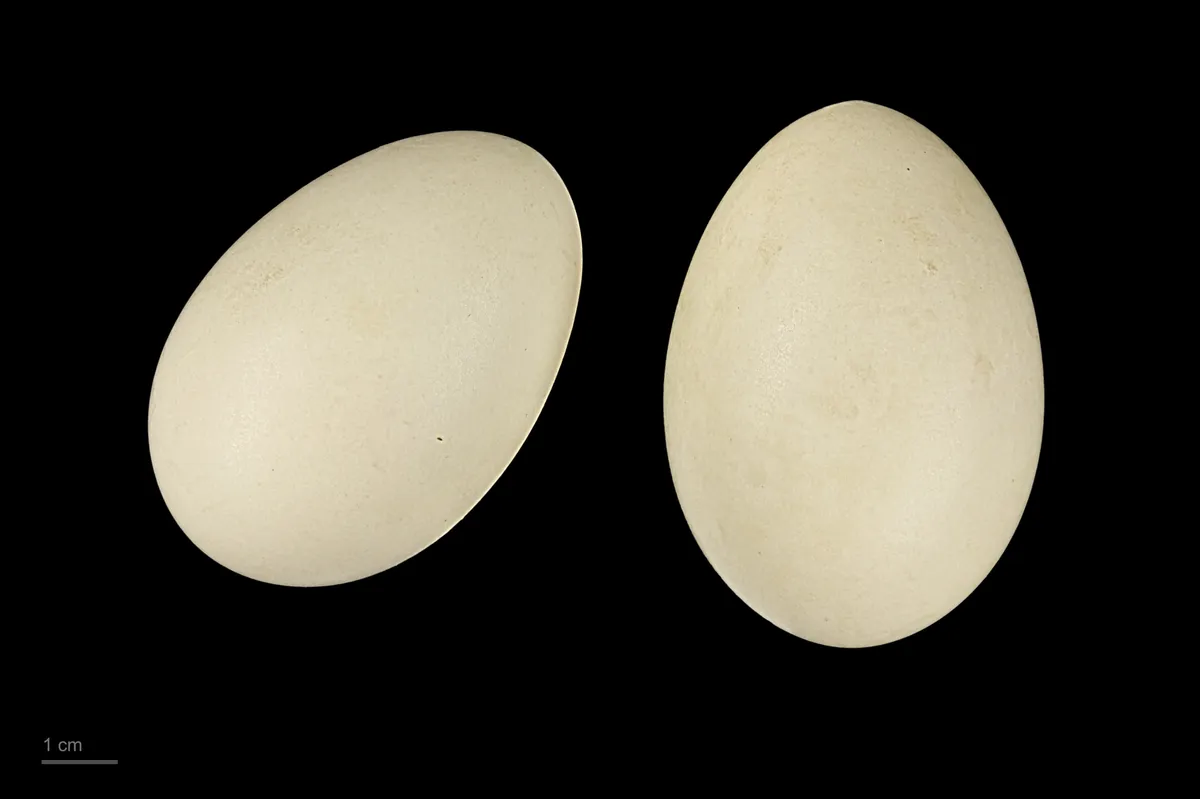
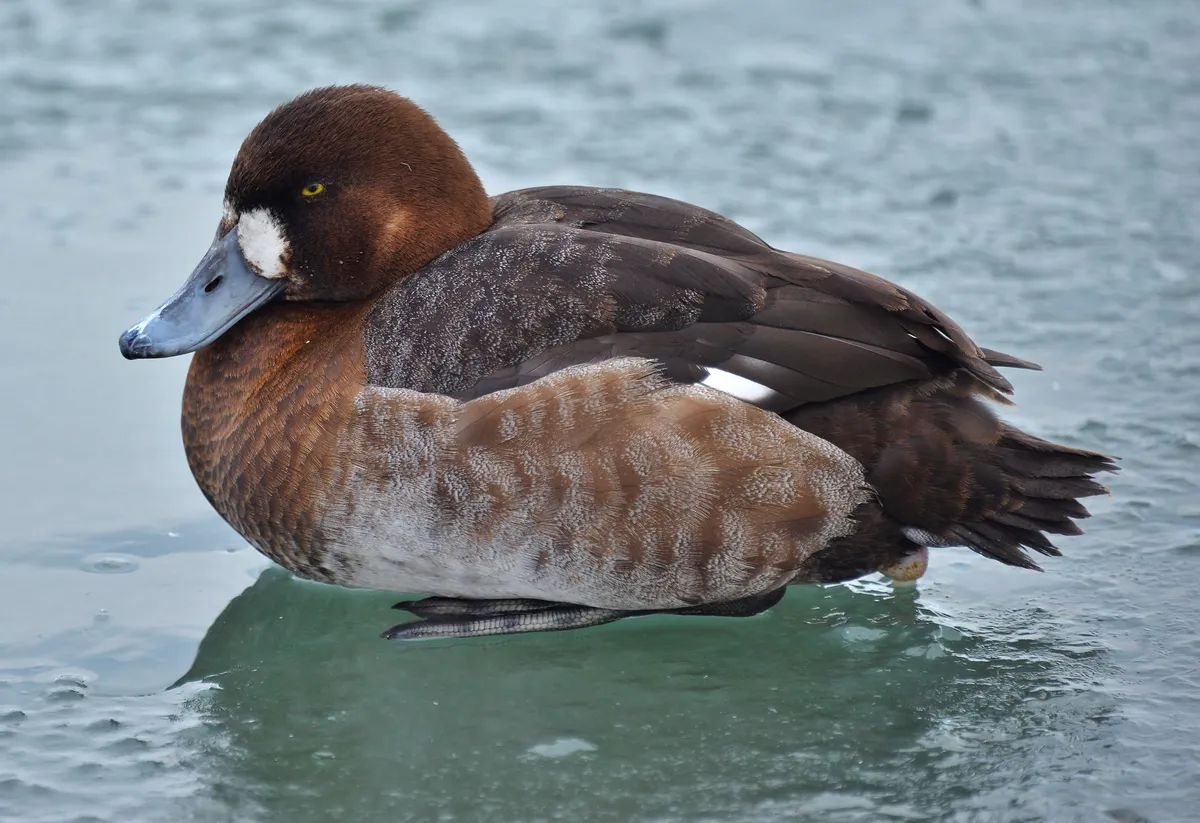
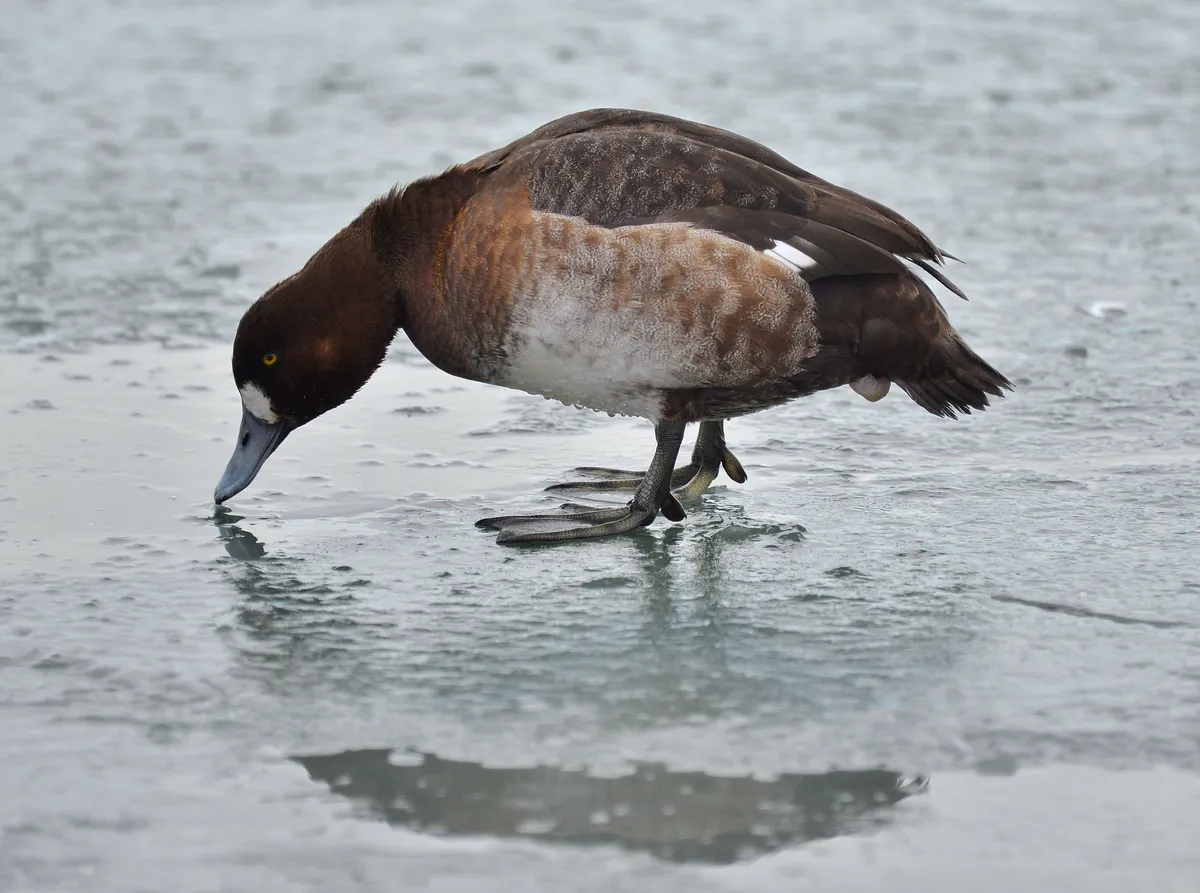
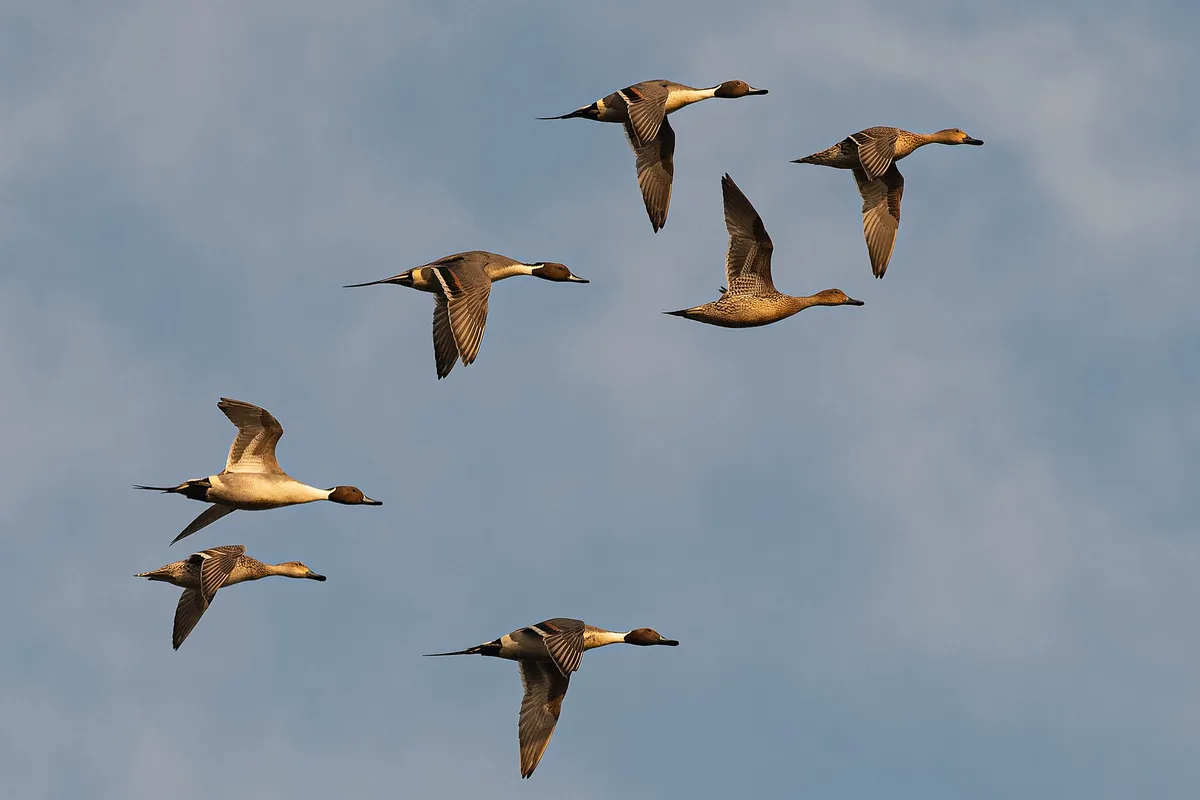
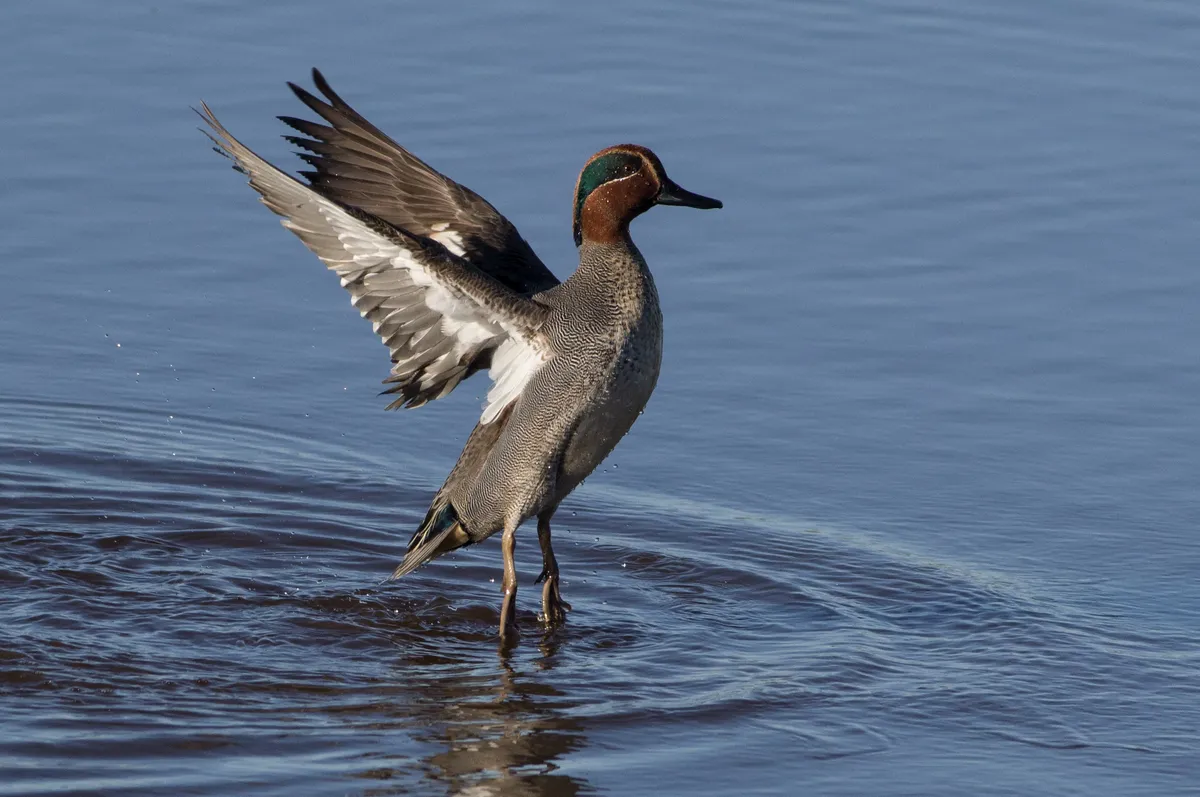
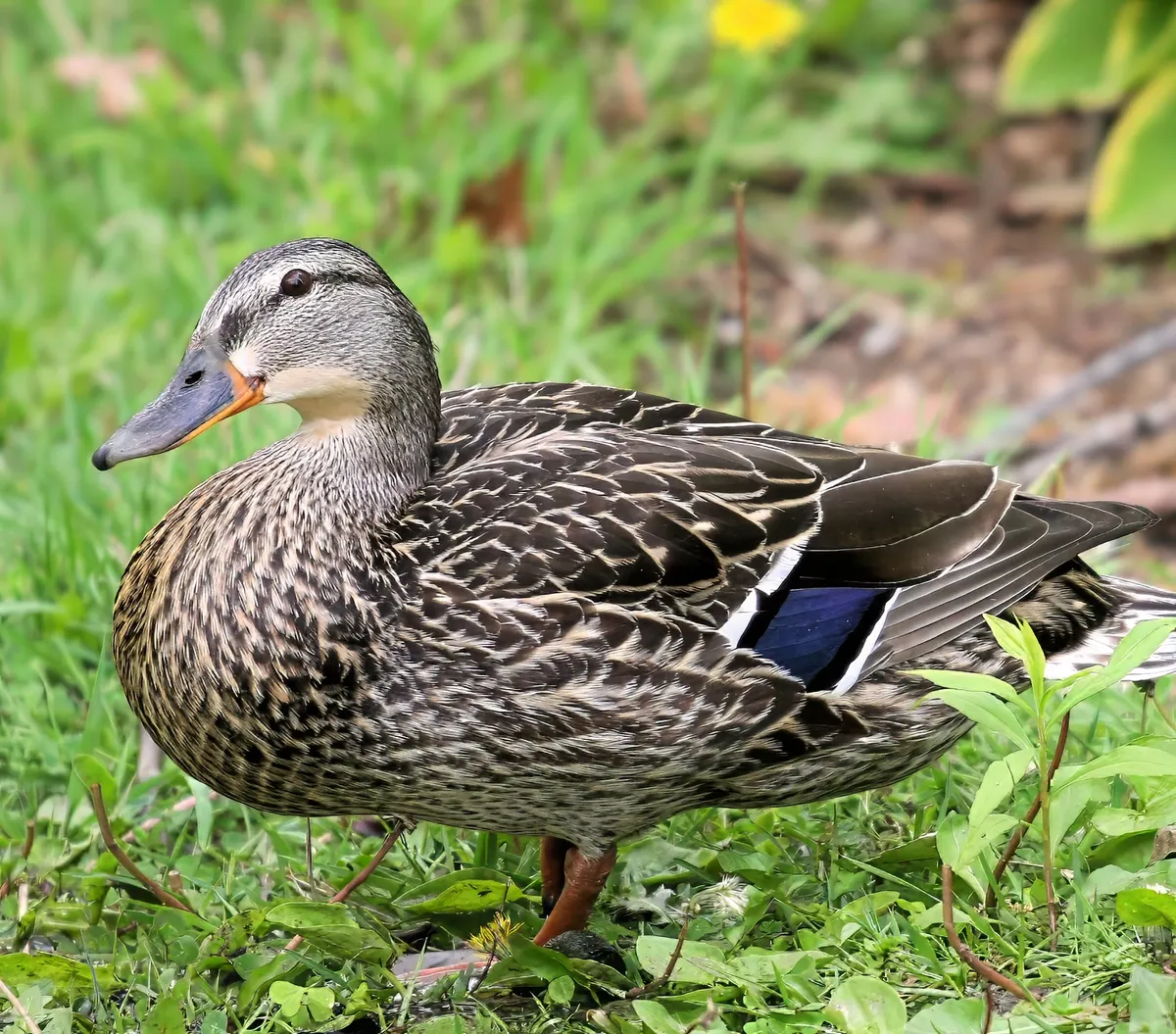
A medium-sized diving duck species widely distributed across northern boreal and subarctic regions of North America and Eurasia, characterized by its distinctive rounded head and strong diving capabilities.
Image Gallery
ADSENSE SLOT
Ecology & Habitat
Habitat
Freshwater and marine environments including lakes, coastal waters, large rivers, and wetland ecosystems during breeding and wintering periods; prefers cold and temperate northern latitudes with abundant aquatic invertebrate populations.
Ecological Role
Critical component of aquatic food webs; serves as prey for larger predators and helps control aquatic invertebrate populations; indicator species for wetland ecosystem health and climate change impacts.
Morphology
SKIN COATDense waterproof plumage with dark coloration; males display darker black/white patterns, females have more muted brown tones
LIMBS WINGSWebbed feet positioned posteriorly for efficient underwater propulsion; compact wings enabling rapid flight and diving maneuvers
HEAD SENSORYRounded head with small bill, dark eyes with excellent underwater vision; specialized nasal structures adapted for diving
BODY STRUCTURECompact, robust body with average length of 39-48 cm and wingspan of 75-85 cm; weight ranges between 0.7-1.2 kg