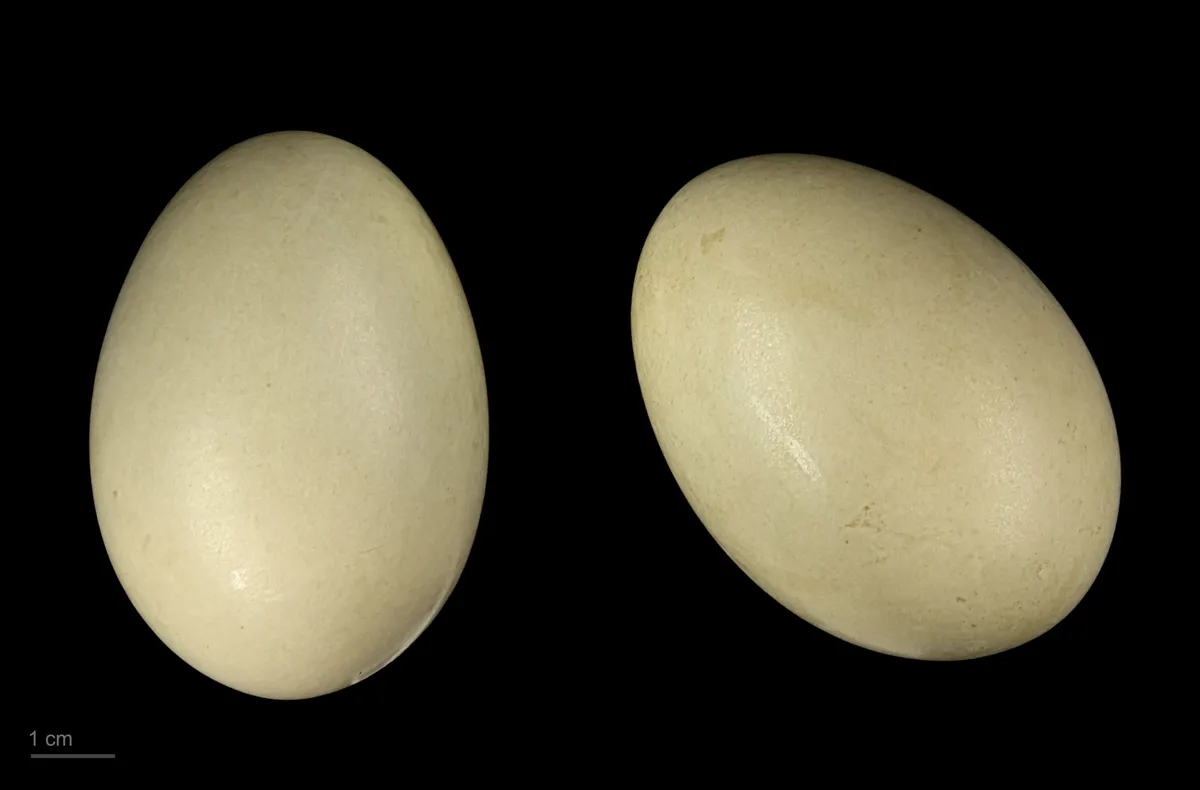
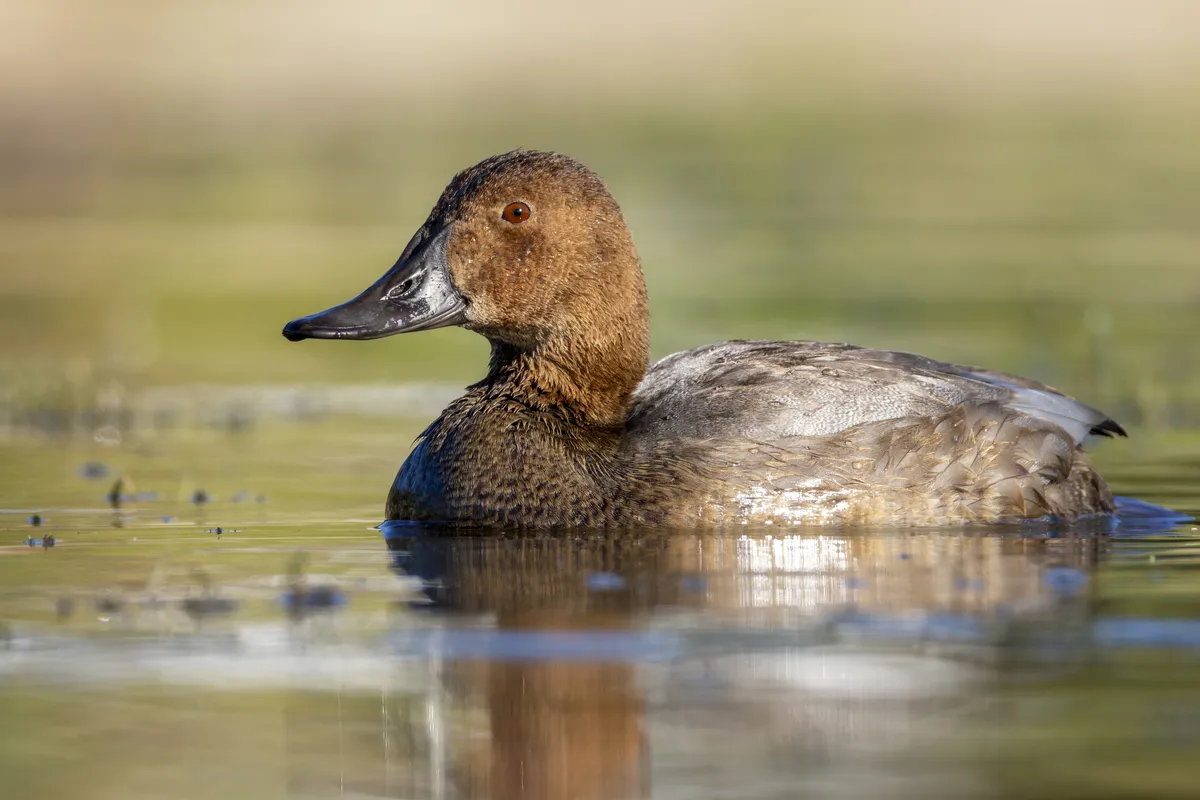
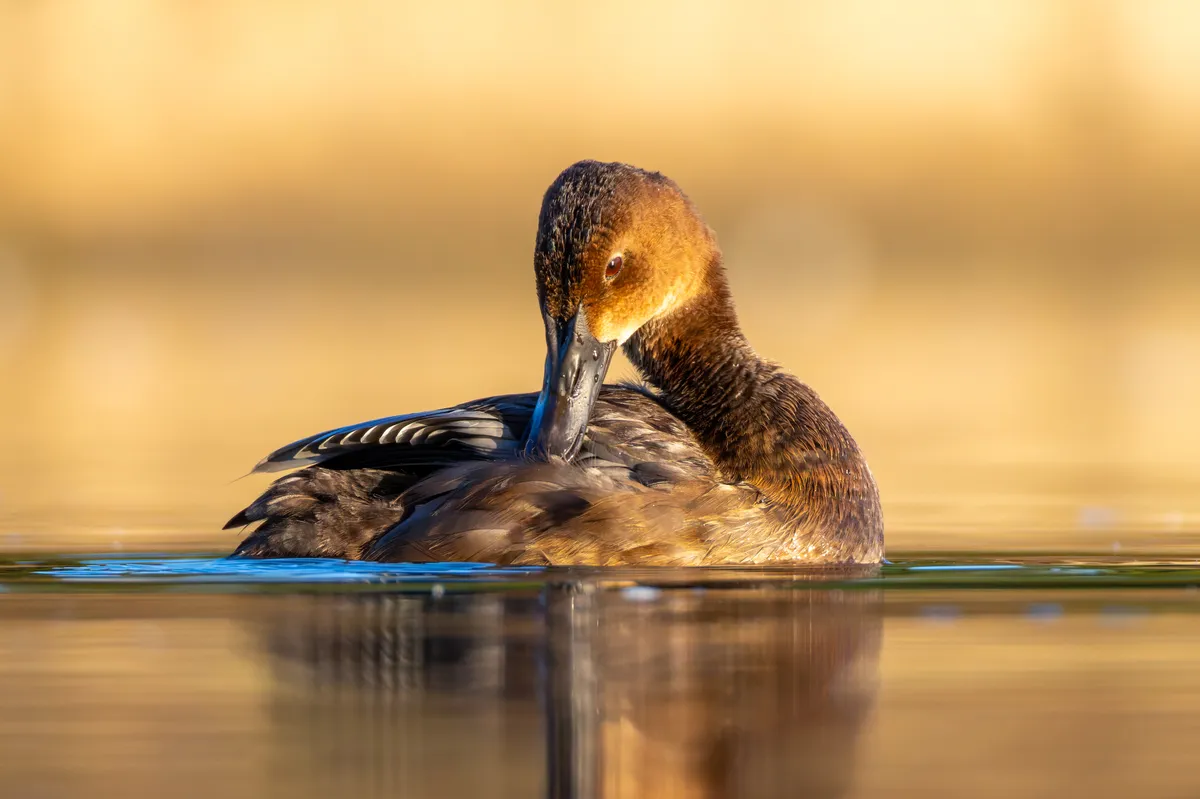
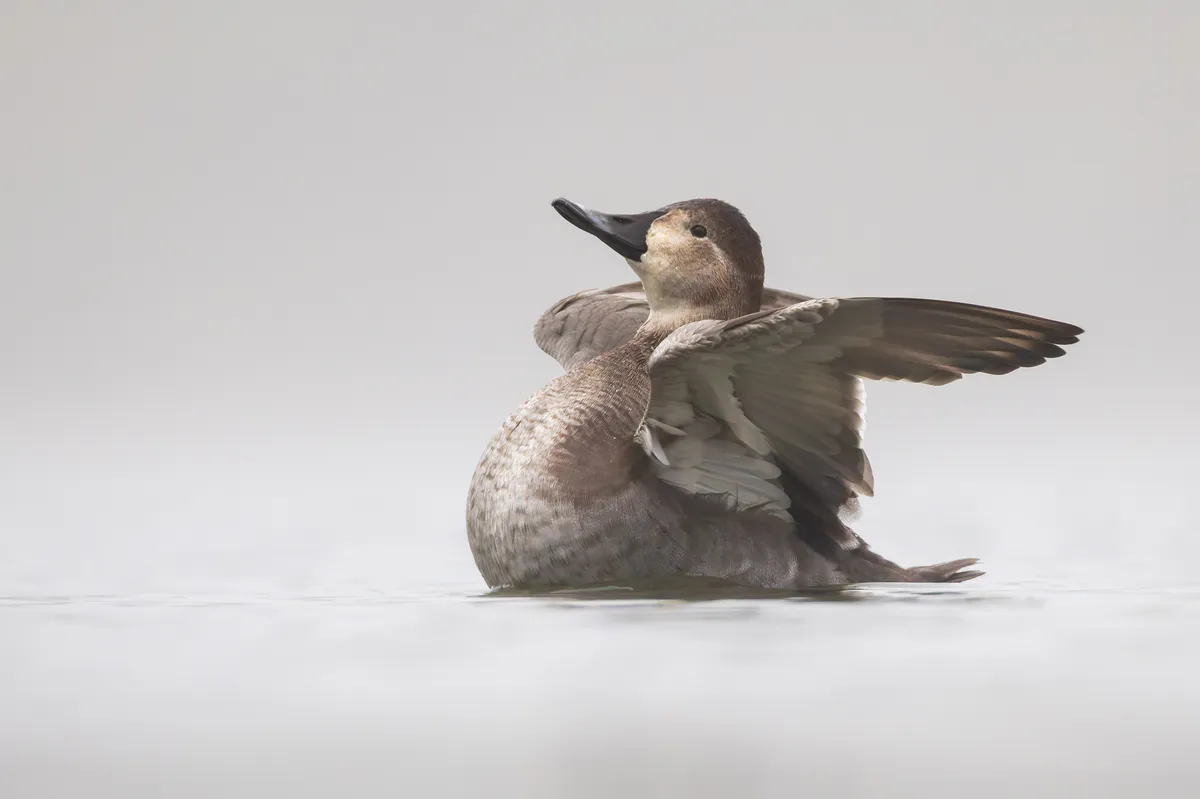
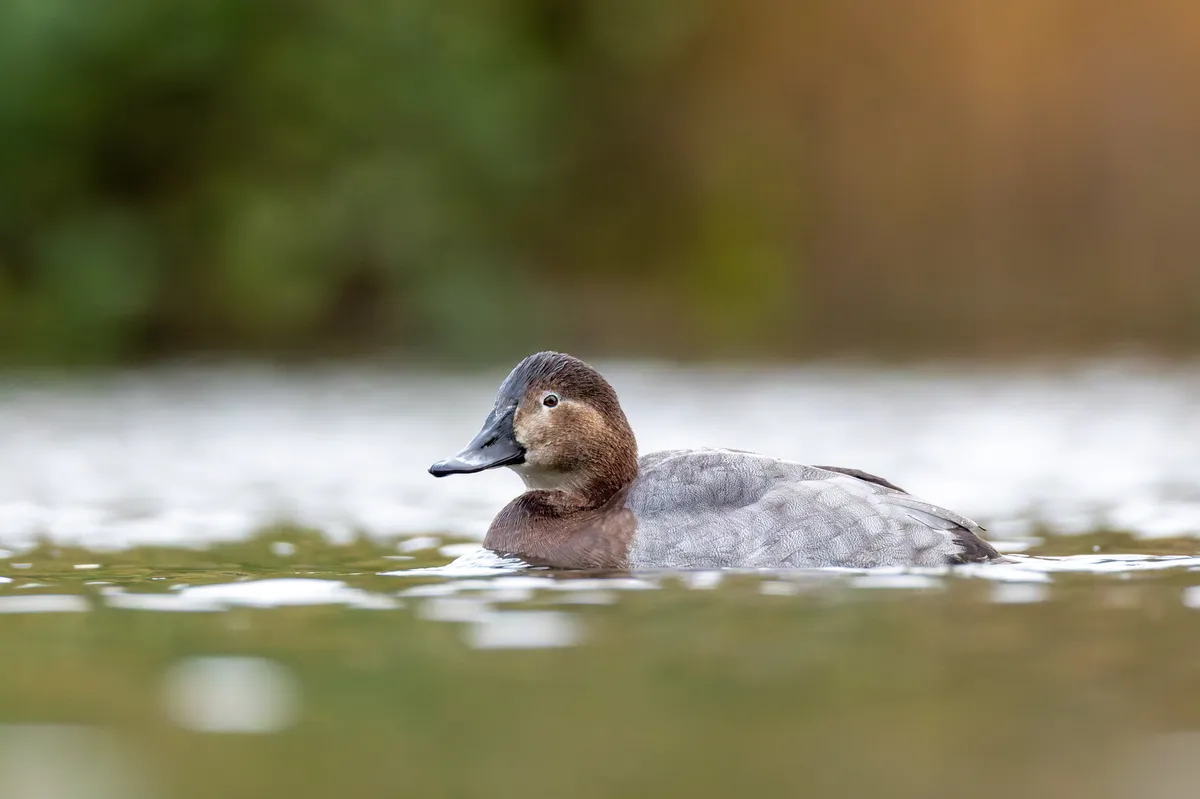
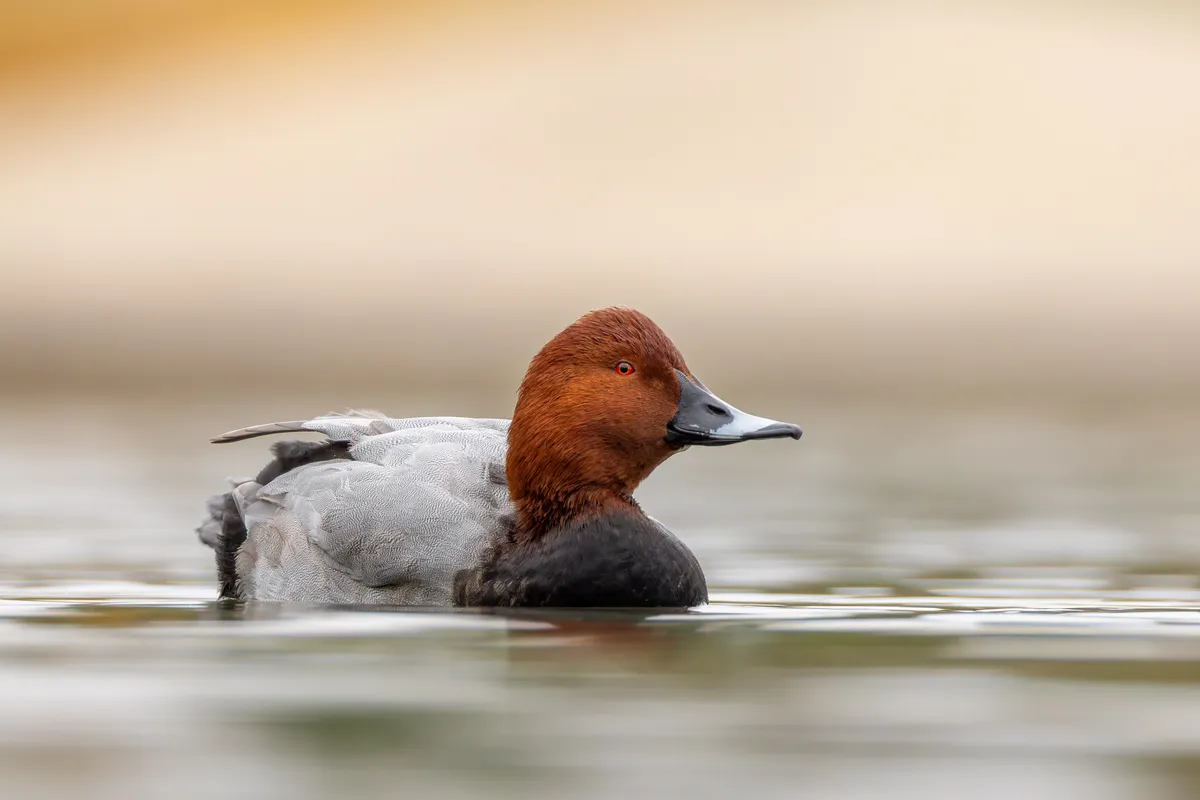
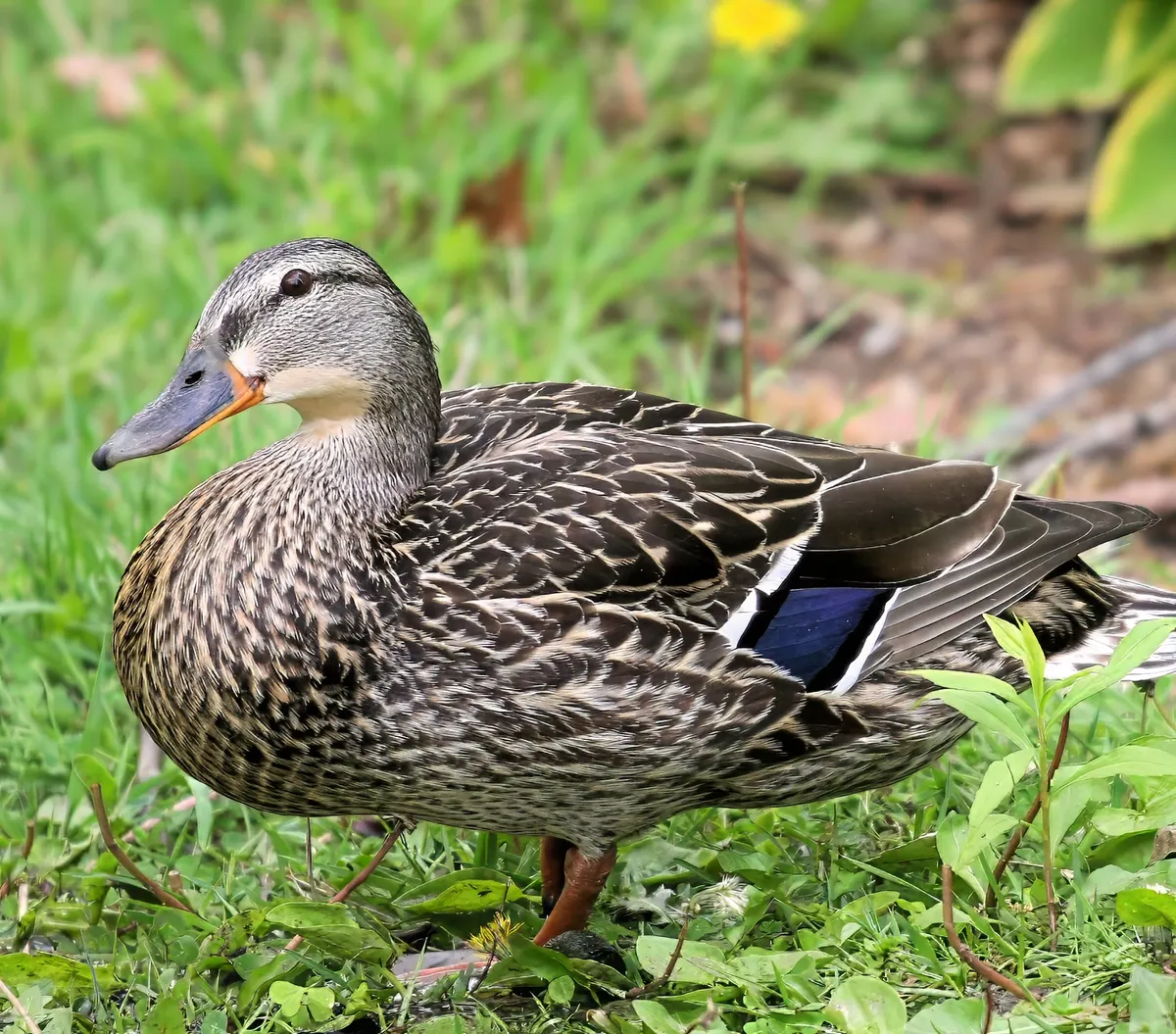
A medium-sized diving duck species native to Eurasia, characterized by its distinctive reddish-brown head and gray body. Highly adapted to aquatic environments with significant diving capabilities.
Image Gallery
ADSENSE SLOT
Ecology & Habitat
Habitat
Freshwater lakes, slow-moving rivers, wetlands, marshes, and coastal waters across Europe, Asia, and parts of North Africa. Prefers areas with dense aquatic vegetation and moderate water depths between 1-5 meters.
Ecological Role
Critical waterbird species that plays significant roles in aquatic ecosystem food webs, seed dispersal, and serves as an important indicator of wetland ecosystem health and water quality.
Morphology
SKIN COATDense waterproof plumage with sexual dimorphism in coloration. Males have brighter, more contrasting feather patterns compared to females.
LIMBS WINGSRelatively short, positioned posteriorly for efficient underwater propulsion. Wingspan of approximately 0.7-0.8 meters. Strong webbed feet adapted for swimming.
HEAD SENSORYRounded head with distinctive reddish-brown coloration in males, smaller and more grayish-brown in females. Large, forward-positioned eyes for underwater navigation.
BODY STRUCTURECompact, robust body with average length of 40-46 cm and weight of 0.7-1.1 kg. Streamlined body shape optimized for diving and underwater locomotion.