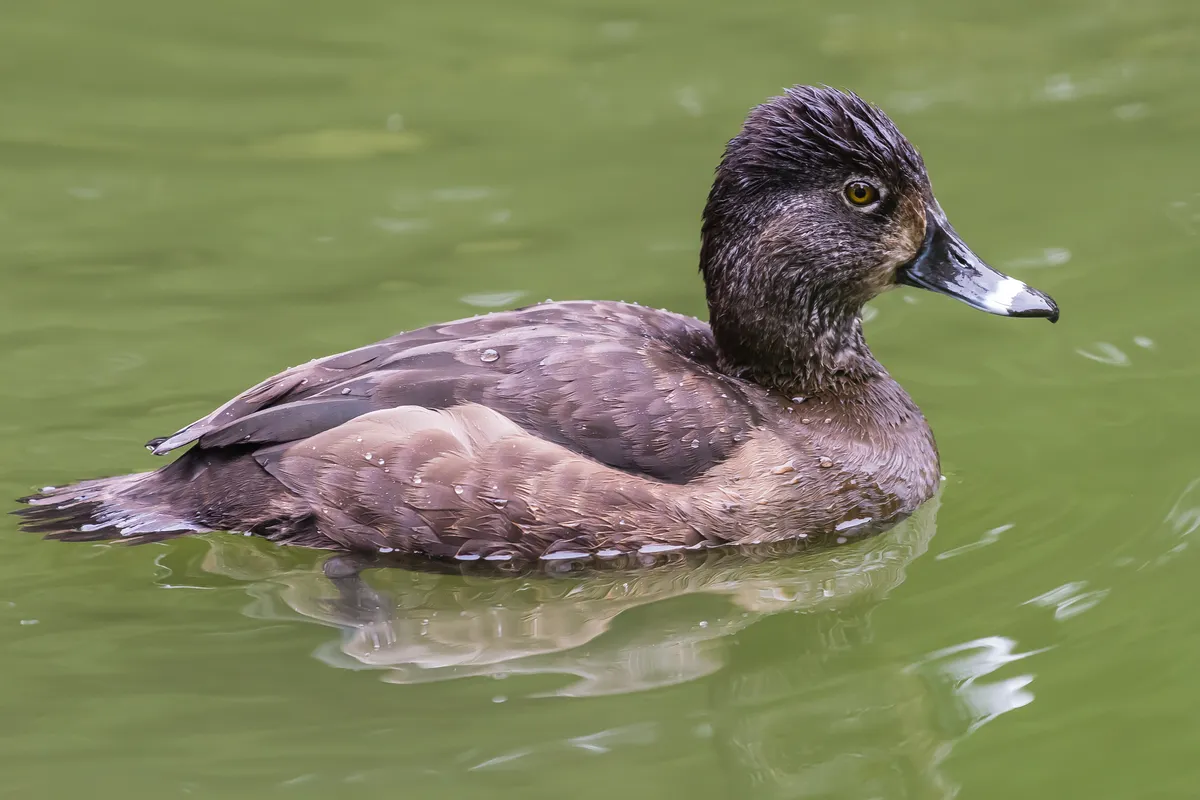
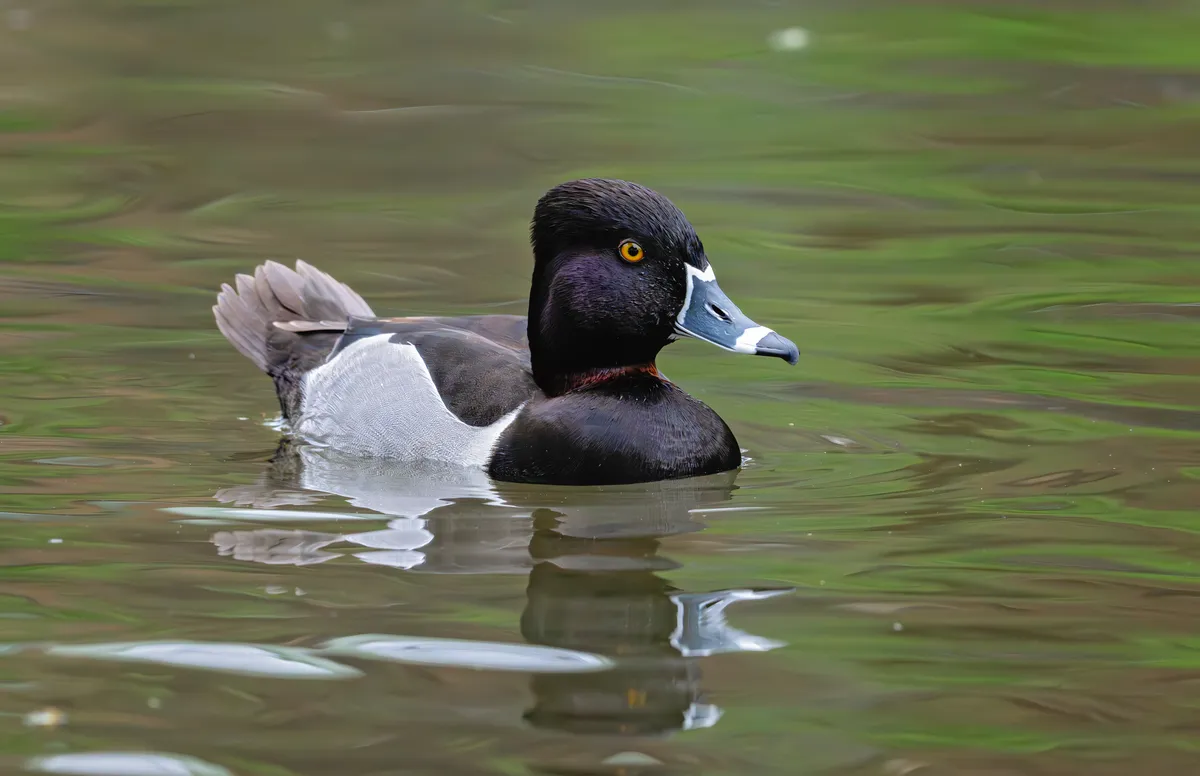
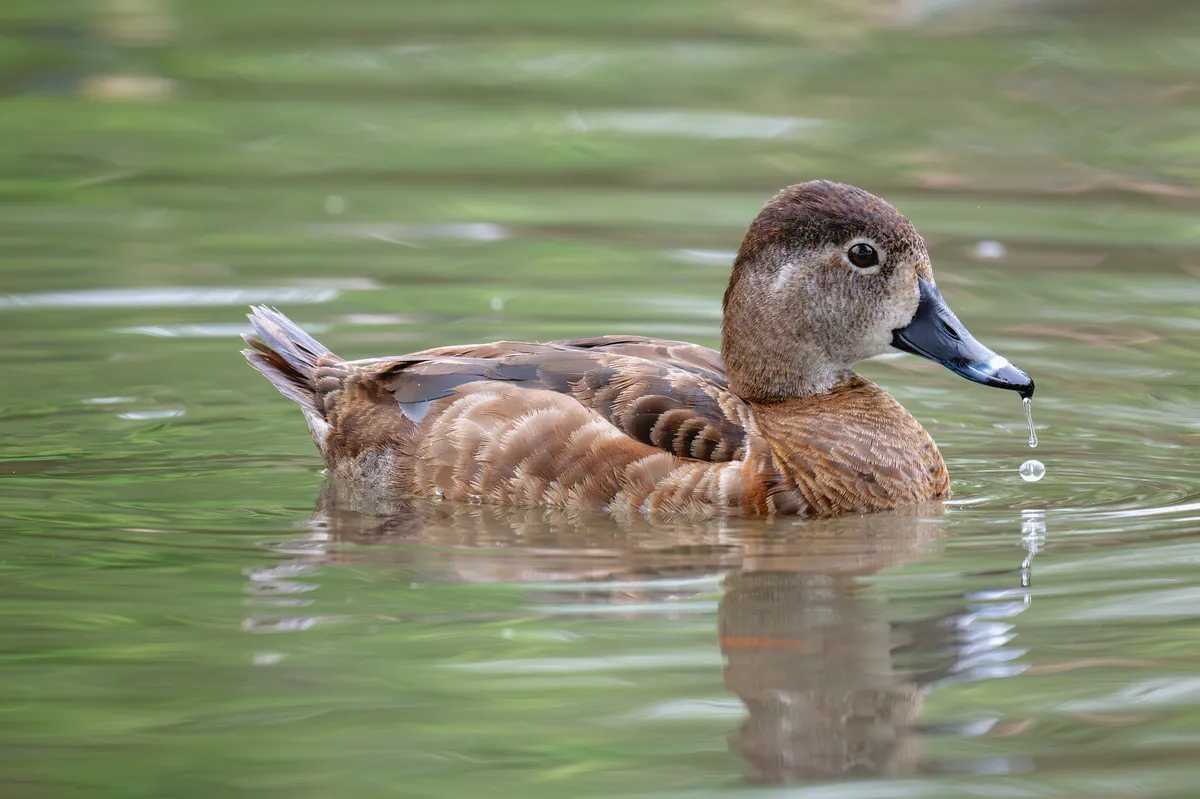
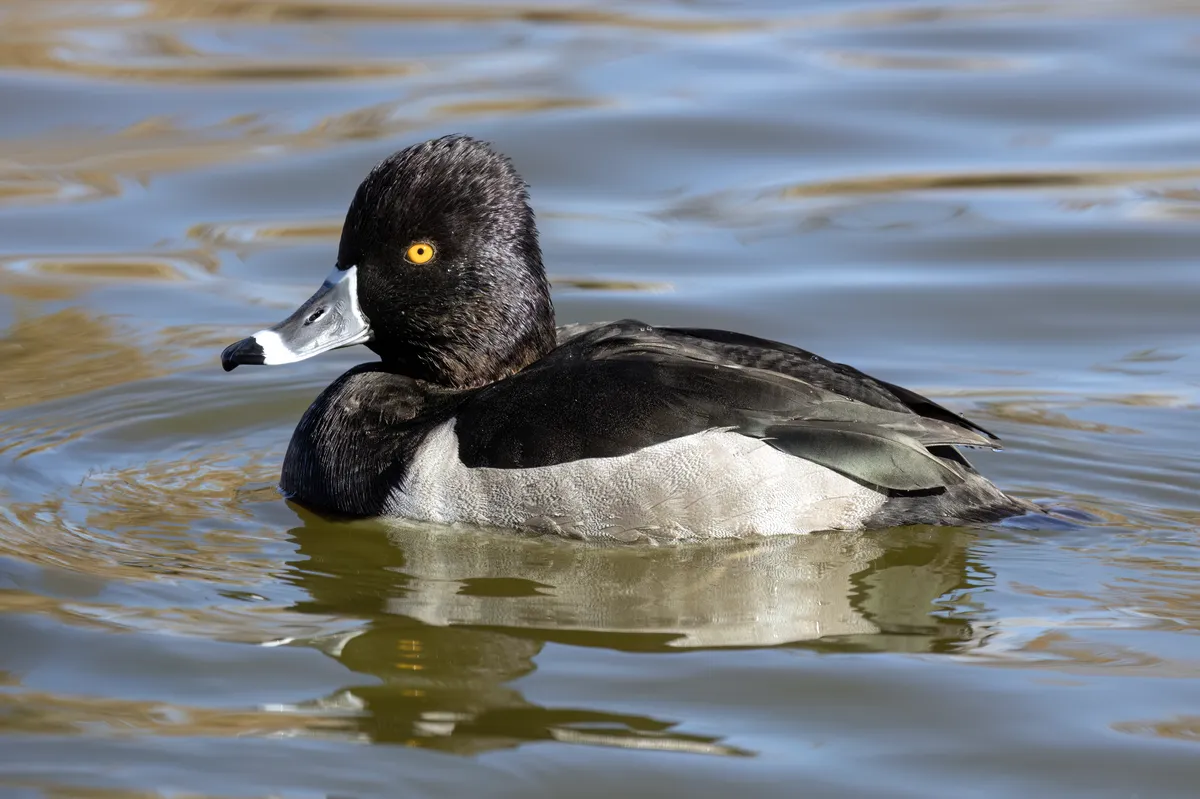
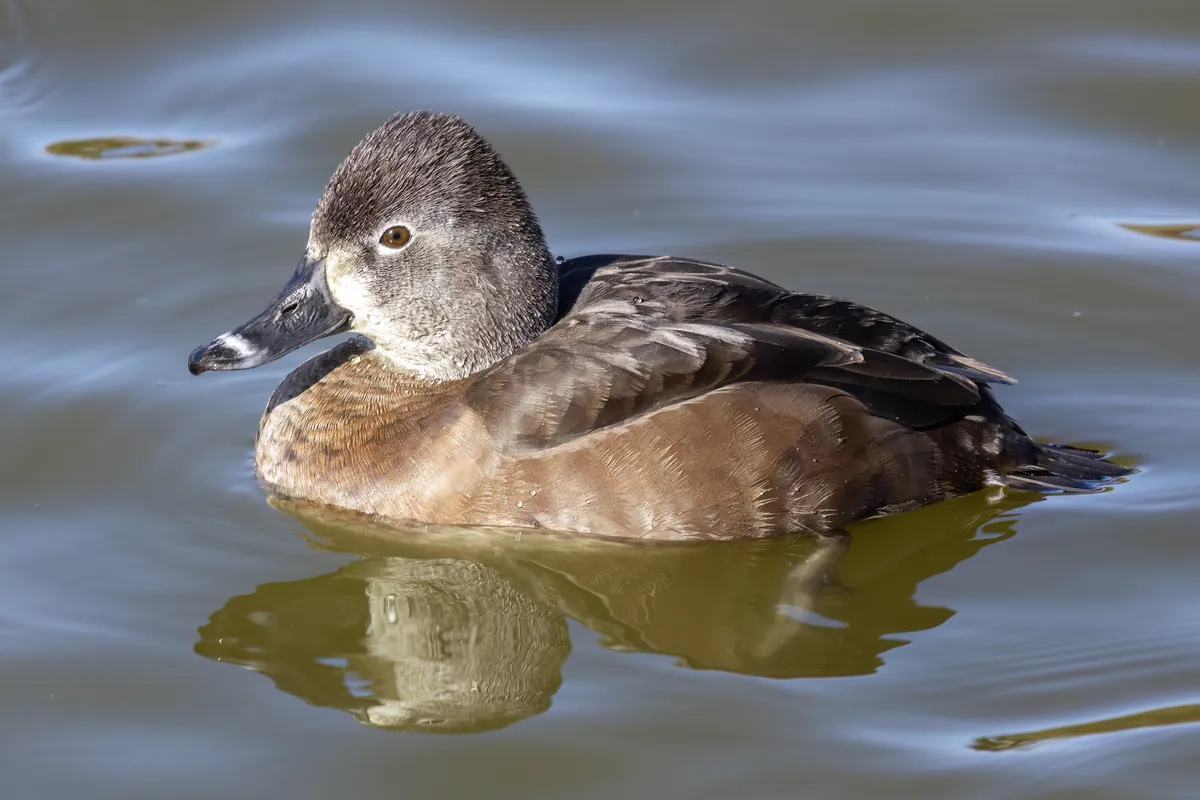
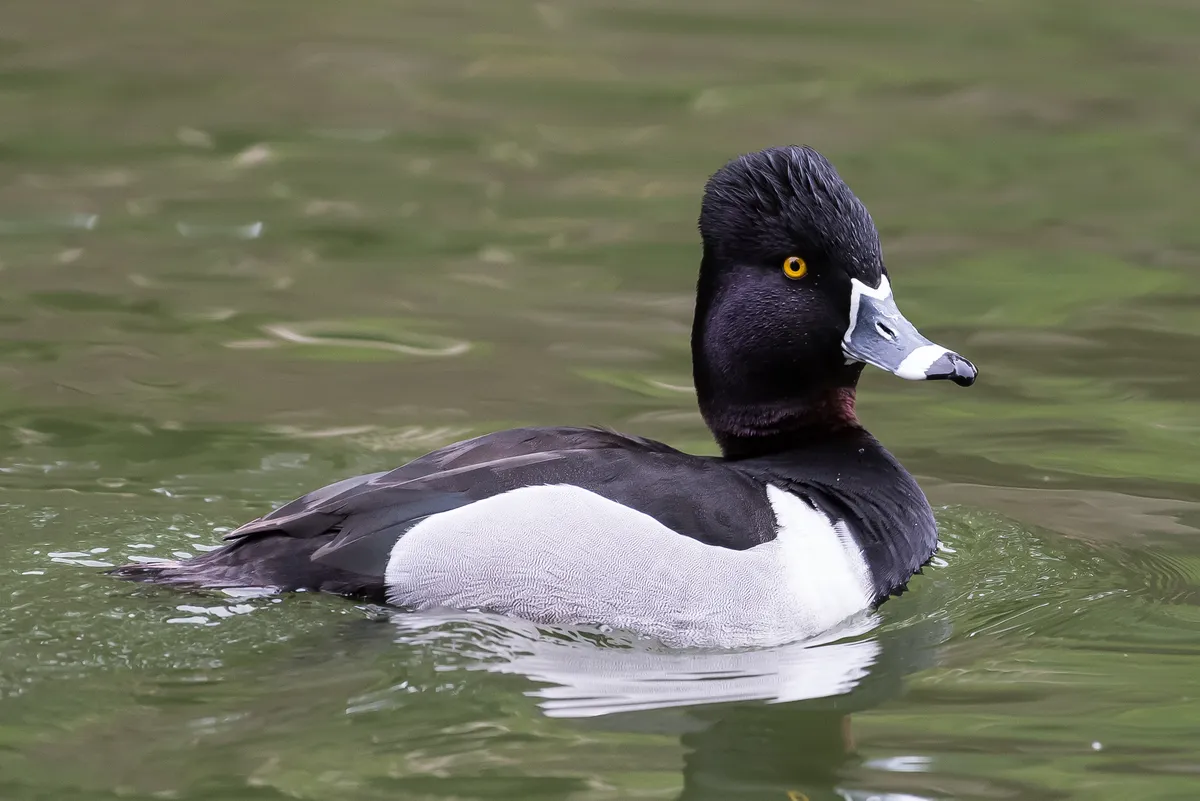
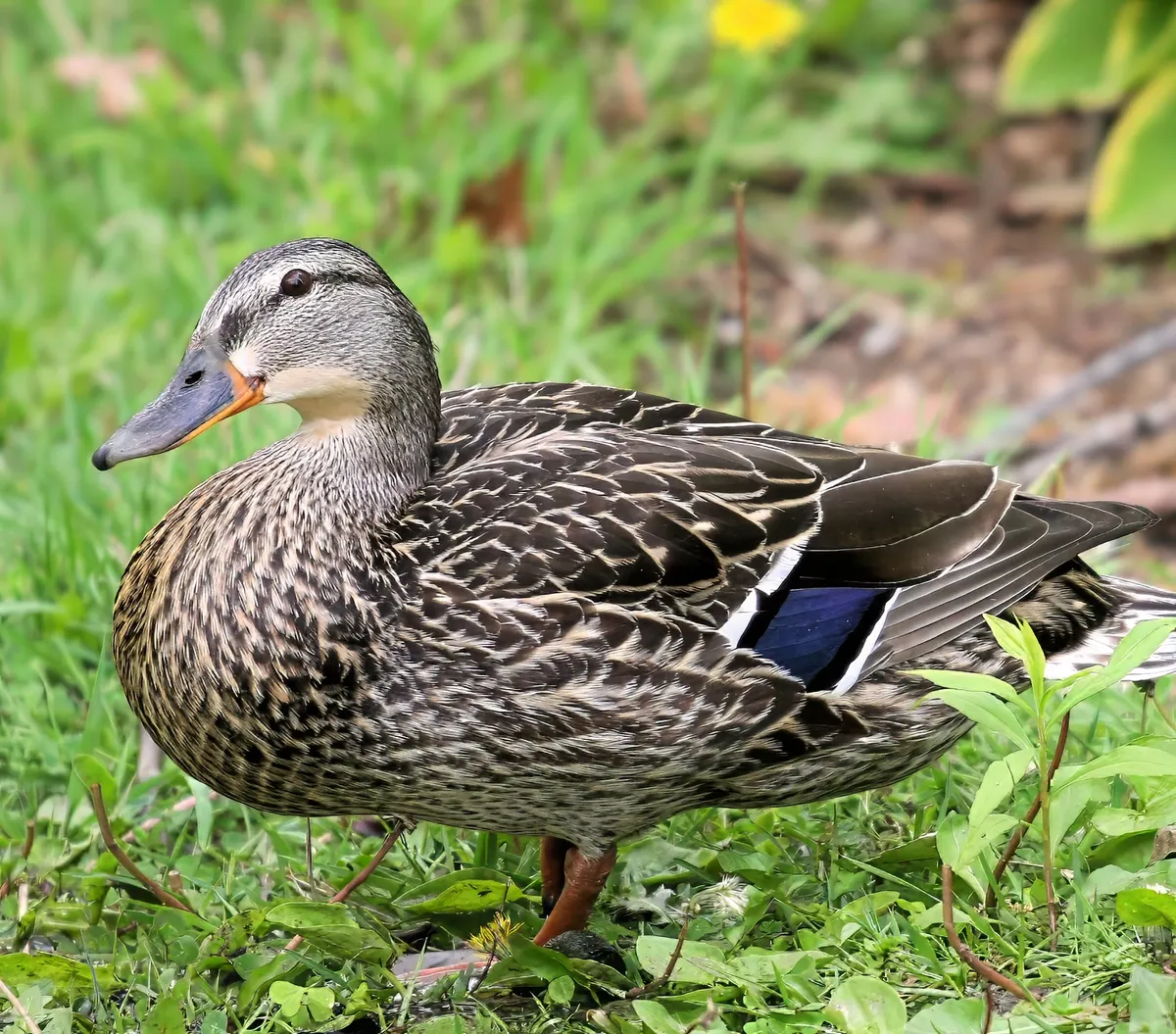
A medium-sized diving duck native to North America, characterized by a distinctive ring around its neck and exceptional diving capabilities for foraging aquatic prey.
Image Gallery
ADSENSE SLOT
Ecology & Habitat
Habitat
Freshwater lakes, ponds, marshes, and slow-moving rivers across boreal and temperate regions of North America, with breeding ranges in Canada and northern United States and wintering ranges extending to southern United States and Central America.
Ecological Role
Key species in aquatic ecosystems, contributing to invertebrate population control, seed dispersal, and serving as prey for larger predators like raptors and carnivorous mammals.
Morphology
SKIN COATDense waterproof plumage, males typically displaying dark black/gray coloration with distinctive white ring near bill base
LIMBS WINGSLegs positioned posteriorly for powerful swimming, wings relatively short and pointed for rapid takeoff and agile flight
HEAD SENSORYRelatively large head, sharp bill with serrated edges for capturing aquatic prey, keen vision for underwater and surface navigation
BODY STRUCTURECompact body, approximately 40-46 cm in length, weighing 500-900 grams, with streamlined form adapted for efficient underwater diving
Data Source: TaxonHub Database
Image Credit: Becky Matsubara from El Sobrante, California