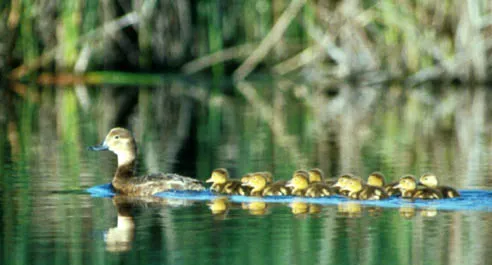
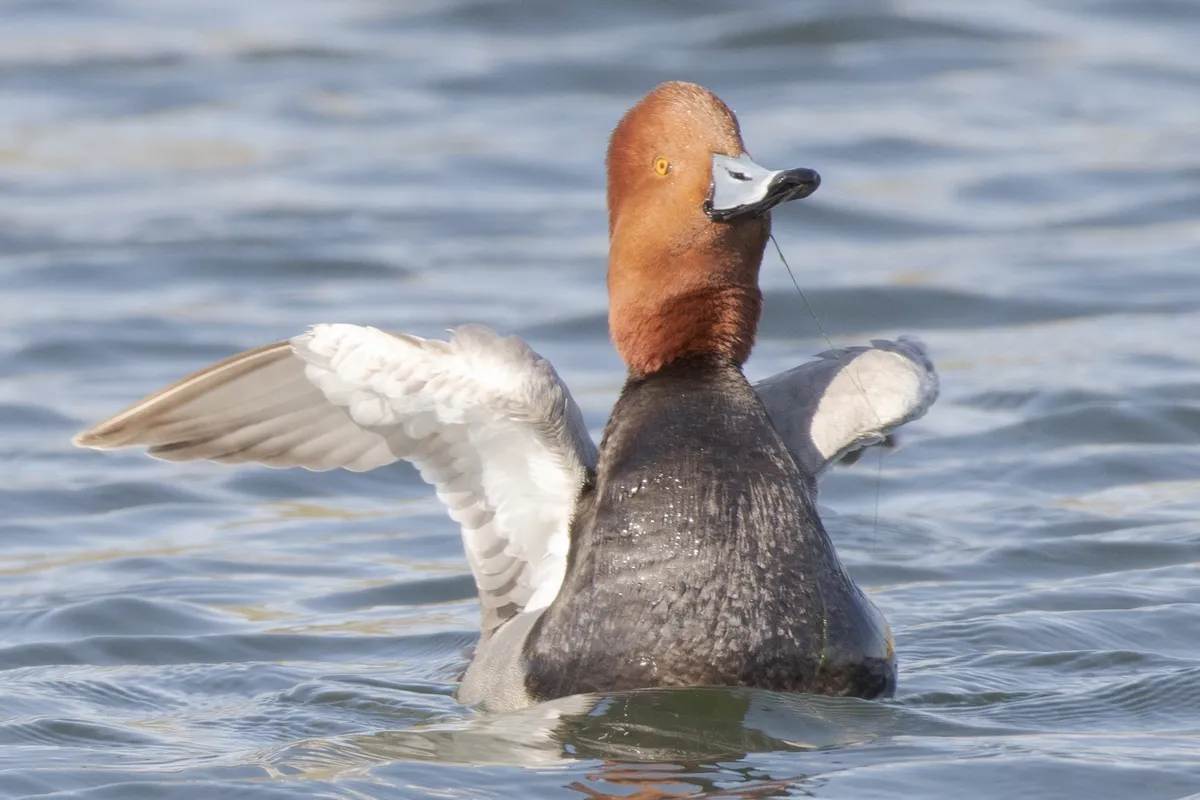
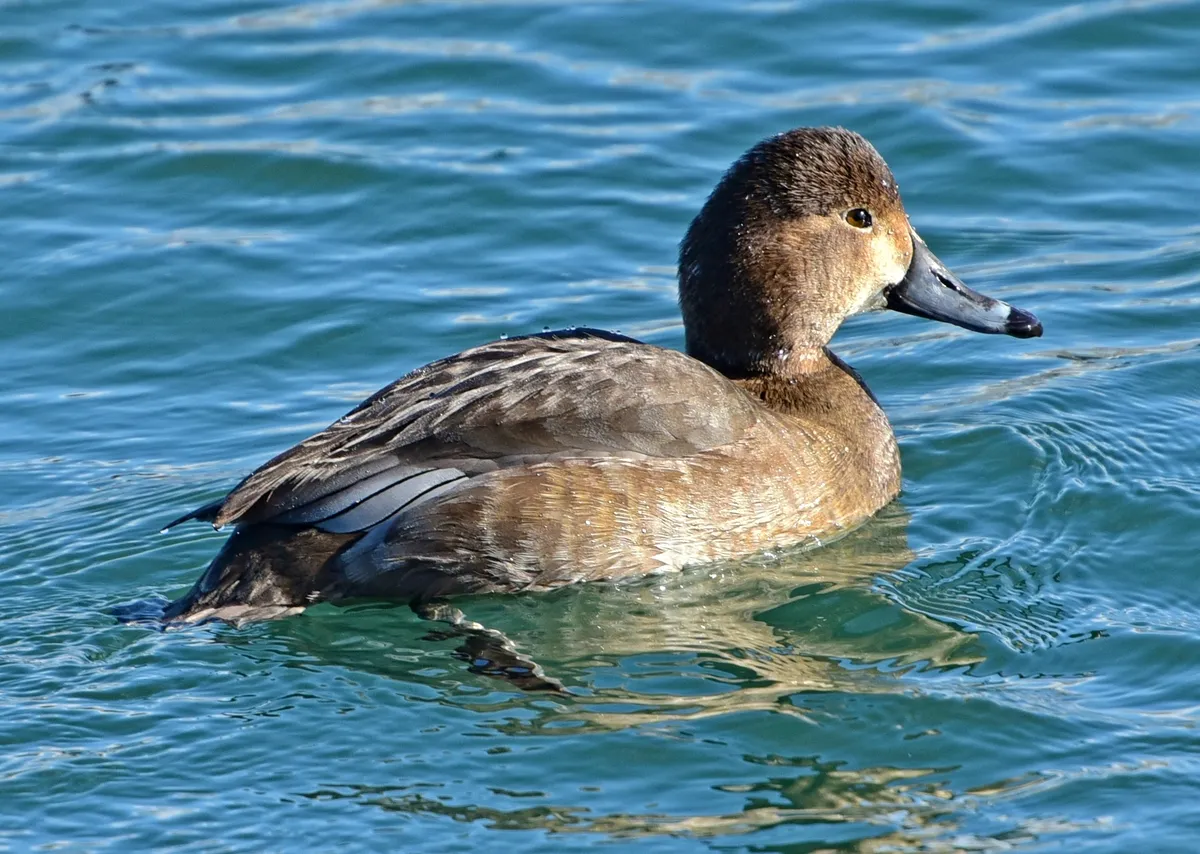
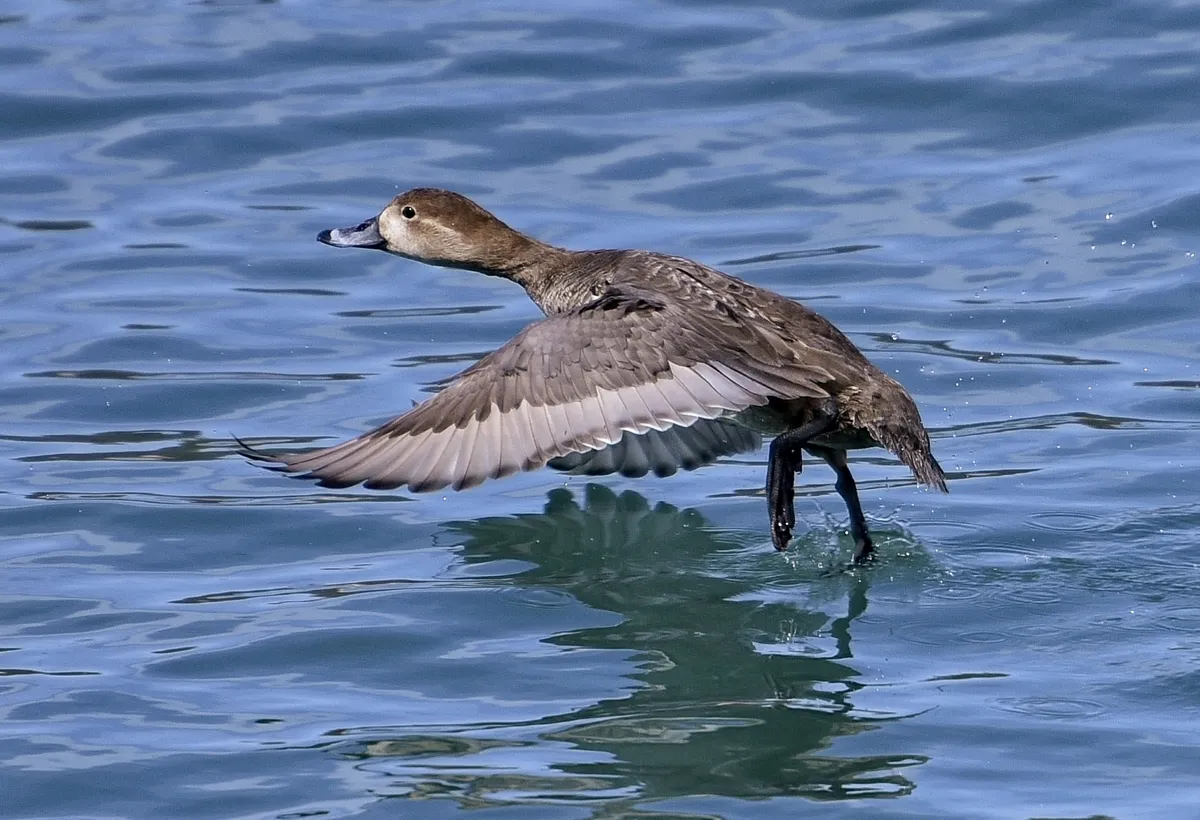
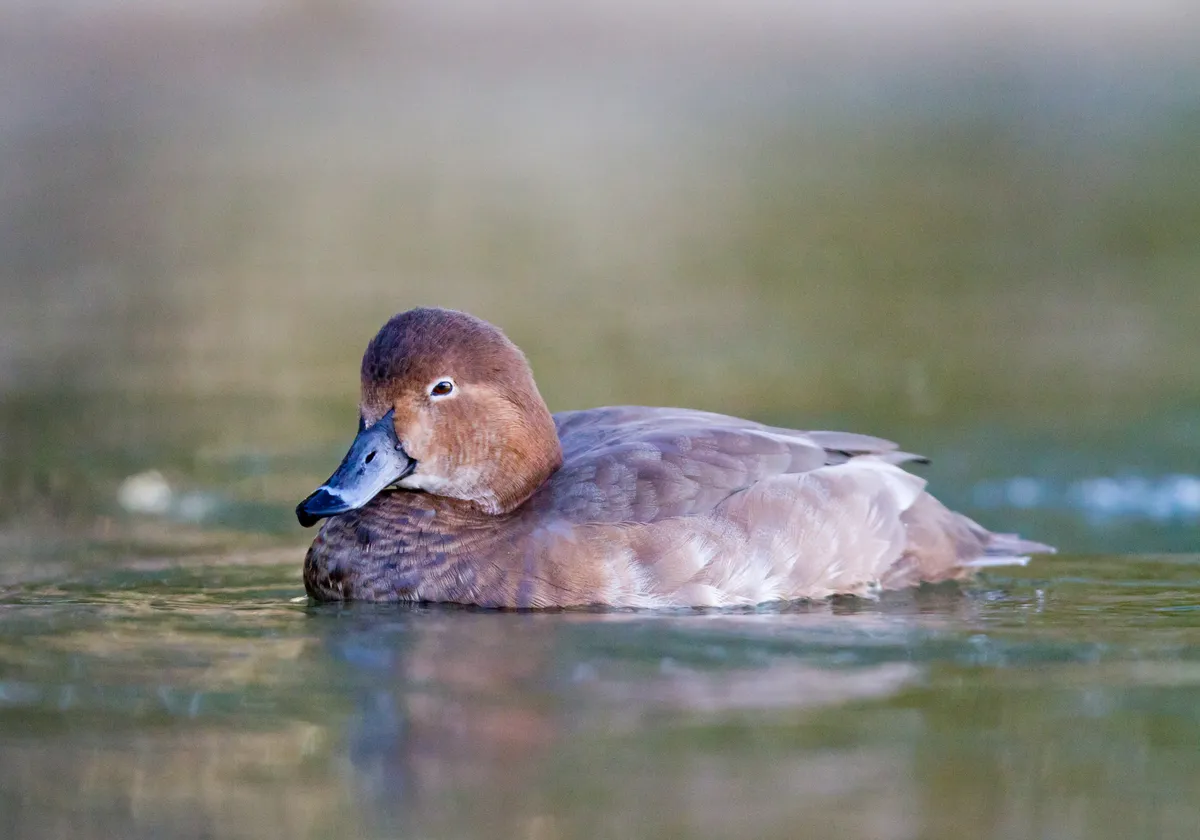
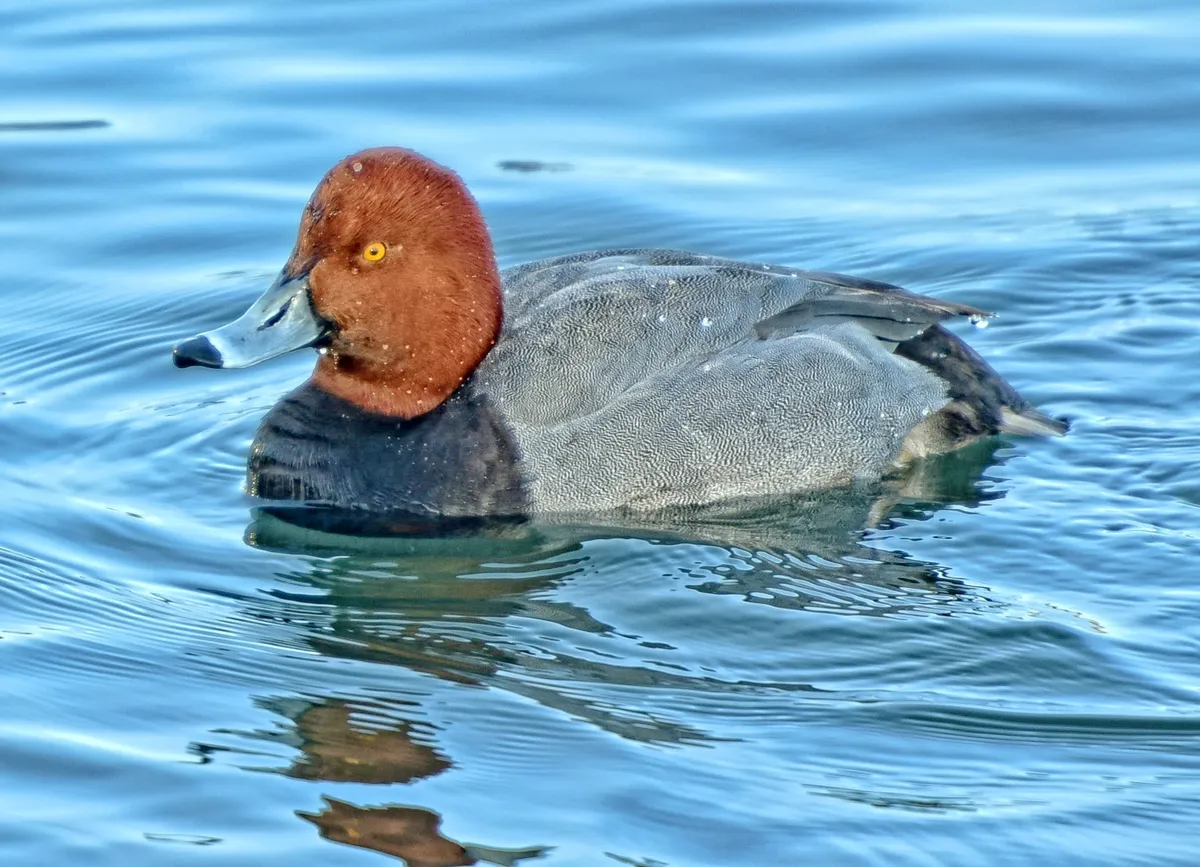
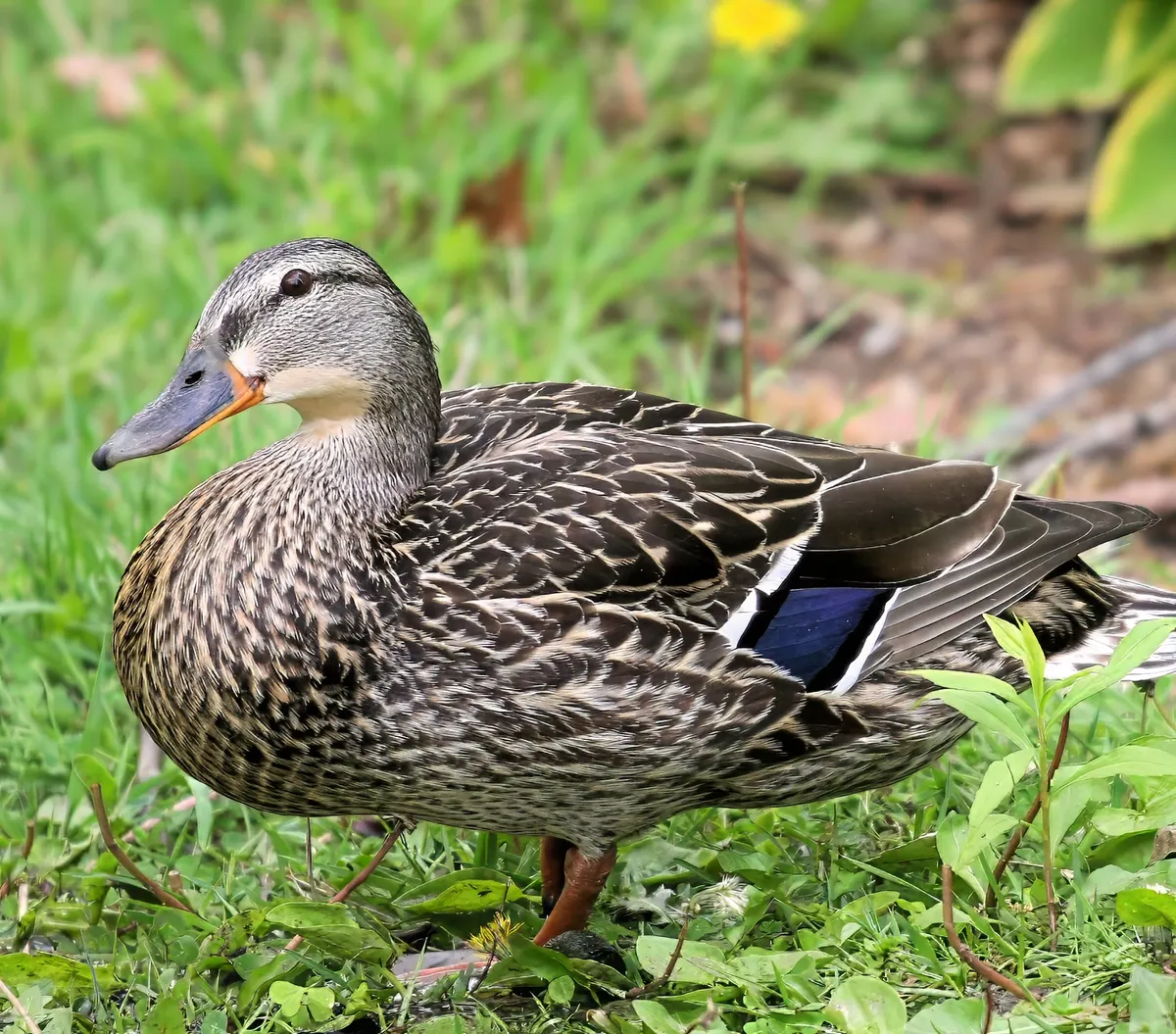
A medium-sized diving duck native to North America, known for its distinctive rusty-red head and gray body. Found primarily in freshwater and wetland environments across the continent.
Image Gallery
ADSENSE SLOT
Ecology & Habitat
Habitat
Freshwater lakes, marshes, prairie ponds, and coastal wetlands across North America, with breeding ranges extending from southern Canada to northern United States and wintering areas in southern United States and Mexico.
Ecological Role
Critical component of aquatic ecosystems, serving as both predator and prey. Plays significant role in seed dispersal, aquatic invertebrate population control, and supporting biodiversity in wetland habitats.
Morphology
SKIN COATDense waterproof plumage, predominantly gray body with black chest, specialized feather structure providing thermal insulation and buoyancy.
LIMBS WINGSCompact wings for efficient flight, webbed feet positioned posteriorly for powerful underwater propulsion, wing length approximately 20-25 cm.
HEAD SENSORYDistinctive rusty-red head with rounded crown, sharp bill adapted for aquatic foraging, and keen eyesight for underwater navigation.
BODY STRUCTUREMedium-sized diving duck, approximately 42-49 cm in length, with body mass ranging 700-1400 g. Streamlined body adapted for efficient underwater swimming.