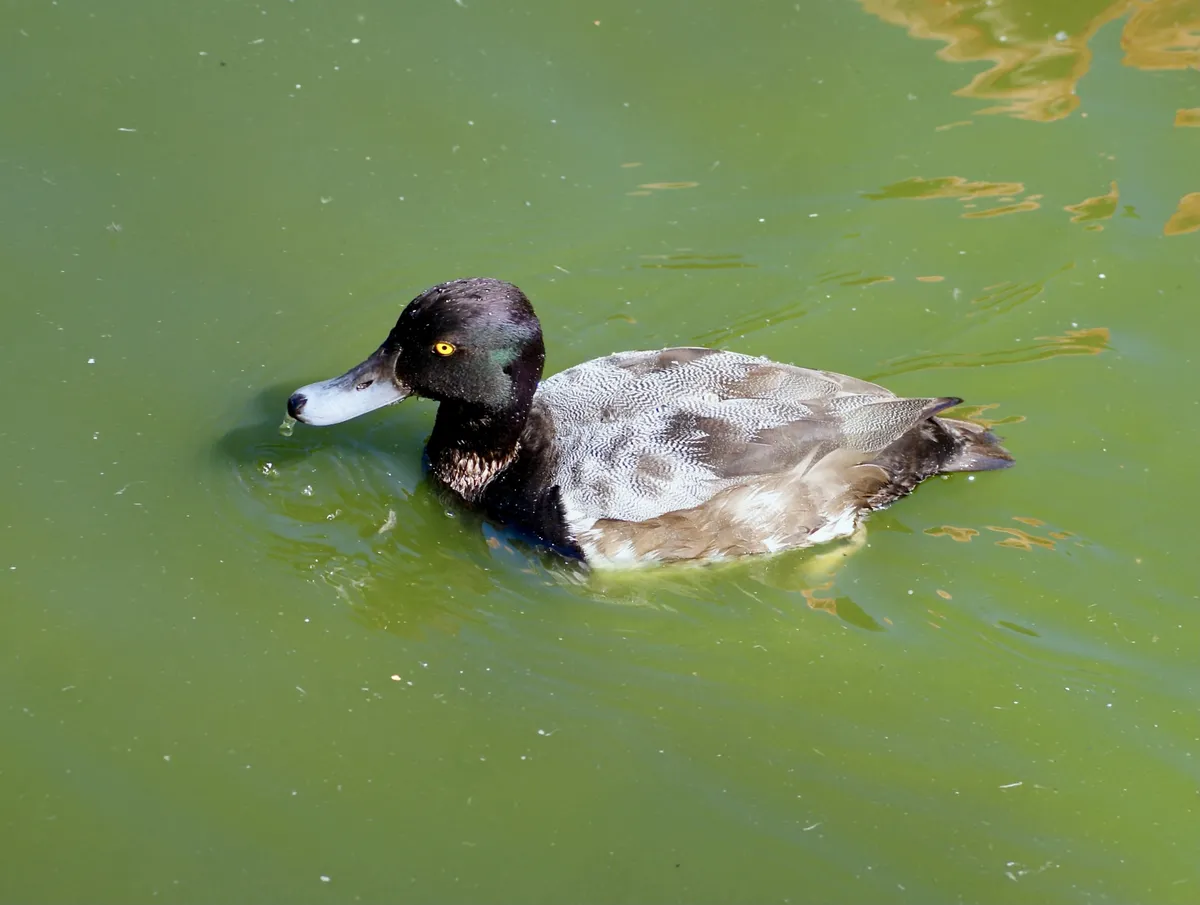
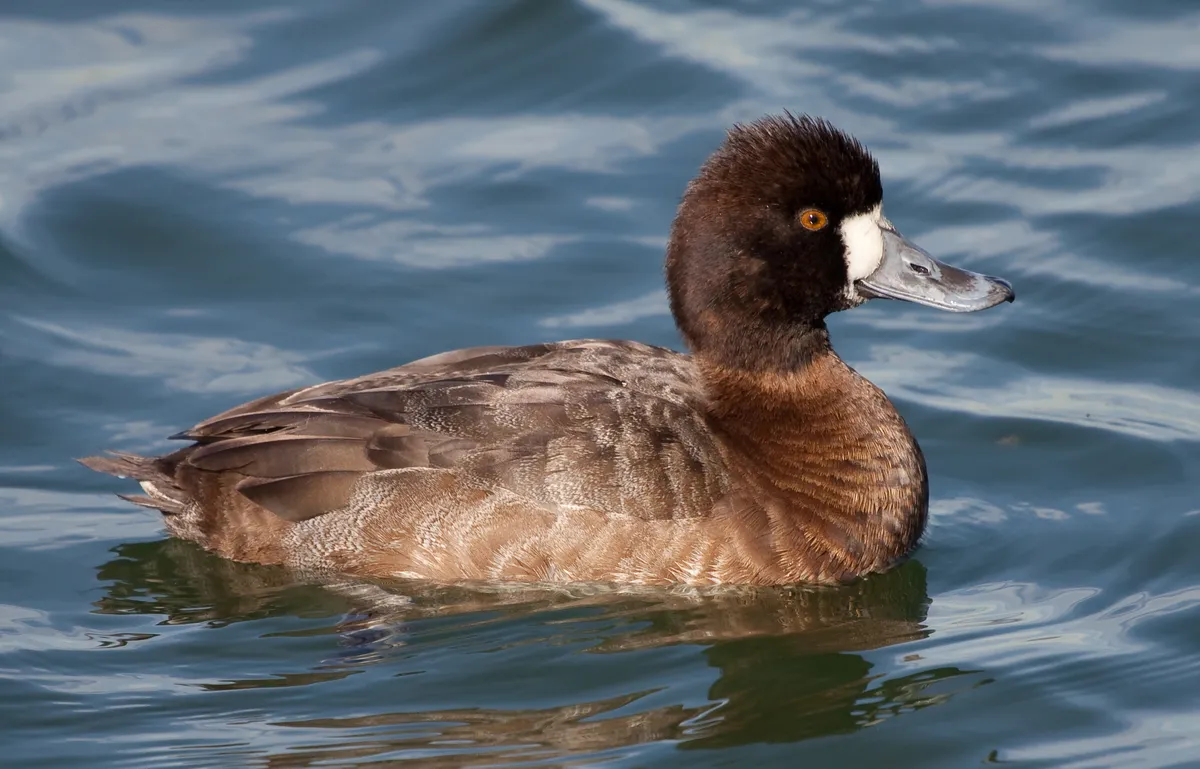
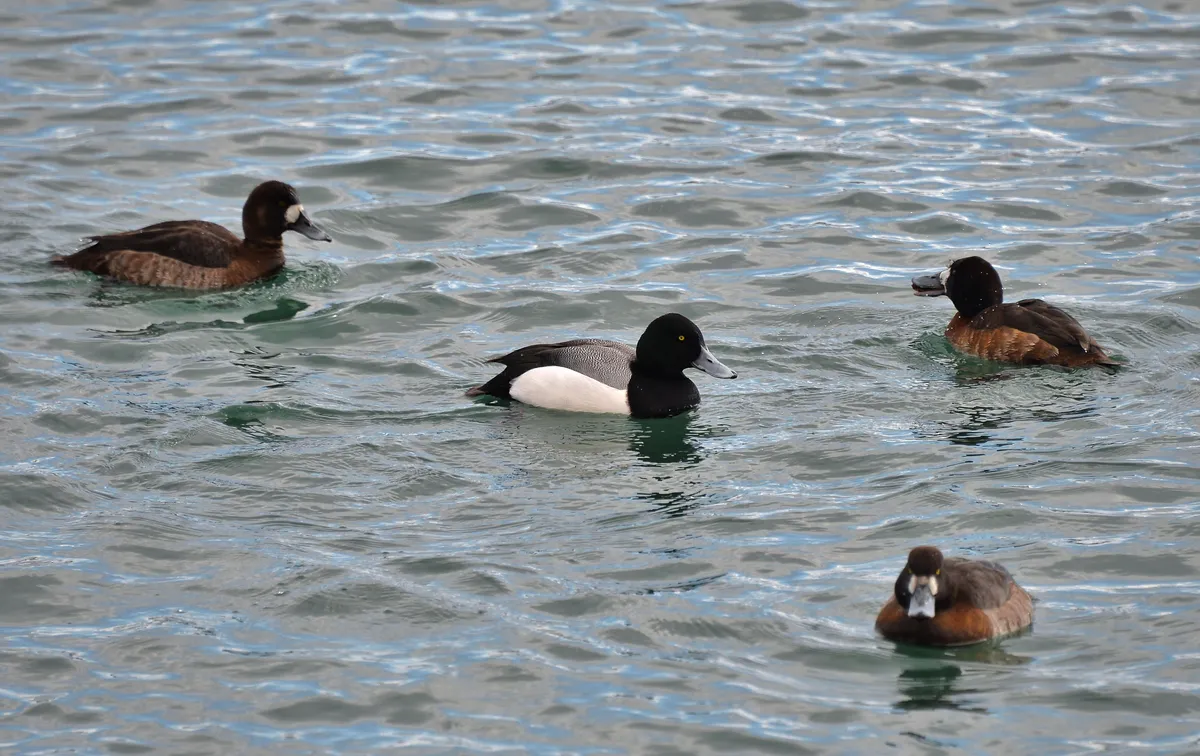
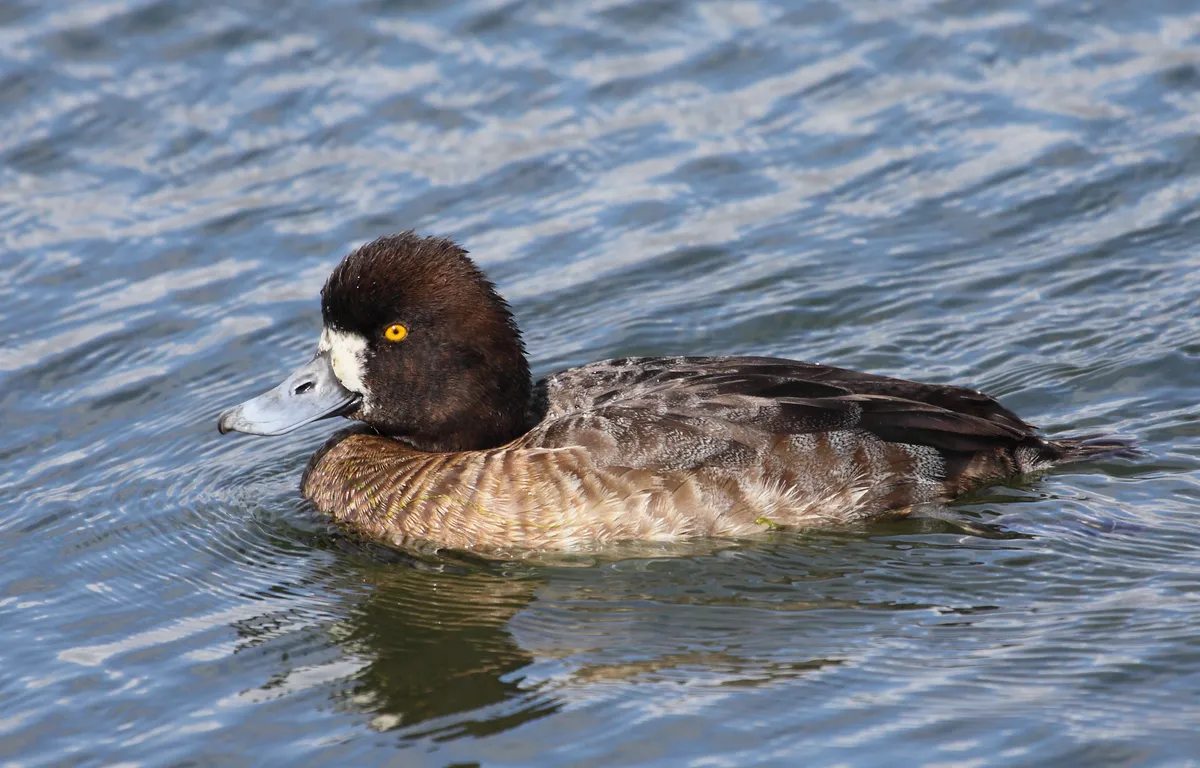
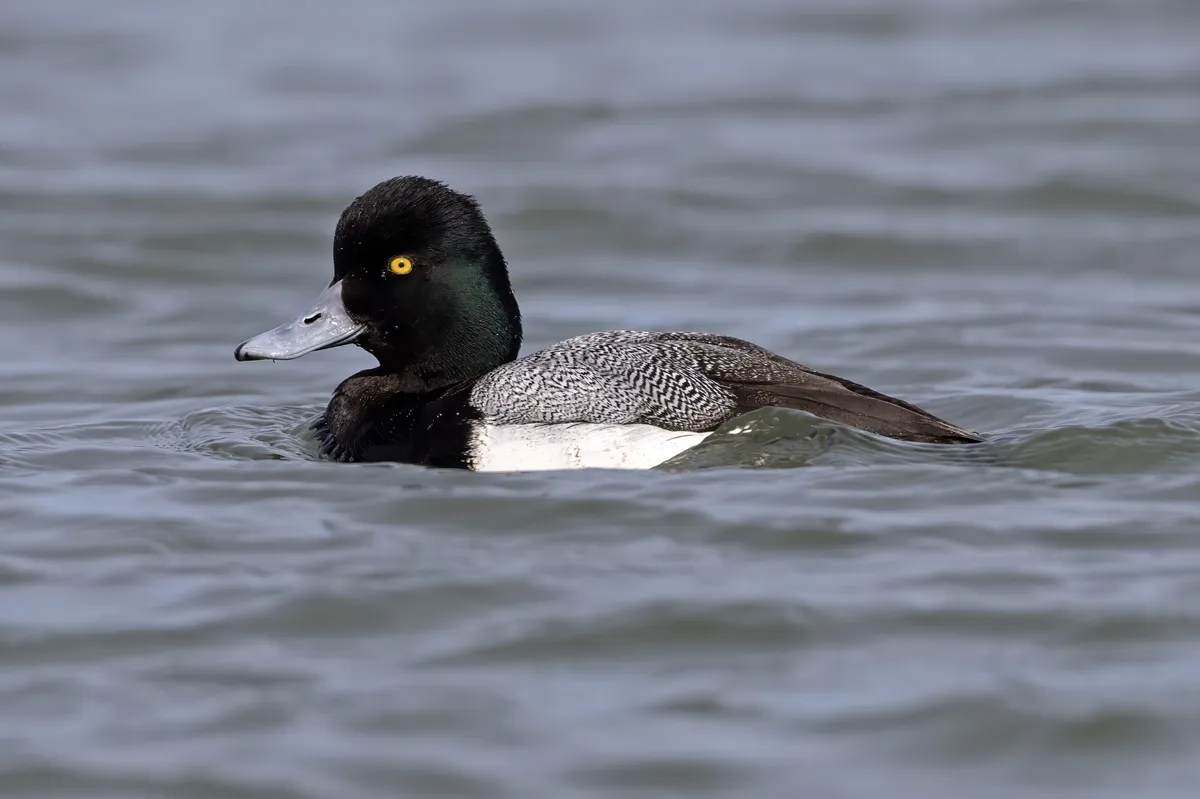
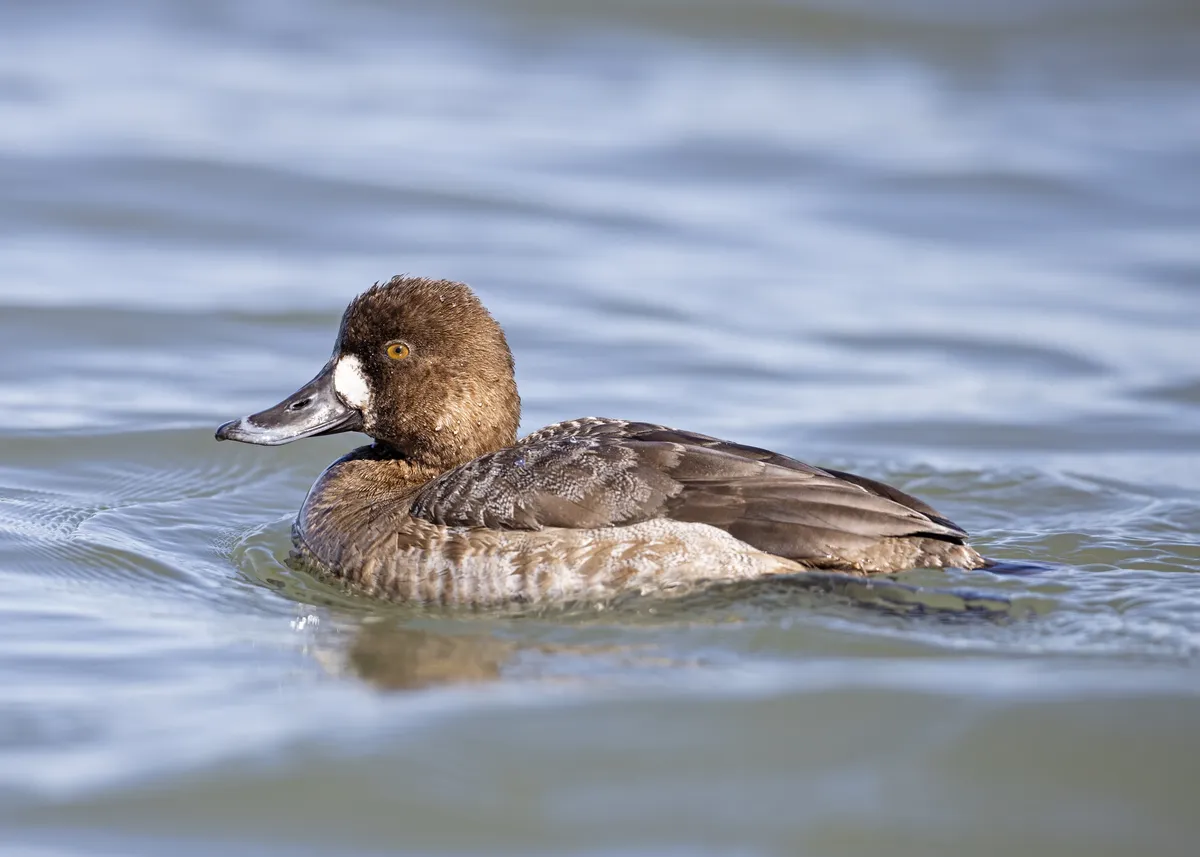
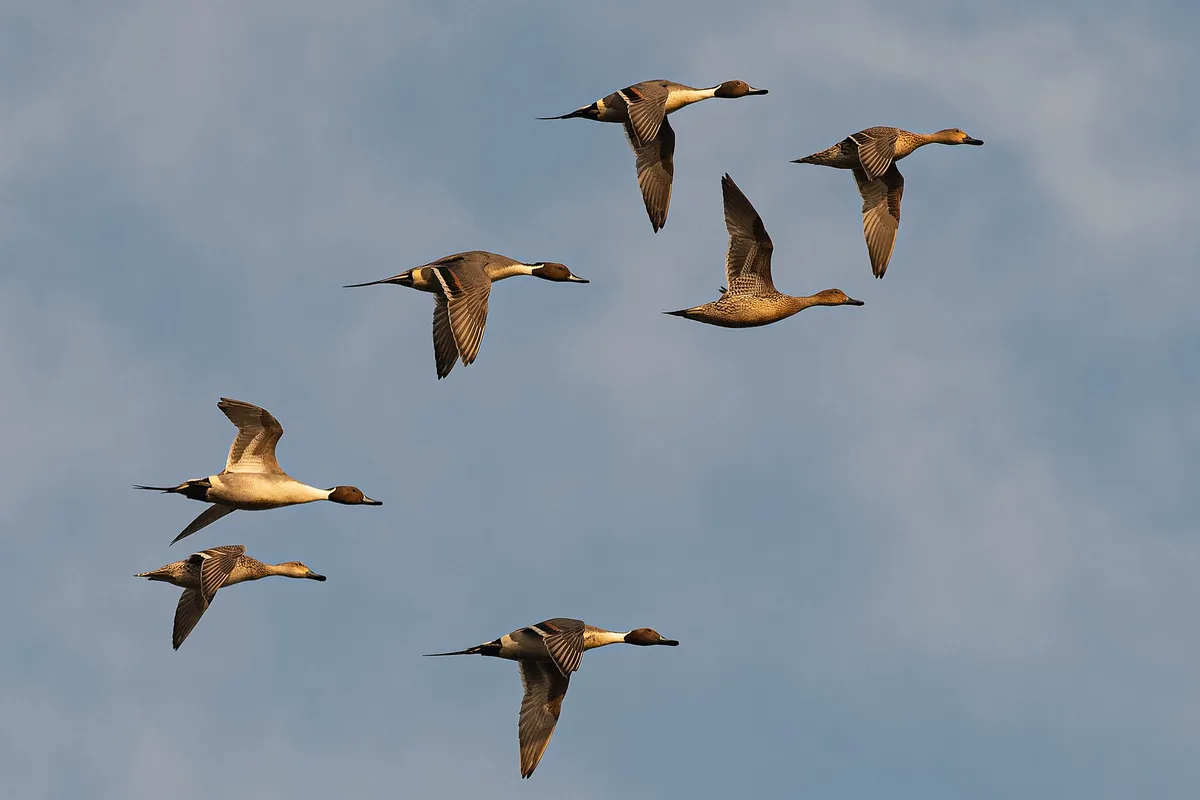
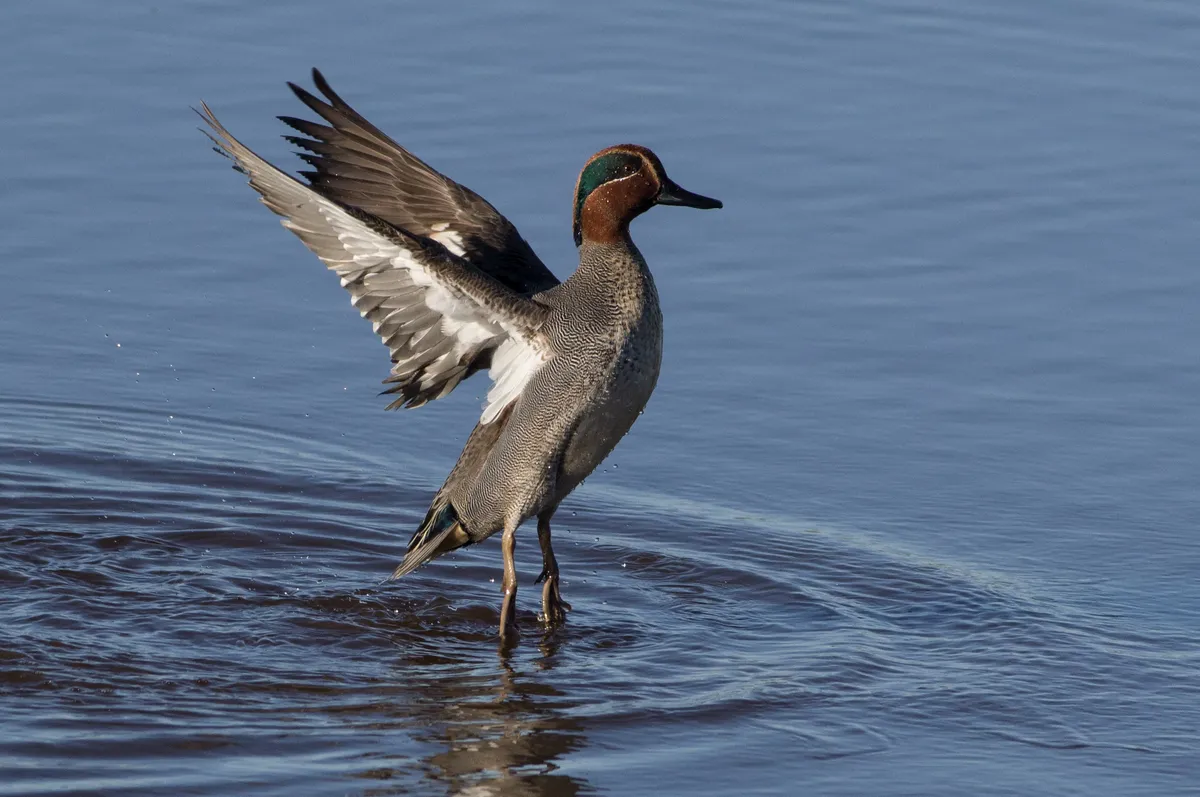
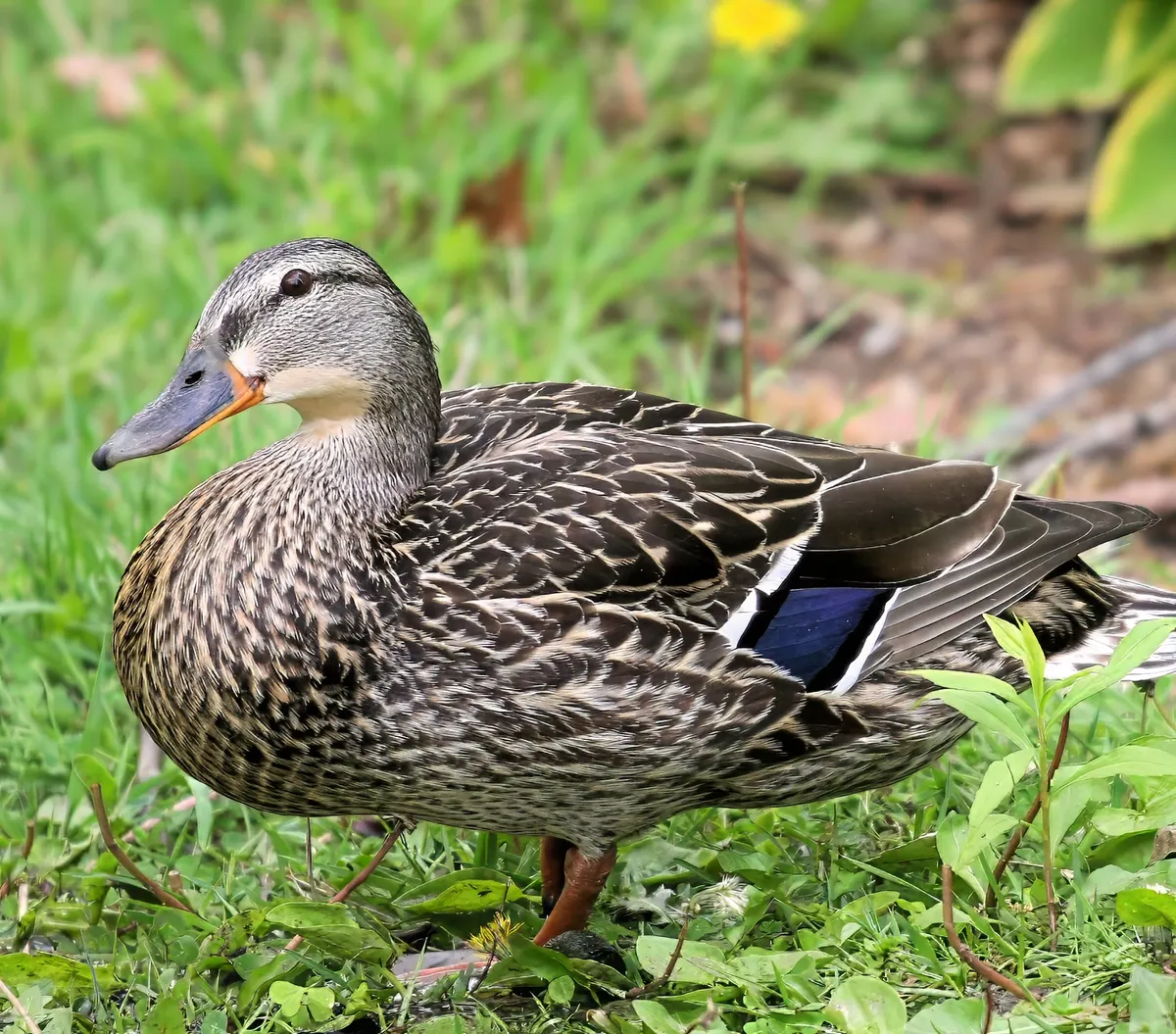
A small diving duck species widely distributed across North America, characterized by its compact body and distinctive diving behavior in freshwater and coastal marine habitats.
Image Gallery
ADSENSE SLOT
Ecology & Habitat
Habitat
Freshwater lakes, ponds, marshes, coastal bays, wetlands across North America; winters in southern United States, Mexico, and Central America
Ecological Role
Critical component of aquatic ecosystems, serving as prey for predators and controlling aquatic invertebrate populations through selective feeding
Morphology
SKIN COATDense waterproof plumage; males have dark head and back with white sides; females more uniformly brown
LIMBS WINGSLegs positioned posteriorly for powerful swimming; wings relatively short and pointed for agile underwater propulsion
HEAD SENSORYSmall head with rounded crown; dark colored eyes; short, broad bill adapted for aquatic foraging
BODY STRUCTURECompact, rounded body; average length 38-46 cm; weight 500-900 g; streamlined shape for efficient diving
Data Source: TaxonHub Database
Image Credit: NasserHalaweh