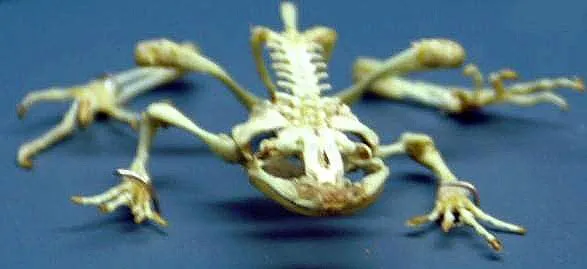
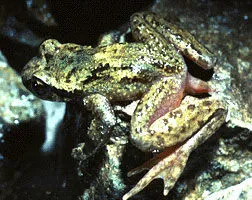
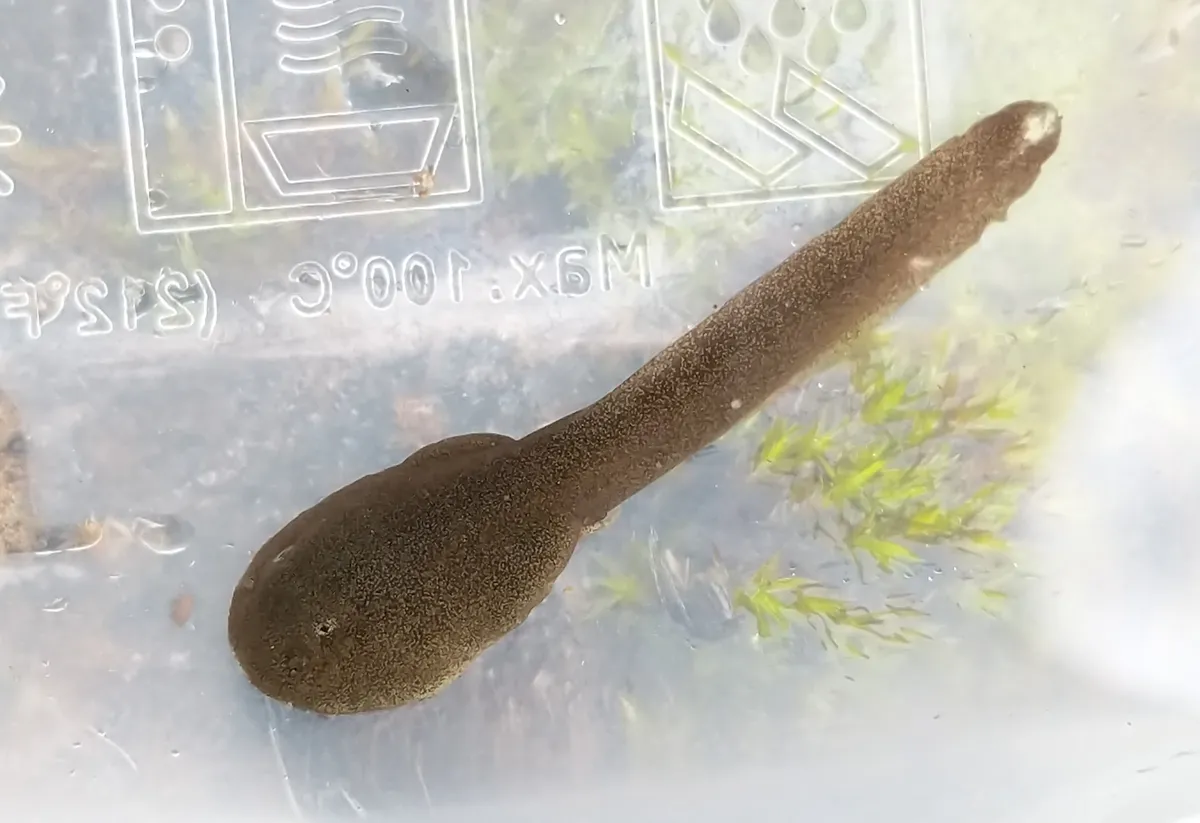
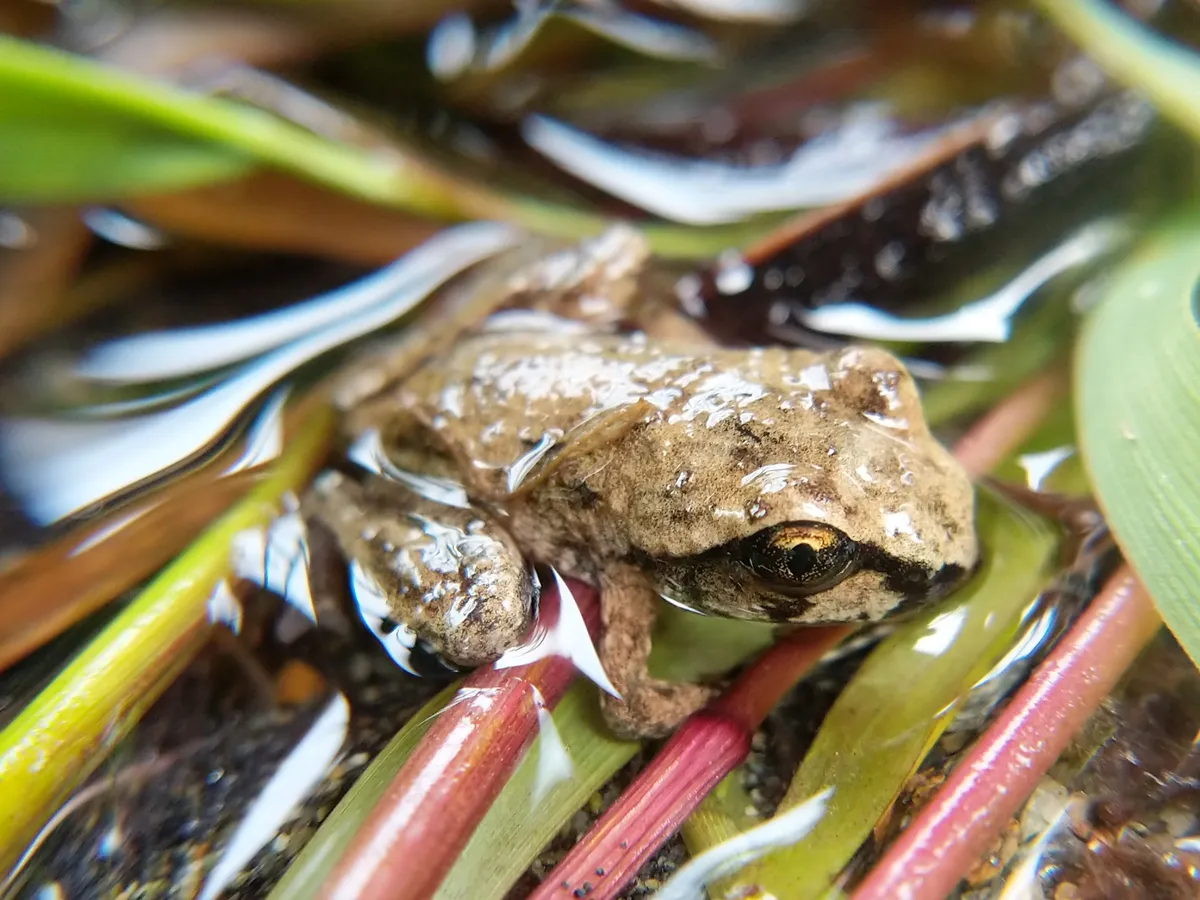
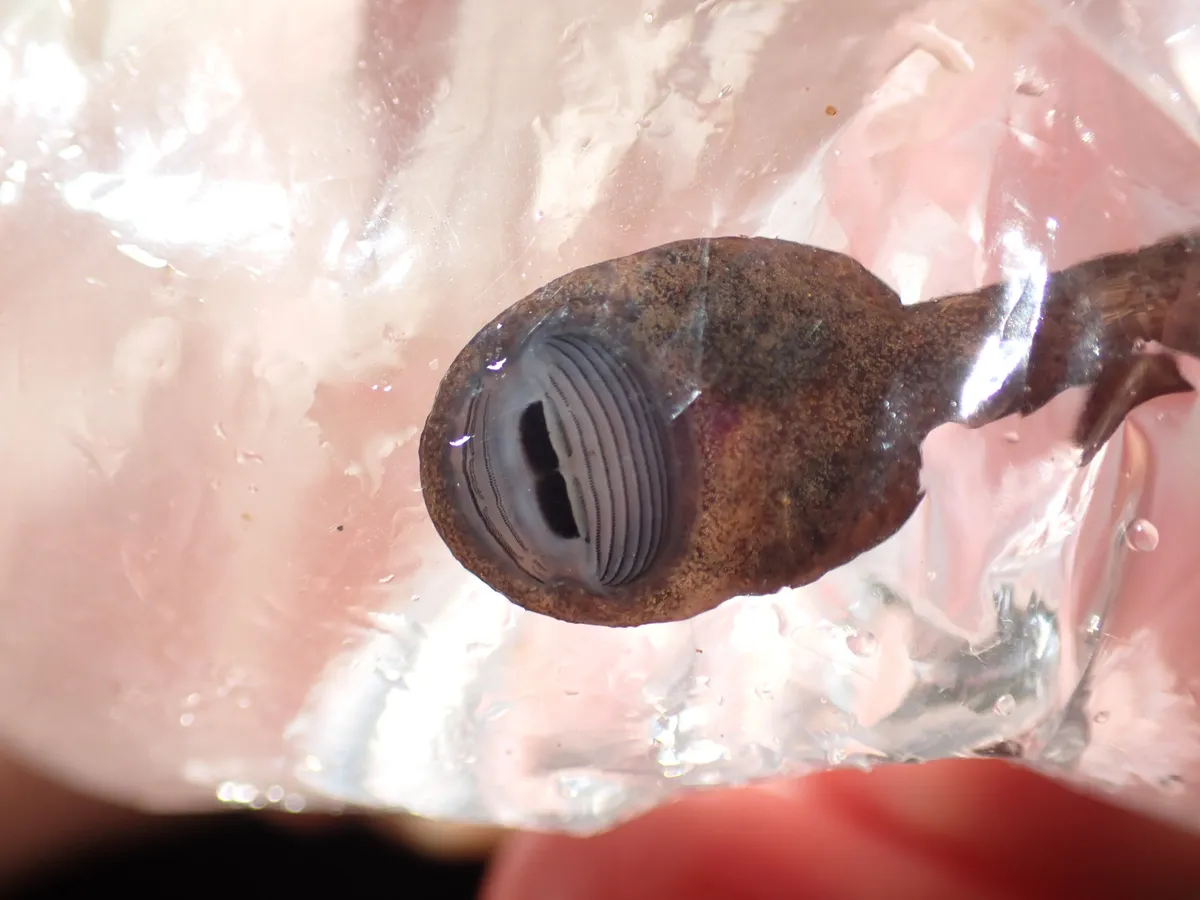
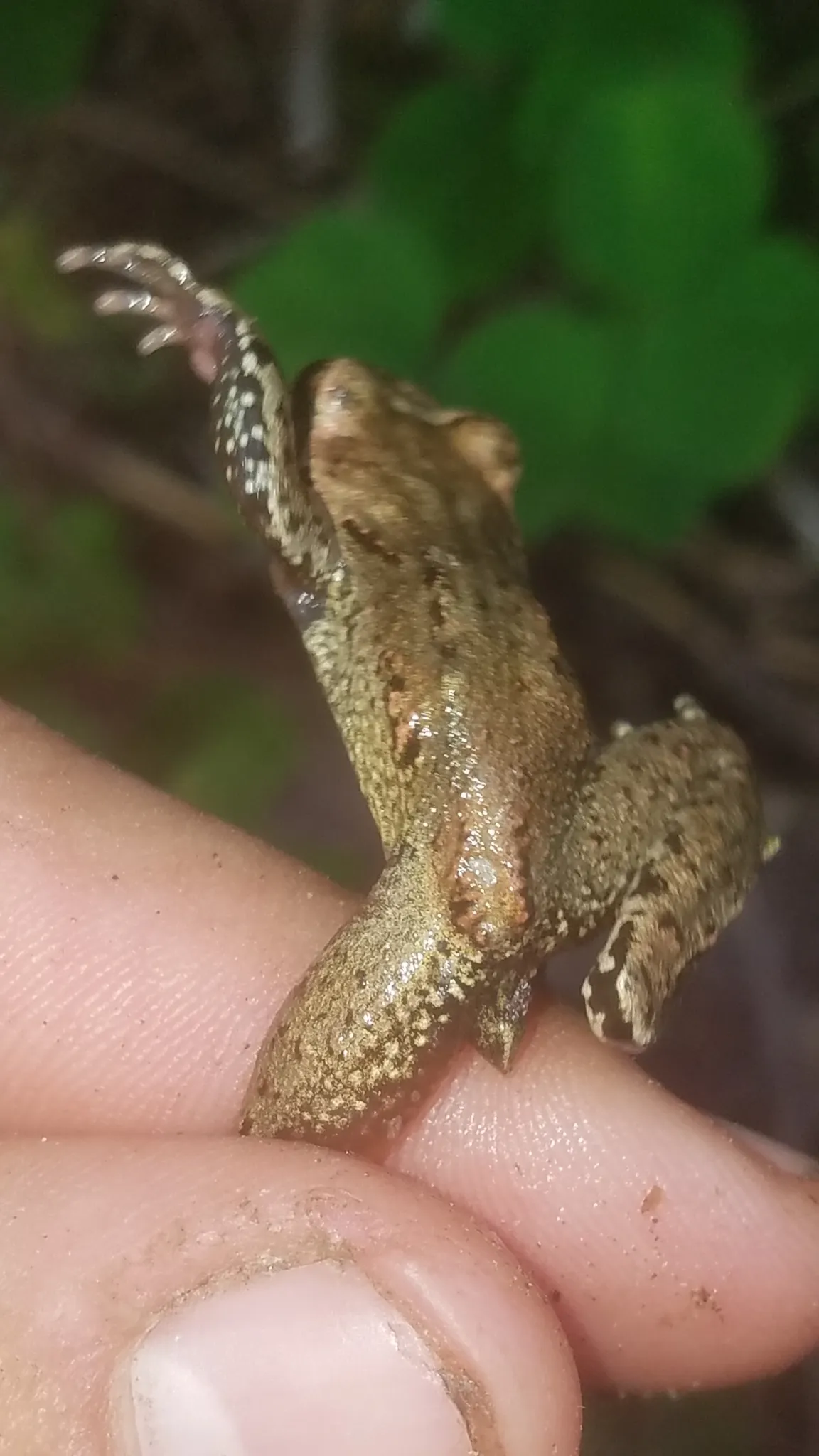
A unique amphibian species endemic to western North America, known for its distinctive morphological adaptation of a tail-like copulatory organ in males, which is an extraordinary reproductive feature rarely found in frogs.
Image Gallery
ADSENSE SLOT
Ecology & Habitat
Habitat
Inhabits cold, fast-flowing mountain streams and forest watersheds in the Pacific Northwest region, ranging from southern Alaska through California, typically at elevations between 50-2,500 meters above sea level.
Ecological Role
Critical indicator species for stream ecosystem health, playing significant roles in aquatic and terrestrial food webs as both predator and prey, and serving as a bioindicator of environmental changes and water quality.
Morphology
SKIN COATMoist, textured skin with cryptic coloration ranging from brown to olive green, facilitating camouflage in stream habitats
LIMBS WINGSShort, muscular limbs with specialized toe configurations for gripping rocky stream surfaces, providing superior traction
HEAD SENSORYLarge eyes, broad head with specialized sensory adaptations for detecting prey and navigating rocky stream environments
BODY STRUCTURESmall-sized frog, typically 2-4 cm in length, with robust and compact body design adapted for stream environments
Data Source: TaxonHub Database
Image Credit: Photo by David J. Stang