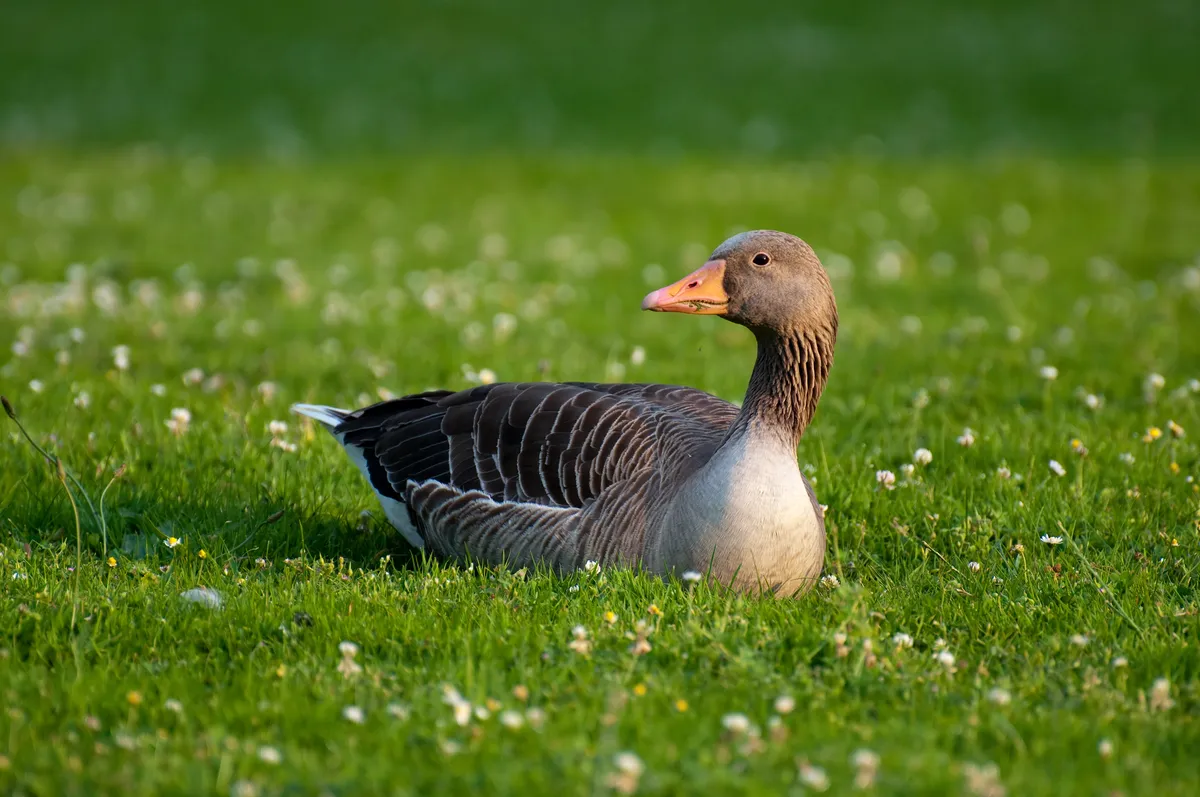
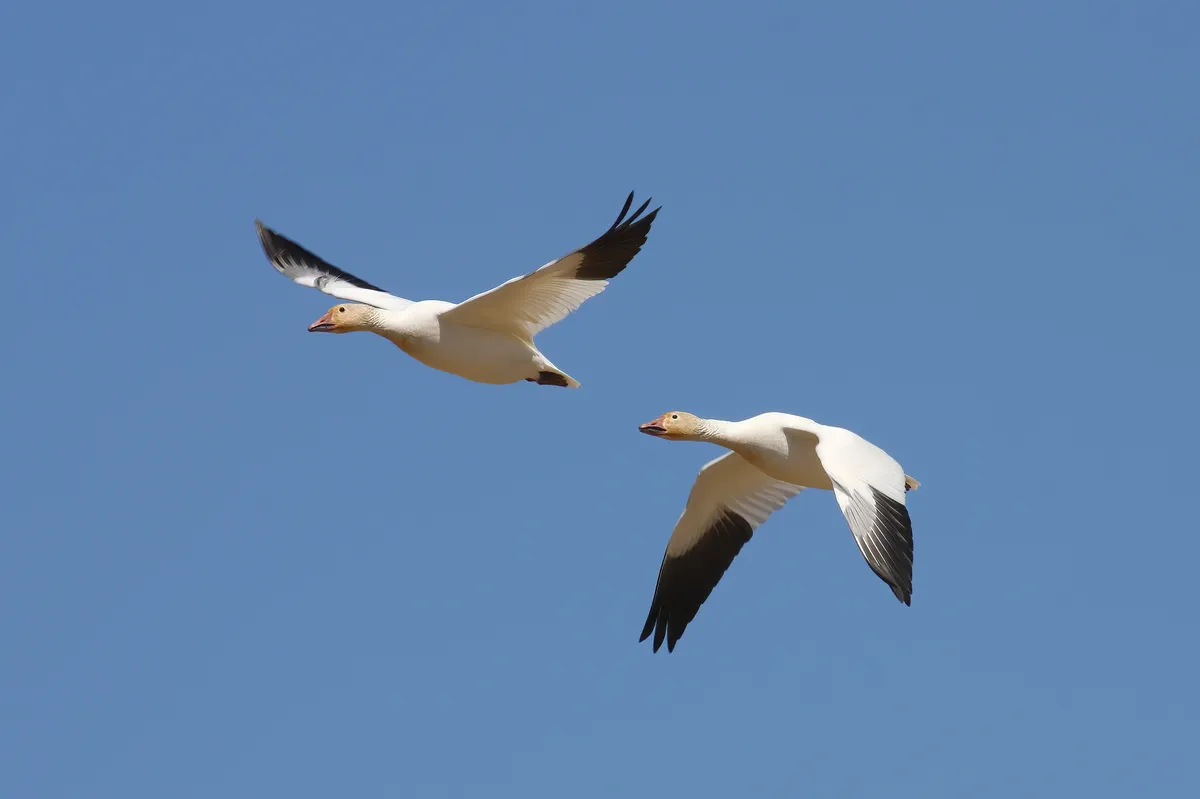
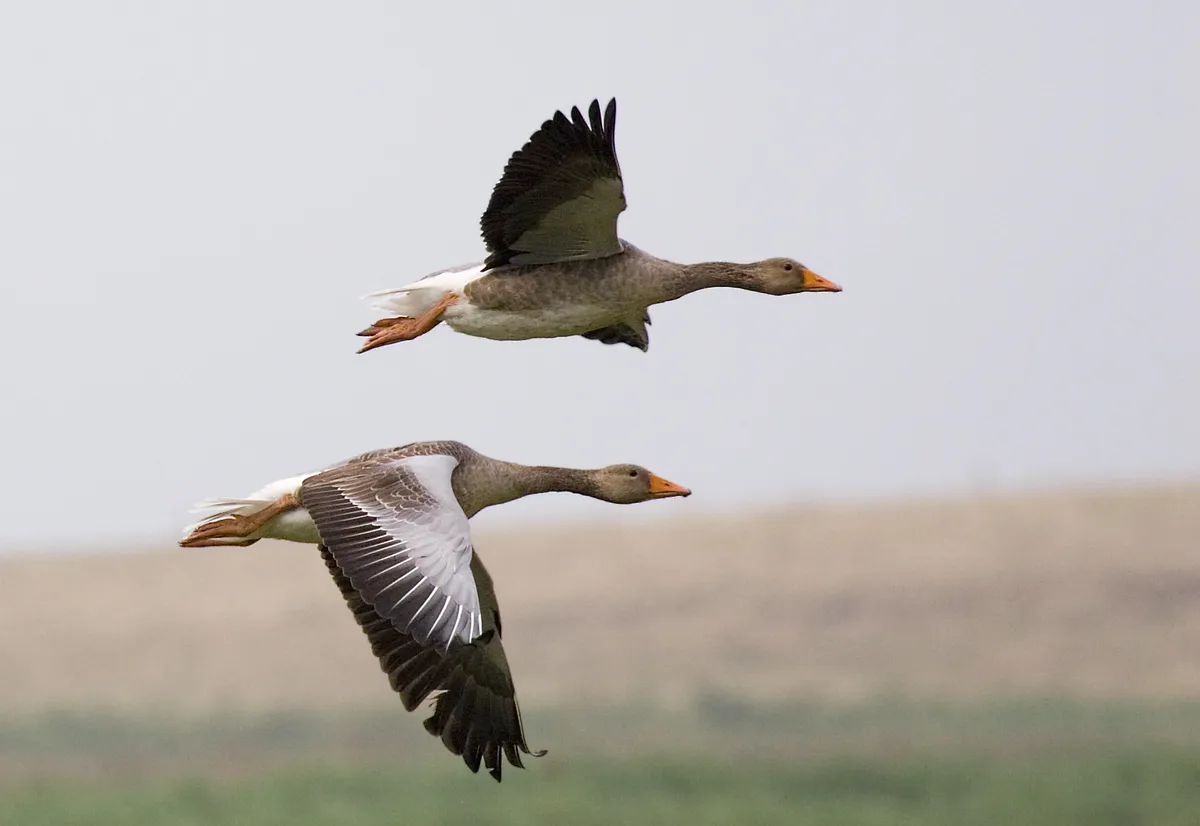
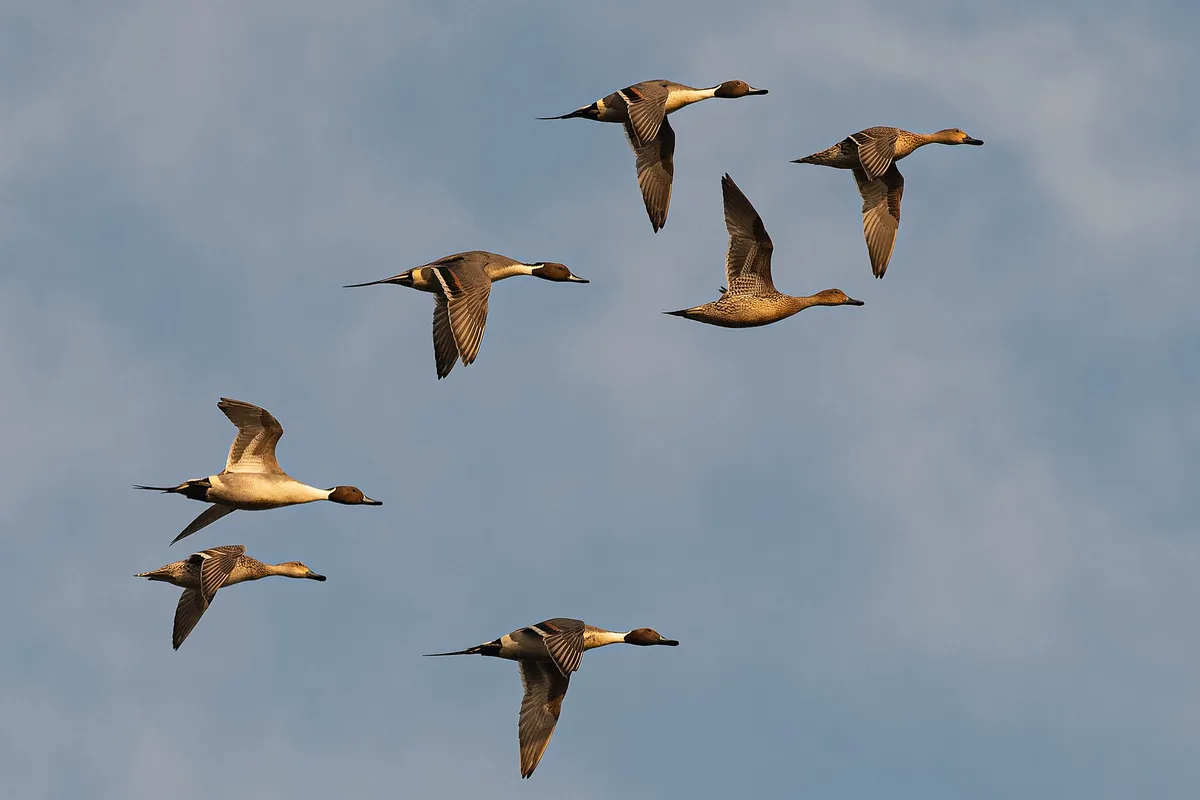
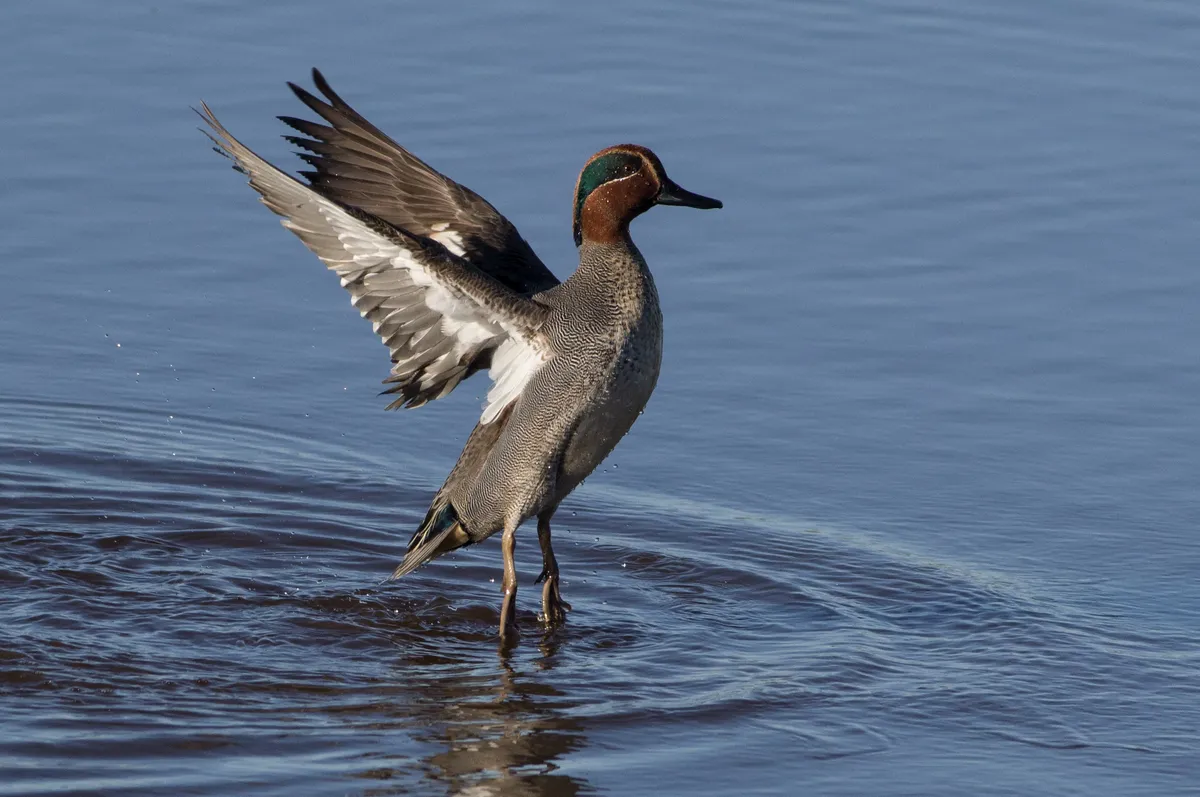
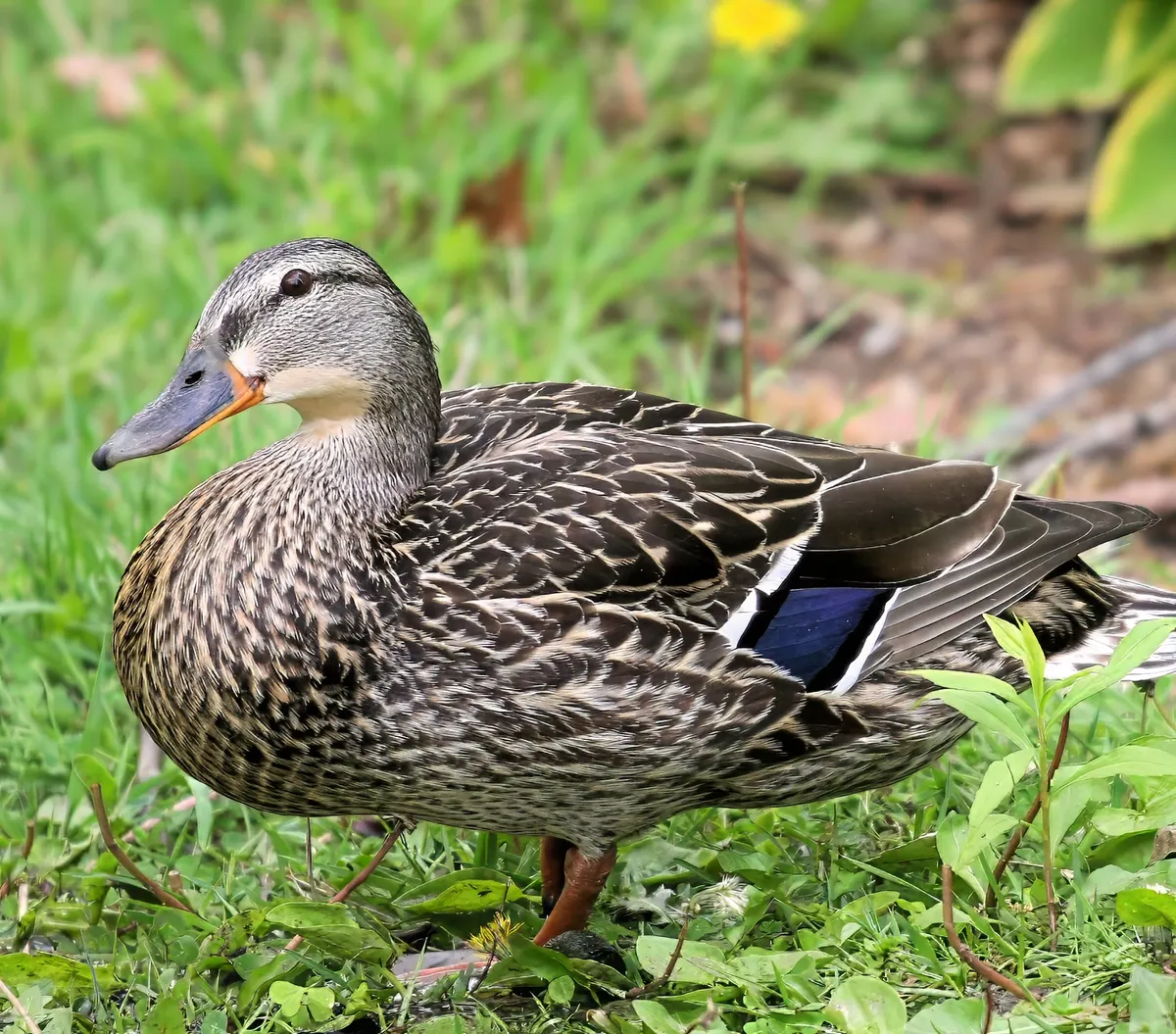
A large waterfowl species native to Europe and Asia, characterized by its gray-brown plumage and robust body structure. Extensively distributed across wetland ecosystems and known for its significant role in aquatic food webs.
Image Gallery
ADSENSE SLOT
Ecology & Habitat
Habitat
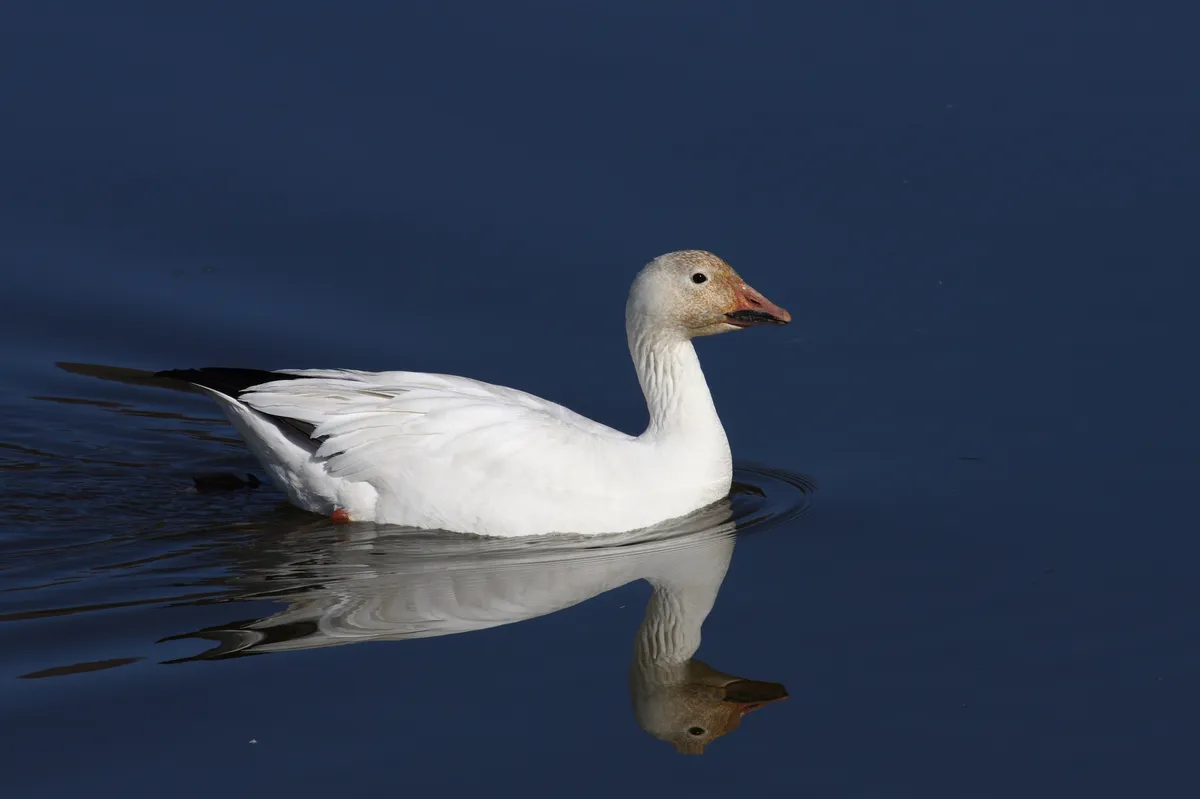
Freshwater wetlands, marshes, lakes, rivers, agricultural landscapes, and coastal regions across Europe, western Asia, and parts of the Middle East. Prefers areas with abundant vegetation and open water bodies.
Ecological Role
Critical seed disperser, ecosystem engineer in wetland environments, and important prey/predator species in complex aquatic food chains. Contributes to nutrient cycling and vegetation management through grazing behaviors.
Morphology
SKIN COATDense gray-brown plumage, water-resistant feathers with intricate layering, provides thermal insulation and protection in aquatic environments.
LIMBS WINGSStrong webbed feet for swimming, powerful broad wings enabling long-distance migration, capable of sustained flight at speeds up to 70-80 km/h.
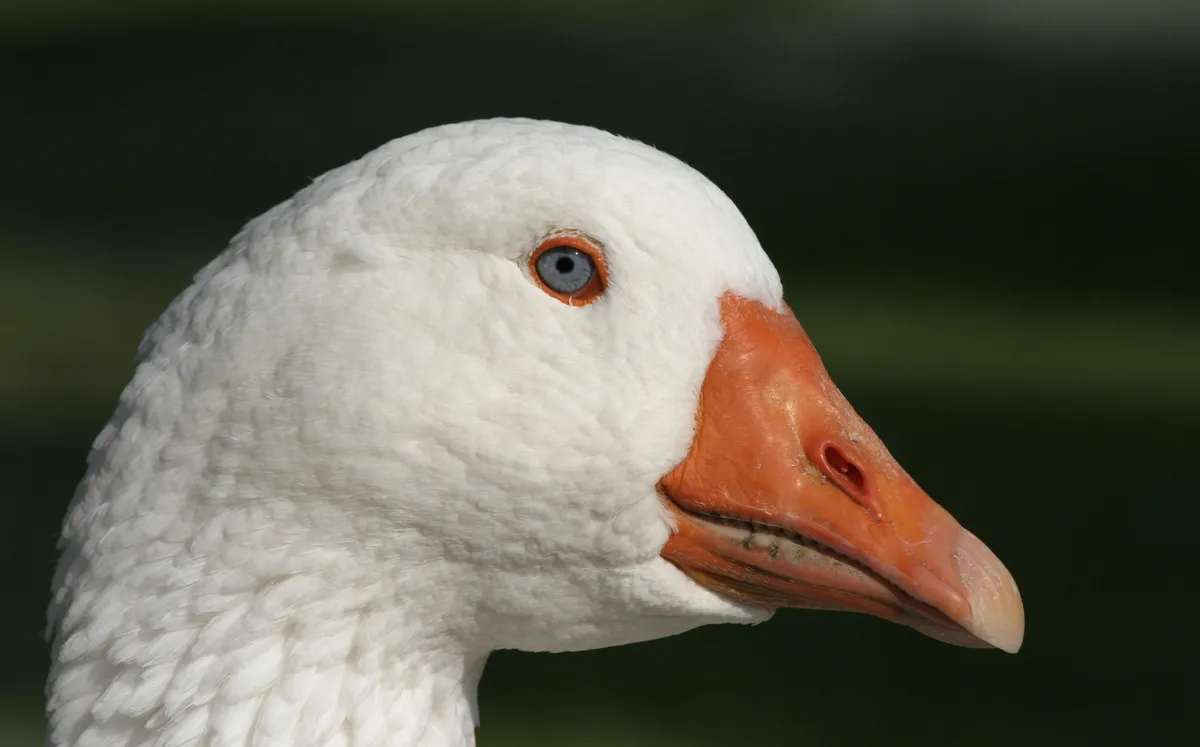
HEAD SENSORYLarge rounded head, prominent bill adapted for herbivorous diet, keen visual and auditory perception, wide field of vision for predator detection.
BODY STRUCTURELarge waterfowl, body length 75-90 cm, wingspan 147-180 cm, body mass 2.5-4.5 kg. Robust, sturdy build with elongated neck and powerful flight muscles.