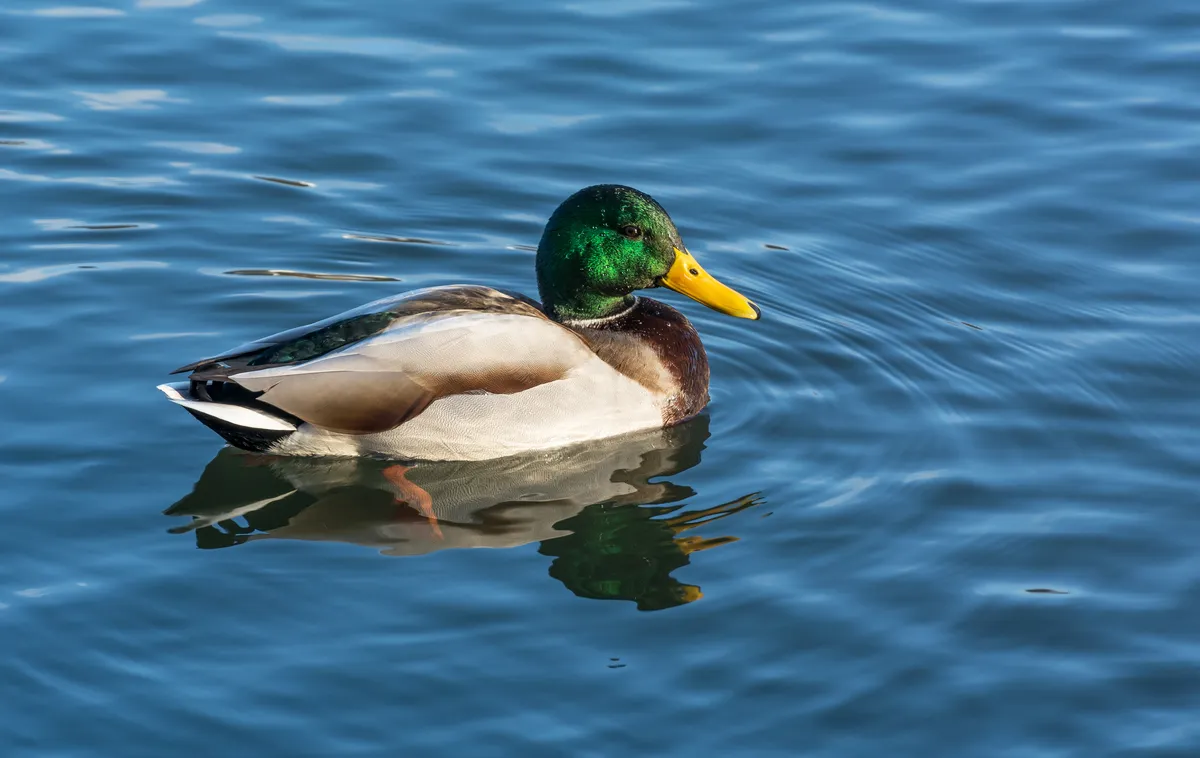
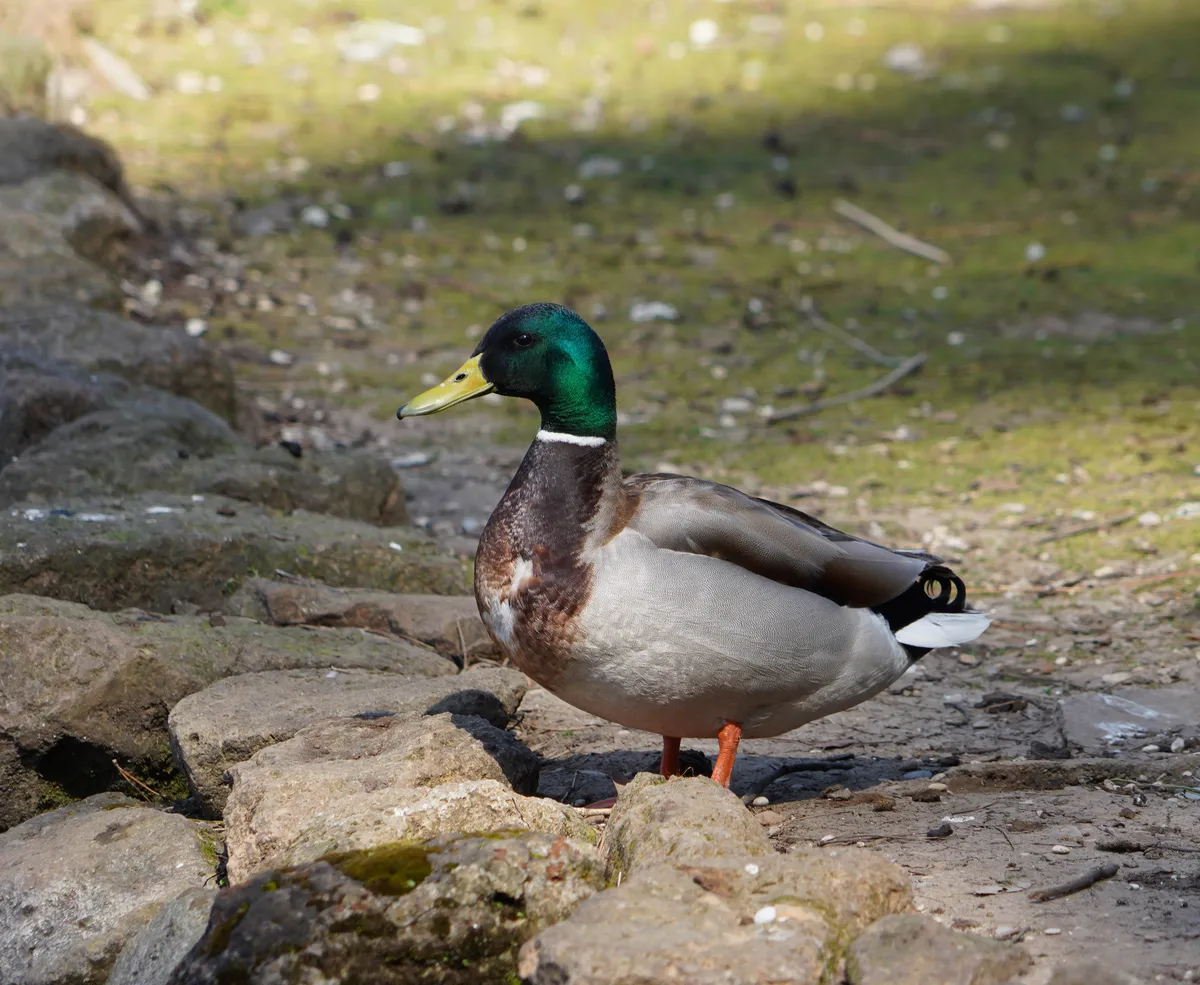
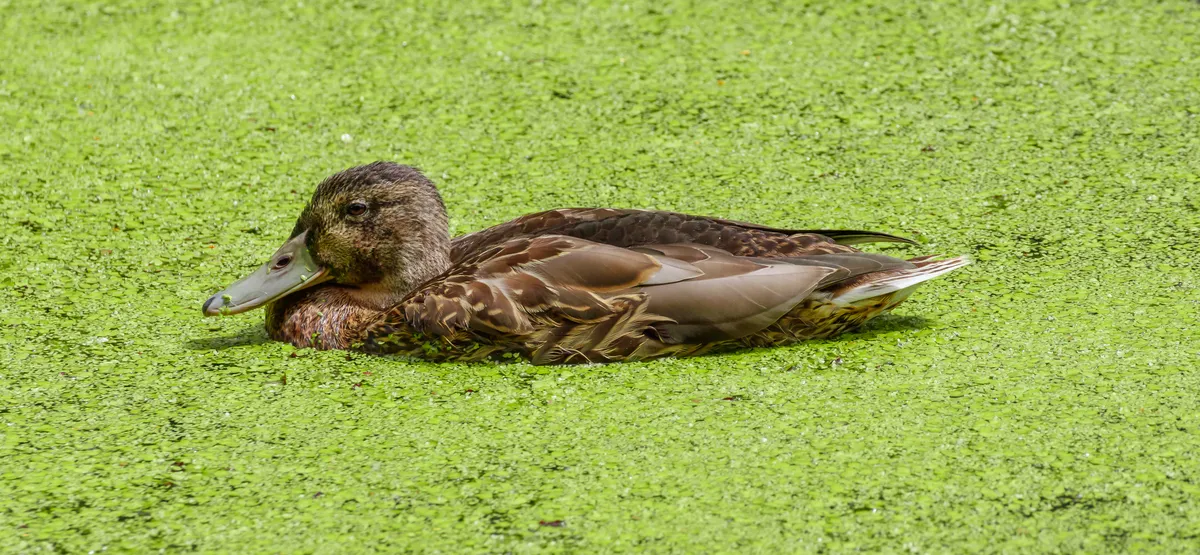
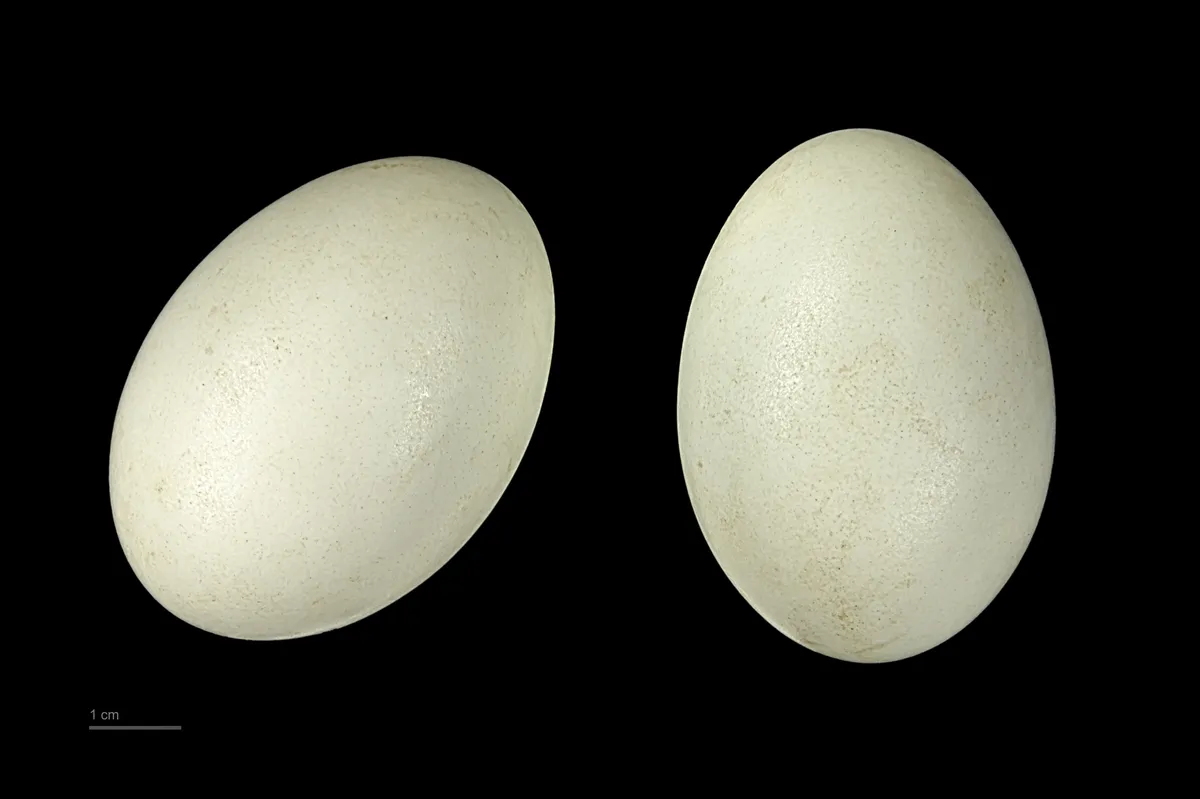
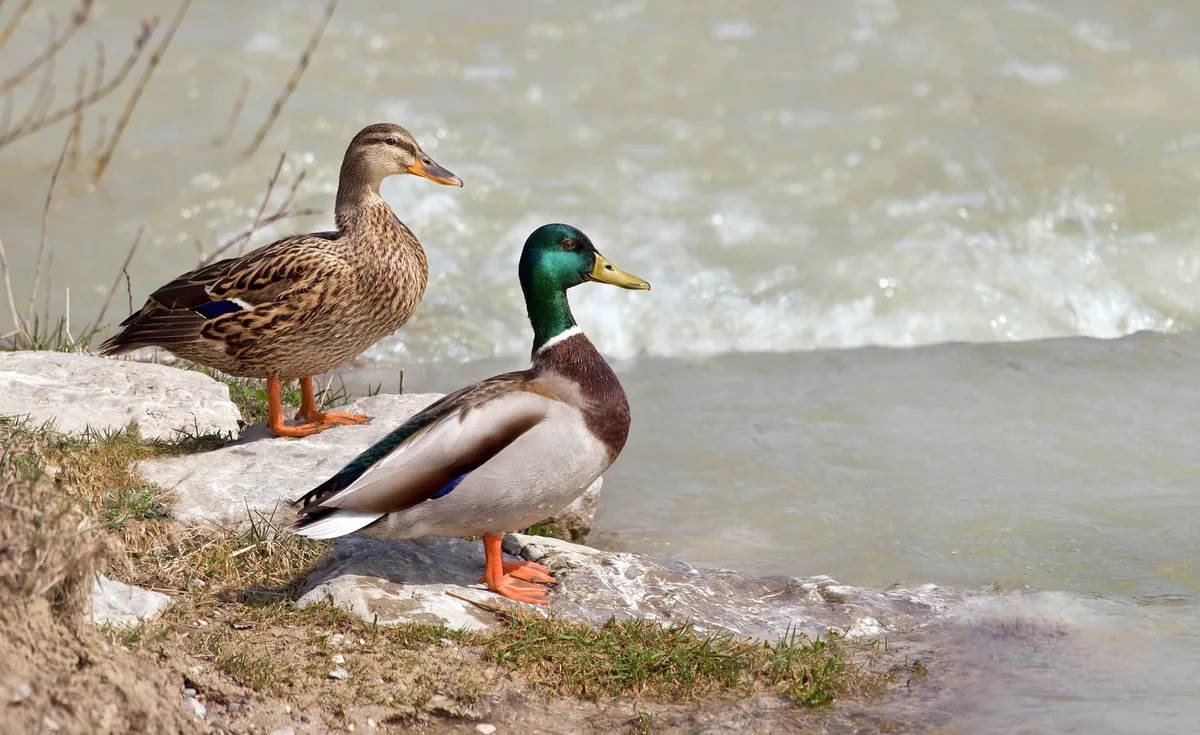
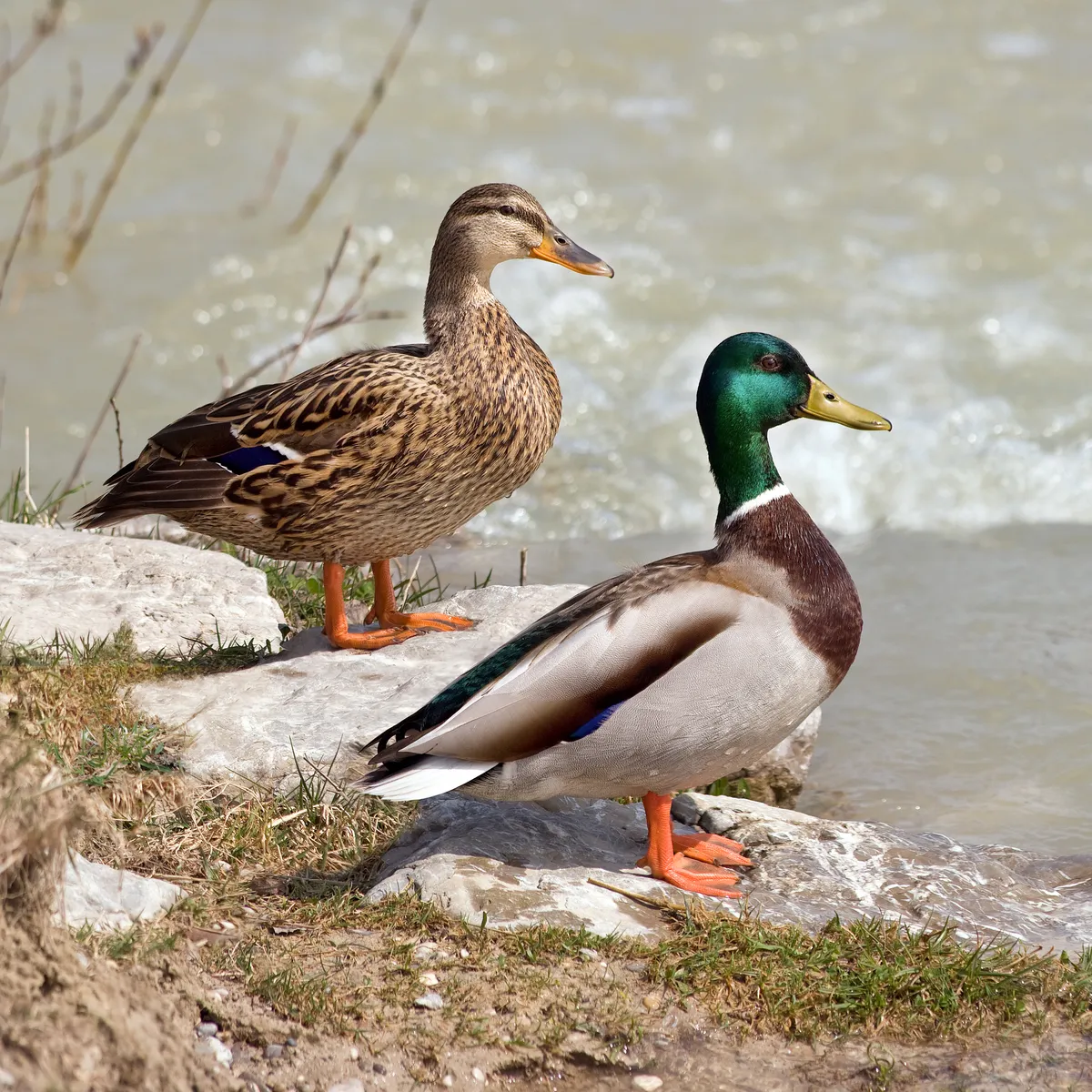
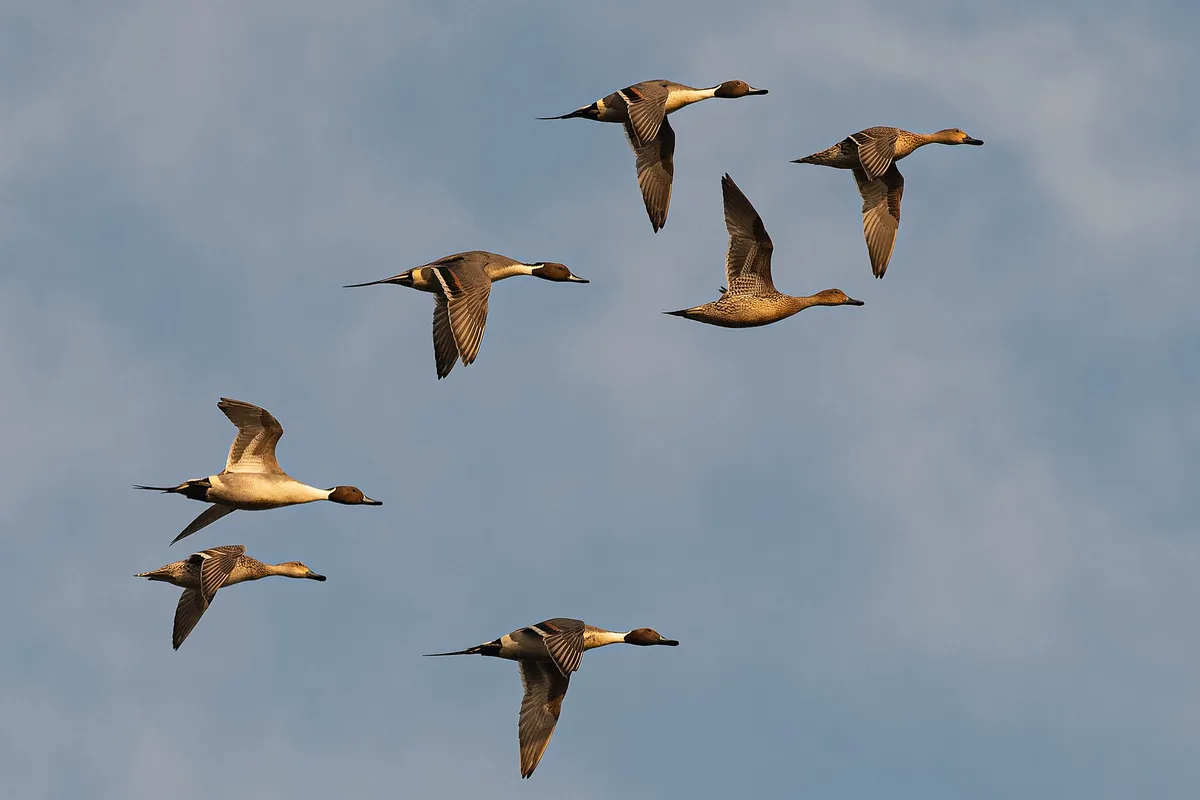
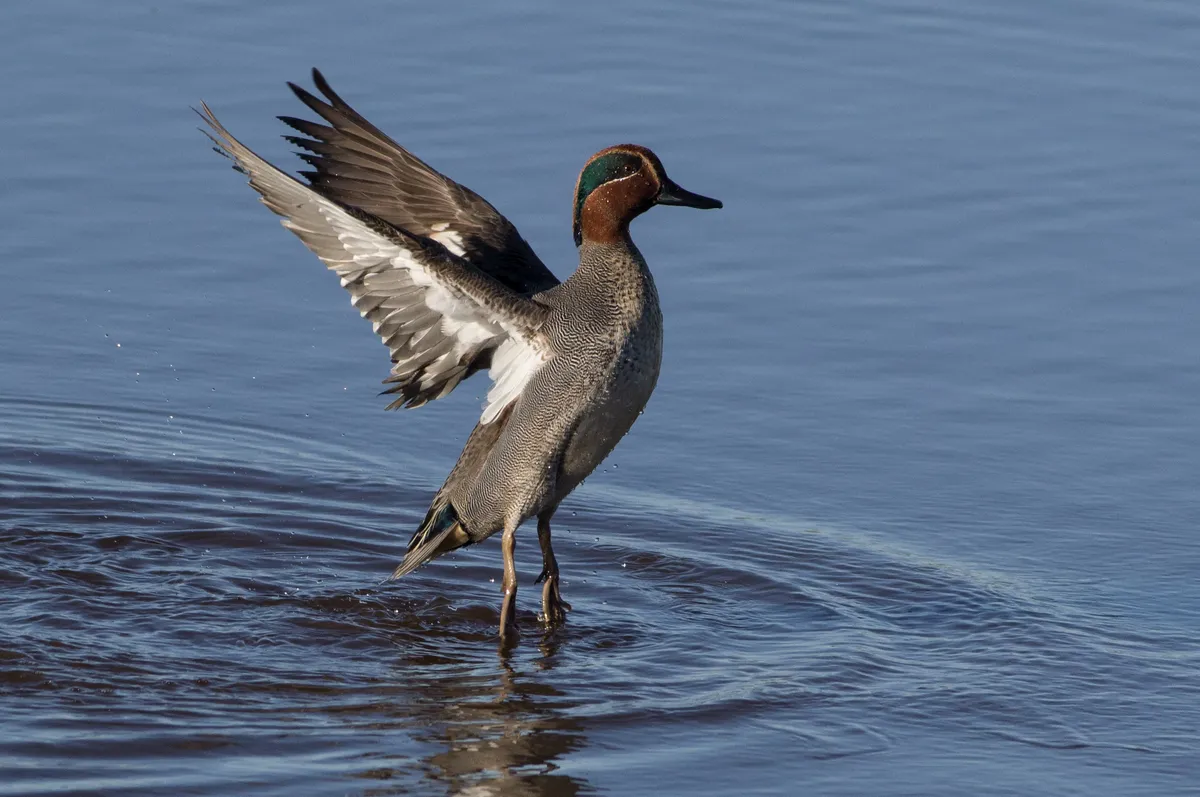
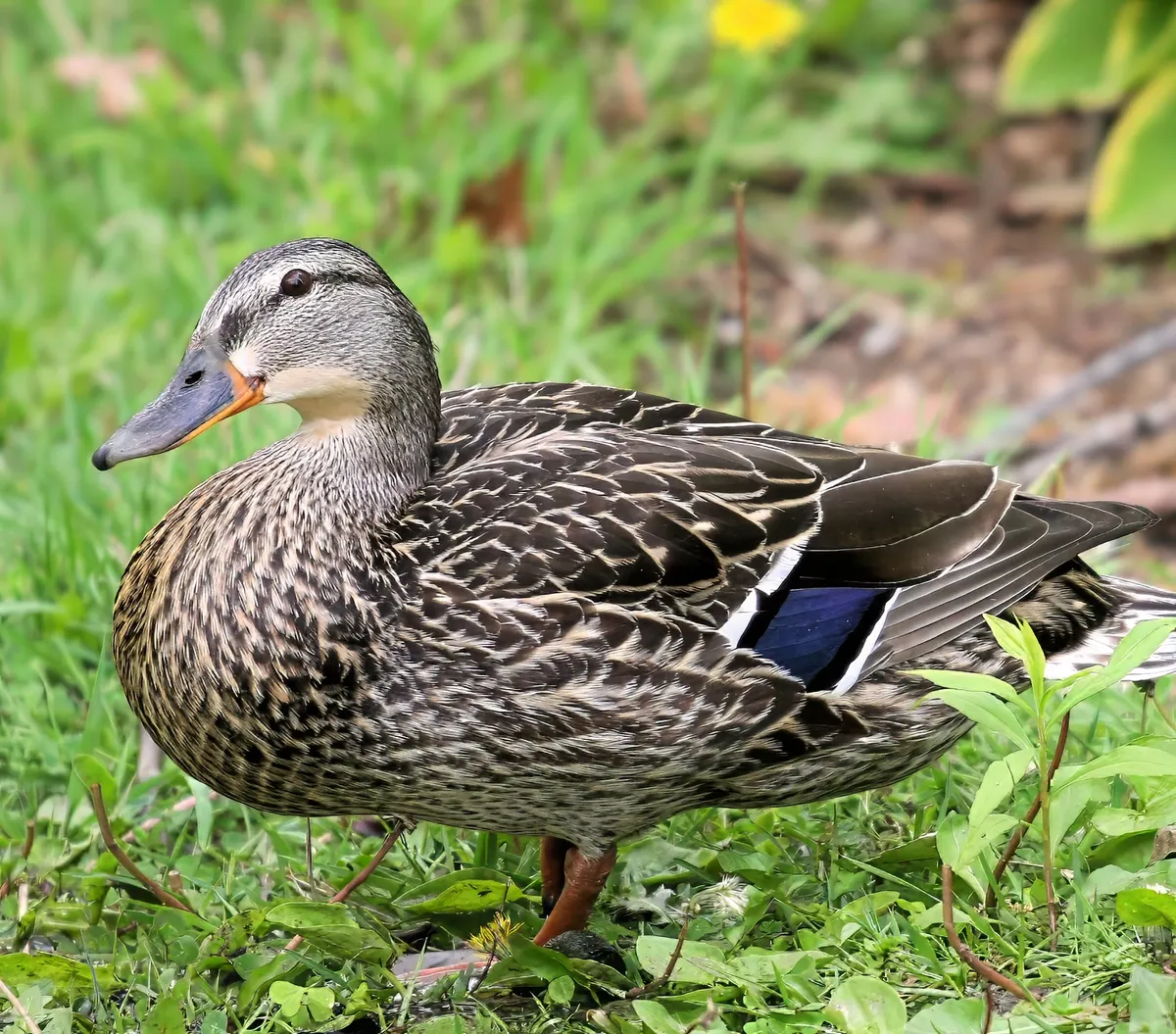
A widespread, highly adaptable dabbling duck species native to temperate and subtropical regions across the Northern Hemisphere, known for its remarkable ecological plasticity and global distribution.
Image Gallery
ADSENSE SLOT
Ecology & Habitat
Habitat
Freshwater ecosystems including lakes, ponds, rivers, wetlands, urban parks, agricultural landscapes, and coastal areas with abundant vegetation and shallow water environments
Ecological Role
Critical in aquatic ecosystem food webs, seed dispersal, and serving as prey and predator in multiple ecological niches; significant indicator species for wetland health and biodiversity
Morphology
SKIN COATDense, waterproof plumage with intricate feather structure, multiple molt cycles annually, specialized oil glands for feather maintenance
LIMBS WINGSWebbed feet with strong swimming capabilities, wingspan of 81-98 cm, powerful flight muscles enabling long-distance migrations
HEAD SENSORYBroad, spatulate bill with lamellae for filter-feeding, large eyes positioned laterally for wide visual range, external ear openings for directional hearing
BODY STRUCTUREMedium-sized duck, approximately 50-65 cm in length, weighing 0.7-1.5 kg, with robust body and streamlined shape for efficient swimming and flight
Data Source: TaxonHub Database
Image Credit: Jacek Halicki