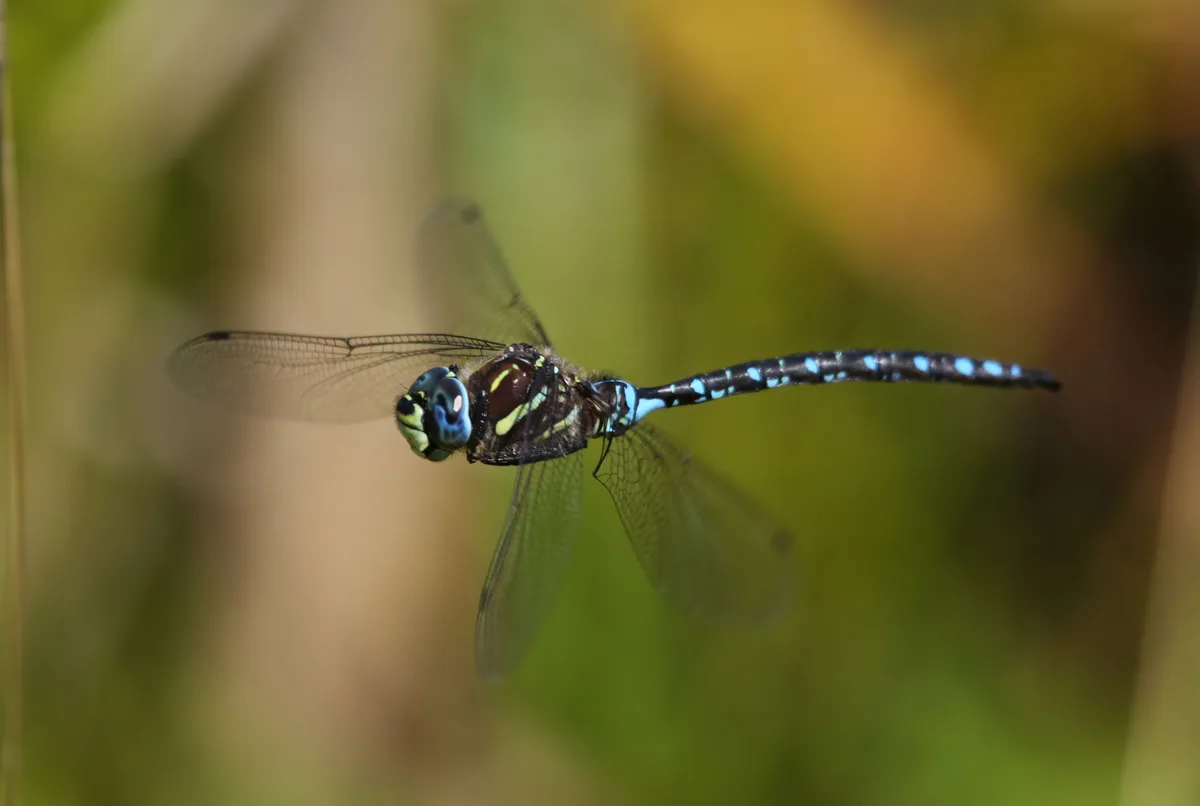
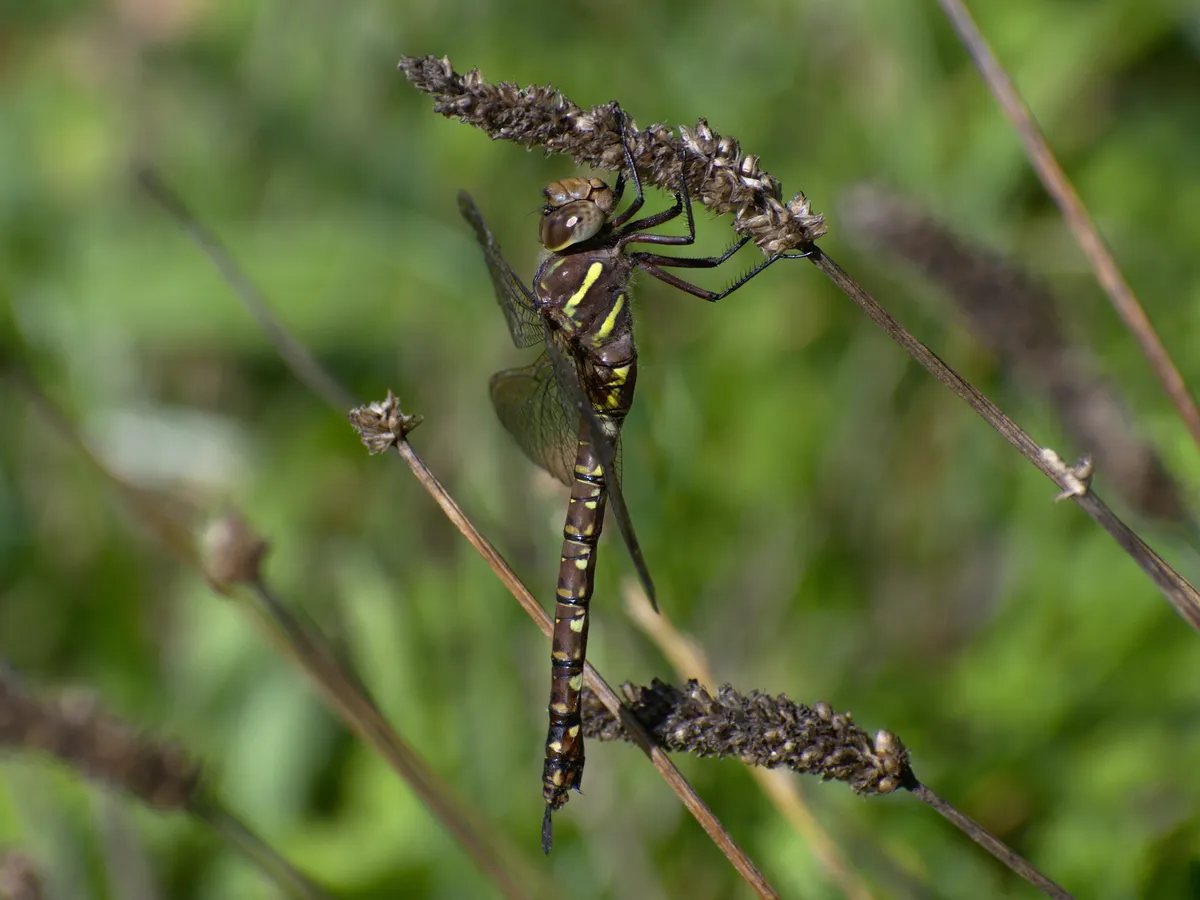
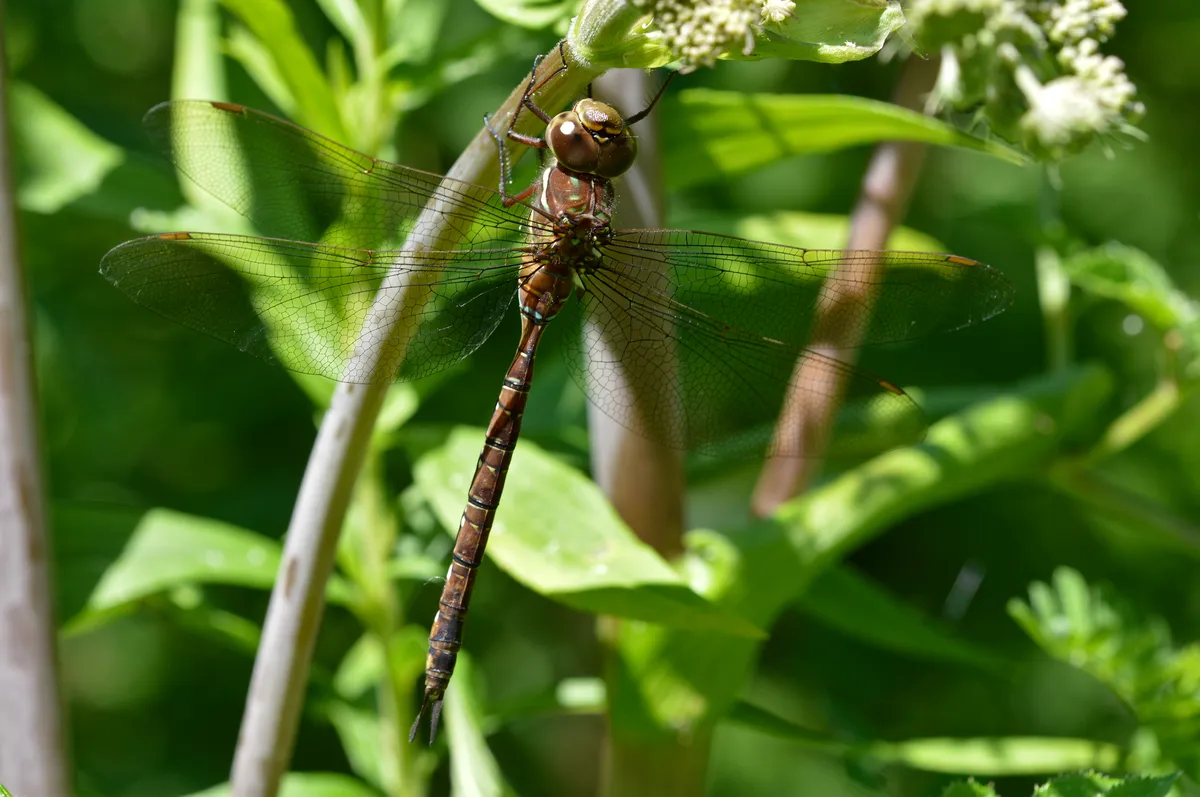
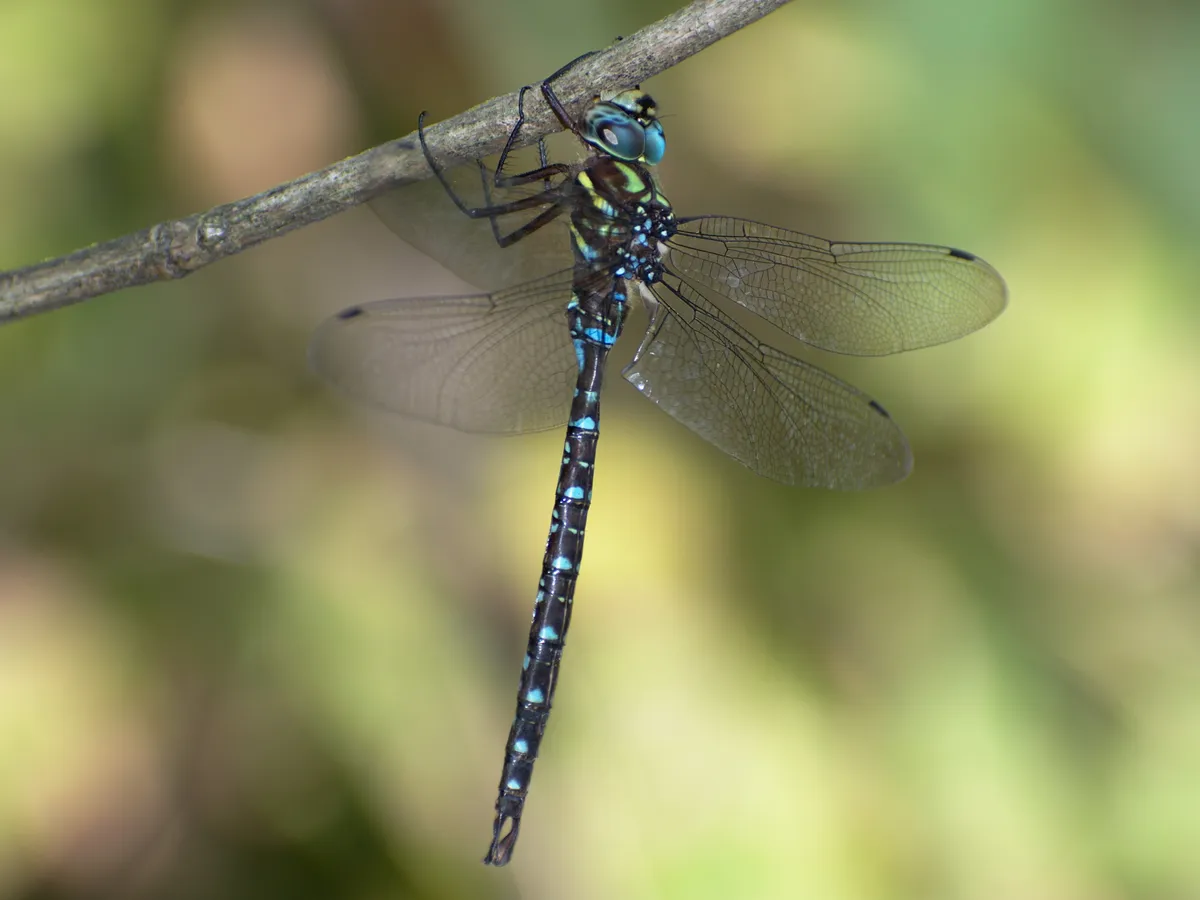
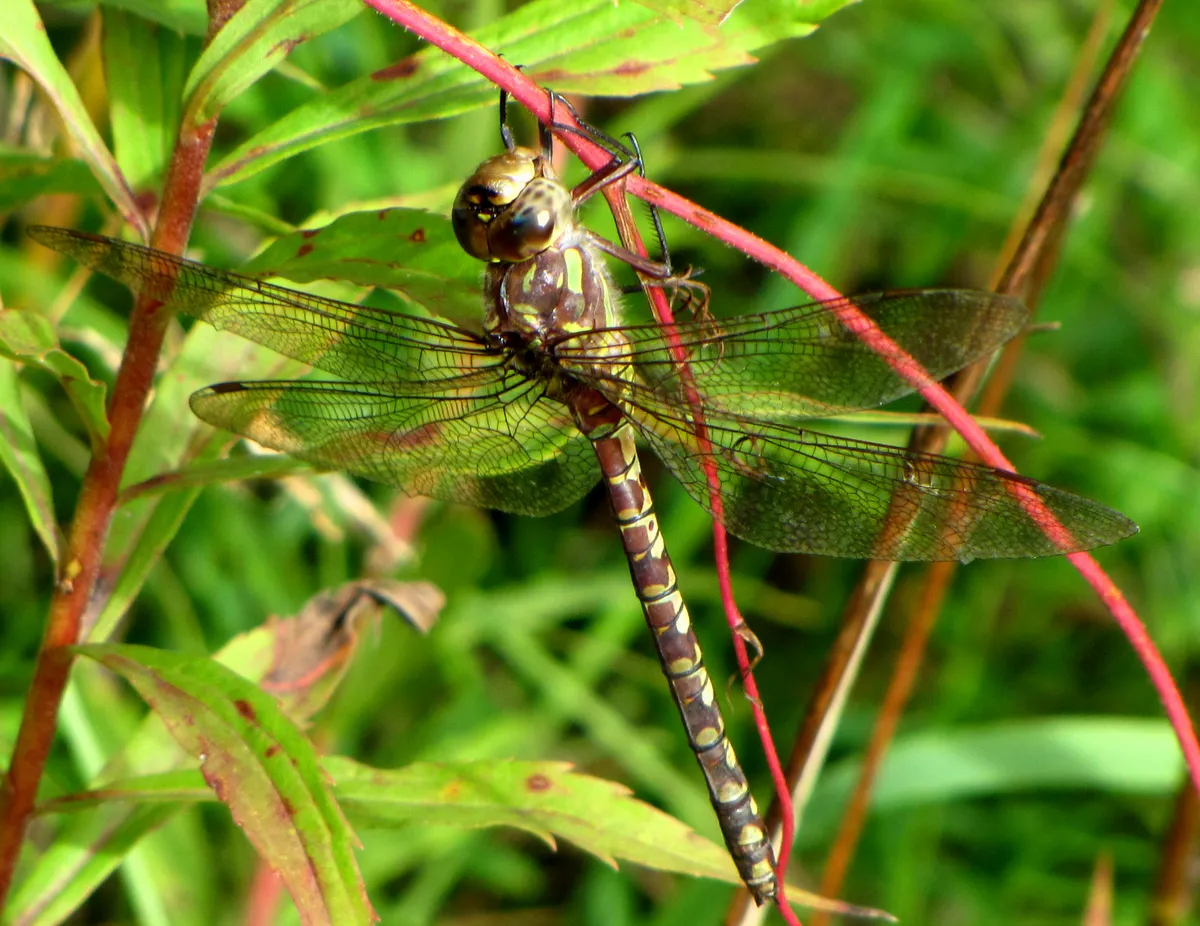
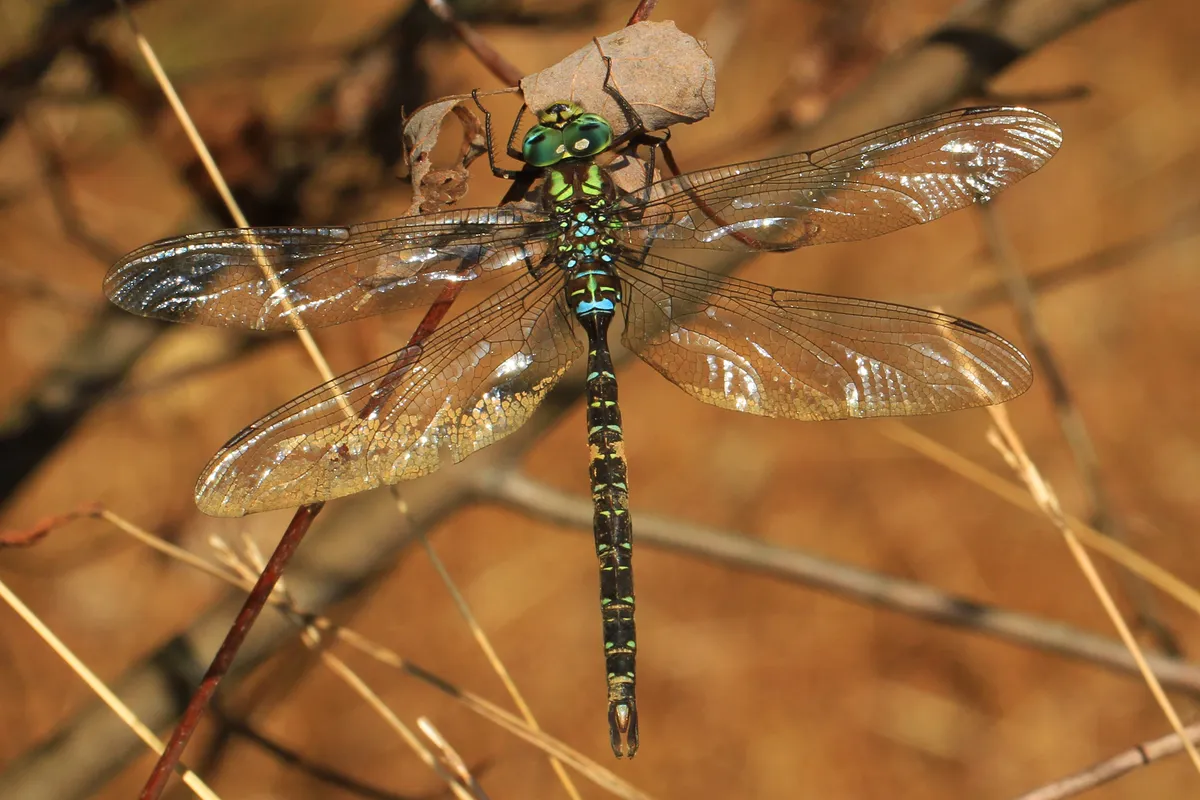
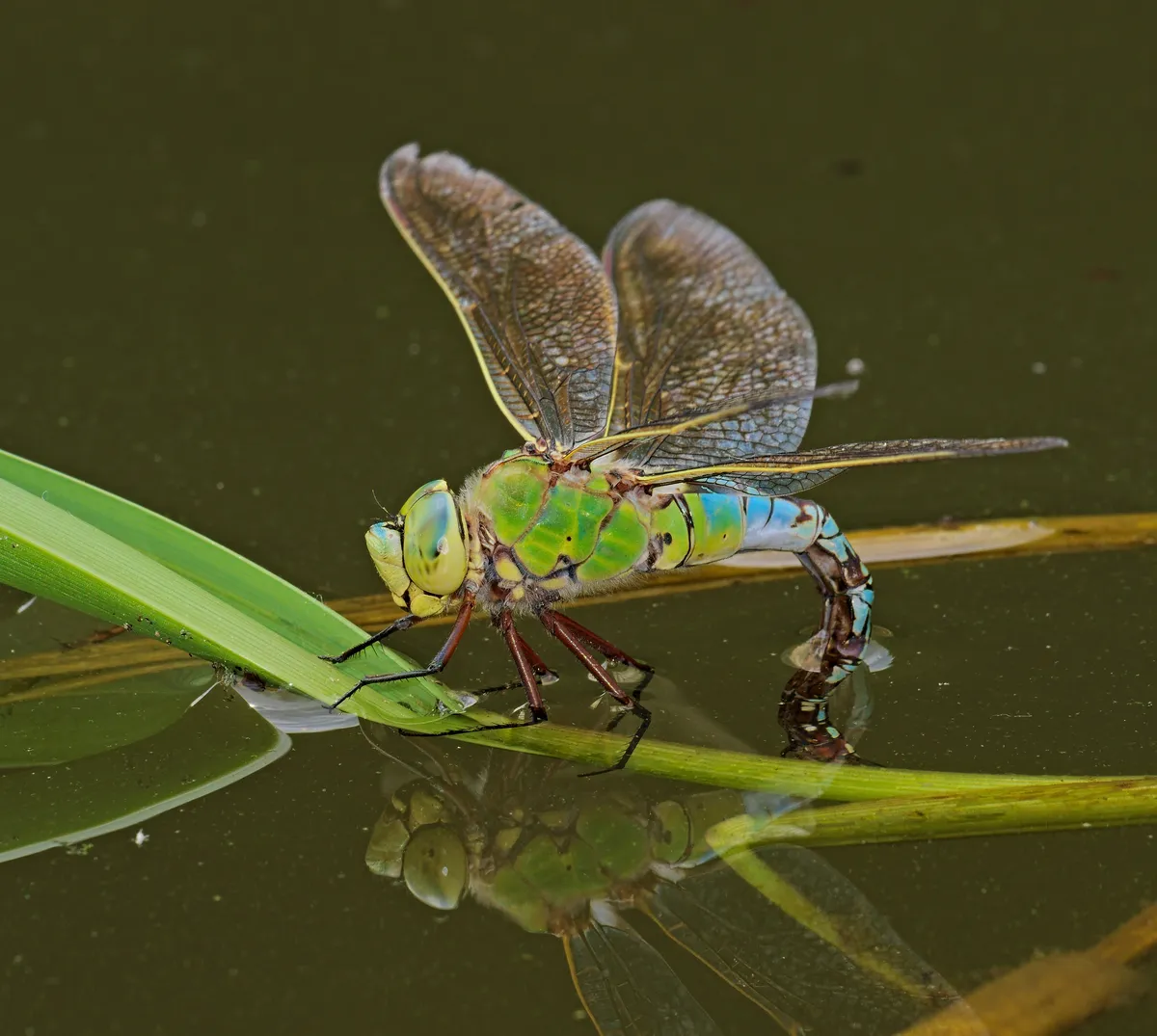
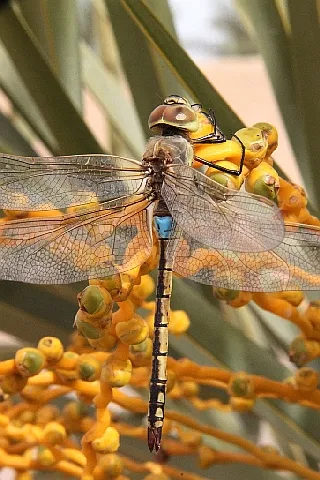
A large dragonfly species endemic to North America, characterized by its dark coloration and swift aerial hunting behavior. Belongs to the Aeshnidae family of hawker dragonflies.
Image Gallery
ADSENSE SLOT
Ecology & Habitat
Habitat
Forested regions near freshwater sources, including woodland streams, lake margins, and forest clearings across temperate North American ecosystems. Prefers cool, shaded environments with dense vegetation.
Ecological Role
Critical predator in aquatic and terrestrial food webs, controlling insect populations. Serves as both predator and prey, contributing to ecosystem balance and biodiversity.
Morphology
SKIN COATDark exoskeleton, predominantly black or dark brown, with minimal light-colored markings for camouflage in forest environments.
LIMBS WINGSFour transparent, membranous wings with complex venation. Wingspan ranges 90-110 mm. Powerful wing muscles enabling precise aerial maneuverability.
HEAD SENSORYLarge compound eyes covering significant head surface. Excellent visual perception for hunting aerial prey. Short, sensitive antennae for environmental sensing.
BODY STRUCTURELarge dragonfly, approximately 70-85 mm in total length. Dark body with minimal blue/green markings. Robust thorax adapted for agile flight.
Data Source: TaxonHub Database
Image Credit: USFWS - Pacific Region