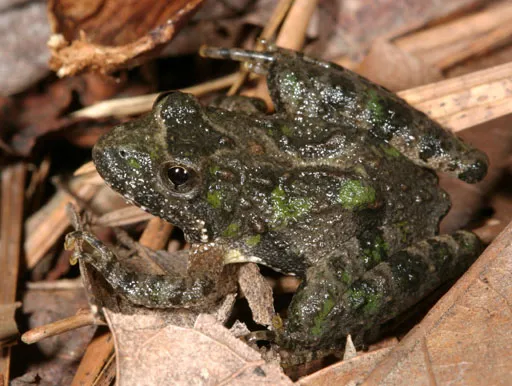
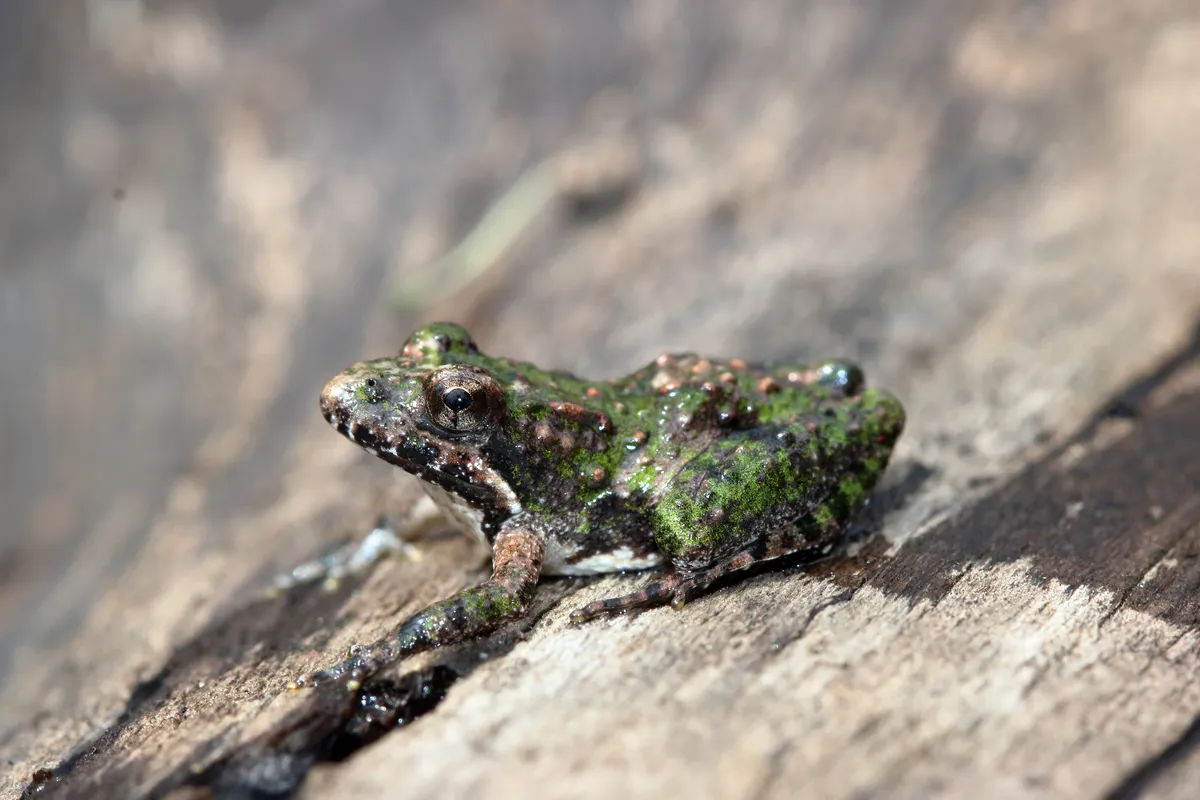
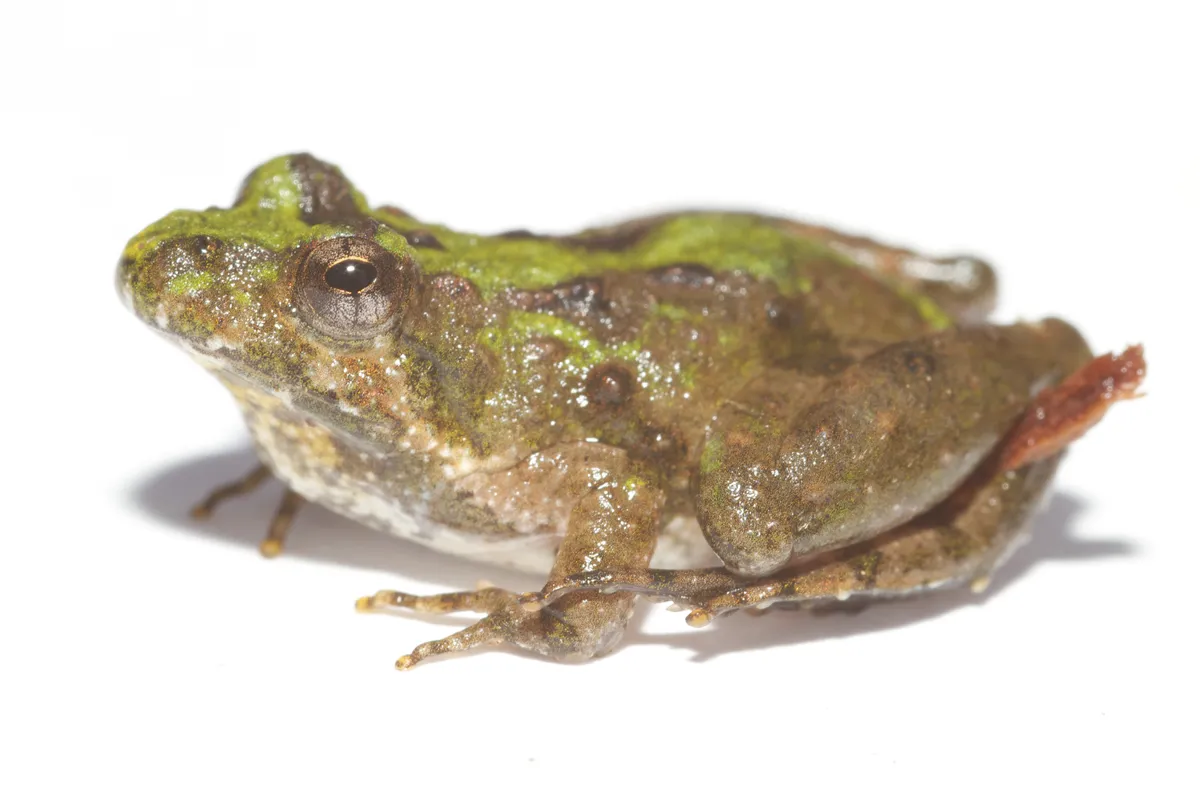
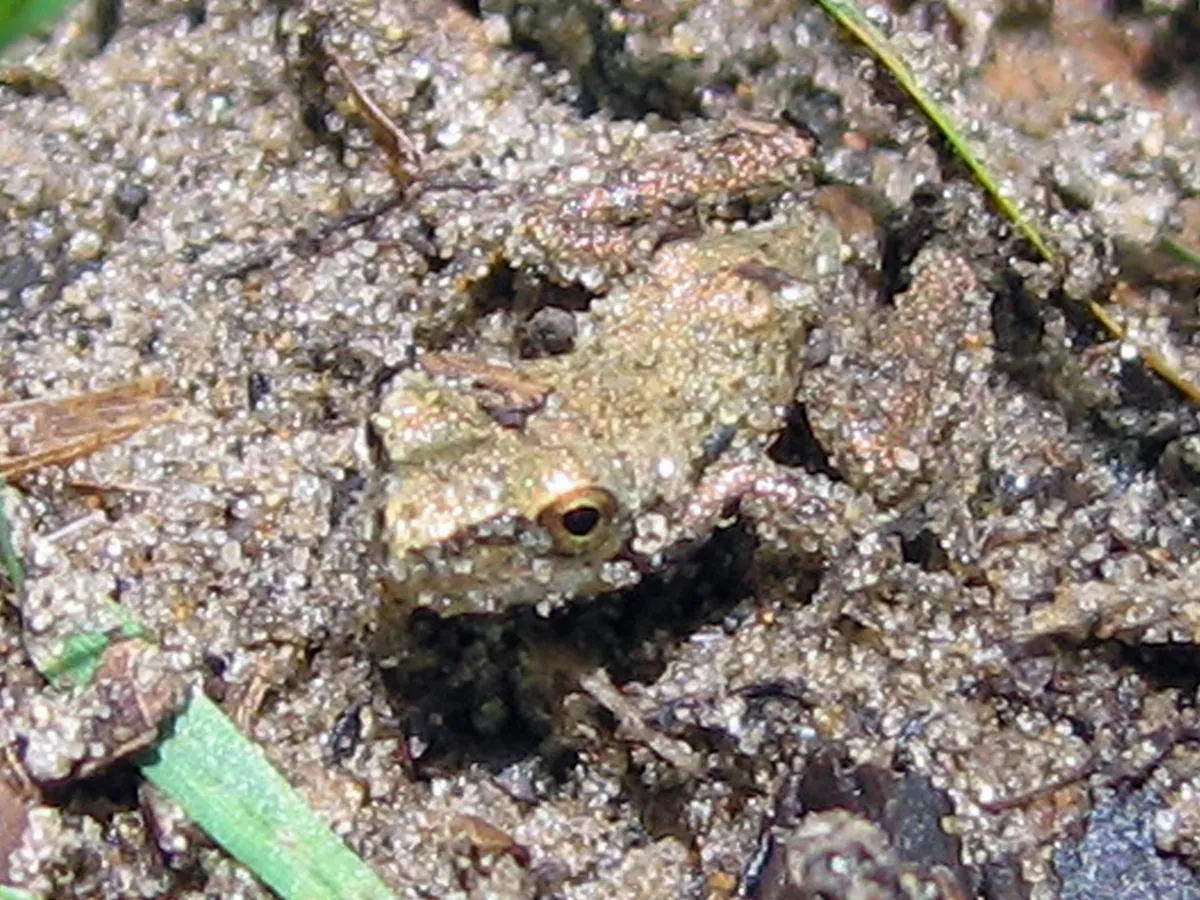
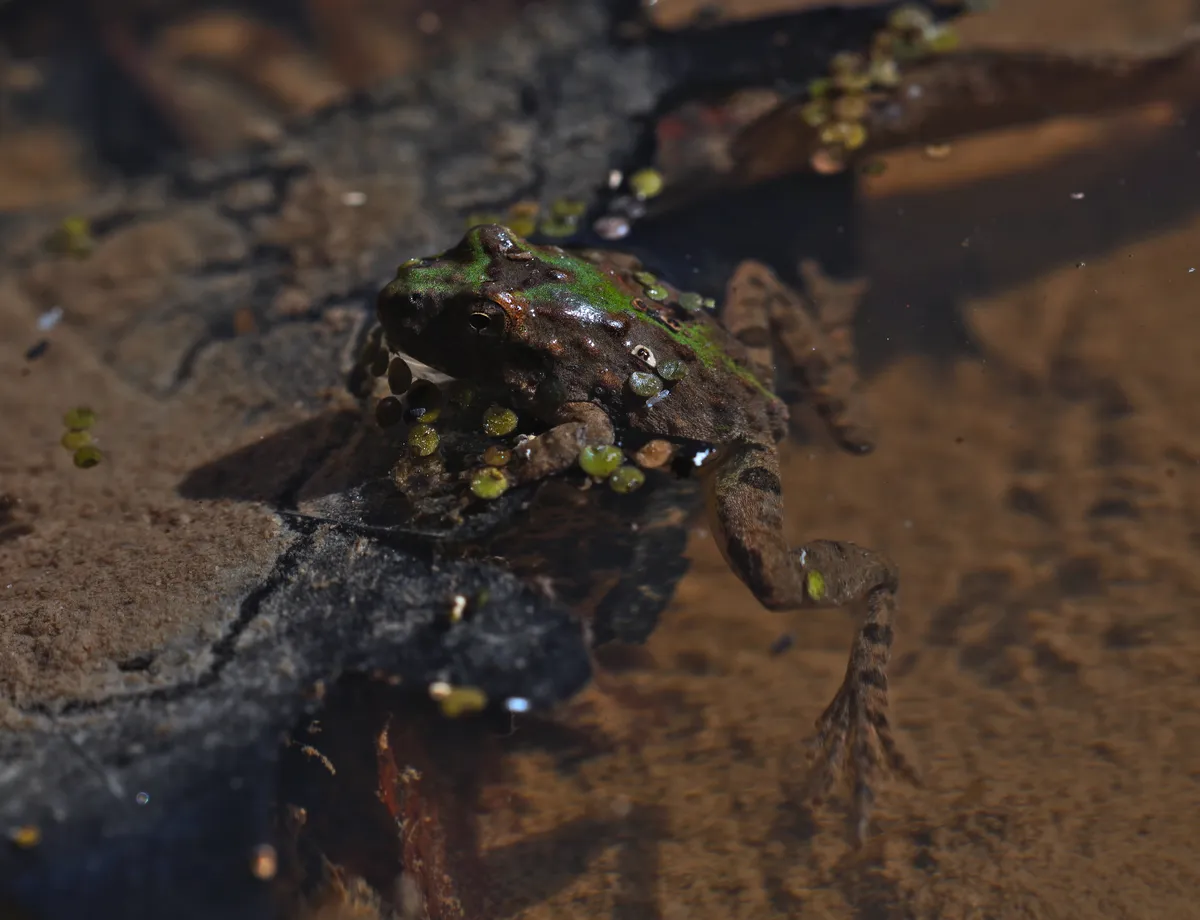
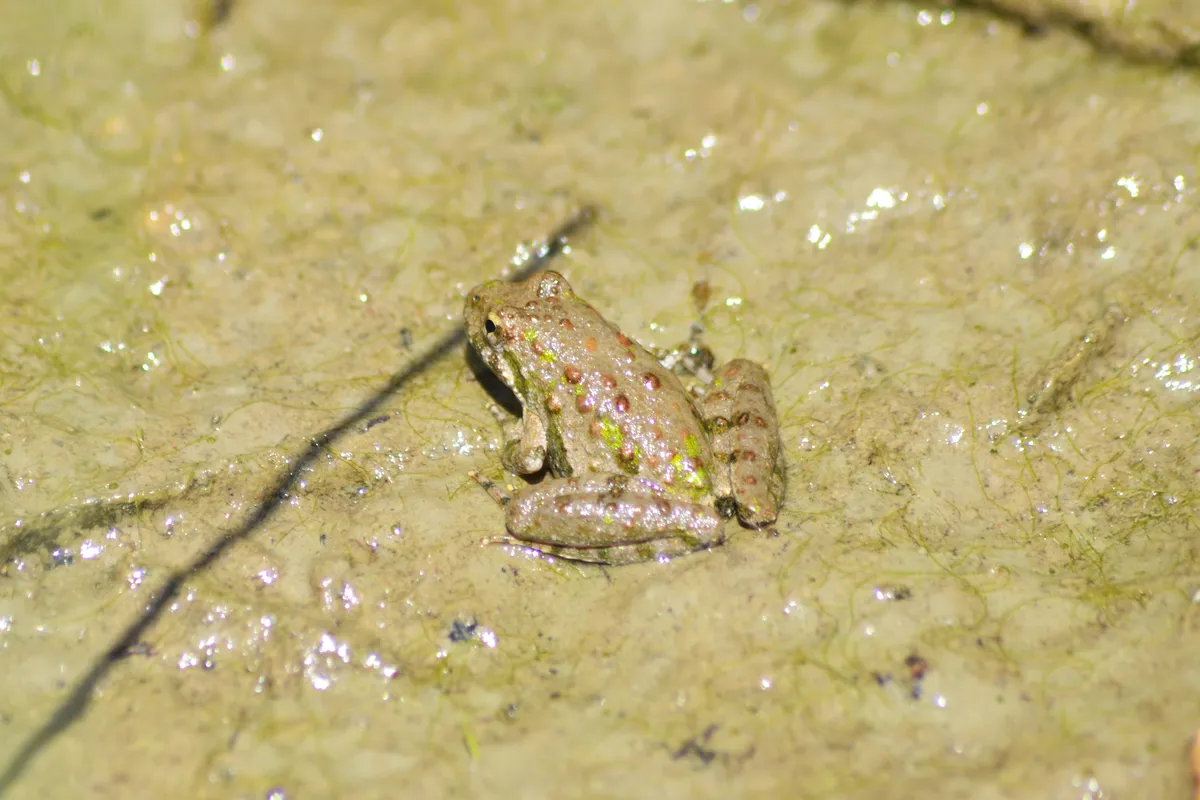
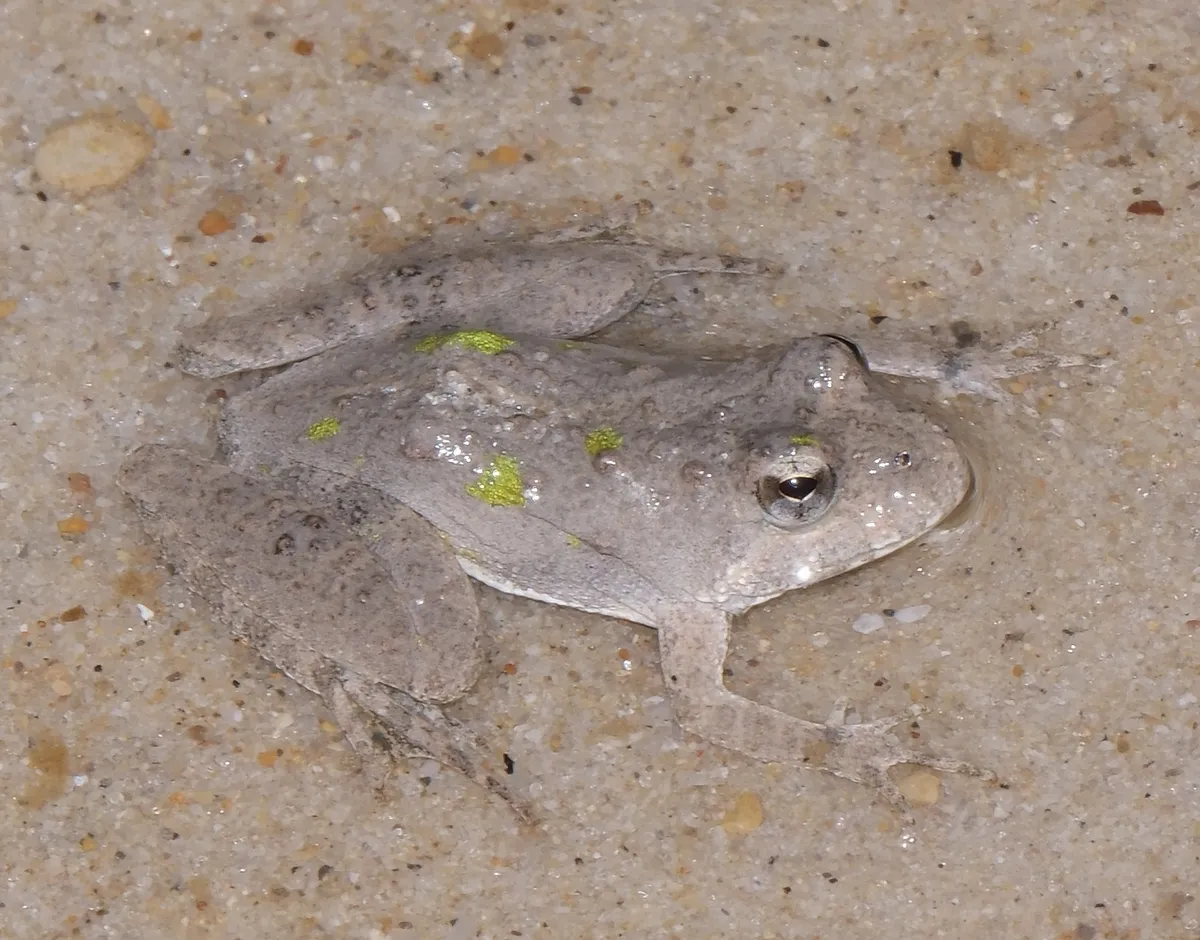
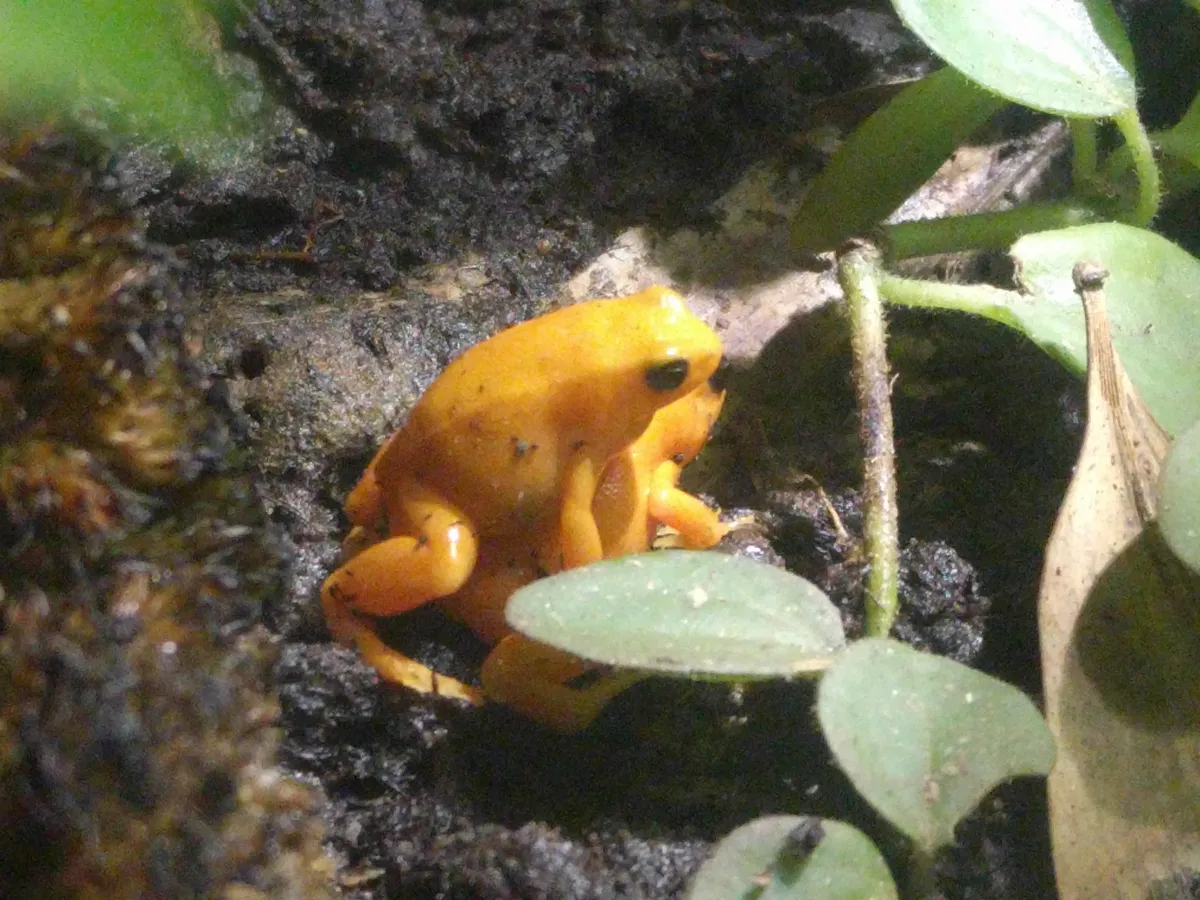
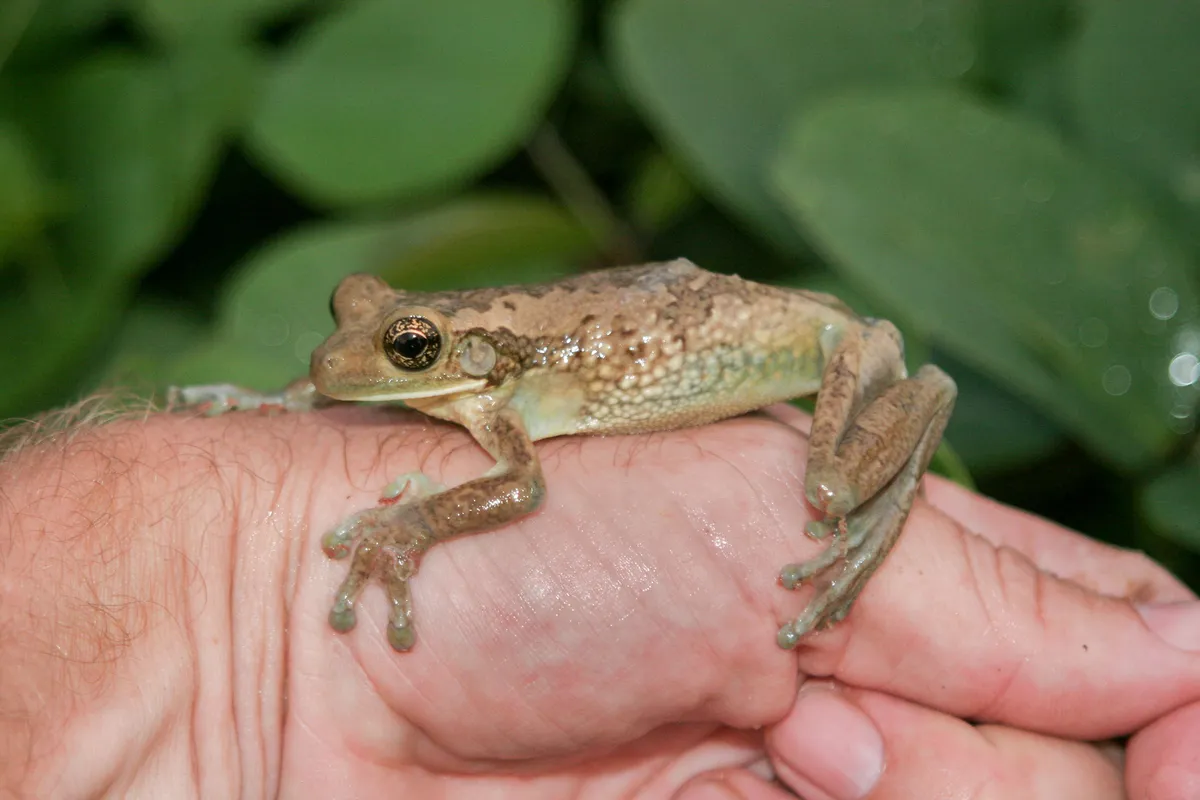
A small, terrestrial amphibian native to eastern and central North America, characterized by its small size and distinctive cricket-like call.
Image Gallery
ADSENSE SLOT
Ecology & Habitat
Habitat
Inhabits wetland edges, temporary ponds, small streams, agricultural areas, and grasslands across eastern United States and parts of Mexico, typically in regions with moderate humidity and temperatures between 10-30°C
Ecological Role
Important insectivore in aquatic and terrestrial ecosystems, serving as both predator and prey in complex food webs, contributing to pest control and nutrient cycling
Morphology
SKIN COATHighly variable coloration, ranging from gray, brown, green to reddish, providing effective camouflage in diverse environments
LIMBS WINGSShort, muscular legs with adhesive toe pads enabling climbing and jumping up to 1 meter in a single leap
HEAD SENSORYLarge, prominent eyes with horizontal pupils, excellent visual perception for hunting and predator detection
BODY STRUCTURESmall frog, typically 19-38 mm in body length, with robust, warty skin and triangular body shape
Data Source: TaxonHub Database
Image Credit: Patrick Coin)